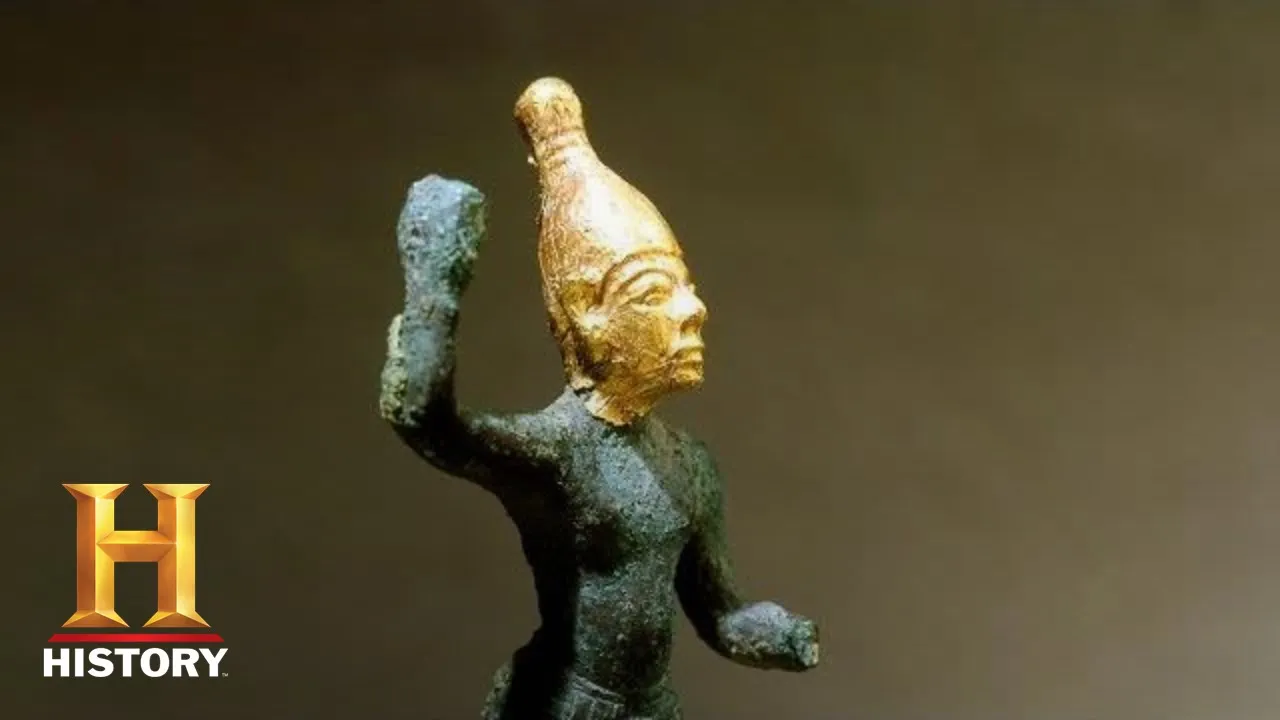
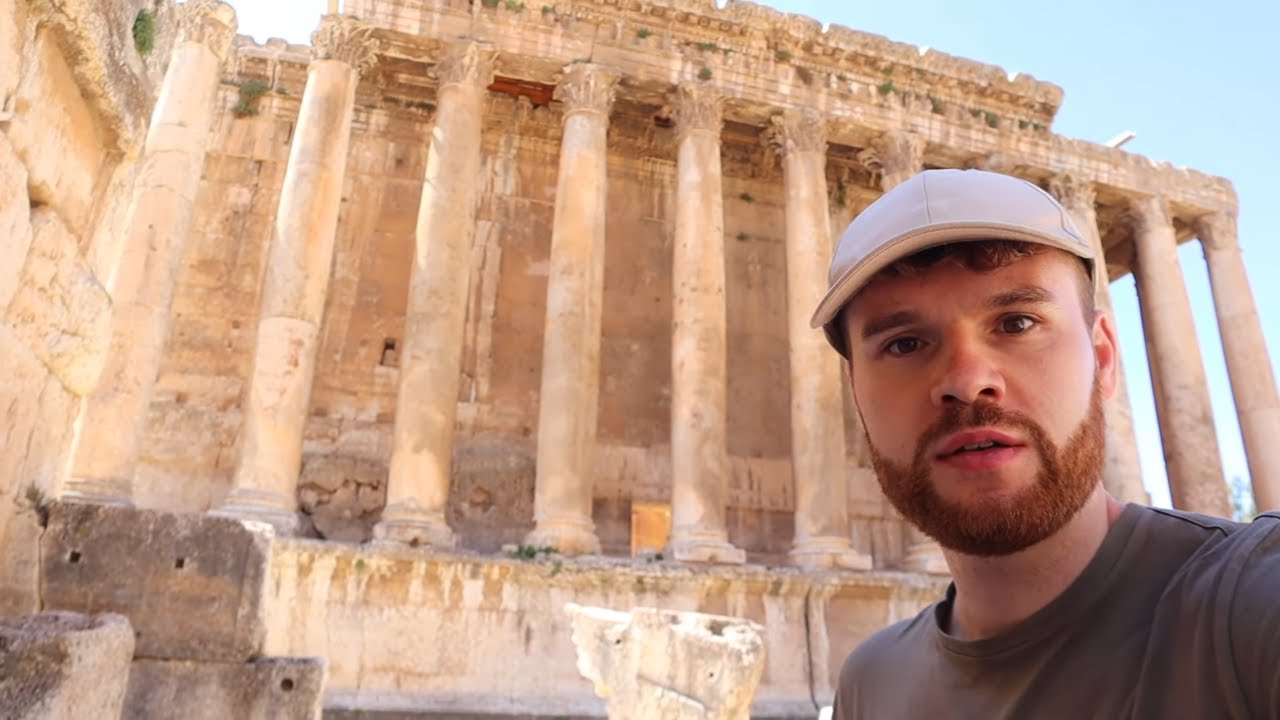
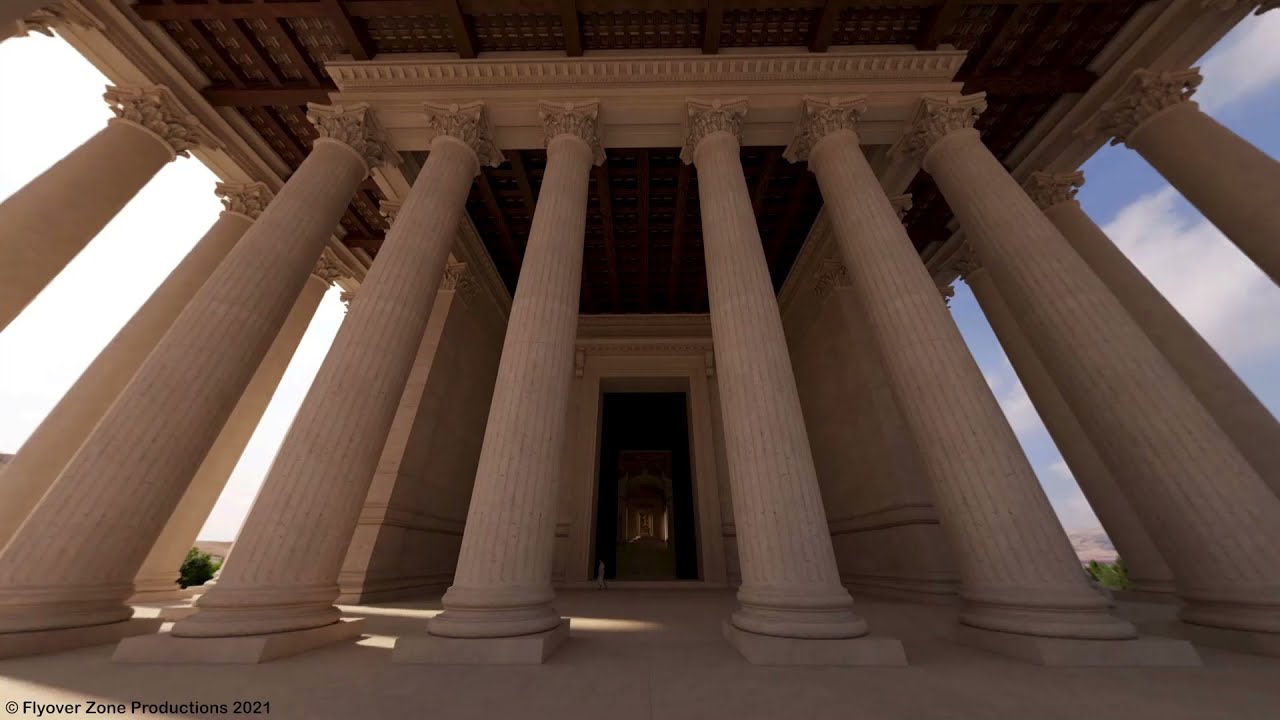
Eastern Lebanon the Bekaa Valley here at this archaeological site stand the ruins of Heliopolis built in the fourth century BC by Alexander the Great to honor Zeus but beneath the Corinthian columns and remnants of both Greek and Roman architecture lie the ruins of a site that is much much older according to archaeologists it dates back nearly 9,000 years the ancient city of Baalbek named after the early Canaanite deity Baal Baal is the god of life the god of the sky the god of the Sun he was the god that was venerated on the site of
Baalbek during the Canaanite and the Phoenician times and so because it was already sacred to the god Bale then later the Greeks and the Romans then would build temples on this very same spot archaeological surveys have revealed that the enormous stone foundation that lies at the base of the site dates back tens of thousands of years Baalbek as we know from the archaeological evidence must have existed during the oolitic period between six to eight thousand years or even 9000 years BC but even more significant to ancient astronaut theorists is their belief that the colossal stone
platform may once have served as a landing pad for space travelers we don't know why Baalbek was chosen as this specific site it may well be some kind of special power place [Applause] but what was originally there before the Roman temple was this spaceport platform that was apparently used for extraterrestrials coming and going on planet earth as evidence researchers point to the gigantic megalithic stones incorporated into the foundation each weighed between 800 to 1200 tons and perfectly fitted together [Music] this is the real mystery of Baalbek how these stones came to be there why they
were placed there and specifically how they were transported into place because some of the stones are of such magnitude that modern machinery is incapable of putting them there but somehow our ancestors were able to do this you








![The Roman Ruins at Baalbek, Lebanon [Amazing Places 4K]](https://img.youtube.com/vi/Rwtxattg2l4/maxresdefault.jpg)