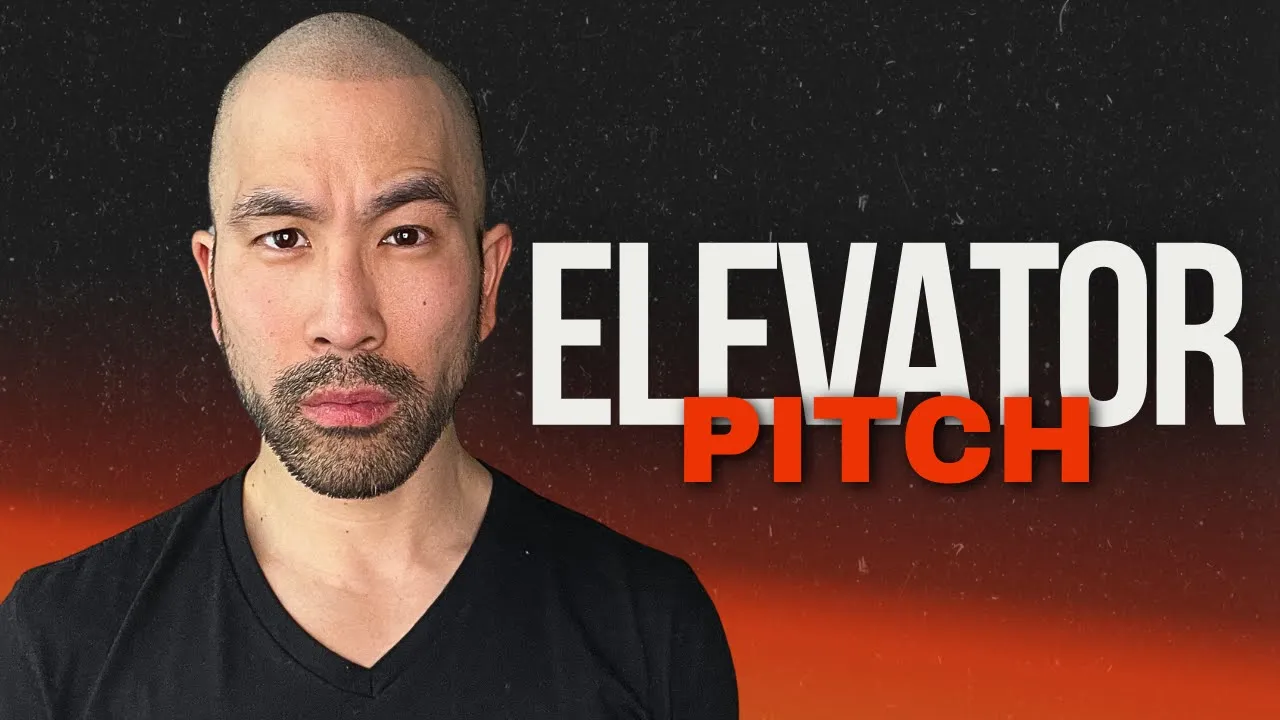
you only get one first impression and that is why I have a strong elevator pitch is vital in this video I'm gonna break down the perfect elevator pitch so you can make an immediate impact within the first 30 seconds of meeting complete strangers or prospects and there's gonna be two parts to this number one the USP the unique selling proposition and then number two the hero's journey now you won't always use both because you'll have times when you literally only have a few seconds to explain who you are and what you do in which then
you'll just use the USP but then there will be times where you have a little more time to elaborate so you can still start the USP and then go into the hero's journey so let's start with number one unique selling proposition this is simply a one-line sentence that explains what you do and the value you'll bring them here's a really simple formula I help target market achieve desired result by doing your solution so for instance here I help sales Pros earn an additional hundred thousand dollars a year in commissions by mastering refined sales process or
I helped ctOS eliminate 100 of the security threats through a proprietary Watchdog soft or I helped CEOs attract and retain top talent through our Employee Engagement software so you can see how simple to understand that is each replace those core elements so whether it's literally in an elevator and someone asks you what you do or Prospect asks you after dropping the USP it's very clear and if it's a really solid USP they may even say wow how does that work how do you do that now if you have more time that is where the next
step the hero's journey comes into play now most start just talking about the features or how great the solutions the company Etc that's pretty boring if you're going to lose a lot of interest versus if you tell a short story it'll hook them in more and they'll be more connected to it it can also help you take a very complex idea and make it very simple especially if you sell something very technical so the way you do that is you start with your USP and you simply bolt on the story right after and the story
can follow really simple format I call Spar s-p-a-r the situation the problem the action the results so let me give you a very simple example let's say I sell a sales CRM like HubSpot 2 industrial manufacturing facilities let's say they're simply using the Microsoft Excel or Google Sheets to manage prospects deal flow forecasting closing in all that sales Jazz and I want to shift them from doing that actually having a CRM so I can do that with a short story and why it's important so I can start with a very simple USP I help industrial
manufacturers close more deals improve forecasting accuracy and improve profitability by leveraging a simple CRM solution next I'll go into the hero's journey here's how that might sound for instance Bob the CEO over at Bob's manufacturing had a really successful business in the past and grew it from him being the only salesperson to a sales team of 10. when he started the business he was able to manage all his accounts and process the really simple Excel sheet but as he grew and it hired sales people he started running issues of having to manage multiple Excel sheets
on top of that you had no idea what calls or emails what sales activities team were actually doing the annual assistant for follow-up or tracking anything except for an outdated list of prospects but it seemed to be okay as they're still profitable and growly even though sales cast were always completely off he was kind of like driving with a blindfold on then the recession hit and sales slowed down drastically but the problem was that Bob had no idea where the issues actually were and what to focus on and to fix Bobby reached out to us
because he knew he had a systemic problem that was leading to his team underperforming we implemented a simple CRM solution I checked everything for him every single lead call email sales activity and deal his team became more efficient and started closing more as a result on top of that the forecasting actually went way up as now he had better data to make better decisions profits went up and stress levels went down in fact the business has grown so much it actually scaled the team to 20 reps and now two sales managers too so let's pause
now you can see how I outlined the situation the problem action and results it's relatable to the person I'm talking with including drama as part of the hero's journey now side note the hero is the prospect for taking action not the salesperson also note that I didn't go into crazy detail about the solution that's not really the point the point is to Showcase that the project took action and then solved a big problem had it had some awesome benefits benefits that the audience wants such as closing more profits going up the team is scaled up
and stress levels down so you can see here how the slight tweak is so much more powerful than just talking about the solution for instance if I just met you and I'm like hey I got the CRM solution it's awesome it'll make you more money and it's cool you're probably not gonna listen because it feels like a pitch when you tell it as a story and include their symptomatic pains they'll connect with them more and they'll be more apt to listen to the solution so here's what you do next number one write out your unique
selling proposition and two write out your hero's journey you can swap things up to fit you but this allows you to craft the perfect elevator pitch now if you want to learn how to handle any closing objection I'll see in this next video right here