emotional intelligence for leaders is critical if you want to build and maintain positive working relationships with people in your team it allows you to understand others better so you can know what drives them and what keeps them engaged at work it helps you to grasp Team Dynamics so you can reduce toxicity in your team and emotional intelligence helps you to cultivate collaboration and creativity because people feel safe contributing at their optimal level the world economic Forum ranks emotional intelligence as one of the top skills needed to excel at work many established experienced leaders have said
that their success has been either constrained or Amplified by their emotional intelligence and many workers have said that they've left jobs because of lack of emotional intelligence in their boss at the end of the day emotional intelligence is important in the workplace and it's incredibly important in leadership we've established that so let's backtrack a little and look at what emotional intelligence is exactly emotional intelligence is most often defined as the ability to perceive use understand manage and handle emotions psychologist Daniel Gman the guru on emotional intelligence says that it's our capacity to be aware of
to control and to express emotions whichever definition you look at emotional intelligence seems a little bit cryptic on the surface you might think that yeah I have emotional intelligence I can understand my own emotions I understand other people's emotions but do you because when you dig a little bit deeper you start to realize that there's a lot more to developing emotional intelligence than you think I'm K Ronin leadership coach to emerging leaders and on this channel I share videos every week to help you in your leadership Journey on how to build leadership skill improve your
communication skill and how to be more visible at work subscribe to my channel below if you want more content like this every week the very first place you need to start when you're developing emotional intelligence is with yourself you need to understand your own emotions and you need to be more self-aware however not a lot of people can genuinely do this research in the Harvard Business Review shows that 95% of us think that we are self-aware but only 10 to 15% of us are actually self-aware so there's this overestimation when it comes to self-awareness and
this can translate into an overestimation about our ability to be emotionally intelligent as well to help you avoid this I'm going to share with you an activity that will help you to become more self-aware about your emot and help you to build emotional intelligence too this activity is a reflection activity that requires you to think about your interactions with others at work and to identify triggers for different emotions that you might feel on the screen you'll see one side that says positive emotions and the other side that says negative emotions most of the emotions we
feel can be categorized into either positive or negative emotions for positive emotions I want you to think about your interactions at work and answer these questions what are your calm triggers so what events or situations make you calm what are your happy triggers so what events or situations make you happy what are your fulfillment triggers so what events or situations make you feel fulfilled so reflect on your past week at work and your interactions with other people at work and try to identify triggers for each of these positive emotional states then you're going to do
the exact same thing for negative emotional states for negative emotions think about your interactions at work and answer these questions what are your stress triggers so what events or situations make you stressed what are your anger triggers so what events or situations make you angry what are your frustration triggers so what events or situations make you feel frustrated through this simple activity you should have a deeper insight into your own emotions and a deeper awareness and understanding about yourself this is the very first step in developing emotional intelligence let me know in the comments if
this activity was helpful for you once you have more self-awareness then you can move on to understanding other people's emotions now this is a little harder to achieve because from the outside is very difficult to truly understand how another person feels you might try to interpret their emotions from the external cues that they show you like their verbal communication or their non-verbal communication but the real reality is especially in the workplace people will show you what they want you to see so because of this filtering process that goes on it's very difficult as a leader
to truly understand the emotions of someone else but all is not lost there are some things you can do to try to understand other people's emotions as best you can I recommend a three-step process first start by observing people either individually or as a group yeah you're still getting cued is only from external actions or behavior you're still facing a filter where people might not act or behave in an emotionally revealing or in an emotionally honest way but you've got to start somewhere so begin by observing pick a situation or an event at work for
example a meeting and start to observe the people in that group as you're observing ask yourself this question do people display positive or negative emotions overall this will help you categorize their emotions into positive or negative if there are mainly positive emotions on display then which is the overarching positive emotion if there are mainly negative emotions on display what is the overarching negative emotion it could be one of the emotions we talked about in the previous point or it could be another emotion that you detect second once you have elevated your skill in reading people
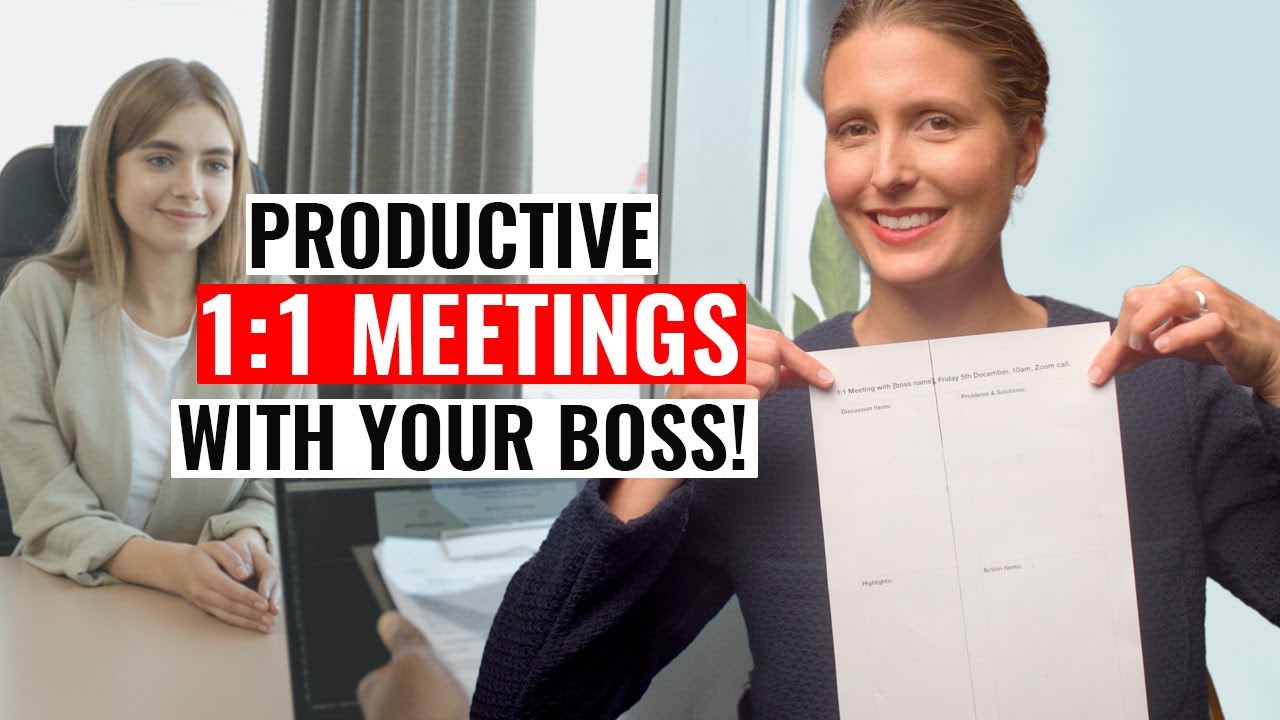
then you need to move on to the next step which is listening and the key here is to listen with the intention to understand which means you have to listen without judgment judgment clouds our ability to accurately read people or to understand their emotions it's like a block or a barrier that distorts the way that we see things if you're truly committed to developing emotional intelligence as a leader then you need to make sure that you leave Judgment at the door there are a number of opportunities for leaders to listen during one-on-one meetings this is
a great opportunity for you to listen to your employees as a leader as they talk you can't listen to identify what are their problems what are their struggles what have they tried as a solution what didn't work what did work and why didn't it work group meetings are another fantastic opportunity for you to listen as people talk and interact during the group meeting you can listen to individual team members to really understand what they're saying and you can read their external cues to further understand their emotions and what they're feeling if you have any other
ideas of opportunities where leaders can listen write them in the comments below the third thing you can do to understand someone else's emotions is to ask so once you have observed them once you've listened to them if you still want to know how they're feeling simply ask them how do you feel about the progress on this project how did it make you feel when David took credit for your work how do you prefer to contribute in meetings do you want to contribute in a spontaneous way or do you want time to prepare in the majority
of cases your team members will feel hurt heard understood and appreciated simply because you ask them how they feel about something we've covered understanding your own emotions understanding other people's emotions next you need to know how to react accordingly and this specifically focuses on managing and handling emotions as mentioned in the Wikipedia definition of emotional intelligence what this really means is to be aware of your own emotions to recognize other people's emotions so you can respond in an appropriate way leaders who do respond appropriately build stronger bonds with people in their team leading to higher
levels of job satisfaction contribution and engagement at work leaders who do not respond appropriately create fractures in their team leading to dissatisfaction low or minimal contribution and very little engagement I think you can guess which type of leader is more successful in their career and has a better reputation at work right for you to react accordingly to be a successful leader and one with high emotional intelligence it does depend on the specific situation and the people you are with however there are some guidelines or some tips that you can follow develop person focused leadership so
this means to build good relationships with people in your team build trust with them and show genuine concern for them be empathetic which means to identify the thoughts the attitudes and the emotions of another person basically putting yourself in someone else's shoe shoes acknowledge contributions so whenever people share a good idea tell them address fallbacks or failures in a curious and an empathetic way so instead of attacking or belittling that person who made the mistake try to understand why they made the mistake and how it can be fixed in the future make sure nobody feels
excluded from the group so work on developing psychological safety with your team and make sure everybody knows the value that they contribute understand and address conflict immediately don't ignore it and certainly don't pretend it's not your job admit when you're wrong leaders can be wrong don't try to cover it up or to blame it on someone else use genuine body language to appear authentic I recommend that you use charismatic body language like I talk about in this video up here thank you so much for watching this video about building emotional intelligence for leaders I hope
you got a lot of valuable tips and insights so you can apply it to your leadership Journey thank you so much for watching if you did like this video please hit the like button below subscribe to my channel as well if you want to see videos like this every week in your feed thank you again for watching and I'll see you in the next video