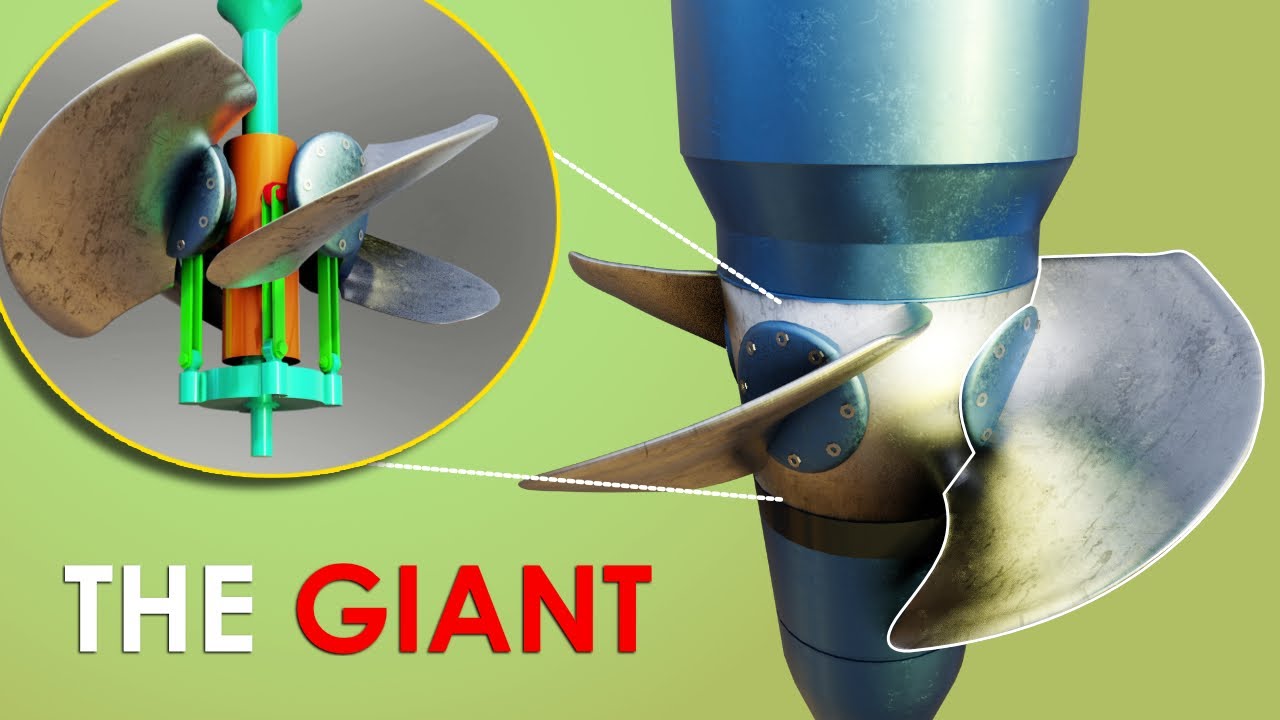
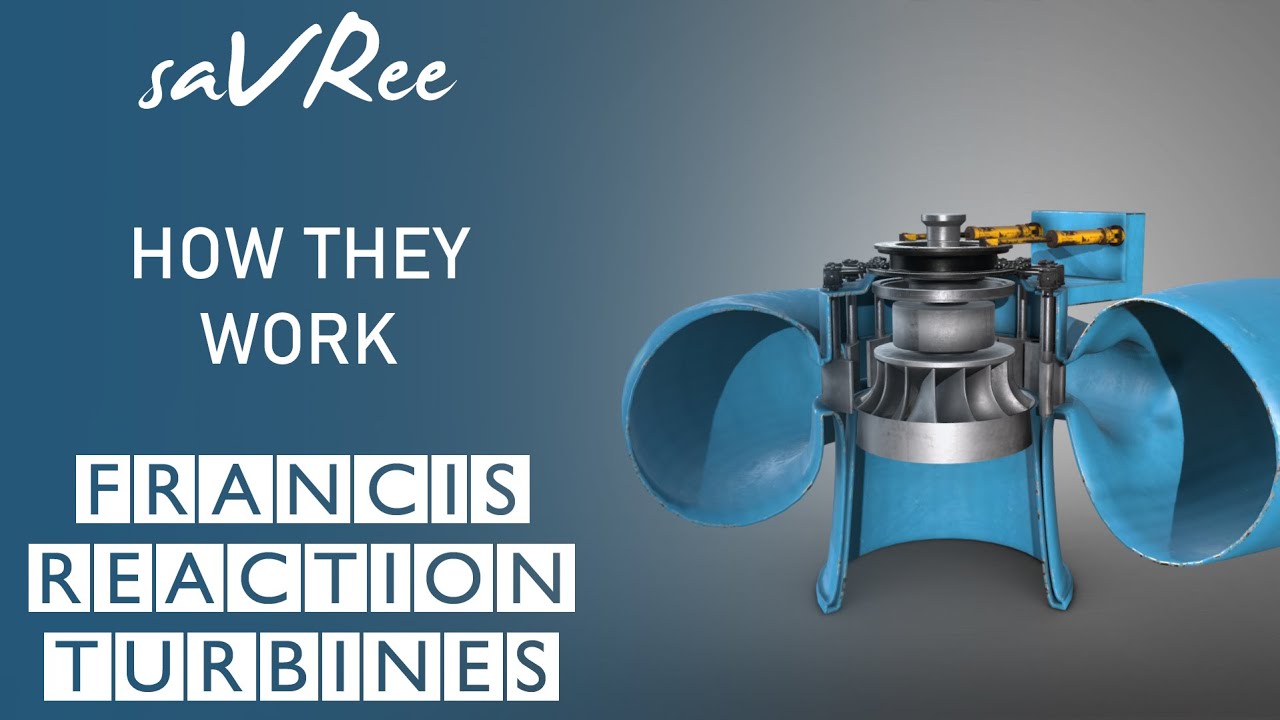
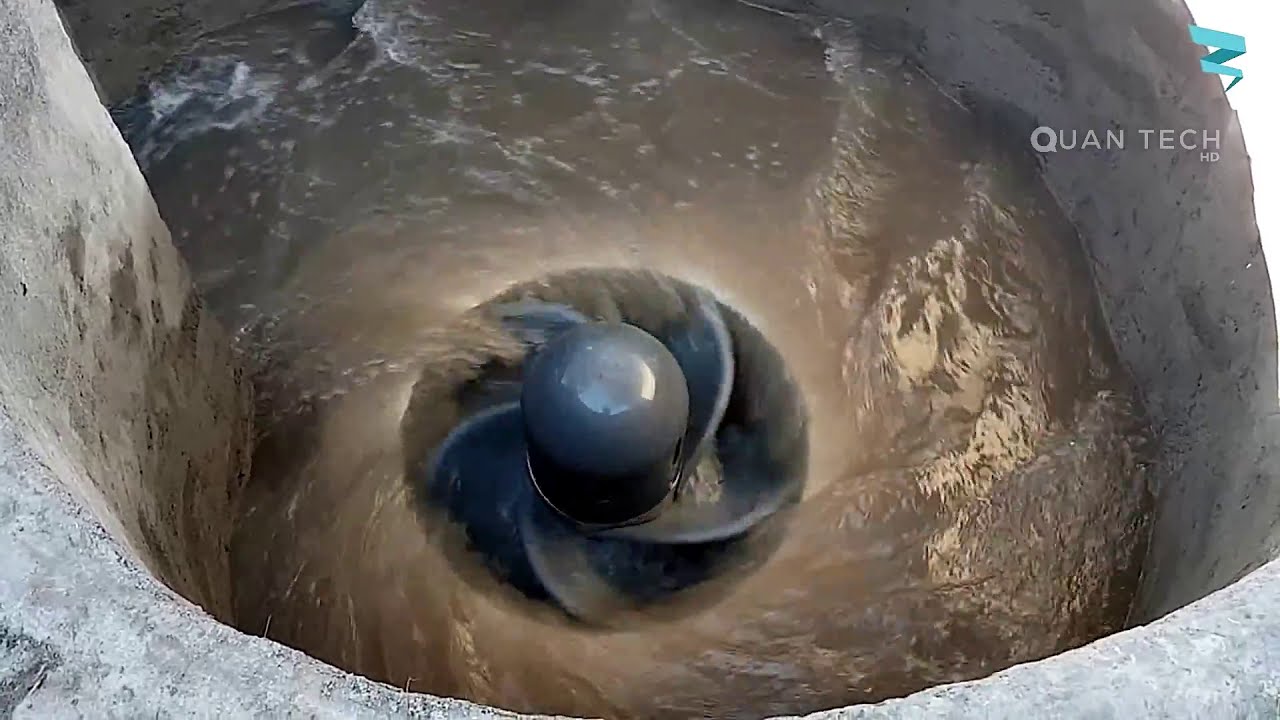
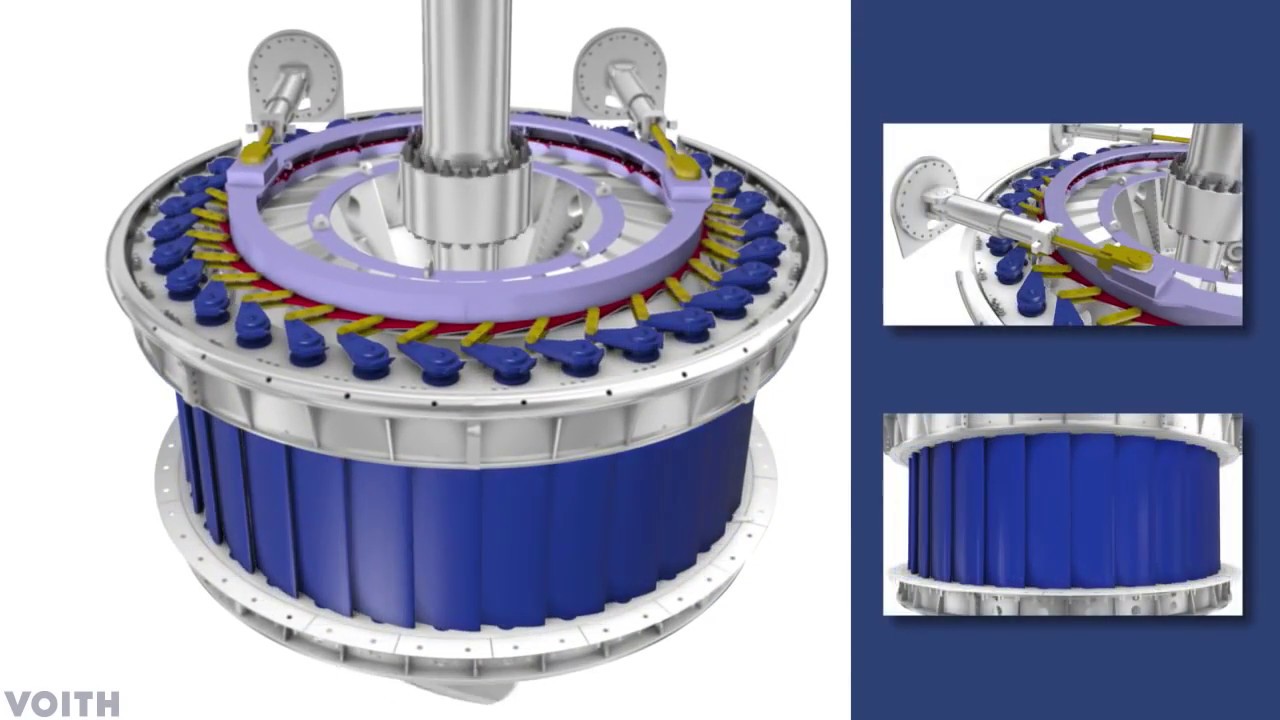
Kaplan turbines are suitable for power extraction when water energy is available at low head and high flow rate which means they are suitable for operation when water is stored in big reservoir at relatively shallow altitude In kaplan turbine flow is entered through a spiral casing decreasing area of casing make sure that flow is entered through center portion almost at uniform velocity throughut the perimeter water after crossing the guide vanes passes over the runner finally it leaves through the draft tube most important part of kaplan turbine is it's runner cross section of runner blade will have
a curve shape when water flows over it it will induce a lift force due to airfoil effect tangential component of lift force will make the runner rotate this rotation is transferred to a generator for electricity production kaplan turbines are axial flow machines where absolute velocity of flow is parallel to axis of turbine water is precisely meet to pass through the runner blades with the help of shroud power demand may fluctuate over time this can meet for varing power demand blades of kaplan turbine are designed to operate under wide range of operating conditions A rotating blade
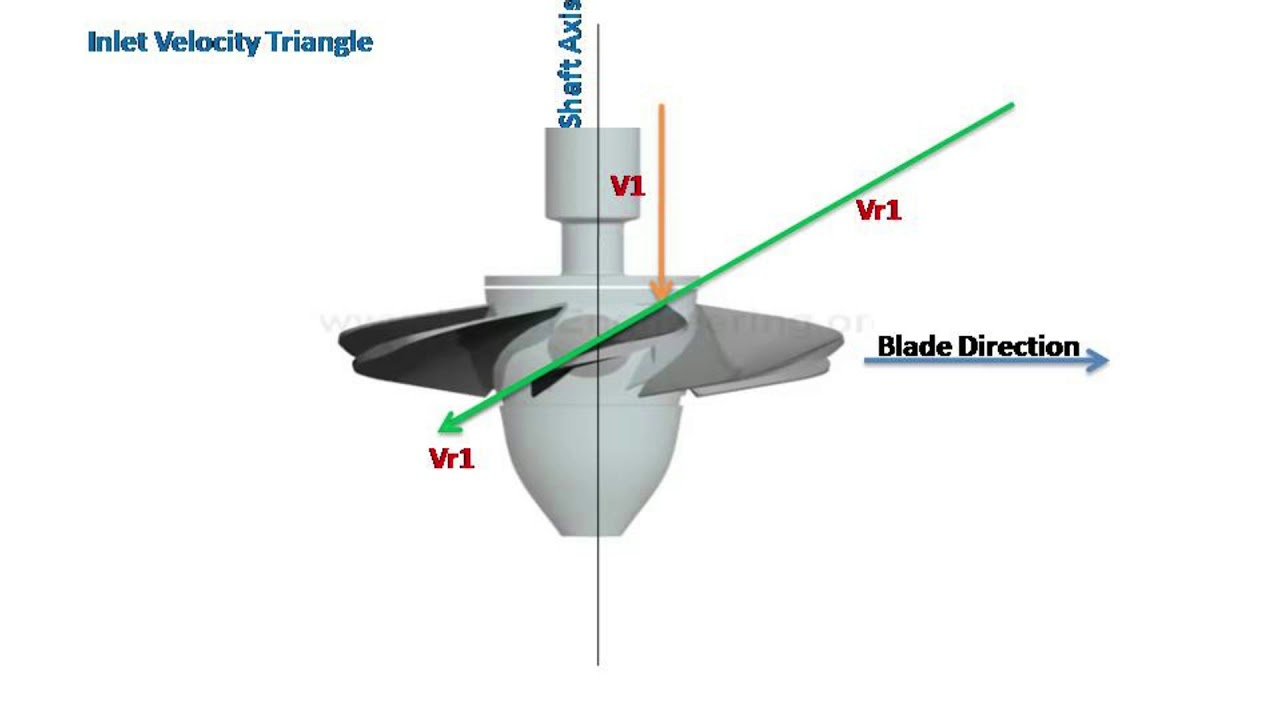
experiences relative velocity of flow the fundamental thing in blade design is relative velocity of fluid flow should be at optimum angle of attack at all cross sections even though absolute velocity is axial relative velocity will be inclined depending upon blade velocity Inclination of relative velocity increases as removed from rotor tip there should be continuous twist in blade from rotor tip so that at every cross section the angle of attack is optimum with varing flow condition relative velocity will change drastically kaplan turbine blades are adjustable when flow rate is high relative velocity of flow will be
more axial so blades should pitch vertically If flow rate is low relative velocity of flow is more tangential So blades are pitched in tangential direction in short the pitching action of blade make sure that blade is still in optimum angle of attack even under varying flow apart from controlling the flow rate guide vanes have got one more function they help in controlling swirl of flow if guide vanes will not present the flow would be highly swirling in nature such a flow will reduce performance of turbine drastically due to its poor angle of attack so guide
vanes control swirling flow for optimum angle of attack biggest challenge in design of kaplan turbine is how to overcome problem of cavitation which causes material erosion and vibration cavitation is unavoidable in kaplan turbine since in most of the regions pressure goes very low but damage due to cavitation can be reduced by using suitable draft tube which transforms dynamic pressure to static pressure