[Music] a new study finds that nearly half of the nation's drinking water contains potentially harmful forever chemicals the substances have been linked to several serious health problems including some cancers however new technology is now making it possible to eliminate these chemicals from the main water sources Mark Strassman has more nasty cargo ten thousand gallons of landfill water laced with pfas a known carcinogen that nothing could get rid of until now we are concentrating the nasty stuff to allow the annihilator system to treat it not just treat pfas blast them out of existence these so-called forever
chemicals are man-made used in Teflon firefighting foam even facial makeup and previously indestructible this is where the pfas go away that's correct last year we showed you Battelle a non-profit Research Institute doing a small scale field test distilling water into pfas concentrate the really nasty stuff for Destruction it worked a technological first leaving behind water and salts harmless to the environment you've got to have enough force and energy to break those bonds now another first scaling that technology like this forklift carrying the concentrate for tree treatment the pfas annihilator lives inside this converted cargo container
with heat and pressure it blasts the PFS concentrate these forever chemicals Gone without a trace within seconds here in Grand Rapids this retooled water treatment plant is North America's first permitted pfas remediation facility were you convinced it would work we had a lot of hope that it would so how scalable is it it could be much more scalable much larger than this this plant's treating a half million gallons a week the market seems virtually Limitless this is only the tip of the iceberg of us being able to get the scalable technology to Market into customers
for the first time nothing about pfas is forever Mark Strassman CBS news Grand Rapids Michigan Kelly Smalling joins us now she's a research hydrologist with the U.S Geological Survey and one of the lead authors of the study so Kelly just for those unfamiliar which would include me what exactly are these pfas forever chemicals and what are the risks associated with them so per and polyfluoroalkyl substances are pfas they're a group of thousands of man-made chemicals they're found in everyday items like non-stick cookware firefighting Foams grease resistant food wrappers water resistant clothing among among other things
and they're known as forever chemicals because it really takes a long time to that for them to break down in the environment and they're present in the environment and they're also present in our human bodies so this study of just reacting to that idea that we're all carrying them around um this study was years long how how big of a sample pool was examined so we started um we've been doing this work since 2016. 2021 we decided we needed a larger idea about pfas exposure in our nation's tap water so this is in your drinking
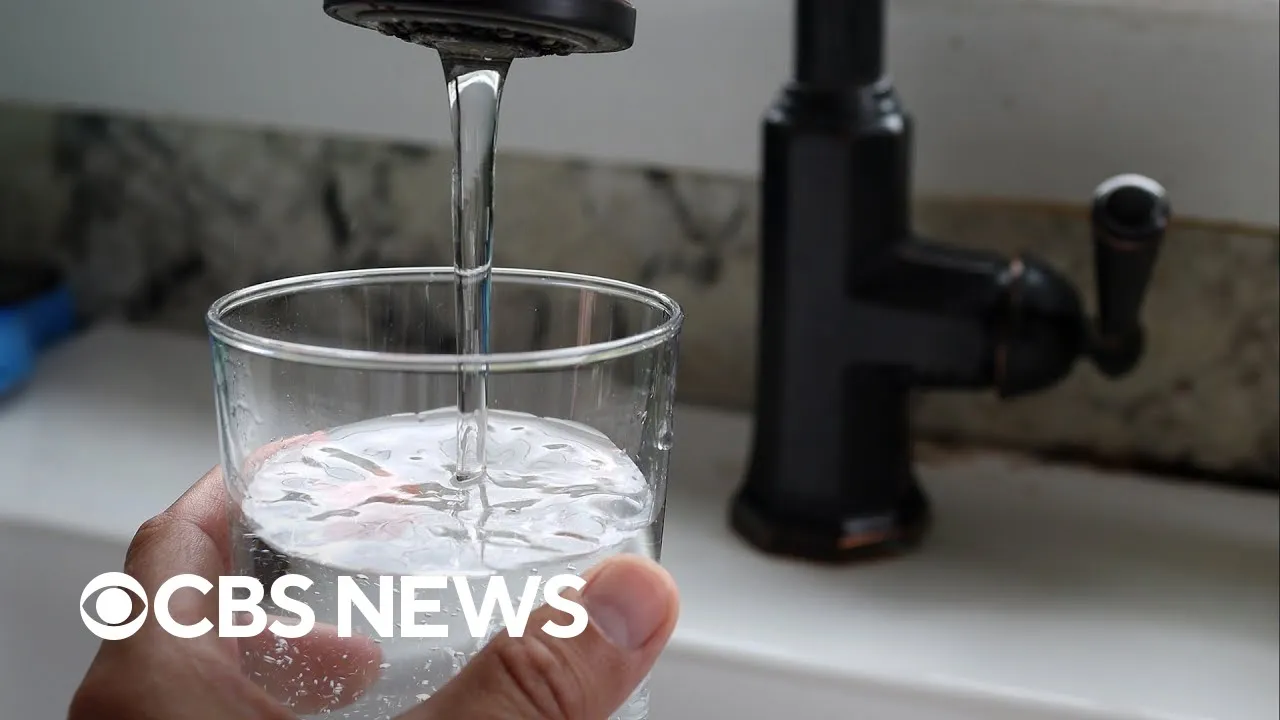
water glass at your kitchen kitchen faucet um so in about six months we were able to get a network of volunteers from about 400 participants across the country to collect samples for us and then we combined that information with information that our group had collected previously for a total of 716 tap water samples from private Wells and public Supply Nationwide and so Kelly just to um go back to the question of if this is all in our water how worried should we be well so first of all the USGS were an unbiased science agency so
our job is to provide the public to provide decision makers with the data and the information and allow folks to start that conversation so we are asking people if they're concerned about what's in their tap water to reach out to their state and local public health officials uh get informed figure out ways of potentially testing their water and or look at means of treatment does it does where I live determine my possible exposure to these forever chemicals say bourbon versus rural yes so based on the results of our study what we found were that pfas
were more frequently observed in tap water samples that were collected in or around urban areas as well as areas with known sources of pfast like airports industry military installations and wastewater treatment plants so we saw Less pfas in rural areas okay and finally Kelly um in terms of limiting pfases a what steps are taking being taken to limit what you were able to find now and are all of these chemicals still in their original forms which is to say is Teflon still being made the same way makeup and candy wrappers and all that or has
there been an effort to change the way in which the originating items are made which might have a downstream pardon the pun effect on how much pfas is in our drinking water so a lot of that information you're going to have to get from folks like EPA especially if we're talking about regulation there have been changes in the types of pfas that are produced but pfas are still being manufactured in the U.S and currently there are no federal regulations for pfas but states do have their own regulations EPA has some proposed regulations for drinking water
um so we'll see what happens through the public comment process all right Kelly Smalling with the U.S Geological Survey thank you thank you so much for having me