[Applause] [Music] [Applause] [Music] is [Applause] he you look at a lot of applications and we see hydraulics you think about a car going down the street of course you have hydraulic power steering hydraulic brakes a lot of the roofs on those cars convertible tops are all hydraulic control get an aircraft all the control surfaces amusement parks a lot of the rides today those powered roller go zero to coasters in four seconds [Applause] [Music] foreign the power of your blow is transferred to the other plunger by hydraulic transfer of power system possibility multiplication capacity in most
people's mind they consider hydraulics the application of high pressure fluids generally speaking to move large amounts of weight can generate a lot of force some of the more impressive applications of hydraulics are just pure raw hydraulic force you look at car crushers as an example it's unbelievable you take five or six cars piled vertically and they're smashed to just feet and you have to say how is that done it's hydraulics instruments when you push the lever up and down you're actually pushing on a small piston which pushes hydraulic fluid and this fluid flows into a
larger piston say the small piston that you're pushing has a surface area of one square inch but the large piston that's actually pushing up your car that might have a surface area of say 10 square inches so for every pound of force you push with that lever the hydraulic system multiplies that force ten times unfortunately in hydraulics like in everything else there's no free lunch so you don't get it for free in order to get that to work you have to pump 10 times the amount of fluid in boros principles brilliant this buoyancy experiment was
basically based on the concept that a material that is submerged through water experiences a force against gravity and that force is known as pressure he also was the same inventor who said if you give me a lever long enough and a place to stand i can move the earth fundamentally that's the principle of levers and realistically that's what we're doing with hydraulics on a daily basis from the romans they realized that they had to feed bigger areas then they had to have a system where they can carry large quantities at the same time use the
concept of gravity agua fluid [Music] [Music] [Music] pascal's principle is the basis for all the work that we do in hydraulics today when the first hydraulic systems were used around the 1800s they did use water as the hydraulic fluid and water does not make a very good hydraulic fluid some of the problems it has it's very thin so it leaks past your seals back in the 1800s the seals they had were things like leather and ropes and things of that sort so if they did seal they didn't seal for very long industries [Music] people have
recognized for a long time that the power behind water can be enormous and in the early mining days in the us the gold rush here we took major advantage this assessendo font is is um [Music] of 800 pounds per square inch to a thousand pounds per square inch it's a thousand pounds per square inch blasting against raw earth uh you clean the soil away in a hurry complement [Music] [Music] a [Music] unfortunately water has this tendency to turn into solids at something like 32 degrees fahrenheit and as it freezes turns into ice and it tends
to boil at about 212 so it tends to have a relatively narrow operating window oil on the other hand can have an operating temperature of well below zero degrees fahrenheit to well above 250 degrees fahrenheit is america hyderabad's played a a crucial part in enabling vehicles to transform from sort of the hay wagon type of thing to the ever heavier ever more comfortable ever more you know livable vehicles that we have today [Music] is foreign strong steel cables provide powerful unfailing and flexible connections between the brake pedal and the brake itself of course as the
weight of the vehicles increased and their speed increased we had to come up with more effective ways to stop these machines from the way that the early hydraulic systems for braking worked on cars was your pedal would push uh on a piston and cylinder full of hydraulic fluid and that would would push the fluid to each wheel the fluid would come into another cylinder with two little pistons that push out against a couple of shoes the curved shoe that push out onto a cylindrical drum and when they press on like that creates friction and slows
the car down so suddenly you can transmit a lot of energy to these individual wheel brakes the american motorist could was comfortable with mechanical brakes you can see here's a cable here's the linkage it's right out where i can see it and and to try and convince this person that you can push fluid through a line whoa that was kind of a mind blower so it was a difficult uphill battle to make that case and they had to do it by just demonstrating how much more effective it was most of the r d efforts for
including hydraulics went into a war effort for tanks and vehicles and ships and things and so really after world war ii was over and people who had been in the war got back in the workplace that saw a real blossoming of the hydraulic industry those engines were made out of cast iron they were big and heavy and they were almost exclusively in the front they were over the steering wheels so with all that weight it became very difficult to turn those wheels and the combination the hydraulic flow and pressure is what provided the power to
turn the wheels to the left or right if you turn to the left all it does is actually the valve the valve opens and routes fluid into a piston which would turn the wheel to the left so power steering became an absolute godsend and the early ones uh they wanted to make themselves known and so your power saying would be totally zero effort i mean you could with your pinky fingers hear these gigantic cards but you can also put a piston there with hydraulics to get the same type of springing effect characteristics is um foreign
[Music] the amount of force we get from the hydraulics far exceeds what we can get from electrics without going into great costs hydraulic gives you more force and power especially in these type of machines you need that force to cut the rock as hard as it can be sometimes museum when we talk about hydraulic pressure what we're doing is putting force into a cylinder which uh in turn puts force against a given foreign on that shoe that is giving us enough force to hold that machine in place so that it doesn't try to spin in
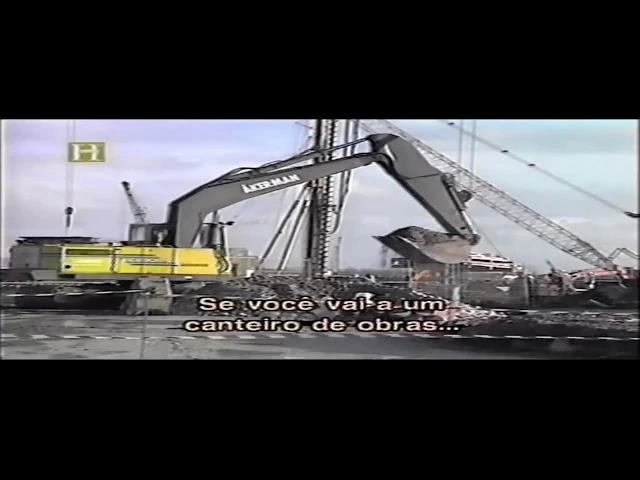
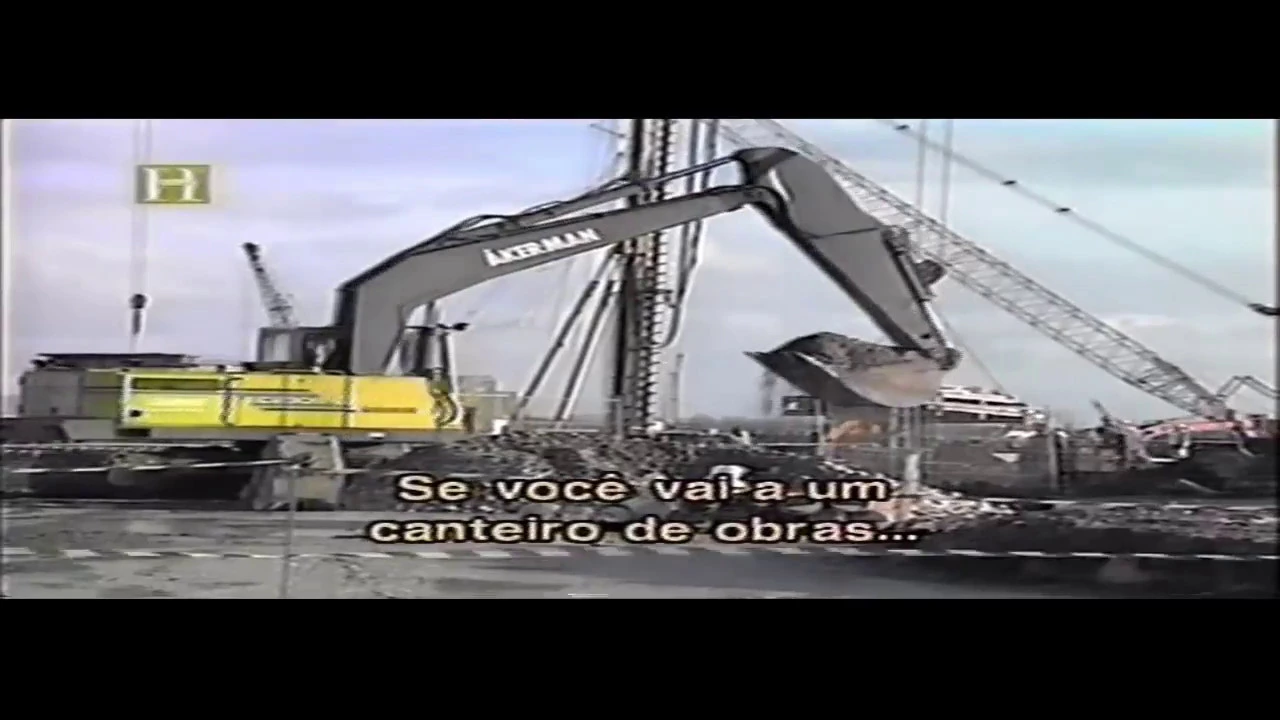
the tunnel [Applause] [Music] [Applause] that kind of weight smoothly and steady foreign the construction industry today relies on the hydraulic cylinder if you consider the dump truck the early trucks consisted of a winch and pulley system the operator had to get out of the cab wind up this crank to dump the bed of the truck today they sit in the cab push the button the hydraulics extends a ram from the cylinder and empties embedded in truck the hydraulic cylinder is a method of converting the hydraulic energy to a workable energy in a back and forth
motion that's really all it does it moves out [Music] listen to popular hydraulic tanks which operate easily and efficiently under all those the end gate is double acting and is operated by a controller foreign construction industry has to move great quantities of earth so you could have 10 backhoes loading 10 trucks or you could have one backhoe loading one large truck and when you did that you had to move the same amount of earth so that means the equipment had to be much larger we have quite a bit of problems moving that arm efficiently without
the use of hydraulics foreign yes foreign foreign any kind of foreign within the hydraulic system is going to have a devastating effect upon the uh system itself the cylinders have a wiper on the end of the cylinder head but as the cylinder rod retracts it cleans off the excess dirt so when it extends again [Applause] [Applause] [Music] yes [Music] [Applause] foreign the airplane really shows a prime example of one of the advantages of hydraulics where you can have a single place where you can generate your power through the engine and transmit this through hydraulic lines
to wherever you need it at the back of the plane or in wings foreign we will write a minus and this allowed them to have these those are small aircraft so therefore it was very easy for the pilot to control uh the motion of the actuators simply by moving the stick back and forth all landing here before were fixed the navy decided to do some tests in which they actually raised the landing gear through a crank and pulley arrangement and they found that they could reduce the drag about 30 but it was very intensive and
therefore hydraulics was looked at as a way of doing this very effectively it by hand or the conventional pulling and cable system most of those aircraft would be in the ground foreign the pressures have to increase to be able to allow the pilot to move the surface to do what he wanted to do he needed a new type of problem so foreign if a hydraulic fluid would spray onto a engine manifold it would certainly cause a fire [Music] it would often come out of us if there was a fire already started um remain larger lighter
and able to hold more people so by having these aircraft that could carry more people it made airline travel more practical phosphate esters are a class of synthetic hydraulic fluids which have very good lubricating qualities in addition they tend to be fire [Applause] resistant foreign it is very difficult even to give it a correct feel electronics to make this decision much quicker have much greater performance controls and foreign [Music] um that are part of a conventional hydraulic system there are two electric motors that work in tandem we also have hydraulic reservoirs to capture the thermal
expansion contraction required to power the hydraulic pumps of the system the linkage here is attached directly to the flight control surfaces certainly the aeg offered the hydraulic assist designer several of the energy challenges if we were going to use the conventional hydraulic system concept 3000 psi [Music] thousands foreign [Applause] [Applause] [Music] is is [Applause] to get there [Music] [Applause] [Music] [Applause] [Music] [Applause] [Music] foreign yes [Music] foreign jail [Applause] [Applause] [Music] [Applause] [Music] with me together [Music] every day together [Music] is foreign me [Music] foreign [Applause] foreign [Music] foreign [Applause] [Applause] [Music] [Applause] [Music] [Applause]
[Applause] you would not be able to have any of these attractions with just never happened [Applause] foreign is training about crashes right in front of the ground exactly the same every single time a [Music] [Applause] [Music] it's more controllable than any other kind of power and it's also less expensive energy-wise the cylinder is actually hooked up to a block and tackle what that does is that increases the motion of the chief compared to the cylinder jeep will move 32 feet while that increases the force on the cylinder but the hydraulics overcome that and there's no
problem at all foreign foreign foreign i believe the future of hydraulics is a combination of electronics and hydraulics in some applications hydraulics out but we will never see the power density from the electronic systems that we see hydraulically just can't have any other technology that will be able to generate a hundred thousand foot pounds [Applause] [Applause] [Applause] music [Applause] [Music] [Applause] is you