Read anyone instantly written and published by n gasli understanding people's behavior and intentions can have a significant impact on your personal and professional life now if you want to excel in various situations such as social interactions business negotiations or building connections it's crucial to grasp the subtle cues and signals that people convey this knowledge can provide you With valuable Edge read anyone instantly secret tips to read people anytime is a guide that aims to assist you in enhancing your ability to understand and interpret people embark on a captivating exploration of nonverbal communication with this book
discover a collection of effective tools and techniques to decipher the thoughts feelings and intentions of others in the upcoming lessons you will discover techniques for observing and Interpreting body language recognizing and utilizing eye contact paying attention to tone of voice and identifying micro Expressions you'll also learn how to evaluate the alignment between words and non-verbal cues observe interpersonal interactions and empathize with others and that's not everything this book will explore the psychology of belief providing insights into how people's beliefs and values influence their behavior and Decisionmaking you'll gain the ability to rely on your intuition
particularly when something doesn't feel right and utilize this internal guidance to effortlessly and confidently navigate intricate social scenarios by the end of this book you will acquire a valuable set of tools and techniques to effortlessly analyze people's behavior and understand them in any situation this book is suitable for anyone whether you're a business Professional a student or simply someone who wants to improve their social skills and build stronger relationships prepare yourself for an engaging adventure of exploration and personal growth discover the valuable insights shared in read anyone instantly and enhance your ability to understand and
connect with others on a deeper level lesson one observe the body Lang language Anne had always been captivated by the complexities of human behavior And she had dedicated herself to becoming skilled at understanding people understanding body language was essential to her skill set Anne embarked on a journey to apply her knowledge in her everyday experiences driven by her curiosity and attentiveness one morning Anne entered her favorite coffee shop and spotted a young woman sitting alone at a table the woman appeared lost in thought her shoulders slumped and her attention Focused on the untouched cup of
coffee in front of her Anne sensed that something was wrong and decided to approach the woman with a warm smile Anne observed the woman's body language as she approached she had her arms tightly crossed over her chest and her feet were nervously tapping on the floor based on the non-verbal cues it seems that the woman might be experiencing feeling of anxiety defensiveness or being closed Off Anne understood the importance of approaching the situation carefully and with empathy in order to establish a connection excuse me Anne said gently I notice that you appear to be feeling
uneasy can I assist you with anything Anne's kind words caught the woman off guard causing her to look up in Surprise oh it's no big deal she said trying to put on a smile however Anne's lack of genuine happiness was evident in her eyes and her tense body language Curious to uncover additional details and delicately inquired for more information discussing our concerns can often be beneficial if you'd like to share I'm here to listen the woman paused briefly but Anne's friendly and accepting attitude made her feel comfortable Anne noticed a gradual shift in her body
language as she started to open up she seemed to relax and become more open to the conversation as her arms uncrossed and her shoulders Eased Anne discovered that Sarah the woman she was talking to had recently experienced a challenging breakup and was finding it hard to deal with the emotional aftermath Anne provided comfort and support to Sarah by observing her body language and responding accordingly as their conversation came to an end Sarah expressed gratitude to Anne for her kindness and empathy I feel much better now she said Her body language becoming more open and relaxed
I'm impressed by your ability to interpret my non-verbal cues and offer the help I required Anne smiled thankful for the chance to assist someone who required assistance it's about paying attention to and comprehending body language she explained by being mindful of these nonverbal cues we can develop a better grasp of others perspectives and provide More meaningful assistance Anne dedicated herself to honing her abilities in interpreting body language utilizing her expertise to establish meaningful connections with others by paying attention to the small signals people give off with their body language and facial expressions she was able
to handle even the most challenging social interactions with ease and understanding Anne's reputation grew as a reliable Confidant and Adept Communicator owing to her knack for interpreting non-verbal cues her experiences were a strong reminder that deep connections can be formed without using words but through the silent and expressive language of the human body our bodies are always sending messages even when we're not aware of it by paying attention to these nonverbal cues we can learn a lot about what someone is thinking feeling in or planning understanding body language Involves deciphering a wide range of non-verbal
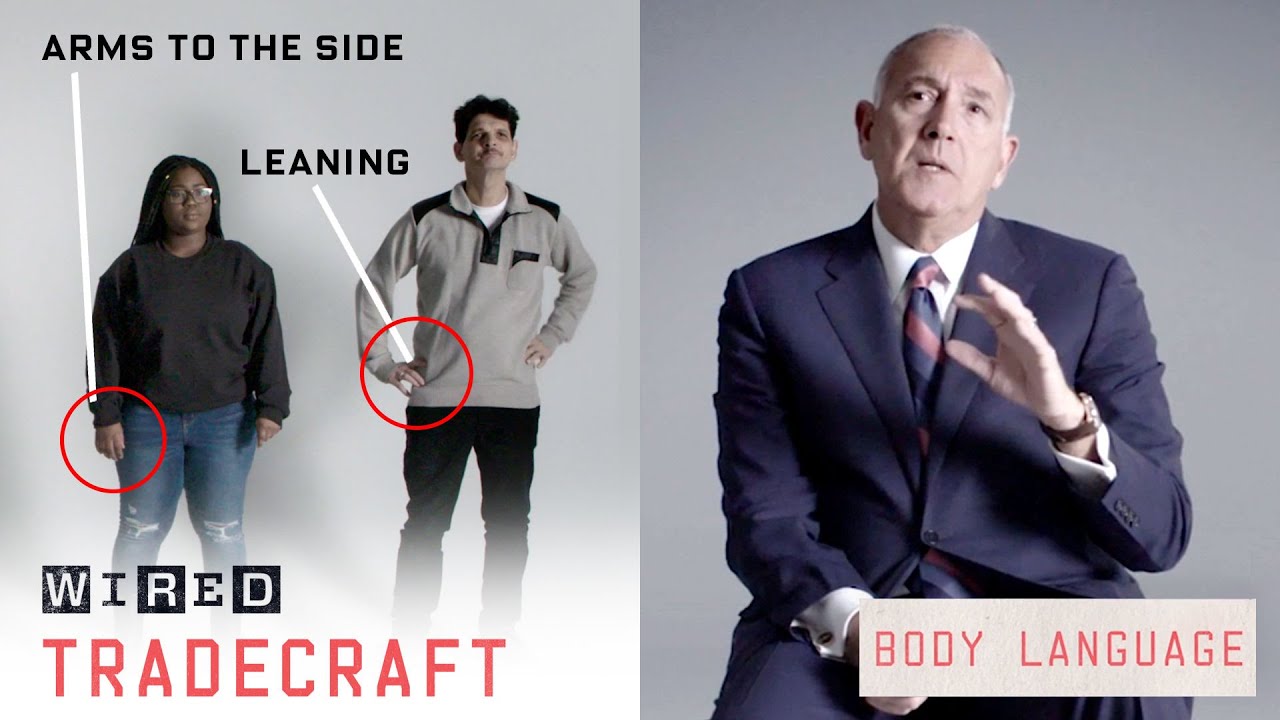
cues such as facial expressions gestures posture and eye contact by grasping the meaning behind these signals we can gain a better understanding of the people around us and enhance our communication skills in different situations posture is an important aspect to consider when observing body language body language can provide valuable insights into a person's Emotions and comfort level in different situations take for instance a person who stands tall with their shoulders back and chest open this posture often indicates confidence and self assurance they might be in a position of Authority or feel that they have valuable
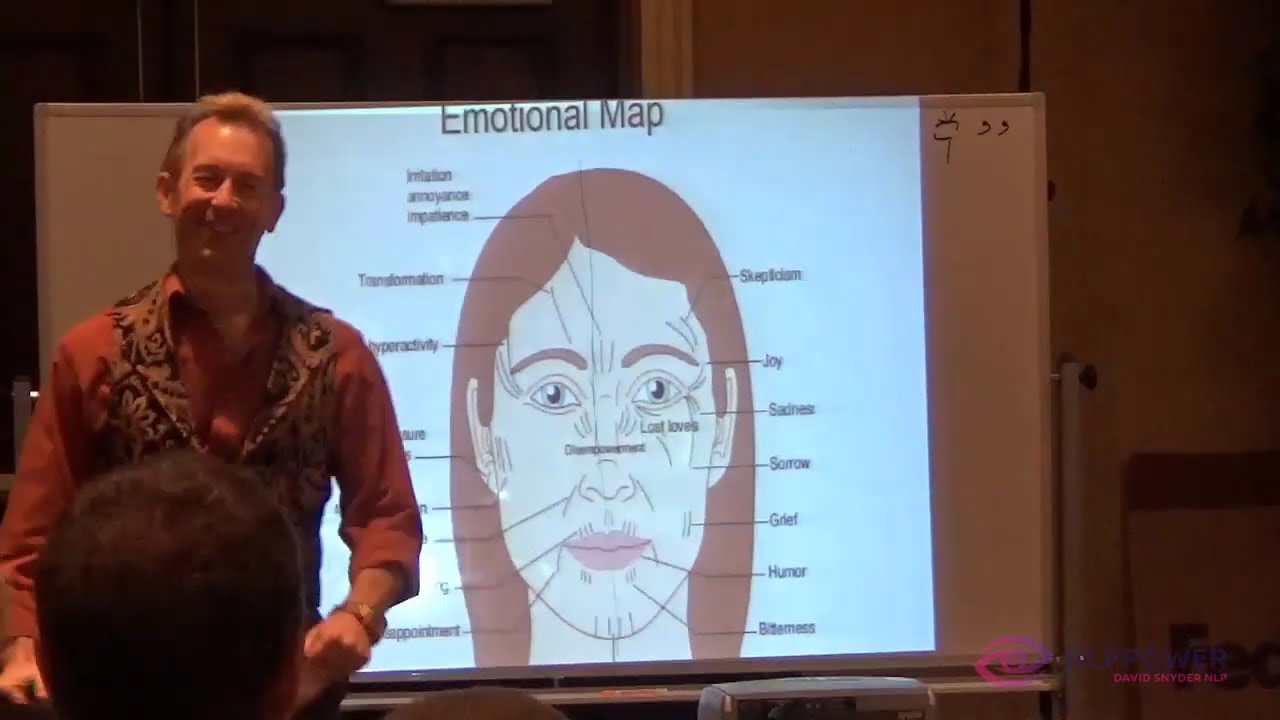
insights to share alternatively a person who is slouched with rounded shoulders and crossed arms might be experiencing defensiveness or a closed off attitude Some people might feel uneasy in certain situations or around certain people and they use their body language as a means of safeguarding themselves from possible threats or difficulties it's important to also consider facial expressions when it comes to body language the face is commonly known as the window to the soul and there's a good reason for that understanding the intricacies of our facial muscles allows Us to interpret a vast array of emotions
conveying through even the most subtle changes in expression take a genuine smile that reaches the eyes as a sign of happiness and warmth while a tight lipped smile or a smirk might indicate skepticism or even contempt in the same way certain facial expressions can convey different emotions for example a furrowed brow or a clenched jaw can suggest anger or frustration while raised eyebrows or widened eyes can Signal surprise or interest understanding facial cues allows us to better comprehend someone's genuine emotions and react appropriately another crucial aspect of body language is gestures which can offer valuable
insights into a person's thoughts and intentions one can gain valuable insights from observing how someone uses their hands and arms take for instance someone who uses expansive gestures like Spreading their arms wide or taking up a lot of space this beh Behavior usually indicates confidence and openness perhaps they are attempting to establish their Authority or emphasize their argument in contrast people who exhibit closed off gestures like crossing their arms or keeping their hands close to their body might be experiencing defensiveness or discomfort perhaps they are attempting to Shield themselves from perceived Dangers or sidestep involvement
in the discussion aside from these more obvious actions there are also numerous subtle gestures behaviors that can offer clues about someone's emotions take for instance a person who frequently fidgets or Twirls their hair this Behavior often indicates feelings of nervousness or anxiety perhaps they are attempting to find Comfort or divert their attention away from a distressing Circumstance in the same way when someone Taps their foot or drums their fingers it often indicates impatience or restlessness it often indicates impatience or restlessness some people may be eager to move on to the next topic or activity while
Others May find it challenging to maintain focus and attention eye contact is another crucial aspect of body language to keep in mind understanding how someone maintains eye contact can provide valuable Insights into their level of Engagement and interest in the conversation when someone maintains direct eye contact it shows that they are fully engaged and focused on the conversation perhaps their intention is to create a sense of familiarity or establish a bond with the other individual alternatively if someone is avoiding eye contact or frequently looking away it could indicate that they are Feeling uncomfortable or disengaged
perhaps they are attempting to steer clear of the discussion entirely or their attention may be diverted by other thoughts or worries it's worth mentioning that eye contact can differ significantly depending on cultural and situational factors eye contact can be interpreted differently across cultures some view it as a gesture of respect and engagement While others perceive it as aggressive Or confrontational similarly the amount and duration of eye contact can vary depending on the relationship between the people involved and the nature of the interaction being mindful of cultural and contextual differences is crucial as it helps you
adapt your eye contact appropriately it's important to also consider proximity and personal space when it comes to body language observing how someone positions Themselves in relation to others can offer valuable insights into their comfort and engagement for instance when someone stands or sits in close proximity to another person it could indicate a desire to establish a sense of intimacy or connection they might feel at ease with being physically close and could be attempting to foster a feeling of closeness or familiarity alternatively if someone is keeping a Considerable distance or constantly moving away they might be
feeling uneasy or threatened perhaps they are attempting to set limits or uphold their own personal boundaries considering the context in which body language is observed is also crucial non-verbal cues and responses can vary depending on the situ ation and environment for instance a person delivering a presentation to a large audience May display distinct body Language compared to when they are having a oneon-one conversation with a colleague in different situations people may display different non-verbal cues depending on the context for example someone in a high stakes negotiation or a tense confrontation May behave differently compared to
a casual social setting understanding a person's body language becomes clearer when we take into account the Context and specific Dynamics involved when it comes to observing body language it's important to pay attention to the consistency and congruence of the non-verbal cues being displayed typically people's body language aligns with their words and overall demeanor when someone's words don't align with their body language it could indicate that they're not being completely honest or Genuine take this scenario someone claims to be happy and Excited about a new project but their facial expressions and posture tell a different story
indicating anxiety or uncertainty in such cases it's worth delving deeper to uncover the true nature of their feelings alternatively when someone's body language consistently aligns with their words and overall demeanor it can indicate authenticity and sincerity when people are sincere and Honest their non-verbal cues typically match their verbal messages resulting in a sense of coherence and consistency building trust and establishing strong relationships is crucial in both personal and professional contexts it's important to keep in mind that body language may not always accurately reflect someone's genuine thoughts or emotions people have the ability to manage or
conceal their non-verbal signals especially when they Find themselves in important situations or when they want to convey a specific image or personality in addition certain people may have physical or neurological conditions that can impact their body language which may not always reflect their emotional state it's crucial to keep in mind these possible limitations and refrain from jumping to conclusions based solely on non-verbal cues although there are some limitations being able to understand and Interpret body language is still a valuable skill for navigating social and professional interactions we can better understand the people around us and
respond in more effective and appropriate Ways by paying attention to posture facial expressions gestures eye contact and other non-verbal cues understanding body language can greatly enhance our ability to connect with others whether it's building rapport with a new client resolving conflicts With colleagues or stren lening personal relationships it is a valuable skill that can help us achieve our goals and create more meaningful connections certainly honing this skill requires dedication and perseverance understanding this concept is a matter of being observant and attentive noticing small hints and patterns and approaching interactions with an open and curious mindset
understanding the impact of our Body language on others requires some self-awareness and self-reflection by paying attention to our non-verbal cues and striving to exude confidence warmth and engagement we can foster more positive and productive interactions with others in the end understanding body language is not about gaining an unfair advantage or manipulating others instead the focus is on gaining a more profound insight into the people in Our lives and utilizing that insight to enhance communication and Foster genuine connections to enhance Communications by adopting a compassionate and respectful approach along with a sincere intention to build connections
we can utilize our understanding of body language to enhance the quality of our interactions with others both in personal and professional settings lesson two use and notice eye Contact eye contact plays a fundamental role in capturing and sustaining attention and engagement during an interaction directly looking at another person during a conversation shows our presence and focus and encourages them to do the same building Rapport and establishing trust are greatly facilitated by this Mutual attention as it creates a sense of connection and shared experience on the other hand if we don't make eye contact Or keep
looking away it might give the impression that were not interested or engaged which can make the interaction less effective take eye contact for instance when someone keeps their gaze fixed and steady it can indicate confidence assertiveness or even aggression this type of eye contact can be especially powerful in situations where we want to establish Authority or dominance like during a negotiation or Public speaking alternatively if someone's eye contact is is brief or hesitant it could indicate uncertainty nervousness or even deception this kind of eye contact can raise concerns in situations where trust and openness are
crucial like in a job interview or a personal relationship eye contact can give valuable insights into someone's emotions and intentions based on how long and often they maintain it Typically people tend to maintain longer and more frequent eye contact when experiencing positive emotions like happiness interest or attraction eye contact can be a powerful tool for building connection and intimacy it helps create a sense of shared experience and understanding on the other hand when people experience negative emotions like anger fear or sadness they tend to avoid making eye contact or frequently look Away this Behavior helps
them create some distance from the situation or Shield themselves from feeling vulnerable it's worth mentioning that the significance and understanding of eye contact can differ greatly depending on cultural and situational factors in certain cultures like in several Asian countries extended eye contact may be perceived as disrespectful or aggressive especially when directed towards someone In a position of authority in these situations it might be better to opt for short occasional eye contact as a sign of respect and deference in certain professional settings like during a medical examination or a legal proceeding maintaining prolonged eye contact can
be considered inappropriate or invasive which can actually hinder the effectiveness of the interaction by doing so we can adapt our approach Accordingly understanding the various norms and expectations regarding eye contact in different situations is important it's also crucial to be aware of how our own eye contact can be interpreted by others additionally being aware of non-verbal cues like facial expressions and body language can enhance the understanding and context of the interaction for instance when we consciously avoid making eye contact or Frequently shift our gaze it could indicate that we are not at ease or not
fully engaged in the conversation when we pay attention to our eye contact and make sure to maintain it in a suitable and consistent manner we can convey confidence interest and engagement this can foster a connection and build trust with others it's also helpful to observe the specific patterns and characteristics of their eye contact take this scenario when someone Maintains strong unwavering eye contact while speaking it could indicate that they feel confident and assertive about what they're saying in contrast if someone is making quick fleeting eye contact or frequently averting their gaze it may indicate that
they are unsure or uneasy in the interaction a helpful tip for interpreting eye contact is to observe where the other person is looking and What they are focusing on typically when people are actively involved in a conversation they naturally keep their eyes on the person they are talking to specifically looking at their eyes or face on the other hand if someone is not paying attention or is easily distracted they might frequently shift their gaze or become fixated on other things or people in the room we can gain valuable insights into the other person's level of
Engagement and Interest in the conversation by simply paying attention to the direction and focus of their gaze as previously stated various forms of eye contact can express a wide array of emotions spanning from self assurance and attraction to hesitation and apprehension we can gain a deeper understanding of someone's emotional state and Intentions by paying attention to the specific qualities of their gaze such as the intensity duration and Frequency of the eye contact for instance when someone maintains intense eye contact and speaks passionately about a topic it could indicate that they are experiencing strong positive emotions
like excitement or enthusiasm in contrast when someone avoids making eye contact while discussing a sensitive or difficult topic it could indicate that they are feeling uneasy or vulnerable certainly eye contact may not always accurately reflect someone's Genuine thoughts or emotions just like any other non-verbal communication people have the ability to regulate or conceal their eye contact especially when they find themselves in important circumstances or when they wish to convey a specific impression or identity in addition certain people may experience physical or neurological conditions that can impact their ability to make eye contact which may not
always reflect their emotional state it's Crucial to keep in mind these possible limitations and refrain from jumping to conclusions solely based on eye contact although there are some limitations the skill of using and noticing eye contact is still valuable in Social and professional interactions we can better understand the people around us and respond more effectively and appropriately by observing eye contact including its presence patterns and emotional content understanding eye Contact can greatly enhance our ability to connect with others whether it's building rapport with a client resolving conflicts with colleagues or strengthening personal relationships it's a
valuable skill that can help us achieve our goals and create more meaningful connections to master this skill it's crucial to regularly practice observing and interpreting eye contact in different settings and Contexts we can improve our daily interactions both personal and professional by being more mindful of eye contact and considering its significance Additionally you can look for chances to improve your eye contact skills by practicing in various situations for example you can try maintaining stronger eye contact while speaking in public or using brief intermittent eye contact while listening to others through regular practice and Thoughtful reflection
we can improve our ability to use and understand eye contact enhancing our overall non-verbal communication skills to sum up eye contact is a significant aspect of non-verbal communication that greatly impacts our understanding of others understanding the import of eye contact can greatly enhance our communication skills and strengthen our connections with others in different situations understanding the Significance of eye contact can greatly enhance social and professional interactions fostering genuine connections and stronger relationships through consistent practice and thoughtful reflection we can improve our ability to use ey contact effectively by approaching interactions with empathy and respect we
can enhance our connection with others and make them more meaningful and fulfilling lesson three listen to tone Of voice having the knowledge about the tone of voice is crucial when it comes to reading people even though it is often overlooked the delivery of spoken words can reveal a lot about the speaker's emotions intentions and true feelings tone of voice encompasses different aspects of speech including pitch volume and intonation which convey meaning beyond the literal words by paying close attention to these vocal cues we can gain valuable insights into The thoughts of others and respond in
a more understanding and efficient way essentially tone of voice acts as an emotional barometer providing hints about a person's feelings in a particular moment the tone of someone's voice can convey different emotions a soft and gentle tone May indicate a calm and caring demeanor while a loud and harsh tone may suggest anger or frustration by being mindful of these emotional Undertones we can gain a deeper understanding of the underlying message and adjust our communication style accordingly for instance when we detect someone's anxiety or distress we may opt to communicate in a comforting and reassuring way
to help them feel more calm and relaxed pitch is an important aspect of tone of voice as it determines the highness or lowness of a person's voice typically a Higher pitch is linked to feelings of excitement enthusiasm or nervousness while a lower pitch can indicate Authority confidence or seriousness we can detect shifts in emotional state or emphasis on certain words or ideas by listening for changes in pitch for example if someone's pitch Rises sharply when discussing a particular topic it could suggest that they have a strong passion or deep interest in that subject volume is
another crucial factor In tone determining the loudness or softness of a person's speech volume levels can convey different emotions and attitudes a louder volume can suggest confidence assertiveness or even anger while a softer volume May indicate shyness uncertainty or a desire for privacy we can determine the intensity of someone's emotions by observing their volume and adjust our response accordingly for instance if someone is speaking softly it could indicate that They are feeling vulnerable or uncomfortable in such cases it's important to approach the conversation with extra sensitivity and Care the pitch variations in a person's voice
can communicate various emotions and attitudes such as curiosity doubt or skepticism by paying close attention to these vocal patterns we can pick up on subtle nuances and communication that might otherwise go unnoticed for example When someone's voice Rises at the end of a statement it could mean that they are actually asking a question or seeking confirmation tone can vary depending on the context and what may be appropriate in one situation may not be in another take cultures for instance in some speaking loudly and quickly is seen as engaged and enthusiastic but in others it can
be seen as aggressive or disrespectful we should keep in mind these cultural Differences and adapt our communication style accordingly people's speaking Styles can vary some may be more animated or expressive While others may have a more reserved tone as we spend more time with someone we become more familiar with their distinct vocal patterns allowing us to better understand their tone nevertheless it's crucial to avoid jumping to conclusions solely based on tone as there could be other variables Involved like stress fatigue or underlying health problems for instance a joke shared among friends can have a light-hearted
and playful tone but when told in a professional setting it may be seen as inappropriate or offensive understanding the bigger picture of a conversation ation helps us grasp the intended meaning and respond appropriately building raport and establishing trust with others can be achieved through the effective use of Tone of voice when we adjust our tone to match the person we're talking to we can establish a sense of Harmony and connection that goes beyond just words we can make some adjustments to our pitch volume or intonation to match the other person's style or adopt a warm
and friendly tone to help them feel more comfortable by demonstrating active listening and a genuine understanding of their needs we can establish a solid basis for effective communication and Collaboration it's important to be mindful of our tone as it can impact trust and Report even when our intentions are good by adopting a Mindful and intentional approach to our communication style we can ensure that our message is clear respectful and effective it's important to practice active listening take time to reflect before responding and be willing to adjust our tone as needed to meet the needs of
the Situation another important aspect of interpreting tone of voice is to pay attention to any inconsistencies or discrepancies between the words being spoken and the way they are being spoken at times people may Express one idea through their words but their tone can reveal a completely different narrative take this scenario when asked how they're doing someone might respond with I'm fine however their flat monotone voice might indicate That they're actually feeling the opposite by being mindful of these subtle inconsistencies we can develop a clearer grasp of a person's genuine emotions and motives ambiguity and uncertainty
are always present in the process it's crucial to avoid making Hasty judgments or assumptions based solely on on vocal cues instead it's best to consider tone as just one part of a bigger picture that includes body Language facial expressions and the overall context of the conversation by adopting a comprehensive approach to communication we can gain a deeper and more precise understanding of others and respond in a manner that is both effective and empathetic not only does understanding tone of voice help us in our personal relationships but it also has practical uses in various professional environments
take This scenario sales people who have a knack for interpreting vocal cues can effectively assess a customer's level of Interest or hesitation and adapt their approach accordingly in the same way managers who are sensitive to the emotional cues in their team members voices can more effectively offer assistance direction or input when necessary by developing the ability to not only Hear the words being said but also to pay attention to how they are expressed we can enhance our comprehension of the thoughts emotions and intentions of the people in our lives in both personal and professional settings
being more aware can improve our communication strengthen relationships and make navigating human interactions easier and more graceful to summarize the tone of voice can be a valuable tool in deciphering people's True intentions and comprehending the underlying message they convey by developing the ability to detect subtle changes in Pitch volume intonation and other vocal cues we can gain valuable understanding of the emotions and intentions of others understanding tone of voice can be a complex task influenced by various factors such as cultural differences personal traits and situational context however with practice and Attentive observation one can gradually
develop this skill communication becomes more effective when we adopt a compassionate and understanding approach this helps us develop stronger relationships build trust and navigate the intricacies of human interaction with ease and self assurance in the end being able to understand people through through their tone of voice is not only a valuable skill but a crucial part of Effective communication and building relationships Lesson Four look for micro Expressions we often Overlook the less obvious ways of communication like micro Expressions which can give us valuable insights into a person's true thoughts and emotions understanding the meaning behind
these brief unconscious facial expressions can provide value insights into a person's true emotions even when they are attempting to hide them understanding micro Expressions can help Us better connect with others and respond in a more compassionate and efficient way micro expressions are short facial movements that happen automatically when we experience emotions these Expressions usually only last for a very short time so they can be challenging to notice without the right training and focus nevertheless they are considered to be a language of emotion that can be understood by people from different cultures and languages Learning to
read micro Expressions has a significant advantage in detecting deception if someone is being dishonest or trying to hide their true emotions they might unintentionally reveal their genuine feelings through micro expressions for instance if someone is pretending to be happy they might briefly display a look of contempt or disgust which gives away their true feelings in the same way a person attempting to conceal their anger might Briefly frown or tighten their jaw by closely observing these subtle facial cues we can detect discrepancies between what someone says and how they truly feel and react accordingly not only
can reading micro Expressions help us detect deception but it can also enhance our ability to form stronger and more empathetic connection with others understanding and empathizing with the emotions of others allows us to respond with compassion and Support for instance if we observe a fleeting display of sadness or fear on a colleague's face during a meeting we might decide to approach them later and provide a sympathetic ear or words of support by demonstrating empathy towards their emotional needs we can cultivate a stronger Bond and Trust even without explicit communication in order to become proficient in
Reading micro Expressions it is crucial to foster a heightened level of awareness And a keen eye for detail it's important to carefully observe others paying close attention to the subtle movements of their facial muscles practicing this skill in everyday interactions like conversations with friends family members or co-workers can be really helpful we can start training our brains to recognize subtle cues by actively observing fleeting Expressions remember that micro Expressions are just one part of understanding others they should be considered along with words tone of voice and Body Language furthermore it's important to consider other factors
like cultural differences or individual variations in emotional expression before jumping to conclusions based solely on micro Expressions it's important to consider the context in which micro Expressions occur when reading them facial movements Can convey various meanings depending on the context and the person expressing them take a raised eyebrow for instance it can convey surprise skepticism or even flirtation depending on the situation by looking at the bigger picture and considering other contextual cues we can gain a more detailed and precise understanding of what a micro expression might be communicating it's worth noting that micro Expressions can
vary in how they Are displayed and the extent to which they are shown by different people people vary in their level of emotional expression some are more open While others have developed ways to hide their emotions in addition some mental health conditions or neurological differences can affect how a person expresses or understands emotions through facial expressions by understanding and embracing the unique differences among people we can approach every interaction With an open mind and genuine curiosity this allows us to avoid making assumptions and instead focus on truly understanding each person on their own terms instead
let's focus on utilizing our knowledge of micro Expressions to promote empathy connection and mutual understanding building stronger and more authentic relationships is possible when we approach others with compassion and respect fostering trust and genuine Communic iation furthermore mastering the skill of reading micro Expressions can prove highly valuable in numerous professional environments in addition to its interpersonal advantages for instance therapists and counselors who have expertise in detecting micro Expressions may be more capable of identifying and addressing underlying emotional issues in their clients in the same way people who have received training in micro expression recognition Can
be more successful in detecting deception or identifying potential threats which can be quite beneficial for law enforcement and security Personnel in the business world leaders who are aware of their team members emotions can effectively support guide and motivate them resulting in higher productivity and job satisfaction nevertheless it's crucial to keep in mind that interpreting micro Expressions isn't a cure all for every Communication obstacle it's crucial to approach every human interaction with humility and an open mind as there will always be some level of ambiguity and uncertainty it is important to consider the ethical implications of
utilizing this knowledge and ensure that we apply our insights in a manner that is considerate empathetic and beneficial to society as a whole lesson five assess the congruence between words and non-verbal cues communication goes Beyond just speaking when it comes to human interaction in order to effectively connect with others and establish genuine relationships it is crucial to master the ability to evaluate the alignment between what someone says and how they express themselves non-verbally we can gain valuable insights into someone's genuine thoughts feelings and Intentions by paying attention to the harmony Discord between what they say
And their body language facial expressions and tone of voice having the skill to interpret unspoken messages is incredibly valuable when it comes to navigating social interactions establishing trust and cultivating genuine relationships assessing congruence is all about observing how well verbal and non-verbal communication align with each other when someone's words and non-verbal cues align it indicates their Sincerity and openness in communication for instance when a friend is genuinely excited about an upcoming event their face lights up with a sincere smile and their body language reinforces the authenticity of their words when verbal and non-verbal communication align
it builds trust and credibility fostering stronger connections between people yet if someone's words don't align with their non-verbal cues it suggests there might be additional information beyond What they're saying this inconsistency referred to as inconsistency referred to as in congruence may lead to questioning the speaker's truthfulness or sincerity for example if a colleague seems to be putting on a happy face about a Project's progress but their voice lacks enthusiasm and their posture appears tense it could indicate that they are hiding their true feeling of dissatisfaction or concern by Acknowledging these inconsistencies we can delve deeper
ask for clarification and uncover any underlying issues that might be impacting the interaction considering congruence also involves taking into account the tone of voice understanding someone's emotional state and the true meaning behind their words can be gleaned from the way they speak such as their pitch volume and intonation if there is a discrepancy Between what someone says and how they say it it may indicate a lack of Harmony and warrant further Examination for instance when a manager compliments an employes work but their tone lacks enthusiasm and appears flat it could suggest a lack of genuine
appreciation or an underlying issue that requires attention we can easily detect these inconsistancies by paying attention to the subtle changes in tone and adjust our response accordingly It's worth mentioning that evaluating congruence isn't a precise science and calls for a subtle approach there can be several reasons why someone's words and non-verbal cues may not match up completely parent in congruence can arise from cultural differences personal communication Styles and individual quirks it's important to keep an open mind and not make assumptions based only on non-verbal cues instead View the observation of in congruence as an Opportunity
to delve deeper inquire and seek clarification by establishing a welcoming and accepting environment we can encourage open dialogue and address any misunderstandings furthermore it's important to understand that evaluating congruence works both ways it's important to remember that people are just as aware of our non-verbal cues as we are of theirs building trust and Credibility in our interactions is possible by being self-aware and ensuring our words and non-verbal communication align when our verbal and non-verbal messages align it sends a strong signal of genuiness and honesty which encourages others to respond in a similar manner when we
communicate in a way that is clear and straightforward we create an environment that Fosters deeper and more authentic connections the aim is to promote Genuine communication and enhance comprehension rather than to expose falsehoods or contradictions by approaching interactions with empathy respect and a genuine desire to connect we can harness the power of assessing congruence to build strong trusting relationships in today's complex and interconnected World being able to understand and interpret non-verbal cues is crucial for effective communication And forming genuine Relationships by being mindful of how words actions align we can better grasp the genuine thoughts
emotions and motives of others by grasping this concept we can then respond with more empathy authenticity and Effectiveness which helps to build stronger and more trusting relationships nevertheless it is crucial to approach the task of evaluating congruence with a humble attitude Showing respect and maintaining a dedication to continuous learning we should refrain from making quick judgments or assumptions about someone solely based on their non-verbal cues as each person is unique and has many different aspects to their personality instead let's utilize our observations as a foundation for further exploration dialogue and comprehension by fostering an environment
that encourages open and Non-judgmental communication we can better navigate the complexities of human interaction with increased wisdom and compassion ultimately being able to accurately interpret and align verbal and non-verbal signals is a valuable skill that helps us better understand and connect with others understanding the subtle dynamics of verbal and non-verbal communication allows us to gain valuable insights into Others thoughts and feelings fostering stronger and more authentic relationships and enhancing our overall communication Effectiveness as we work on improving this skill let's approach each interaction with an open mind a compassionate heart and a dedication to creating
a more connected and empathetic world lesson six observe how they interact with others through observing people's interactions with others we can gain a better grasp of their Communication Styles emotional intelligence and interpersonal skills being able to understand people based on their social interactions is a valuable skill that can help in building stronger connections navigating relationships and creating more harmonious and productive environments the foundation of understanding how people engage with others lies in the idea of social awareness understanding human Interaction requires paying attention to subtle cues non-verbal communication and emotional undercurrents by closely observing how people
interact with others we can develop a deeper understanding of their social ability difficulties and the roles they assume in different situations understanding people's character and the Dynamics of their relationships can be incredibly valuable In various contexts such as personal relationships professional settings or casual encounters communication Styles can vary among people with some being more assertive and Direct in expressing their thoughts and opinions some people may have a tendency to be less assertive or indirect opting to steer clear of conflicts and valuing Harmony over individual self-expression through observing how people interact With others we can gain
valuable insights into their self- Assurance communication skills and conflict resolution strategies having this understanding can assist us in adjusting our communication styles to effectively connect with and comprehend others people who possess High emotional intelligence have a knack for understanding and responding to the emotions of others they excel at Handling intricate social scenarios with empathy and diplomacy by studying how people react to the emotions of others we can gain valuable insights into their emotional awareness and their capacity to Foster positive and supportive relationships take this scenario when a person actively listens validates and Comforts a distressed
friend it shows that they possess a strong sense of emotional intelligence and interpersonal Sensitivity there are people who possess a natural ability to be warm friendly and inclusive making a genuine effort to ensure others feel welcomed and valued some people may have a preference for smaller Social Circles and deeper more intimate connections by studying how people interact with others in various situations and relationships we can develop a better understanding of their social preference Es interpersonal strengths and the values that shape their interactions this understanding can assist us in developing stronger more genuine connections and establishing
social environments that better reflect our values and needs observing how people interact with others in professional settings can offer valuable insights into their leadership skills teamwork abilities and conflict resolution strategies leaders Who can inspire motivate and guide others with empathy and Clarity tend to create collaborative and productive work environments by observing how managers and colleagues interact with their teams we can develop a clear understanding of their leadership styles communication approaches and skill in navigating complex group dynamics this understanding can assist us in recognizing successful approaches for collaboration fostering stronger Professional connections and promoting a more
POS positive and unified work environment instead it's about developing a more profound grasp and admiration for the various ways people connect and communicate by adopting a mindset of curiosity openness and empathy we can gain valuable insights into the strengths challenges and perspectives that each person brings to their relationships this knowledge can assist Us in constructing Bridges cultivating deeper connections and establishing social environments that are more inclusive supportive and collaborative in order to become proficient at reading people through their social interactions it is crucial to engage in active listening and observation it's important to be fully
present and engaged in social situations paying attention to both verbal and non-verbal cues and seeking to Understand rather than judge or assume through the use of open-ended questions genuine curiosity in others viewpoints and the establishment of a welcoming and non-critical environment we can foster more genuine and insightful conversations with practice and self-reflection we can improve our understanding of social dynamics and become more insightful empathetic and effective in our Responses considering the cultural and contextual factors that shape social interactions is crucial communication Styles social hierarchies and interpersonal boundaries can vary across different cultures by recognizing and
appreciating cultural differences and making an effort to understand the social contexts in which people live we can prevent misunderstandings and Foster more culturally sensitive and respectful relationships this involves a continuous Dedication to learning adjusting and embracing diversity in all its various aspects in various social situations there can be underlying Norms anticipated behaviors and unequal power dynamics that impact how people interact and connect with each other by understanding these underlying Dynamics we can develop a more nuanced comprehension of the social forces at play and navigate these complexities with heightened awareness and skill this May require identifying
and questioning patterns of power exclusion or marginalization and striving to establish fair and inclusive social settings through self-reflection on our interactions with others we can gain valuable insights into our communication Styles emotional intelligence and interpersonal strengths and weaknesses being self-aware allows us to recognize areas where we can improve and grow build more genuine and satisfying Connections with others and ensure that that our social interactions align with our values and objectives through adopting a growth mindset and dedicating ourselves to continuous learning and self-exploration we can consistently enhance our social and emotional abilities and Forge deeper connections
with those around us it's important to keep in mind that understanding people through their social interactions isn't an exact science it requires being Humble and adaptable understanding each person person requires recognizing the intricate interplay of their experiences beliefs and personality traits by adopting a mindset of openness and curiosity we can steer clear of oversimplifying or reducing assumptions and instead strive to grasp the complexity and variety of Human Experience this involves being open to listening Attentively refraining from making quick judgments and accepting the inherent intricacies and uncertainties of social dynamics in today's interconnected and diverse World
understanding people through their social interactions is crucial by developing the skill we can build connections promote better comprehension and teamwork and establish inclusive helpful and satisfying social settings for everyone we need to come together with empathy curiosity and Respect and be open to questioning our own assumptions and biases let's embrace the richness and complexity of human connection ultimately studying human interactions provides valuable insights into people's personalities values and social dynamics understanding the subtle cues and undercurrents that shape social interactions allows us to form genuine connections navigate relationships more Effectively and contribute to a compassionate and
inclusive world this involves consistently reflecting on self acquiring knowledge and developing while also being open to the diverse and intricate nature of human experiences let's focus on developing this skill and approach social interactions with empathy curiosity and respect together we can create a more connected understanding and fulfilling world for Everyone lesson seven try to put yourself in the other person's point of view by taking a different Viewpoint and trying to understand how others see the world we can learn a lot about their thoughts emotions and reasons behind their actions mastering the art of perspective taking
is crucial for effectively understanding others by going Beyond superficial observations we can delve into the profound depths of Human Experience understanding someone else's perspective requires a genuine openness to let go of your own assumptions biases and preconceived not tions understanding others involves being open-minded and genuinely interested in their thoughts and emotions by adopting an open and non-judgmental mindset we can foster genuine connections and mutual understanding understanding and Empathizing with others experiences challenges and aspirations helps us build bridges of compassion and Foster harmonious relationships active listening is an important aspect of understanding someone else's perspective it's
important to be fully present and engaged in the conversation not just focusing on the words being spoken but also understanding the underling emotions values and needs Behind them we can foster more genuine and revealing communication by asking open-ended questions offering validation and support and showing sincere interest in the other person's perspective this Fosters a welcoming environment where people can freely Express their thoughts and emotions enabling us to better grasp their distinct experiences and difficulties when we come across perspectives or actions that differ from our own it's common to slip into Patterns of judgment defensiveness or
reactivity nevertheless through developing self-awareness and emotional regulation we can acquire the ability to handle these situations with more calmness and empathy it's important to recognize our own own biases and limitations and also make an effort to understand the fears hopes and values that influence the other person's perspective through the practice of empathy and Self-reflection we can develop genuine and productive connections even when faced with disagreement or conflict our understanding of others is often influenced by our personal experiences cultural backgrounds and social conditioning through actively seeking diverse perspectives and engaging in self-reflection we can broaden our
understanding of the world and cultivate a more comprehensive and inclusive worldview it's important to be Receptive to Fresh ideas experiences and different ways of thinking while also acknowledging the limitations and biases that come with our own perspectives through embracing a growth mindset and a dedication to lifelong learning we can consistently enhance our capacity to comprehend and establish connections with others there are various ways to put yourself in someone else's shoes in real life one way to approach this is by Putting yourself in their shoes and taking into account the specific pressures challenges and opportunities they
encounter it's important to ask questions and seek clarification instead of making assumptions or rushing to judgment it might require acknowledging and validating their emotions even if you don't completely comprehend or agree with them when we approach interactions with curiosity empathy and respect we can foster more meaningful and Productive connections whether in our personal or professional lives reflective listening is a powerful tool that helps cultivate perspective taking paraphrasing and mirroring back the main points and emotions expressed by the other person is important it shows that you have listened and comprehended their perspective using phrases such as
it seems like you're experiencing or from what I understand can help establish a sense of validation And connection while also allowing us to confirm our comprehension and avoid making assumptions reflective listening is incredibly useful in situations of conflict or misunderstanding it helps to calm emotions and establish a common ground for problem solving and collaboration in in any relationship or social situation there are often Unwritten rules expectations and power dynamics that affect how people Communicate and interact with each other we can navigate these complexities with greater awareness and skill by understanding the underlying Dynamics and their
impact on the other person's perspective this may require identifying and questioning patterns of power exclusion or marginalization and striving to establish fair and inclusive environments for open communication and connection it's worth noting that Understanding someone else's perspective can be challenging and uncomfortable at times understanding this may involve acknowledging our own biases limitations and areas of privilege and grappling with the complexity and ambiguity of human experience it may require facing challenging emotions like guilt shame or defensiveness and developing a deeper understanding and kindness towards oneself embracing perspective taking can help us develop empathy resilience and Connection
with ourselves and others in today's interconnected and diverse world the ability to understand different perspectives is crucial understanding and empathizing with the experiences of others can help us Bridge divides Foster collaboration and Innovation and create more just and compassionate communities this NE necessitates being open to questioning our own assumptions and biases participating in challenging discussions And striving for a world that is fair and inclusive for everyone as we go through the intricacies of human interaction it's important to keep in mind that every person we meet is a distinct individual with a variety of experiences beliefs
and identities by approaching these interactions with a compassionate and inquisitive mindset we can embrace the vast array of human experiences and Foster genuine and Significant connections regardless of our differences mastering the art of perspective taking calls for a continuous dedication to learning personal development and introspection one way to make things easier to understand is by considering different perspectives and engaging in open dialogue it's also helpful to actively listen and communicate reflectively it can also include Enhancing our self-awareness and emotional intelligence becoming more aware of and managing our biases and reactions and fostering a more compassionate
and inclusive perspective in the end being able to see things from someone else's perspective is not only useful for understanding others but also essential for creating a fairer and more empathetic Society through a genuine effort to comprehend and relate to the experiences of others We can build communities that are more inclusive and fair this will encourage greater collaboration and Innovation while also harnessing the profound impact of human connection ultimately adopting a different perspective is an essential skill for accurately interpreting others and fostering meaningful connections despite our differences when we make an effort to truly understand
and relate to the Experiences challenges and perspectives of others it helps us develop more empathy compassion and collaboration in all aspects of life this involves a continuous dedication a humble attitude an introspection along with a Readiness to participate in challenging discussions and question our own beliefs and prejudices let's approach each interaction with an open heart and a curious mind working towards a more just And compassionate world for all lesson 8 understand the psychology of belief grasping the psychology of belief is a vital aspect of effectively reading people our beliefs have a significant impact on how
we see and interact with the world exploring the fundamental processes that shape and sustain beliefs can provide us with valuable insights into the thoughts and feelings of others leading to Greater understanding empathy And connection this knowledge enables us to navigate intricate social interactions with enhanced expertise Foster stronger relationships and communicate more effectively across a wide range of perspectives the psychology of belief is based on the basic human desire for certainty meaning and belonging beliefs offer a sense of structure coherence and stability in a world that can often be complex Ambiguous and unpredictable they assist us
in understanding our experiences influencing our choices and navigating the social landscape by grasping the psychological functions that beliefs serve we can adopt a more compassionate and nuanced approach to understanding people this allows us to recognize the underlying motivations and fears that shape their World Views a crucial element in understanding the psychology of belief is how cognitive biases influence our perceptions and judgments cognitive biases are mental shortcuts or heris discs that our brains use to process information quickly and efficiently sometimes sacrificing accuracy or objectivity in the process biases can cause us to gravitate towards information that
aligns with our beliefs Overlook evidence that challenges them And interpret uncertain situations in ways that support our preconceived notions understanding common cognitive biases like confirmation bias anchoring bias anding bias and availability bias can help us become more self-aware and improve our ability to understand and empathize with others our beliefs are influenced by the Norms values and expectations of the communities and societies we are a part Of by grasping the cultural Frameworks that influence how people see the world we can develop a greater understanding and respect for the rich tapestry of human experiences this entails understanding
how various factors such as race ethnicity gender religion and socioeconomic status combine to form distinct patterns of belief and behavior by adopting a mindset of cultural humility and a genuine desire to learn We can create connections that promote understanding and cultivate relationship that are inclusive and fair understanding the psychology of belief also emphasizes how emotions play a significant role in shaping our perceptions and judgments our beliefs are not solely based on reason or logic but are closely connected to our emotional experiences and needs our emotions like fear anger joy and sadness have a strong impact
on how we perceive And react to the world sometimes they can even override logical or evidence based thinking understanding the emotional factors that influence beliefs helps us cultivate empathy and emotional intelligence this enables us to better understand people and respond to them with sensitivity and skill practically speaking grasping the psychology of belief involves being open to seeing Things from different perspectives and actively listening it's important to put aside our own assumptions and biases and biases and make an effort to understand the different experiences values and motivations that shape someone's worldview creating a safe and non-judgmental
space for authentic dialogue and mutual understanding involves asking open-ended questions providing validation and support and Demonstrating genuine curiosity and interest this method enables us us to gain a deeper and more accurate understanding of people fostering trust and connection even in challenging situations cognitive dissonance is the discomfort we feel when our beliefs values or behaviors don't match up in order to alleviate this discomfort we frequently employ different tactics like justifying our actions downplaying the significance of conflicting information Or seeking social support for our beliefs understanding the Dynamics of cognitive dissonance can help us develop self-awareness and
flexibility this in turn enables us to read people more accurately and respond with empathy and skill our beliefs are frequently shaped by compelling personal and cultural stories that provide significance and structure to our lives these narratives have the power to Influence our self perception our interactions with others and our aspirations for the future understand in the stories that influence someone's beliefs helps us grasp their unique perspectives and experiences making it easier to communicate across differences when it comes to understanding different beliefs it's crucial to approach interactions with humility empathy and a genuine desire to learn
it's important to acknowledge the Limitations and biases of our own perspectives and be receptive to new ideas and different ways of looking at things it also requ s considering the influence of power dynamics and social hierarchies on beliefs and striving to establish fair and inclusive environments for communication and connection through fostering a mindset of growth and embracing a lifelong dedication to learning we have the ability to consistently broaden our Comprehension of the psychology of belief and its impact on human interaction practically speaking developing this understanding involves regularly reflecting AC ing on oneself having conversations and
being open to different viewpoints and experiences one way to approach this is by exploring a variety of sources thinking critically and actively listening and considering different perspectives additionally it could include enhancing emotional Intelligence and self-awareness becoming Adept at identifying and managing personal biases and reactions and fostering a mindset that is more receptive and inclusive in our rapidly changing world it is crucial to grasp the psychology of belief through a genuine effort to grasp and relate to the perspectives of others we can establish connections encourage teamwork and creativity and cultivate fair and caring communities this Necessitates
being open to questioning our own assumptions and biases participating in challenging discussions and striving for a fair and inclusive world for everyone ultimately grasping the psychology of belief is crucial for effectively reading people and fostering meaningful connections despite differences understanding the cognitive emotional and social factors that influence beliefs allows us to improve Our interactions with others promoting empathy collaboration and deeper understanding this necessitates continuous introspection modesty and a dedication to lifelong education along with a Readiness to interact with a wide range of viewpoints and experiences let's embrace the challenges of belief in our interconnected World
approaching each interaction with an open mind and heart and striving for a more just and compassionate future for Everyone exploring the inner workings that influence our beliefs provides valuable understanding of the human mind and how we create meaning identity and purpose this knowledge is crucial for effectively understanding others and successfully navigating the complexities of our diverse World in our pursuit of creating a fair equal and empathetic Society having knowledge about the psychology of belief can greatly Aid in Promoting open discussions cooperation and empathy through a genuine effort to grasp and relate to the perspectives of
others we can unite question assumptions and drive for common objectives and principles this involves being open to having challenging discussions acknowledging our own biases and limitations and developing a mindset that is more inclusive and receptive in the end the psychology of Belief serves as a reminder of the intricate and varied nature of Human Experience beliefs are influenced by a variety of factors including cognition emotions and social experiences which make each person's perspective unique by embracing a mindset of curiosity empathy and respect we can harness the transformative power of human connection to create a more just
compassionate and inclusive world lesson nine trust your intuition especially when something Feels off our ability to read people and navigate complex social situations is greatly influenced by intuition which is often described as a gut feeling or sixth sense intuition is based on the incredible processing power of our subconscious mind it can analyze large amounts of information identify patterns and pick up on subtle cues that we may not consciously notice by developing a strong sense of intuition and paying attention to our instincts we can Improve our ability to understand people and make better choices in our
interactions intuition is a type of quick unconscious thinking that relies on what we we've learned experienced and observed we are able to make quick judgments and assessments with limited information even if we can't always explain the exact reasons behind our feelings when it comes to understanding people intuition can show up as a feeling of unease suspicion or Discomfort this happens when someone's words actions or demeanor don't seem consistent sincere or potentially harmful trusting our intuition I Has A major advantage it enables us to swiftly and effectively recognize and handle potential threats or deception surpassing the
capabilities of conscious reasoning alone non-verbal cues like facial expressions body language and tone of voice can provide valuable Insights into a person's true intentions emotions and motivations our subconscious mind is particularly sensitive to these cues by being mindful of these subtle cues and the instinctive emotions they elicit we can identify potential concerns and cautionary indications that might otherwise Escape our notice let's say you're in a business meeting with a potential partner who appears Charming confident and Enthusiastic about working together however despite their outward appearance there is a sense of unease maybe their smile appears forced
their eye contact is evasive or their body language seems tense and guarded these subtle cues which your intuition can detect May indicate that the person is not completely honest or open about their intentions this should make you more cautious and Discerning when dealing with the Situation it's worth noting that intuition isn't foolproof and can be swayed by our personal biases fears and past experiences understanding the limitations of gut feelings is important as relying solely on intuition can result in misunderstandings and missed opportunities in order to effectively utilize intuition when reading people it is crucial to
combine it with rational analysis open-minded inquiry and a Willingness to question our own assumptions through this type of reflective inquiry we can develop a deeper comprehension of our intuitive responses and make well-informed decisions on how to proceed there are times when our intuition can be incredibly accurate helping us identify real threats or deceptions that need to be addressed right away sometimes our gut feelings can be a bit unclear or uncertain Prompting us to gather additional information ask questions for clarification or seek input from others before making final judgments it's crucial to understand that relying solely
on intuition is not enough clear communication Mutual understanding and respectful dialogue are essential it's important to consider others input and consent before making judgments or decisions based solely on our gut feelings it's important to find A good balance between trusting your instincts and being understanding curious and open to having honest conversations in any relationship or interaction in addition relying on intuition necessitates having faith in ourselves and being confident in our own observations and decisions most people have been taught to question or ignore their gut instincts particularly when they go against outside influences societal expectations Or
cultural norms developing trust in ourselves and our intuition can be a rewarding Journey that demands dedication perseverance and a willingness to explore and evolve keeping a journal or record of our intuitive experiences and their outcomes can be a helpful method for developing self- trust but keeping track of instances where our instincts were right or wrong we can develop a better understanding of our own intuitive Abilities with consistent self-reflection we can improve our intuition and become more skilled at accurately understanding people and situations acting on intuition is crucial even when faced with uncertainty or resistance it
is crucial to listen to our instincts and take necessary steps to ensure our safety and the safety of others when we sense something is wrong or unsafe one possible approach is to establish clear Boundaries consider seeking external Assistance or potentially terminating a relationship or interaction altogether although these actions May pose challenges or discomfort they are frequently essential for our personal well-being and moral principles trusting your intuition can be a powerful way to empower yourself in a world world that values external validation logical reasoning and data driven decisionmaking it just takes a Willingness to step outside
of our comfort zones challenge norms and expectations and honor our own inner intelligence and knowing developing self-trust and inner guidance allows us to become more resilent adaptable and in tune with the world around us this helps us navigate the complexities and uncertainties of human interaction action more effectively final lesson read anyone instantly during this journey you have Gained the ability to analyze body language pay attention to eye contact listen for tone of voice and identify micro Expressions you've also realized the significance of evaluating how words align with non-verbal cues observing interpersonal interactions and empathizing with
others in addition you now have a better understanding of how belief works and the importance of listening to your intuition particularly when something Doesn't seem right keep in mind that becoming skilled at reading people takes ongoing practice and Improvement as you progress remember to utilize these techniques in your everyday interactions whether it be in personal relationships or professional environments as you gain more experience you'll become better at understanding others and handling complex social situations effortlessly at times your Interpretations may be influenced by your own biases or misperceptions it's important to stay receptive to learning from
your experiences and be ready to adapt your approach when needed as you progress in your personal growth and social skills always keep in mind that the true objective is not just to analyze others but to cultivate a genuine understanding empathy and connection you have the ability to make A positive impact in your life and the lives of others by using your skills in understanding people and being committed to personal Integrity kindness and respect