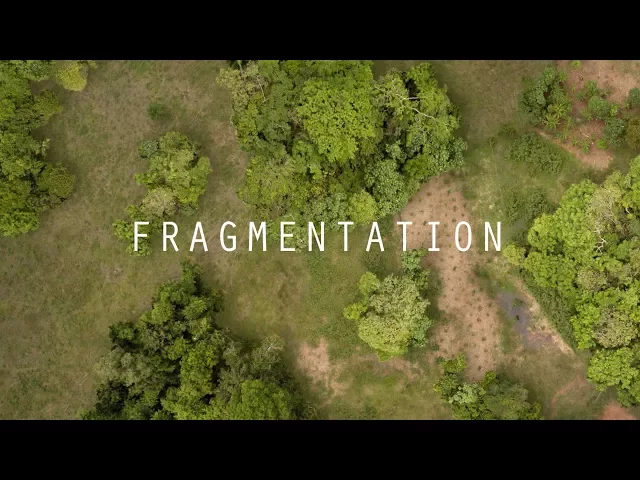
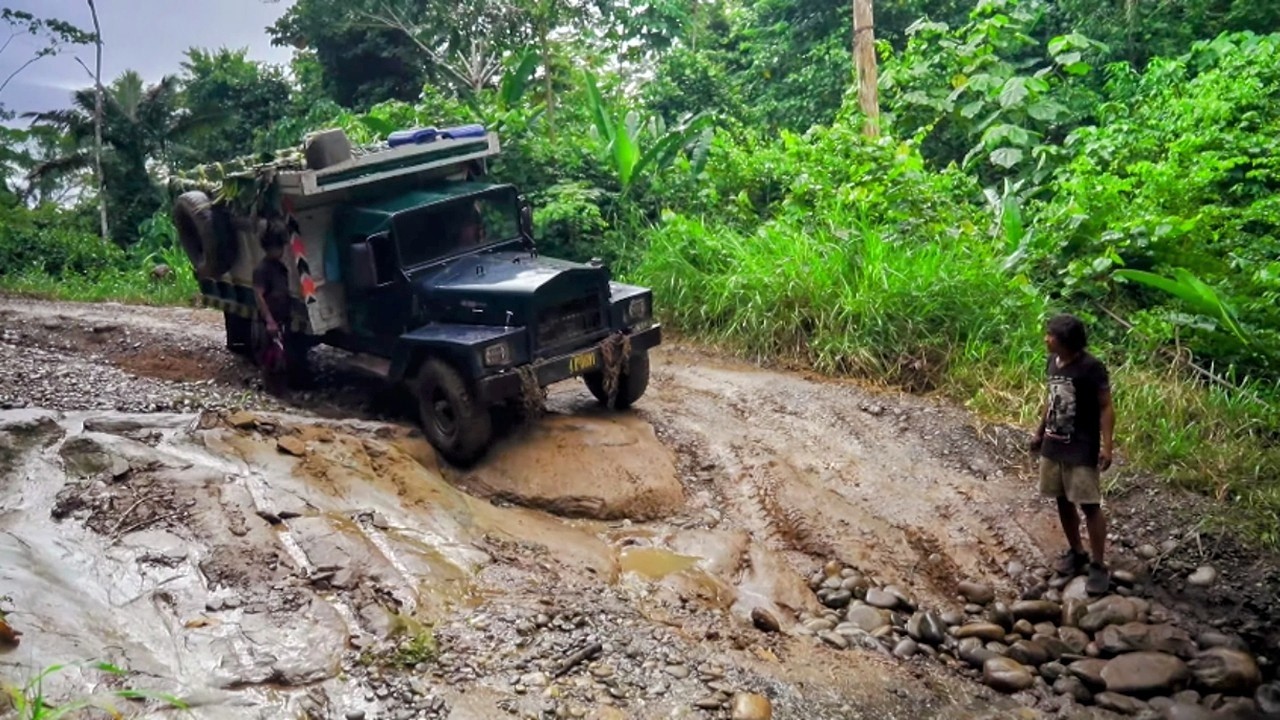
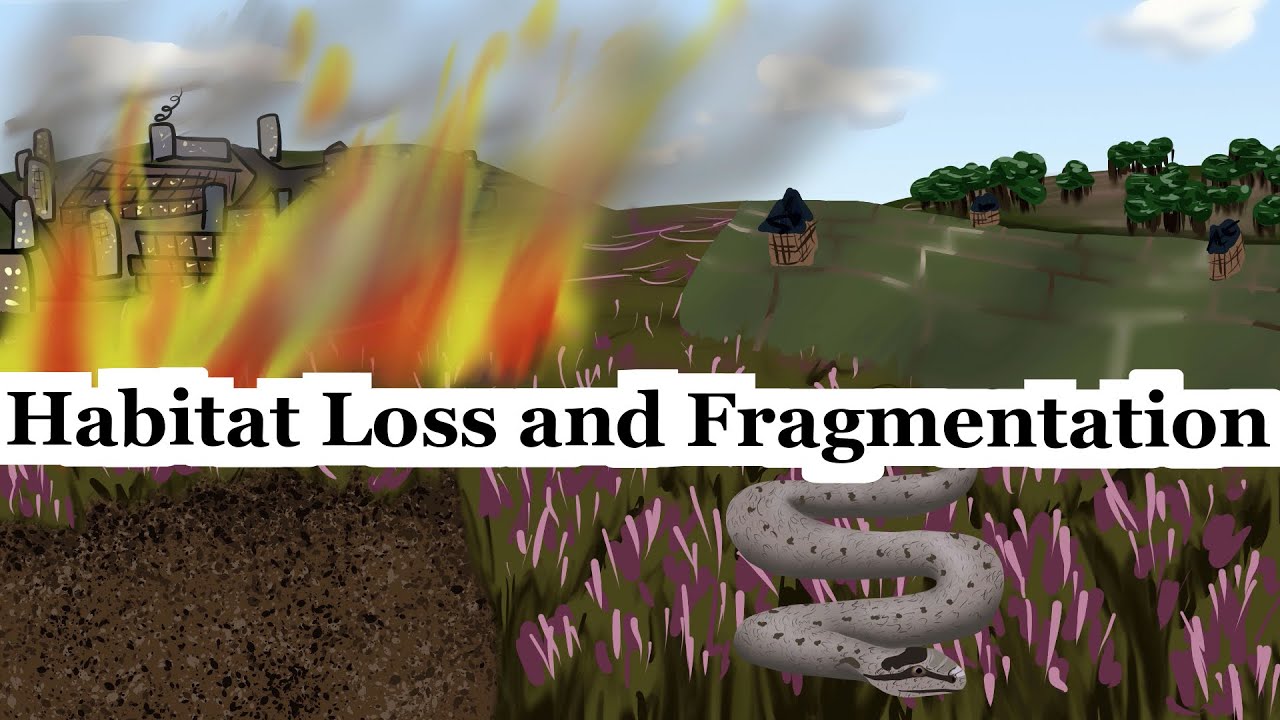
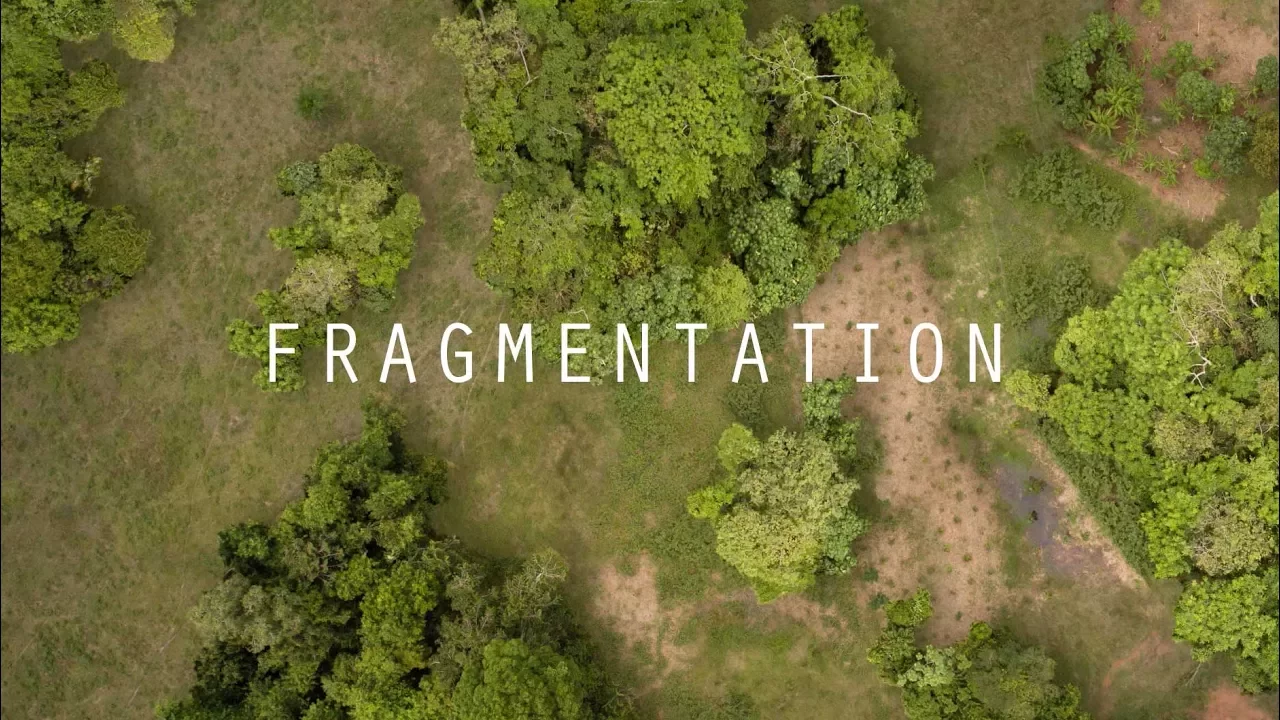
the tropical forests of Colombia are home to a myriad of plant and animal species like many of the world's forests this one in the middle Magdalena Valley is also under thread as Columbia's human population grows huge swaps of forest are cleared for Farm farmland and cattle ranches the remaining patches of forest become fewer and further apart from each other in a process ecologists call Habitat fragmentation fragmentation threatens the survival of all animals that live in the forest by reducing the amount of habitat and converting what's left to Patchy disconnected areas that is particularly true for
the largest primate in the Americas the brown spider monkey They rely on trees for their food and shelter and a continuous Forest canopy active as a highway providing them the freedom to move the situation with brown spider monkeys in Colombia is very very critical they've lost more than 80% of their forests it's clear that spider monkeys rely on forests to survive but do the forests also rely on spider [Music] monkeys wind water or animals can carry seeds from a parent plant to new locations the seeds of tropical tree species are primarily dispersed by animals that
eat fruits many animals eat hundreds and hundreds if not thousands of fruits in a day most of them will follow the seeds and will defecate them H in other places and through this process disperse them in different parts of the forest spider monkeys eat large amounts of fruits to support their size and are likely a major seed disperser in Colombian forests when seeds simply fall in the forest they end up near their parent tree here seeds compete with other seeds from the same tree their chances of survival are low but seeds that are carried away
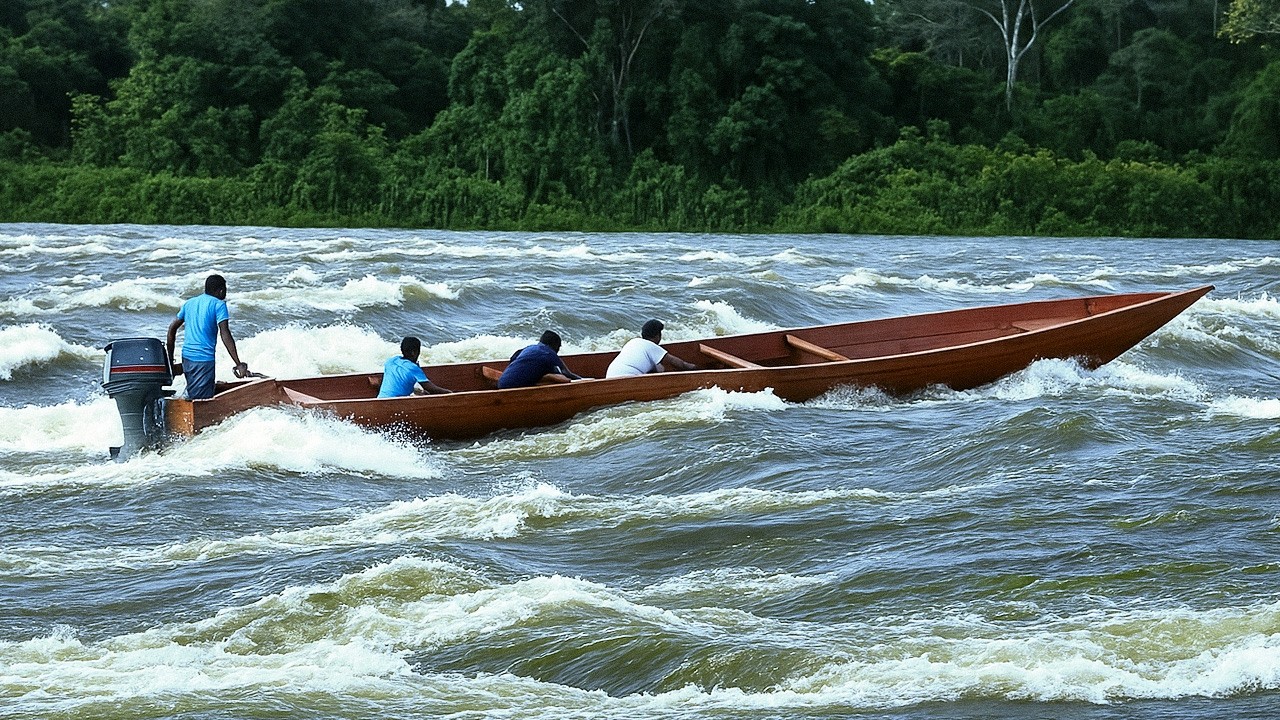
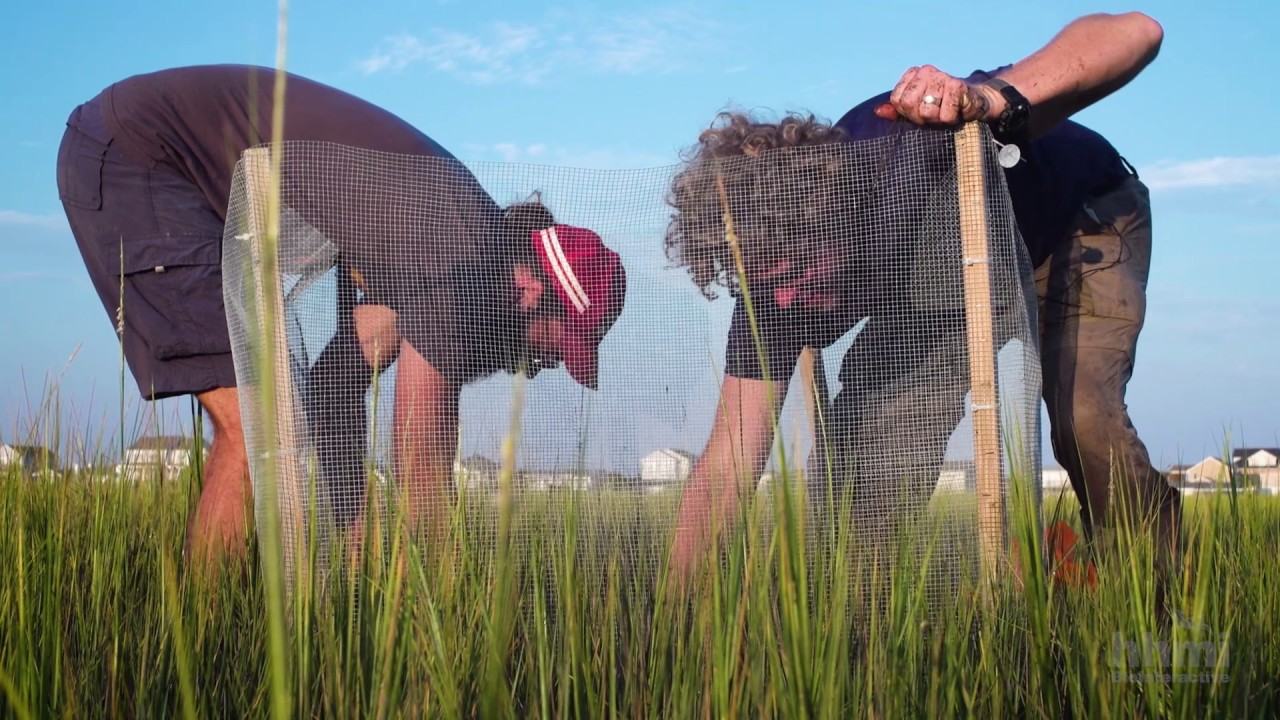
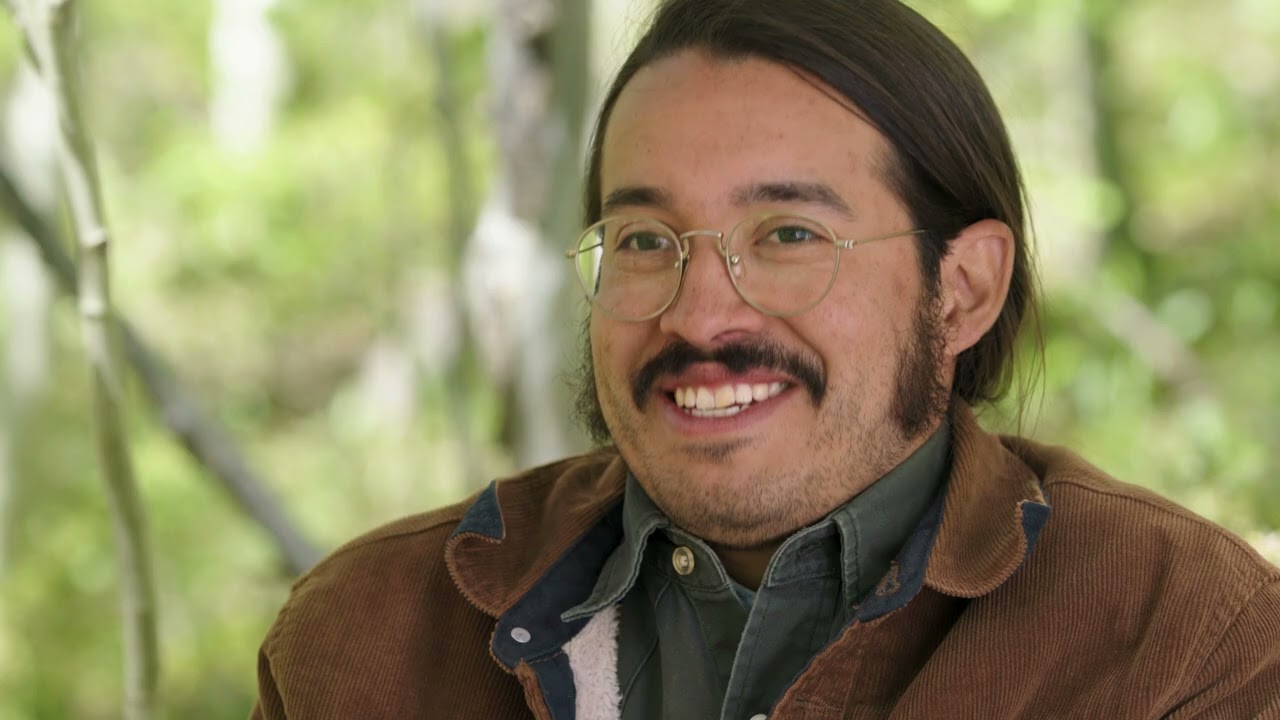
by spider monkeys and other dispersers are more likely to survive and grow into a healthy plant fragmentation reduces Forest regeneration in two ways it decreases the number of seed dispersers and it limits how far they can safely travel Andre link and his colleagues have come to the middle Magdalena Valley to measure how many seeds spider monkeys are dispersing and from which tree species so we started to wonder okay what is the role of these primates in the dispersal of seeds of many plant species they help to regenerate the forest and it's very important to know
which species are they eating because um in that way we know um which species are going spread and which are not out the first step is to collect the seeds dispersed by an individual monkey in a day now what we do literally is to follow them the whole day [Music] long [Music] [Music] is we see that they're going to defecate and we pay close attention but also normally we hear that some seeds fell that a monkey defecated and you can hear it how it sounds when it hits the leaves in the in the ground but
when we can't find it what we do is that we rely on those animals that are specialists in getting to these pial samples we just have to stay really still and in a couple seconds you you'll start hearing H some buzzing that increases and increases in sound the dumil have a very particular um sound so you will follow the sound look for the dunk Beetle and they will be making a little bowl from the poop that you want so you will just take [Music] it okay so we have some dunk beetles here collecting the food
so there must be seats around and we can find something here we collect each fle sample in an individual plastic bag and we put an individual number to each bag because we're interested in quantifying not only seed dispersal of the of the species but also the ability of each individual or the amount of seeds that it can disperse in a single day or to find difference between males and females or in matures and mature [Music] animals single spider monkey can defecate probably between 13 and 17 times a day and this is only one monkey and
this will represent hundreds if not thousands of seeds that a single monkey disperses in this Forest they clean the seeds they've extracted so they can be further characterized and cataloged this work takes place back in their lab in [Music] bota in the middle Magdalena these spider monkeys can disperse about a 100 species or maybe more as we learn about the important role of spider monkeys in in dispersing the seeds of many plants and at the same time we see how populations are declining we start to worry a lot about the future of these forests with
fewer spider monkeys the forest is less able to regenerate further decreasing the spider monkey's habitat researchers are trying to break this cycle by replanting the seeds they found they plant them in deforested areas that are no longer used for agriculture they will grow into the trees that monkeys need for food and shelter so what we do is that we collect those seeds and we plant them in in areas that have been degraded especially we plant them in areas that we have identified that can be potential corridors between isolated p patches of forest growing these trees
in the areas between Forest patches will allow spider monkeys to move from one patch to another increasing both their chances of survival and their ability to disperse seeds we really think this process of restoration and connecting this Forest will provide a future scenario that is much nicer a future scenario in which monkeys will not depend on us to have a viable population going on there and and surviving without the need of our assistance [Music]