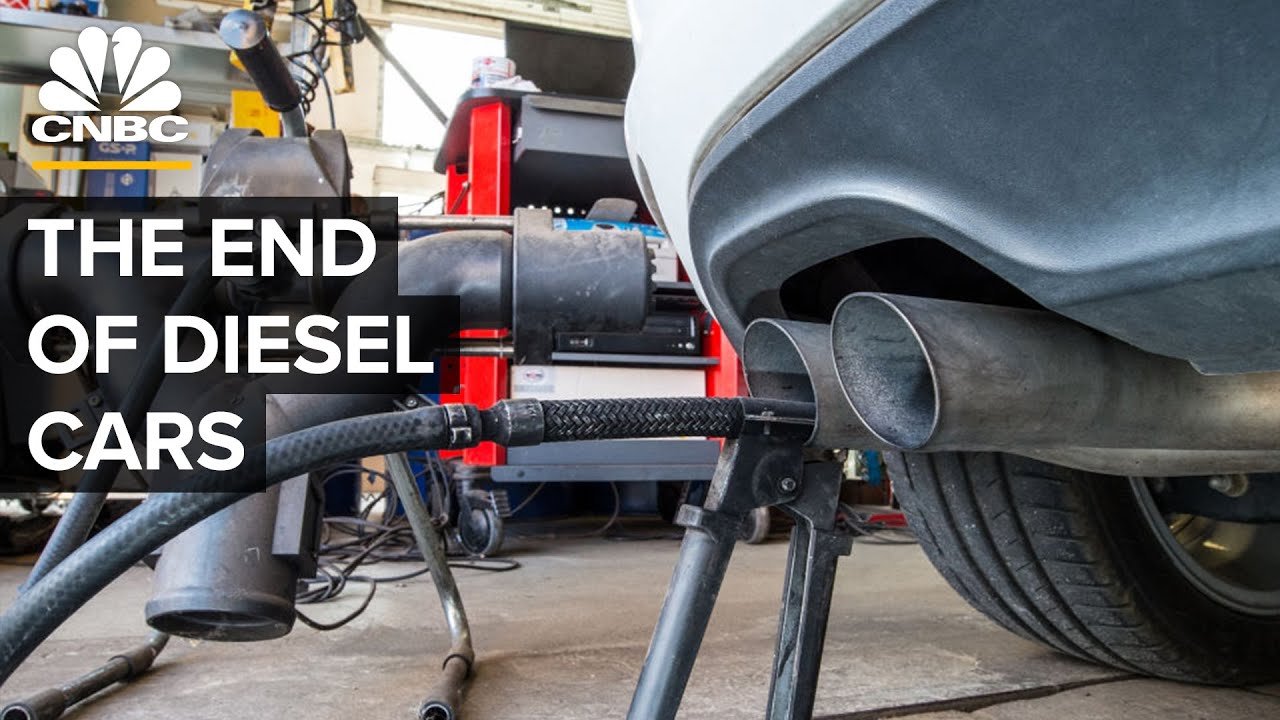
Do electric cars really produce less carbon emissions than combustion cars? Hey Engineering Lovers, today we are going to explore a topic that is very recurrent in the comments of the videos where we talk about electric cars. Many people believe that the myth of the process of mining metals for thousands of new electric cars to replace internal combustion engines causes more harm than good.
The debate surrounding the true environmental impact of electric vehicle production is seriously complex. So the argument is that electric vehicles don't pollute, but the electricity that powers electric vehicles does. This, of course, depends on the energy matrix of the country you live in.
Some even say that it pollutes even more than a gasoline or diesel car. If we look beyond the electric car itself to the type of energy that powers it, shouldn't we do the same with the fossil fuel car? The gasoline we use comes from oil extraction, which on average is hundreds or thousands of meters below the surface of the earth.
A large amount of oil is extracted using what is called a Suction Rod Pump. Typically, these suction rod pumps do not work alone and in most cases, they use electricity. It takes an average of 9,960 kilowatt-hours of electricity every month to run just one of these pumps.
Just to make a comparison and put this into context, this energy is enough to power a Tesla Model 3 for 50 thousand kilometers. In the United States there are around 435,000 oil wells that use these suction pumps. In other words, we are talking about the use of more than 4,300 gigawatt-hours per month just to extract oil.
That's a lot of electricity and it's just used to extract oil from the ground! If we used this electricity to power electric vehicles directly, it would be enough to power more than 15 million electric vehicles for a month. And this account only takes into account US oil wells, but just imagine the energy from all wells around the world.
But what about offshore drilling? The most common way to power an offshore oil rig is with a diesel generator. An average generator on an oil platform uses 20 to 30 cubic meters of diesel per day, that is, 20,000 to 30,000 liters of diesel per day just to keep the platform operating.
This would be the equivalent of 300 thousand kilowatt-hours. It is estimated that there are 1,470 offshore oil platforms in the world that use more than 13 billion kilowatt-hours of energy per month. All this oil pumping combined would be enough to power 70 million electric vehicles every month.
And I'm just counting the conversion of energy used in extracting oil from the ground and sea. So not only does fuel pollute when we burn it in our cars, but we are also using a huge amount of electricity just to pump the oil and then produce its by-products. Combining pollution from exhaust emissions with emissions generated to extract oil from the ground is not a pretty picture.
And pumping oil is not clean, as millions of gallons end up spilling into the ocean every year, wreaking havoc on animals and the ecosystem. But the oil still needs to be transported to refineries, and most oil is pumped through pipelines. There are more than 540,000 kilometers of oil pipelines in the world that transport most of the 100 million barrels we consume per day.
Not to mention gas pipelines, which use pumping stations that consume even more energy. In addition to oil pipelines, we also have the transport of oil by ships, which today there is not much regulation with regard to pollutant emissions, and this means that transport by ships ends up being cheaper, but consequently it is the dirtiest, and Today, the transport of oil by ships ends up being one of the biggest sources of pollution on the planet. Maritime transport today is responsible for the emission of around 1 billion tons of CO2 per year as a whole, and 10% of this value comes from maritime oil transport alone.
As these tankers pollute a lot, many countries do not allow them to operate near their coasts, so they need to be towed to the port where the oil is transferred to a refinery. But so far we are talking about extraction and transportation, but we still have oil refining. Oil refining consumes a huge amount of energy and generates even more pollution.
This is because refining is done by heating the oil to extremely high temperatures. But imagine refining millions and millions of barrels of oil per day at enormous temperatures. Admittedly, the amount of energy expended is even more frightening.
Just to give you an idea, the heating of this oil generates so much pollution that refineries end up creating a health risk wherever they operate. Refineries are the number one source of pollution in many of the world's major cities. This is so serious that people living near these refineries have a sharp increase in lung disease.
After being refined, the oil or fuel is transported to distributors and then to gas stations in trucks, creating even more pollution. Take note of all these steps with the expenditure of energy and resources to ultimately be burned in a vehicle's engine. Not to mention that these cars and trucks have extremely inefficient internal combustion engines.
Almost 70% of the energy from burning fossil fuels is wasted as heat, while only 30% is actually converted to turn the wheels. So after we use all that electricity pumping oil out of the ground, refining it, transporting it, we still waste 70% when we burn it. Fossil fuel production is an incredibly dirty and inefficient process from start to finish.
When we compare all this with the power supply of an electric vehicle, the difference is very striking. Electricity doesn't need to be pumped thousands of feet underground, transported by trucks or trains, or pumped along pipelines. It doesn't need to be sent abroad, it doesn't need to be refined, and it doesn't pollute where we live and breathe.
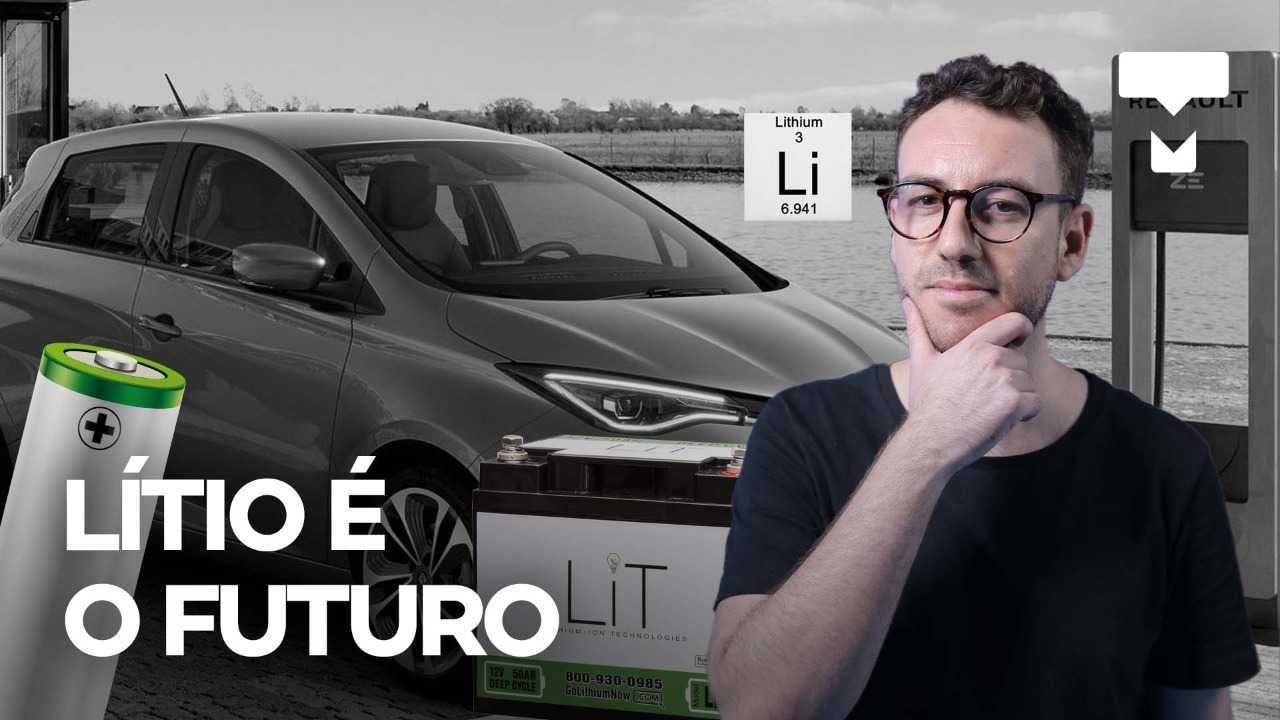
Even though electricity is produced by burning coal, the power plant is far from population centers, transferred through power lines, keeping any direct pollution away from the population. And if the car is powered by clean energy, it will be clean from start to finish. Okay, but to use an electric car, we need to mine lithium, so isn't this extraction dirty too?
Lithium is a metal mined in the deserts of Australia, China, Argentina and Chile and as well as being a key ingredient in batteries, lithium is also taken as a medication such as for bipolar disorder. Much has been said about the environmental impact of lithium mining, but this is all a bit of an exaggeration. Australia is now the largest lithium producer in the world.
If there were any major environmental issues with this mining, I think some Australians would be talking about it. But what is Australia saying about this pollution? Guess what, when it comes to pollution, Australia talks exactly about oil refineries.
Yes, so you understand that oil refining alone creates a much greater environmental risk than all the lithium mining that takes place in any part of the country. So Australia is not a very densely populated country, they consume 1% of the world's oil supply and only refine a quarter of the oil they consume, yet they extract 50% of the world's lithium! So, a country that consumes just 1% of the world's oil, refines just a quarter of what it consumes and extracts 50% of the world's lithium, the biggest contributor to pollution and risk to human health in Australia are the oil refineries!
This doesn't even take into account the drilling, pumping, transporting and burning of this oil, it's just about refining it. The more you look at it, the argument that battery production is somehow as bad as the fossil fuel cycle becomes ridiculous. To date, all lithium extraction in the world did not cause as much damage to the environment as just a large oil spill in the oceans.
So what about the batteries? What happens to batteries when they get old and are discarded? When no longer practical in an electric vehicle, if disposed of correctly, batteries can be used as energy storage to power a home or business, giving them a second life.
And when they are no longer useful, they are recycled and decomposed to recover valuable metals to be used again in the next generation of electric vehicles. It seems a little silly to use so much electricity to pump oil out of the ground, create tons of pollution to ultimately waste 70% of it burning in our cars when we could simply use that electricity directly to power electric vehicles. But, the infrastructure to power electric cars and ways to charge these cars to travel long distances are a major obstacle.
The large-scale use of electric cars will depend on a change in the way we understand our cities, our homes and buildings, to allow us to have more charging points. This, in addition to an infrastructure to allow charging on long distance trips. If you've come this far and liked the video, take the opportunity to subscribe if you're not already subscribed, leave your like, and activate the notification bell and if you find our content interesting , consider becoming a member to help us continue producing content here on the platform and be remembered in our videos.
So, do you still think that electric cars pollute as much or more than combustion cars? Do you have an electric car there? Leave it here in the comments and I want to know.
Here you have two video options that you might like and that are worth checking out to expand your knowledge. And if you want to contribute to us, leave your like, subscribe to the channel, activate the bell and consider becoming a member of the channel.