seedless to say there is controversy on the topic of seed oils seed oils are one of the most unhealthy ingredients that we have in foods and why you not a detain call it a trend a fad or a scientific Awakening whatever you want to call it it's clearly a matter of interest and debate so in this video I'm going to review six critical points you need to know that will help you cut through the confusion and make the most practical decisions with respect to your diet first it's important to clearly Define what seed oils are
I think of them as highly oxidized refined heated in damaged oils like the French fight oil at McDonald's which is not the same as the oil in raw seeds or nuts like walnuts that should be obvious but it deserves emphasis point two in building on the prior Point seed oils should not be equated with poly unsaturated fatty acids or pofa for short including Omega 6 or linolic acid as they often are seed oils complated with pufa and omega-6 so what's the distinction among these terms well pofa or fatty A acids with multiple double bonds making
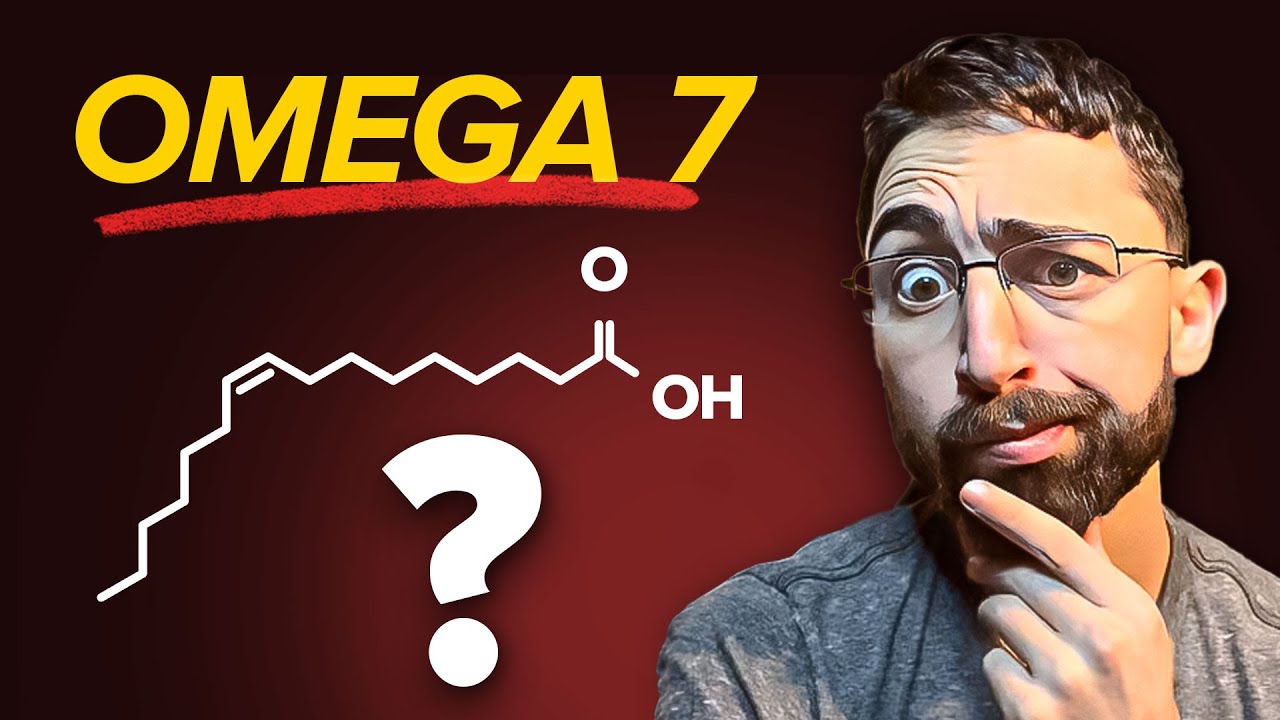
them fragile and prone to oxidation or damage and Pua include omega-3 as from fatty fish and omega-6 fats and the most prevalent omega-6 is linolic acid which is found in high levels in many what people call seed oils and the conflation and confusion of these overlapping but distinct terms is in my opinion one major reason it's been impossible to resolve this issue because we can't come to a consensus if we're talking about different topics okay moving on three overload of omega-6 fatty acids which are enriched in quote seed oils most of them can cause inflammation
this is true specifically an imbalance of the Omega 6 to omega-3 in the body can create problems contributing to inflammation and because Omega 6 are so pre in the western diet you can see how people come to believe that avoiding seed oils also rich in the western diet would be beneficial I do think there is some reason here and it's also true that most people in the developed world have an imbalance of Omega 6 and omega-3 in the body with too much Omega 6 into little omega-3 that is all true however diet dietary Omega 6
and dietary omega-3 intake does not directly translate at least not linearly into blood and or membrane levels of Omega 6 and 3 in the body in other words and by way of example if your dietary intake of Omega 6 is 10x and your dietary intake of Omega-3 is X the ratio of these fatty acids in your body is unlikely to actually be 10:1 the body's ratios are determined in part by dietary intake yes but also by various metabolic processes that makes the calculus far more complicated so in truth the only way to know what your
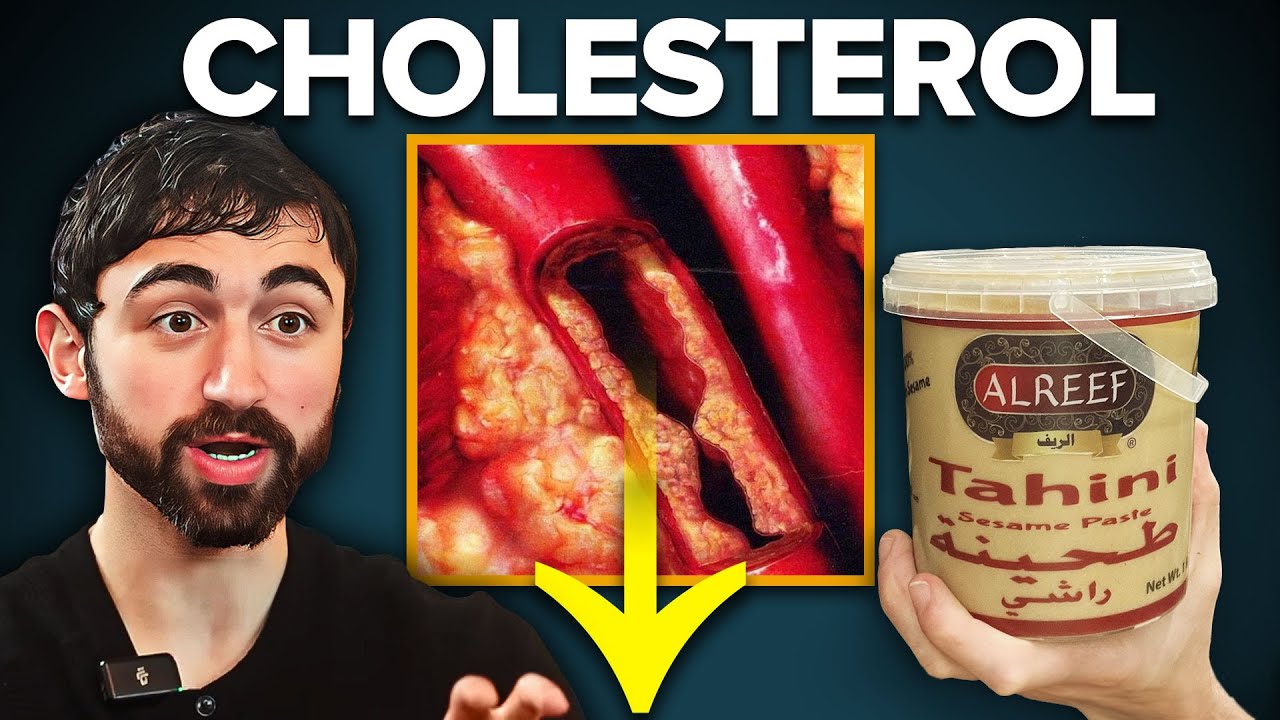
body's ratios are is to measure them and there are various services that can do so for you now taking myself as an example my absolute intake of omega-6 fat is way greater than my intake of omega-3 fat although I do eat a lot of fatty fish and this is on account of the fact that I consume some higher Omega 6 real foods like tahini which is made from Sesame walnuts and peans however my measured Omega 6 to ratio is a perfect 1:1 with a 17.2% EPA and DHA index which is super hard to beat now
as a quick Nuance note the direct impact of Omega 6 to3 ratio can best be assessed through transgenic animal models since in humans Omega 6 and Omega 3 they're not synthesized Den noo new in the body so in order to manipulate the 6 to3 ratio in humans you need to change other dietary components although this can be overcome animal models with genetic manipulations that allow them to make omega 6 and3 and then you can see the direct impact of the 63 ratio in the body and indeed six overload versus three deficiency does contribute to inflammation
so anyway Nuance note over moving on point four I'm going to call real foods for the win thanks n so real foods are often packed with compounds that may compensate for and or protect against oxidation of the fragile omega-6 fats and polyunsaturated fats for example sesame oil and sesame products like tahini contain about 40% or more omega-6 linolic acid but in the context of the lons in the Sesame the natural antioxidants the rate of oxidation of this fragile fat is much much lower than of the naked omega-6 linolic acid so shown here you can see
the antioxidant effect of Sesame lignins on the peroxidation oxidation of omega-6 linic acid the tall line is the control and the graph shows how the natural compounds in sesame protect Omega 6 lolic acid from oxidation pretty cool right interesting okay moving on five and this is really important randomized control trials are not up to the task okay what do I mean by this so short-term randomized control trials including calorie and macronutrient control trials are really not equipped to properly assess the potential harms of quote seed oils whether you define seed oils here as highly oxidized
oils like the McDonald's frer oil or just too much Omega 6 versus a control the physiological changes induced by the Omega 6 to3 imbalance and or oxidative stress take many months and more likely years to really manifest thus a negative finding in a relatively short-term randomized control trial can pose a false negative for the health effects and this is really important to point out because in assessing a claim for example the relative Health impacts of a high omega-6 fat Source versus another fat source so seed oil versus butter you could say we have to appreciate
what data can be practically collected to answer the question and in this case we do need to extrapolate based on non-randomized control trial data about the potential harms of quote seed oils and just saying but show me the RCT isn't a sufficient rebuttal in terms of health outcomes at least not in my opinion anyway moving on six Metabolic and macronutrient context really matters as I mentioned earlier the degree to which Omega 6 and omega3 end up getting stored in the body and or used for structural purposes depends on Many metabolic factors and in the context
of very low carbohydrate ketogenic diets polyunsaturated fat and Omega 6 are very efficiently converted into Ketone bodies like beta hydroxy berate thus consuming foods rich and Omega 6 like sesame oil can in this context this metabolic context actually be used as a biohack to increase Ketone levels and this can be useful if you want High ketones for therapeutic effect as in epilepsy or other neurological disorder and if you want more on that see this video but to be clear I am not saying one should therefore go chug grap seed oil to boost their Ketone levels
I'm not saying that I'm just saying the same exposure here omega-6 intake can translate into vastly different metabolic outcomes based on the metabolic context and dietary context of the consumer so in high level summary of my perspective based on the basic physiology I do think it's reasonable to believe quote seed oils defined strictly per points 1 and point2 can be harmful Beyond just the calorie load however it's unreasonable to claim as many do that seed oils are poison or that they are the reason for the Obesity epidemic and it's also not reasonable to claim that
all Omega 6 linolic acid rich foods are bad because of their polyunsaturated fat content I don't believe that's reasonable now as for what I do personally I prioritize Whole Foods be that walnuts Sesame or riy steak I cook with fats in oils that are stable at higher Heats including ghee macadamia oil and olive oil and I prioritize omega-3 rich foods especially those lower in Mercury like sardines and Sakai salmon in the end you can do as you please whatever makes you sleep best but I think you have more to fear from the stress response of
avoiding Omega 6 in your diet like it's the then from consuming some raw walnuts that's my take with that stay curious stay reasonable stay nuanced and let me know your thoughts I'm sure I'm going to get a lot of interesting comments on this video bye [Music]