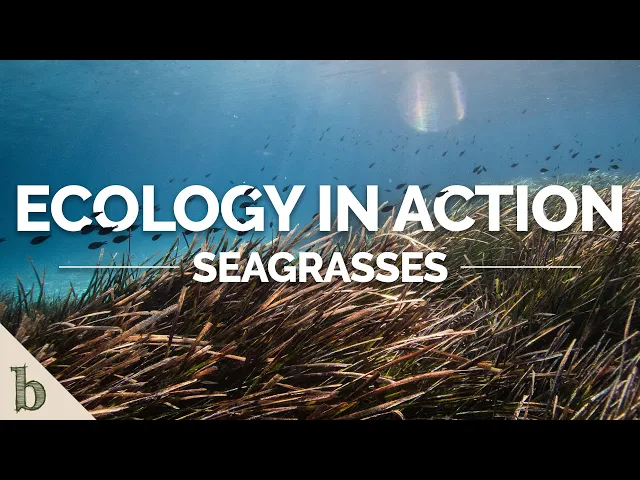
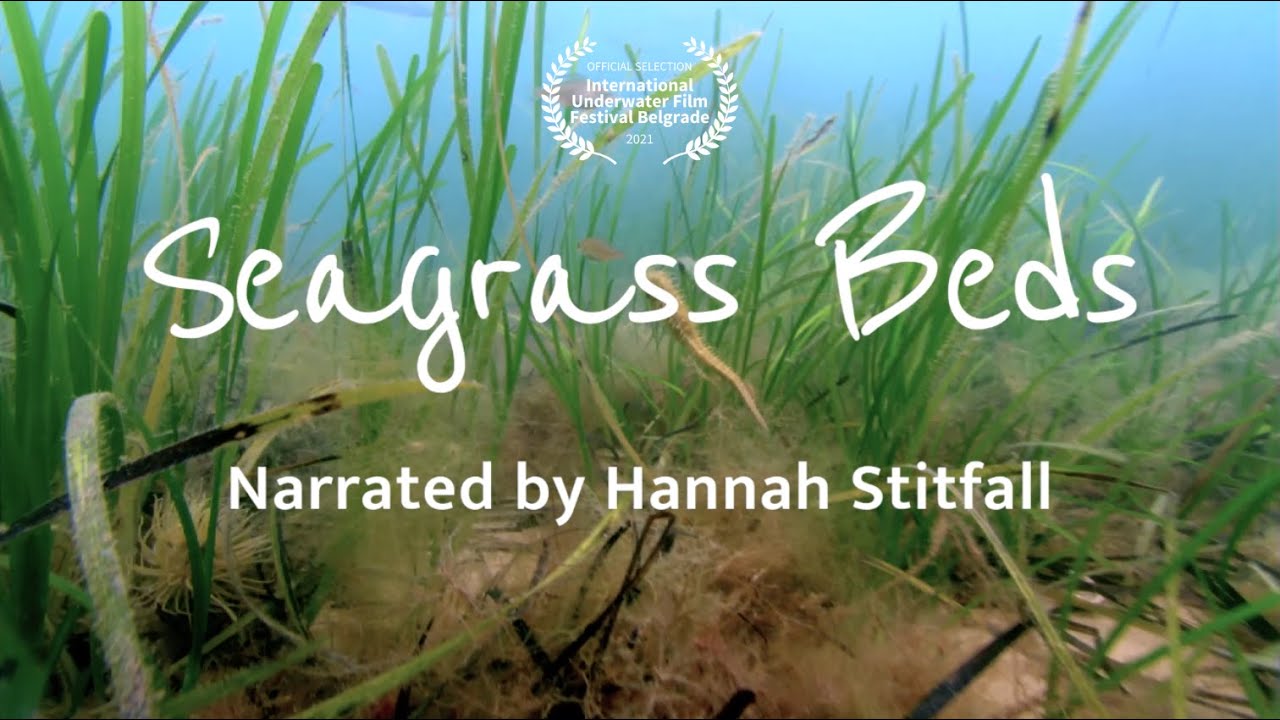
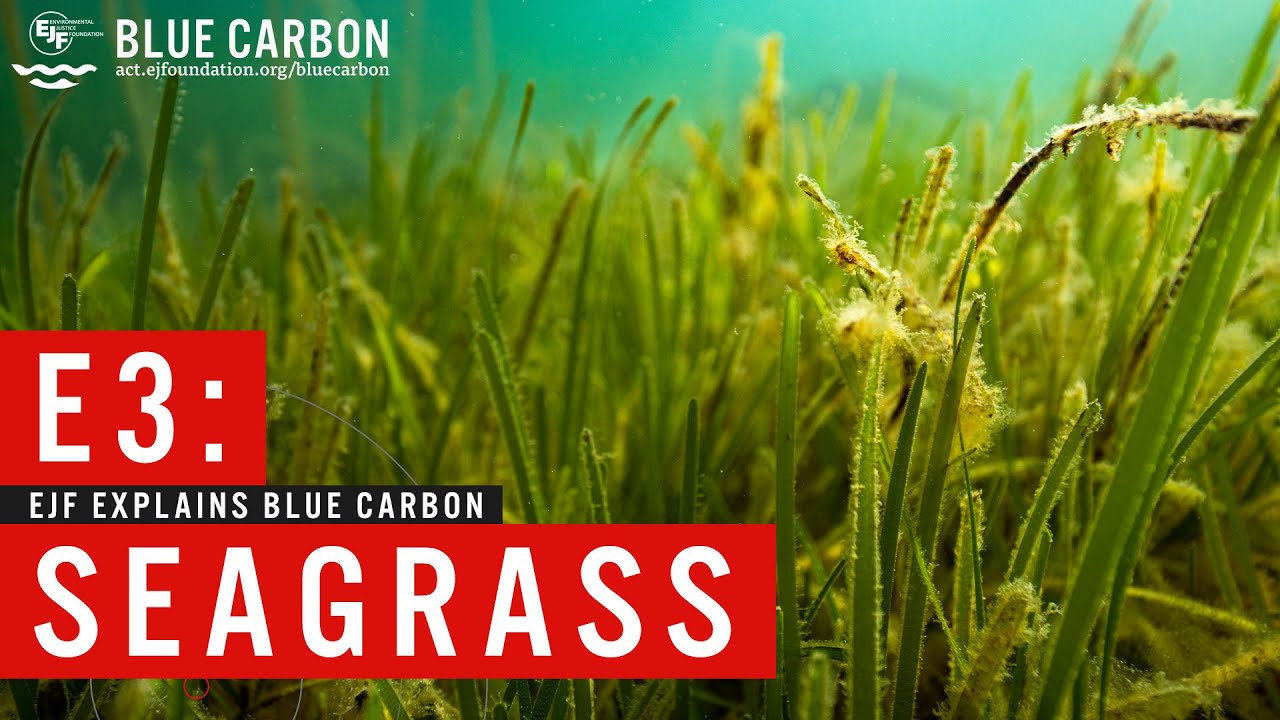
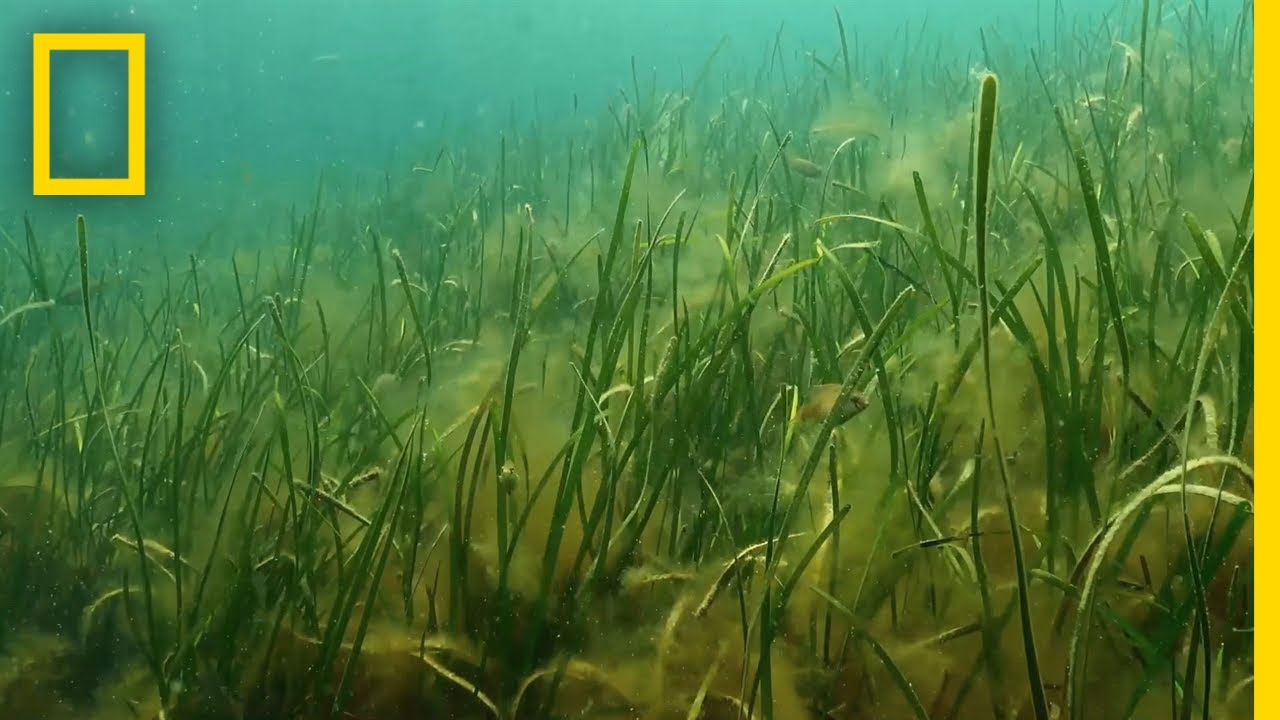
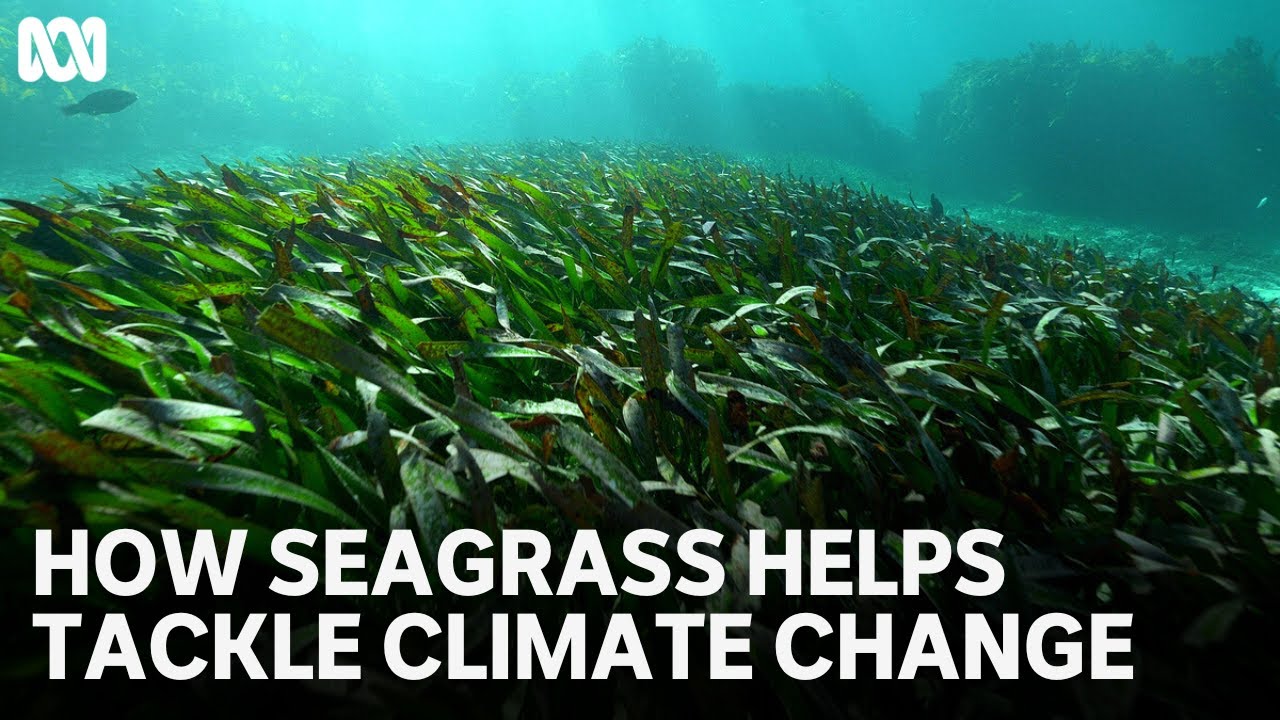
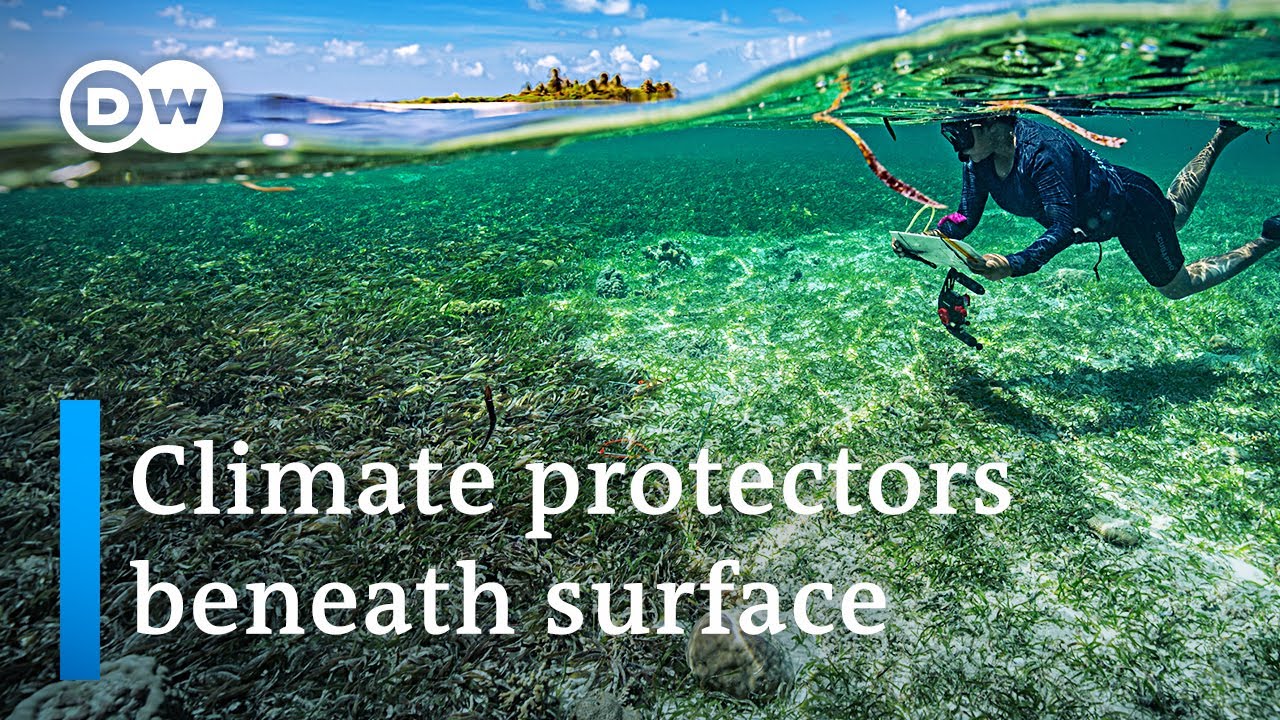
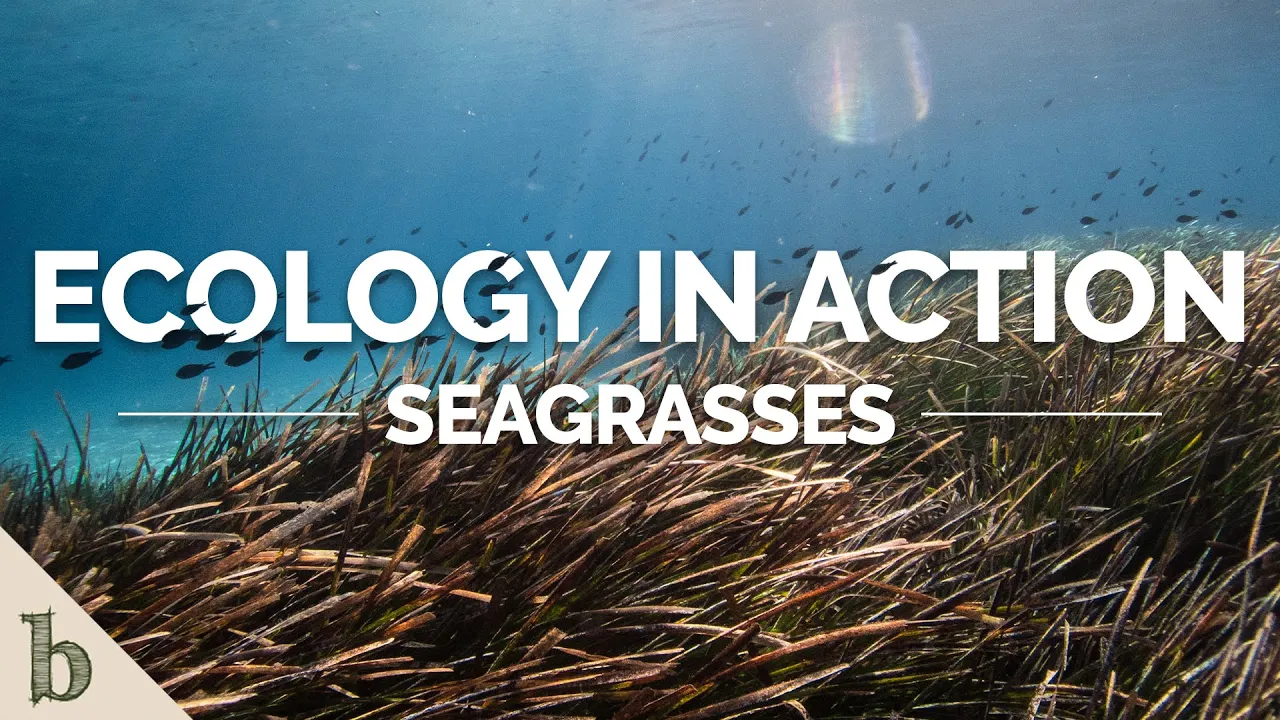
hey [Music] seagrasses are marine plants that form dense underwater meadows which are among the most productive and valuable ecosystems on earth these grasses have a long evolutionary history they descend from flowering land plants which returned to the water over 75 million years ago their meadows form in shallow coastal waters on continental shelves they are a diverse group with 60 species spread across four main lineages but only the coasts provide their specific habitat needs a perfect combination of water quality light availability and shallow depth the sheer range of ecosystem services that these grasslands provide is immense
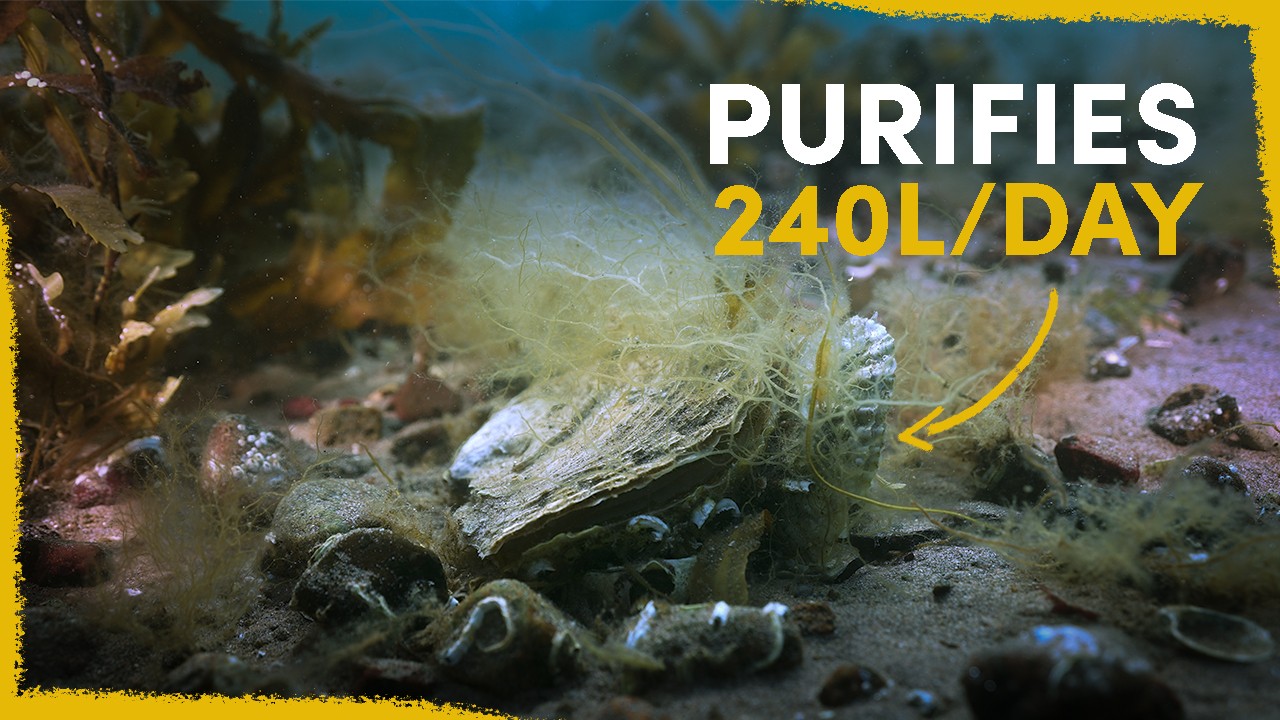
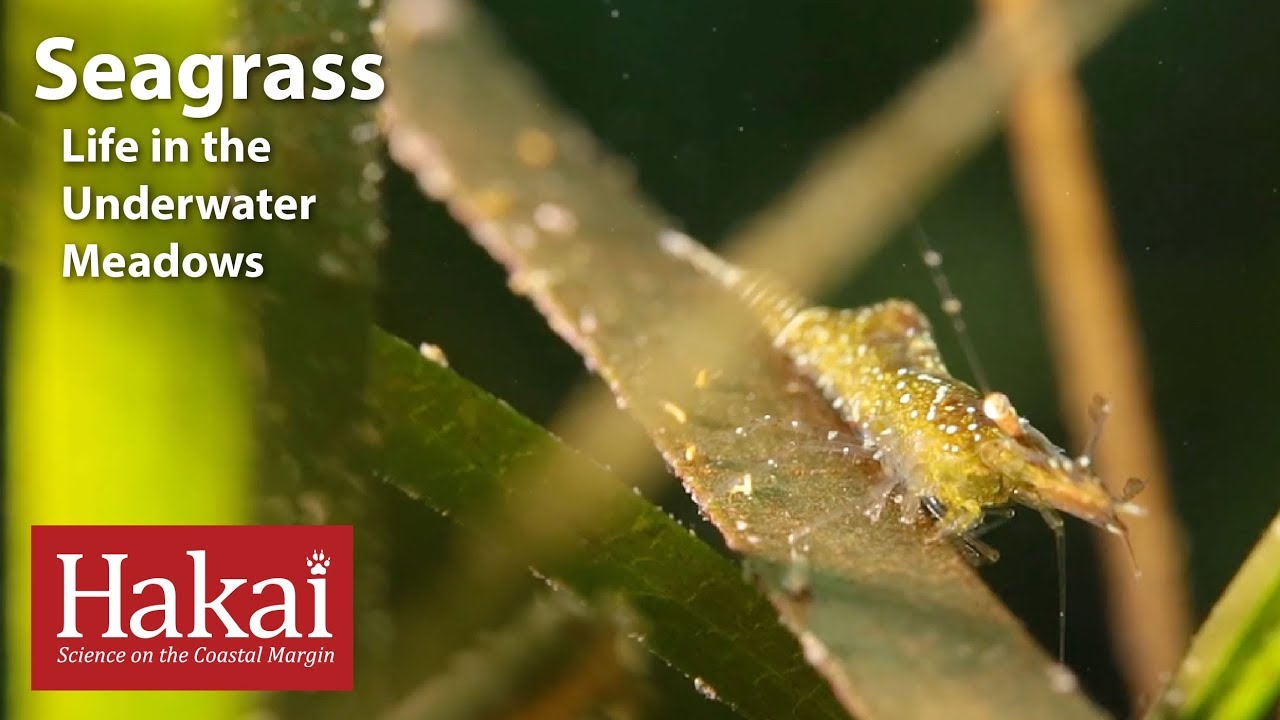
they support an entire guild of marine herbivores from marine reptiles to mammals to invertebrates all graze the submarine meadows and endangered species such as seahorses green turtles sharks and stingrays all call this habitat home and the huge prairies act as a natural filter enhancing water quality by stabilizing heavy metals and pollutants absorbing bacteria and excess nutrient and because sea grass is photosynthesized they produce vast quantities of oxygen enriching the water column and the sediment for the myriad species which dwell there these underwater grasslands are important nurseries for coral reef animals and for commercially valuable fish
species half of all global fisheries exploit species whose young grow in the sea grass meadows including the world's second most important catch fish the alaska pollock the seagrass savannas support both coral reefs and global food security if we lose them we stand to lose both the reefs and the fisheries too [Music] but perhaps the greatest asset that seagrasses provide concerns blue carbon blue carbon is the name for all the carbon dioxide removed from the atmosphere by marine ecosystems they may cover only 0.1 percent of the ocean floors area but seagrass prairies account for over 10
percent of the ocean's total carbon absorption per hectare they hold twice as much carbon as rainforests burying 27 million tons of carbon each year this incredible process has its roots in roots unlike seaweeds sea grasses have roots and rhizome systems which absorb carbon and lock it away under the sediment and because they grow using photosynthesis they use the sun's energy to convert the carbon dioxide and water into carbohydrates and oxygen unlike carbon stored in forest soils on land which can be released by forest fires or deforestation marine sediments are anoxic with low microbial activity meaning
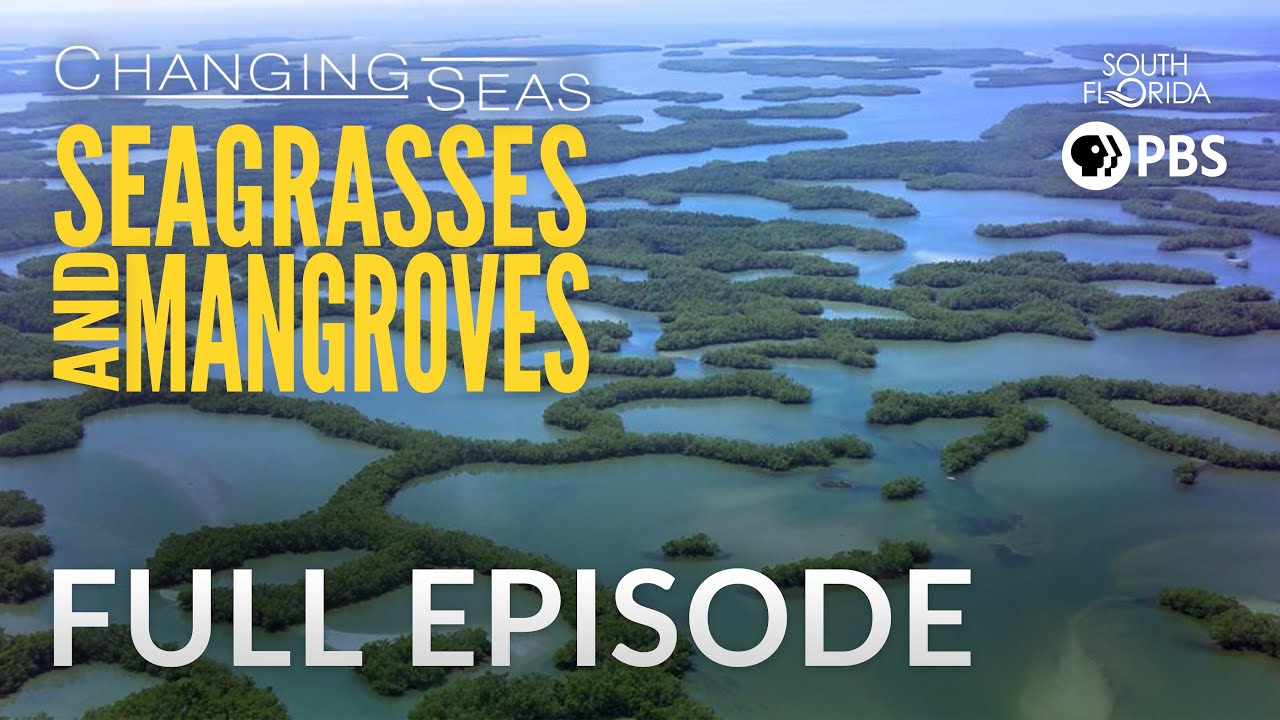
organic carbon can be continually stored away for thousands upon thousands of years globally the seagrass meadows are estimated to store nearly 20 billion tons of organic carbon but these vast underwater prairies can have profound short-term benefits as well for both people and the natural world seagrasses are ecosystem engineers because they alter the landscape around them their rising leaves slow down water currents causing them to drop their sediment building up the seafloor and forming shallow offshore banks of sea grass and sediment these shield coastal settlements from storm surges and high waves and protect valuable ecosystems like
mangroves and salt marshes their underground network of routes stabilizes these banks reducing coastal erosion as well seagrasses have thrived for millions of years but in the 21st century these delicate underwater grasslands are under threat fishing with dredges and beam trollers uproots and destroys the meadows but it's pollution from the land and runoff from coastal development which poses the greatest danger nutrients like nitrogen and phosphorus run off into the seas they're toxic to the grasses and they fuel the growth of algae blocking out the sunlight and halting the photosynthesis needed for growth as the grasses decay
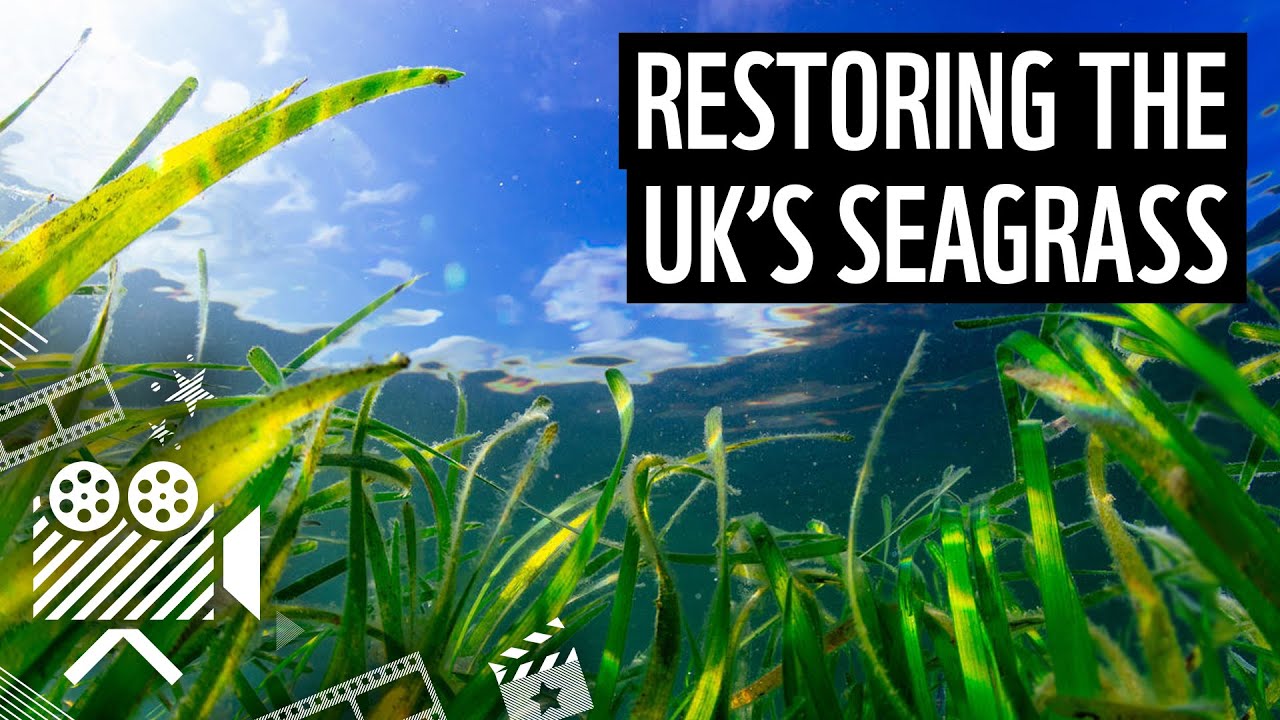
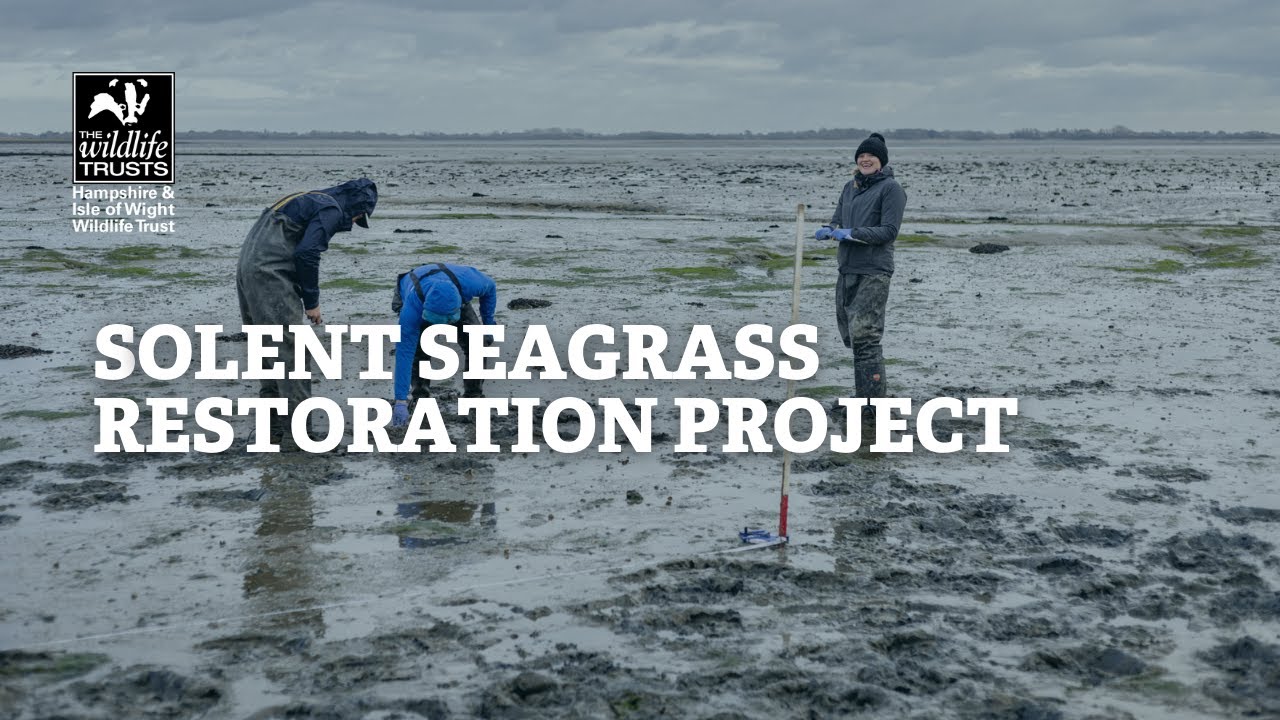
the algae bloom and the ecosystem collapses a cascading shift from seagrass to algal dominance and overfishing of top predators like sharks reduces the control of grazing species which strip the fragile prairies bear it's thought that today there are between 300 to 600 000 kilometers squared of seagrass meadows across the world but each hour an area the size of two football fields is lost the damage must be halted before it's too late seagrass prairies can be regrown using cuttings from donor meadows planted in sunken artificial sandbags and researchers and marine biologists are experimenting with new planting
methods and developing seed banks for some species but restoration is expensive and labor intensive and to so far produce poor outcomes it is clear that with the current understanding and technology our ability to regenerate seagrass meadows will always fall short of the sea grasses natural ability to spread and therefore our foremost priority must be the protection of existing seagrass prairies these rich fragile ecosystems could be one of our greatest tools to combat global climate change and they must be protected at all costs [Music] wow [Music] you