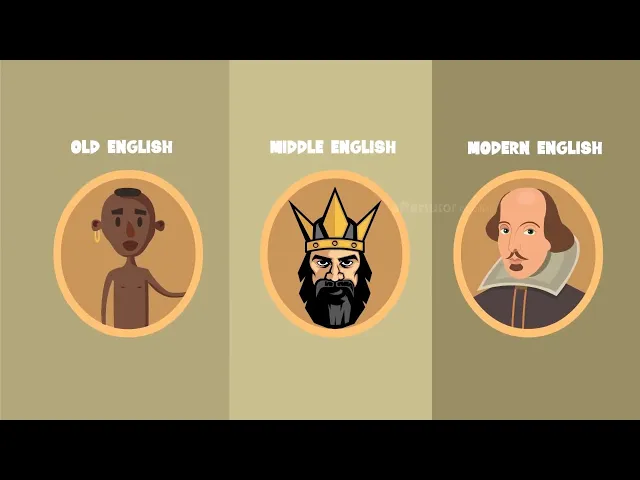
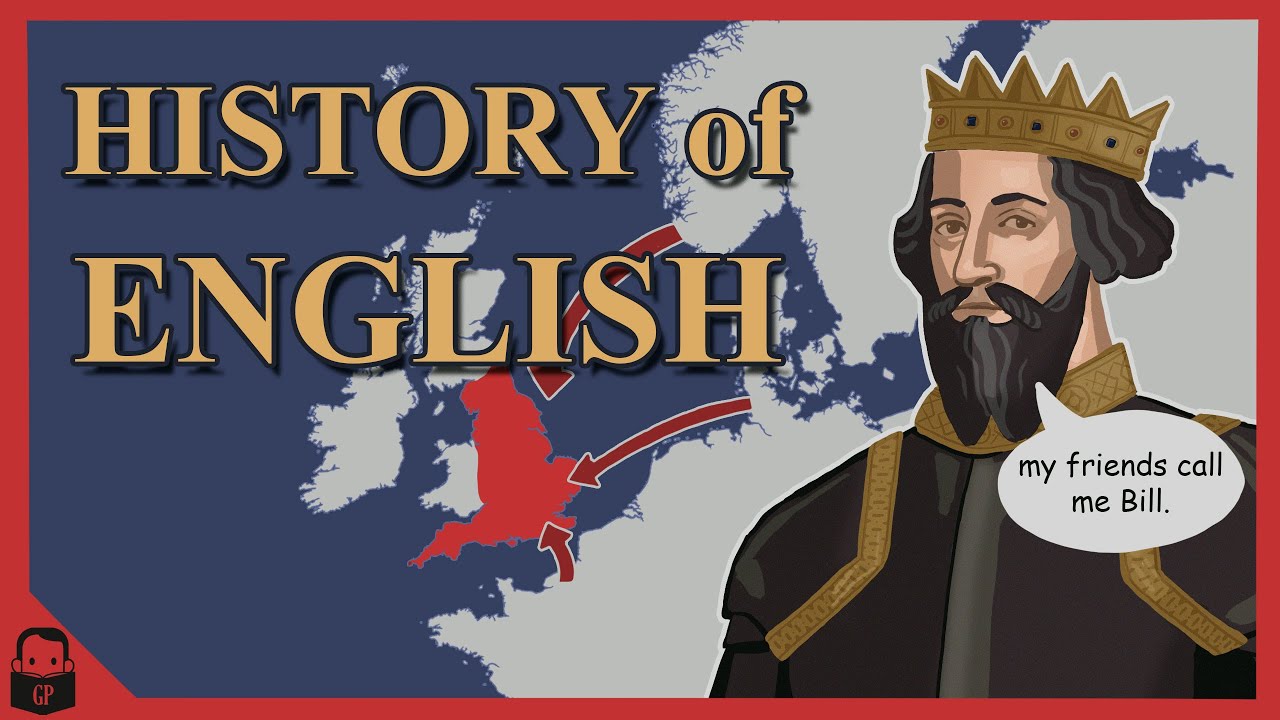
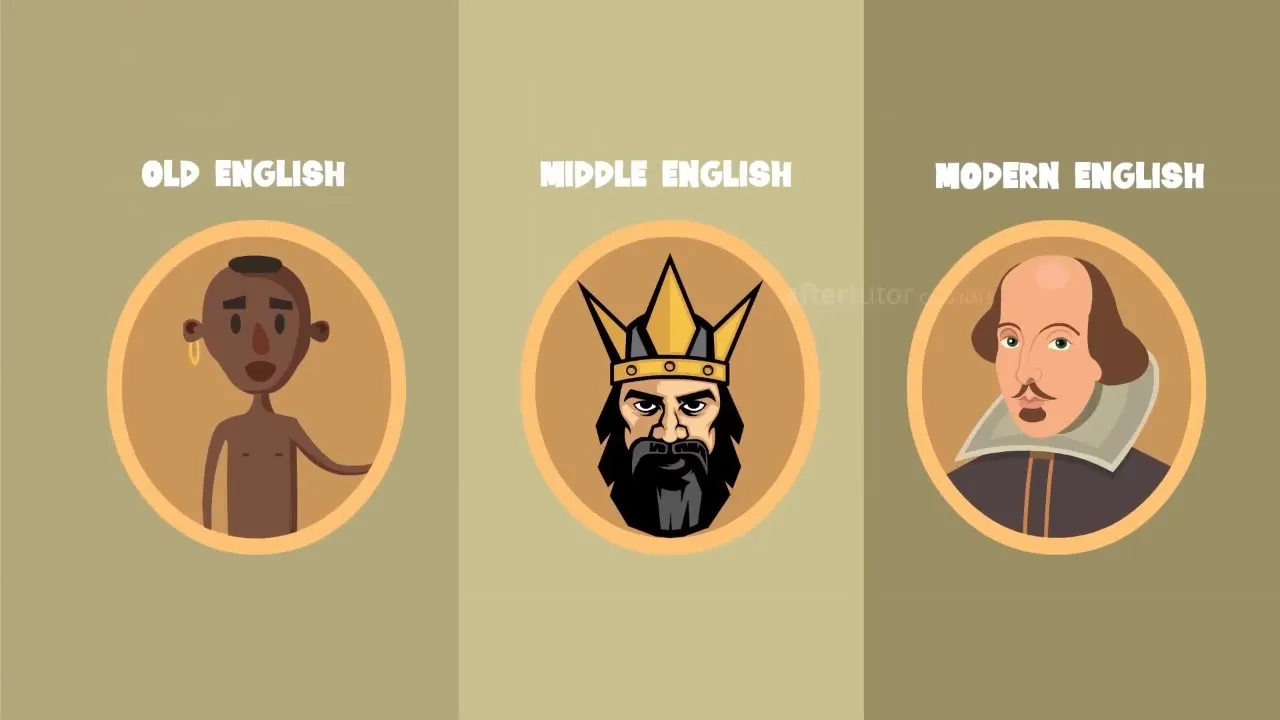
After many evolutions and invasions, today, many languages are being spoken across the world as the medium of communication. Out of these languages, English is one of the finest language that stands in common for the people to communicate. Since the ancient period until now, the English language is portrayed into different perspectives based on the invasions of Britain by other countries(Old, Middle and Modern English).
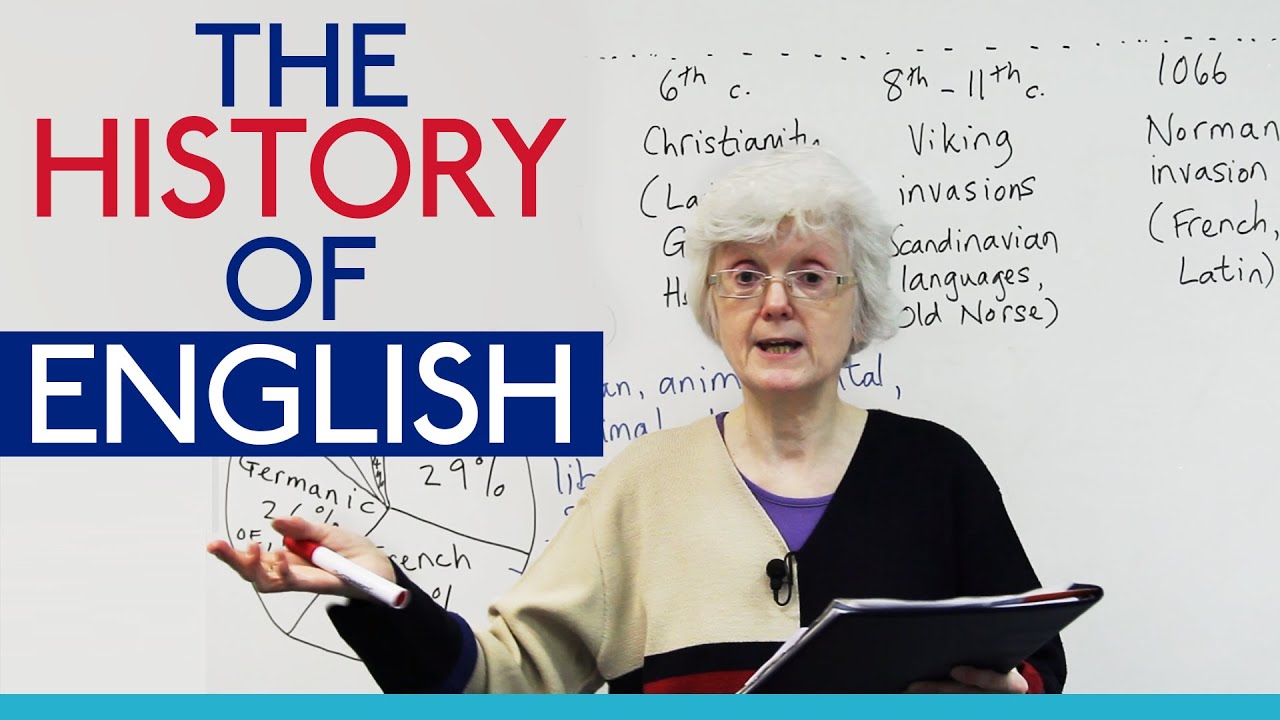
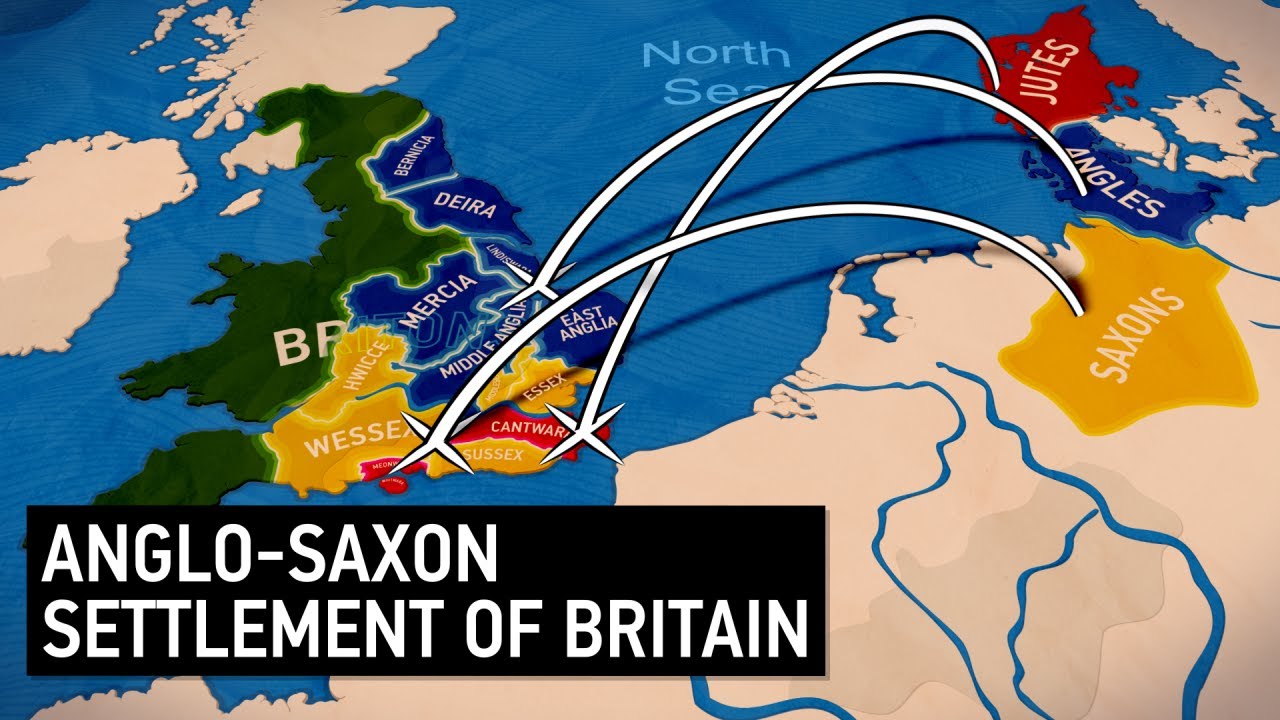
Romans were ruling Britain for about 400 years (Until 4th Century). It was started in the 5th century when three Germanic tribes such as, Angles, Saxon and Jutes invaded Britain via Northern Germany (Now known as Denmark) and pushed out the existing Celtic (Oldest language in the UK) inhabitants to Scotland and Ireland. Due to these kind of invasions, the English language is derived from the various groups of dialects.
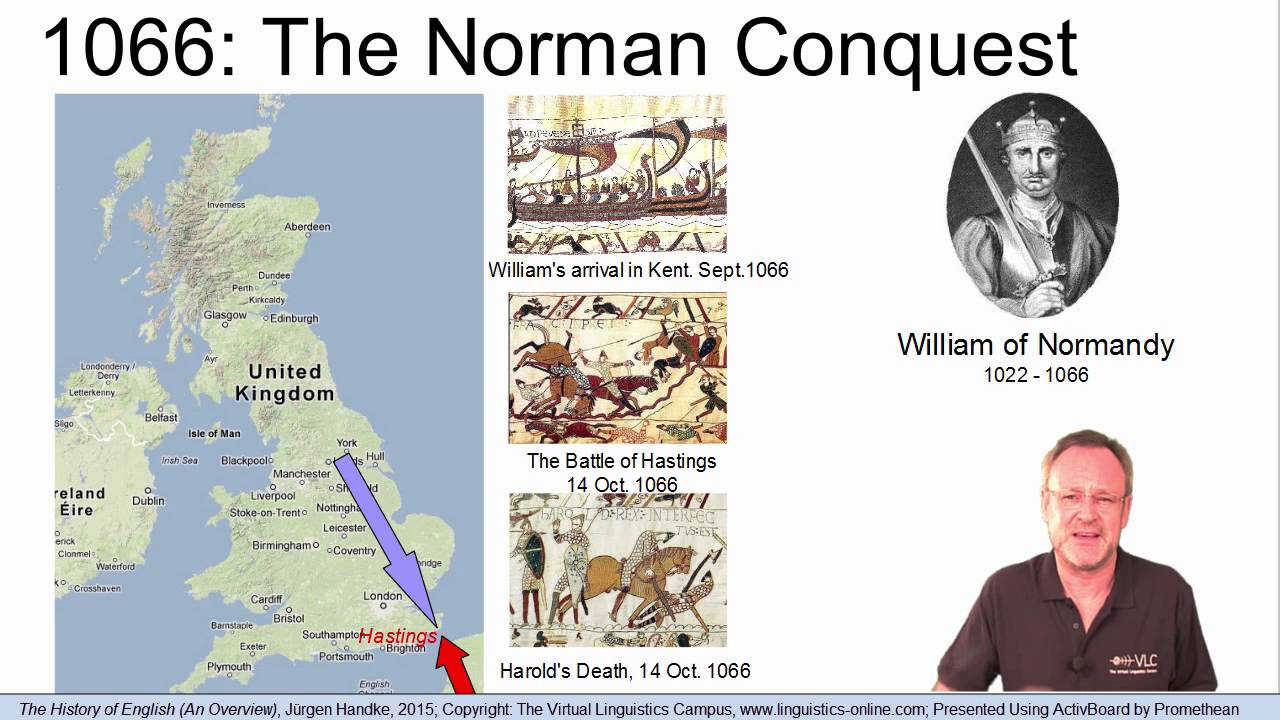
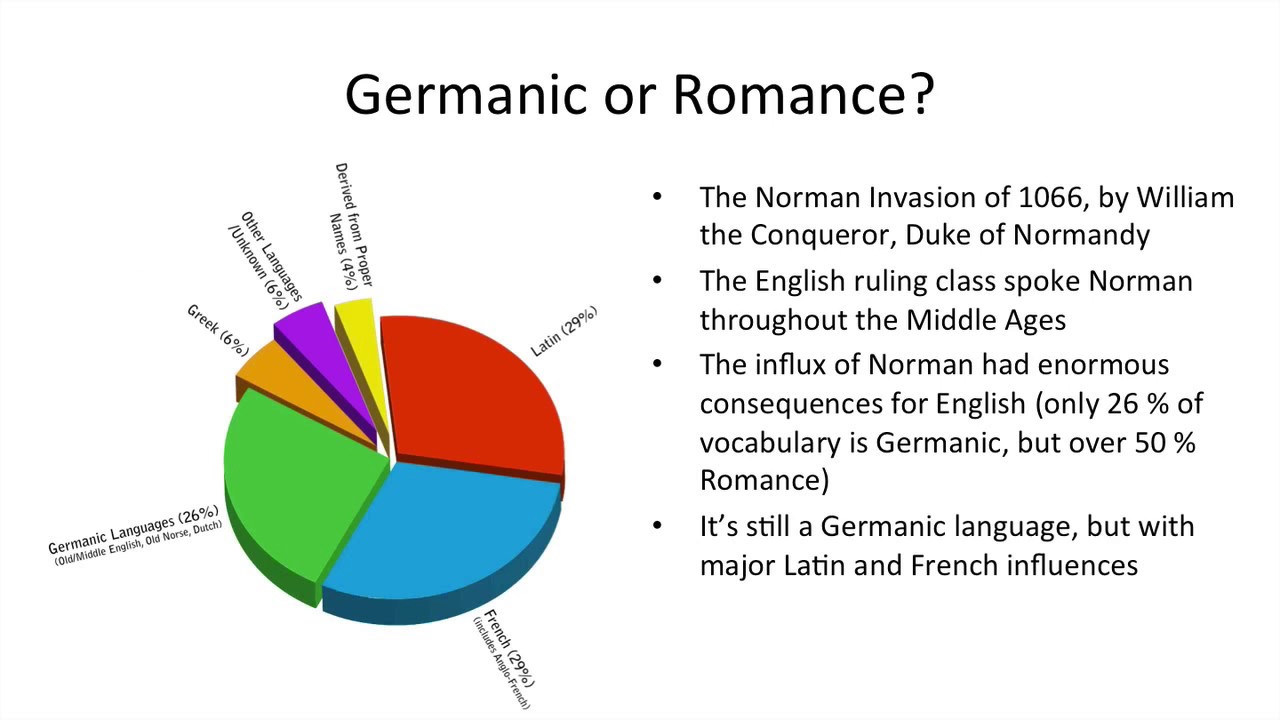
But, how it is named as English? In the Olden era of English, the word English is pronounced as 'Englisc' as it is interrelated to the Angle Tribes Place, called as, Engle, which is the origin of Angle Germanic Tribe. It (Old English) was continued until the invasion of Duke of Normandy (North West France) and by the invasion they conquered England in the 10th Century.
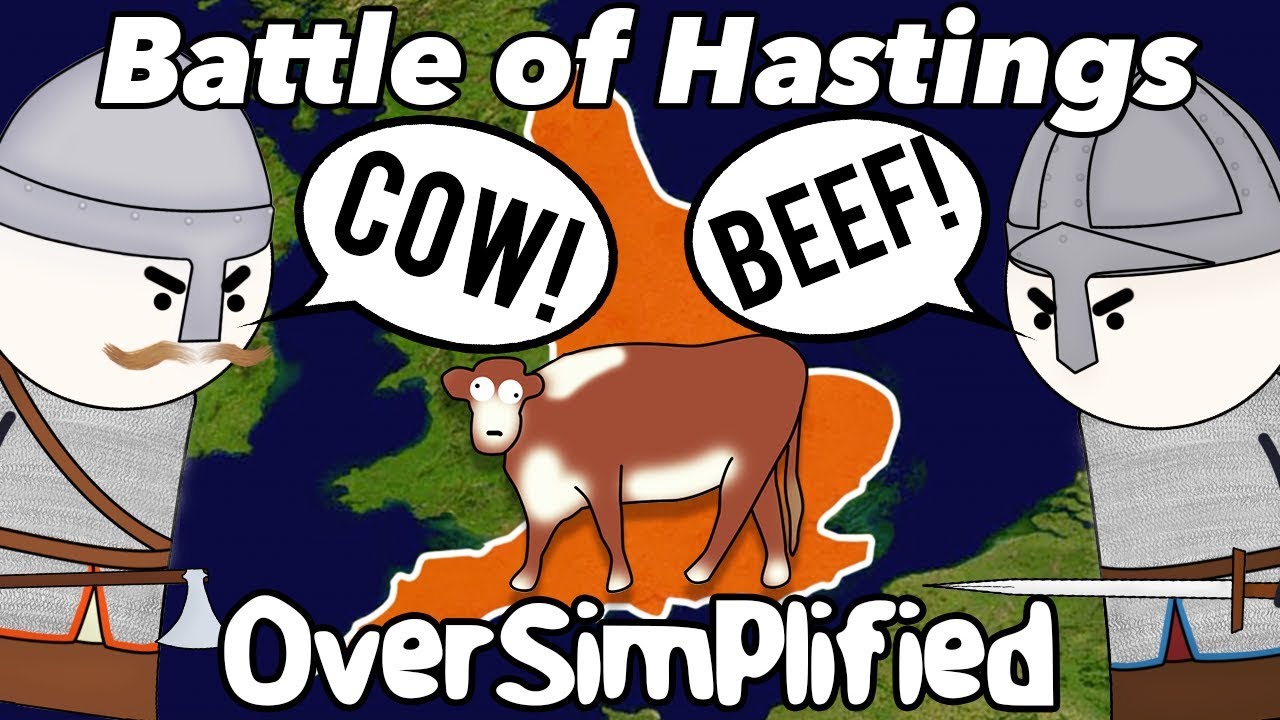
In the early 11th century due to the dominance of French, the upper-class people conversed in French and the the lower class people with English. And it was named as Middle English Period. But again in the 14th century, English raised their domination in Britain.
After this dominating period, it was the birth of Modern English period in the 15th century which led to the development of new Words, Phrases, Grammar and the dialect of London became standard. In 1604 first dictionary was Published. The only difference between the Early modern English (1500-1800) and the Late (Late Modern english - 1800-Present) is the Vocabulary.
It has been progressed, from the dialect of Germanic settlers in the 5th century, to a global language in the 21st century.