In the deep waters of the Pacific Ocean, powerful tuna swim non-stop beneath the waves. Every year, they travel thousands of kilome, chased by both traditional fishermen and modern technology. But their journey doesn't end at sea.
From wild oceans to advanced tuna farms, and finally into the cans we see on store shelves, this is the story behind every bite. Let's explore it together. In the vast Pacific Ocean, powerful currents carry swift, massive shadows beneath the waves.
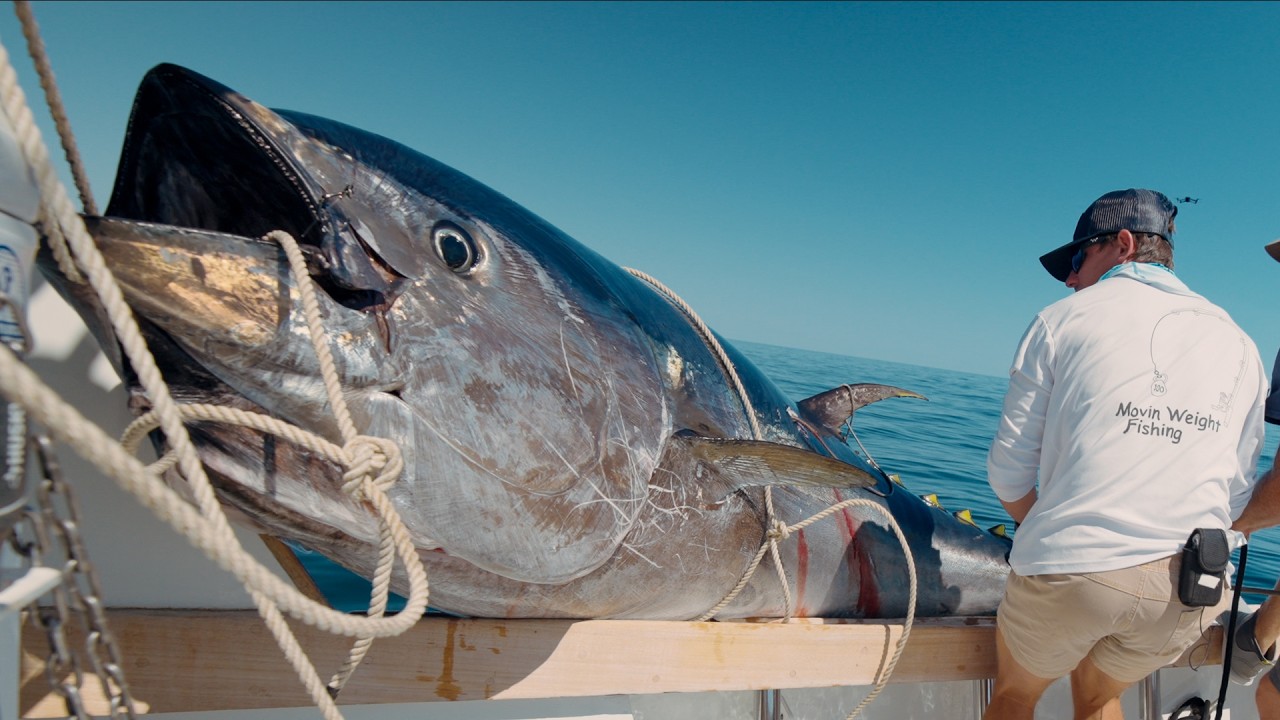
These are tuna, large migratory fish that never stop swimming. Each season they travel thousands of kilometers following warm currents for food and spawning, often in schools of hundreds. A pattern fishermen skillfully exploit to catch these high-speed tuna reaching up to 70 kmh.
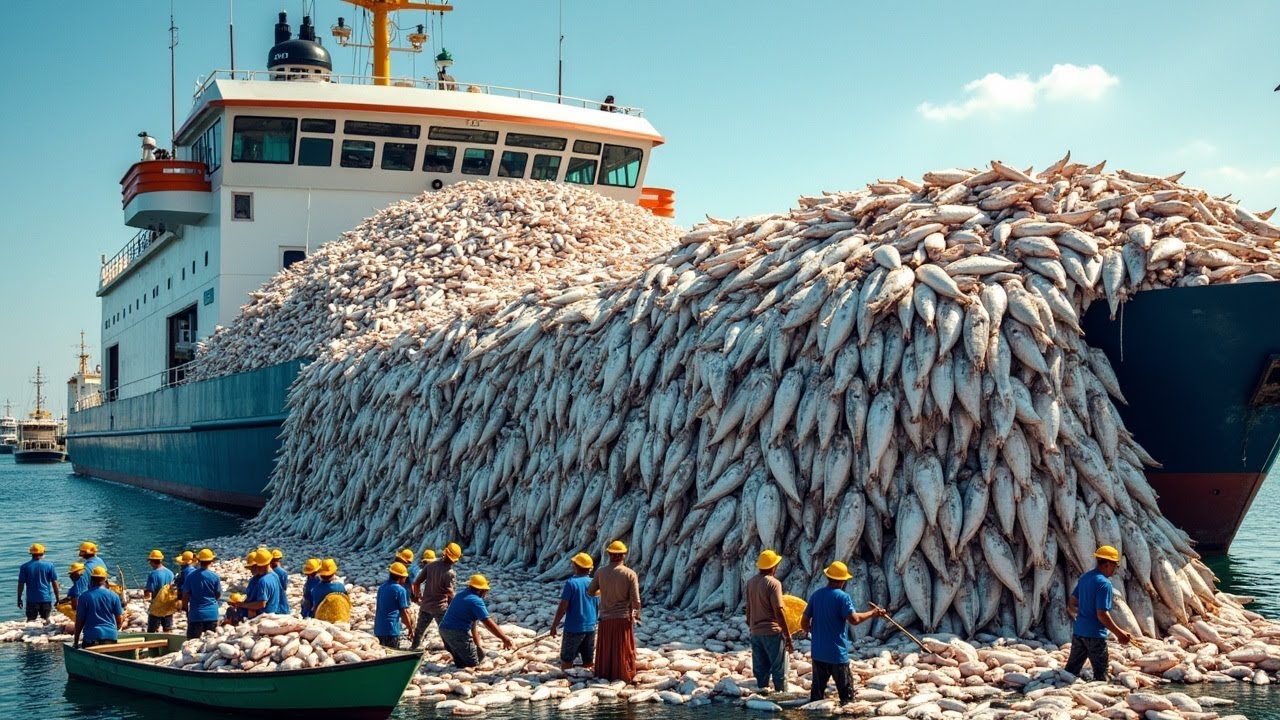
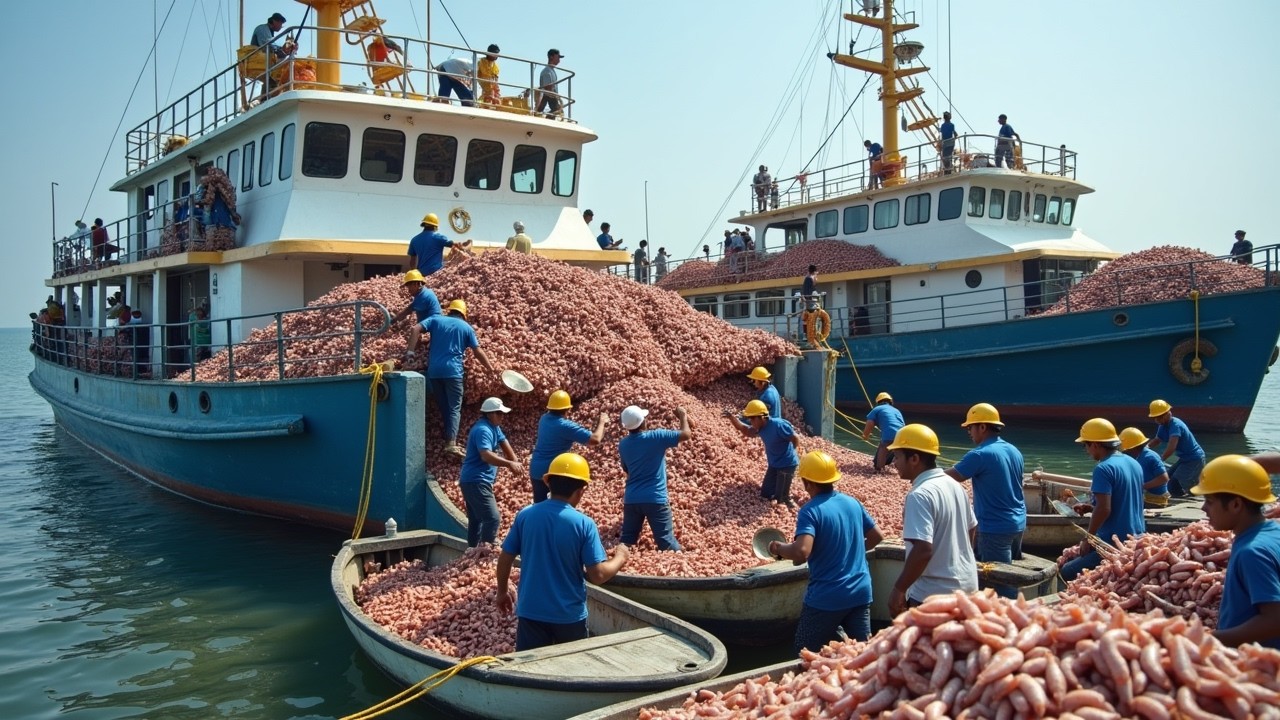
Purse sane vessels use high-tech tools like radar, fish finders, and support boats to encircle entire schools with giant nets. Once the tuna are trapped in the net circle, the mesh is slowly hauled to the surface. And here's a shocking fact.
Each year, over 5 million tons of tuna are caught worldwide. That's heavier than 800,000 elephants. Meanwhile, traditional handlining is still practiced.
Fishermen use long lines with live bait dropped precisely where the tuna are feeding. Though slower, this method produces the highest quality tuna, highly sought after in premium markets. On board, the fish are immediately pre-processed.
They're chilled on ice or placed in deep freeze storage, kept below 0° C until they reach the [Music] port. Over fishing threatens tuna stocks, making open ocean farming a more sustainable solution. Unlike most farmed fish, tuna require vast space and constant water flow to [Music] thrive.
Their diet is carefully calculated, mainly fresh fish processed on site. Raising tuna is a marathon, not a sprint, taking 6 months to a full year. And when harvest day arrives, each mature tuna weighing 40 to 100 kg is carefully hoisted aboard using special cranes.
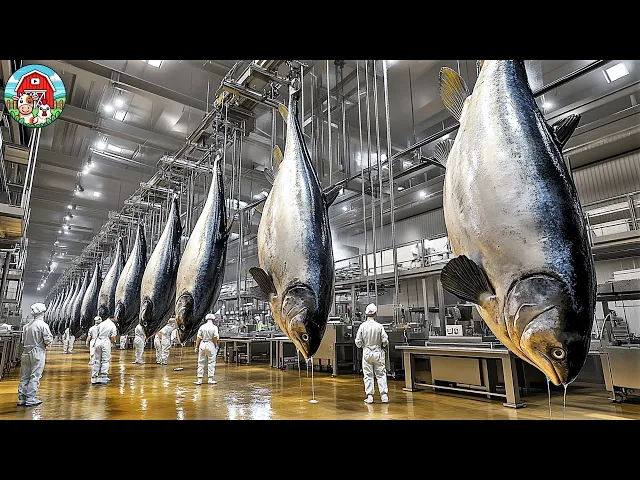
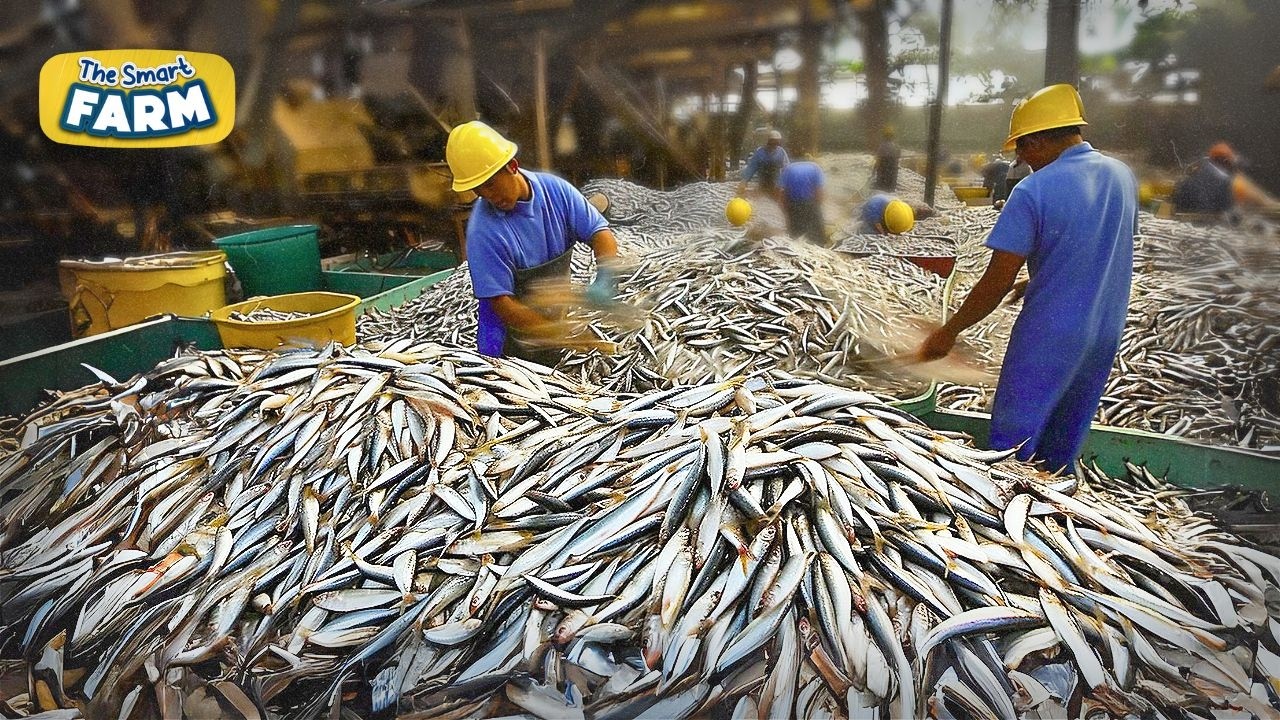
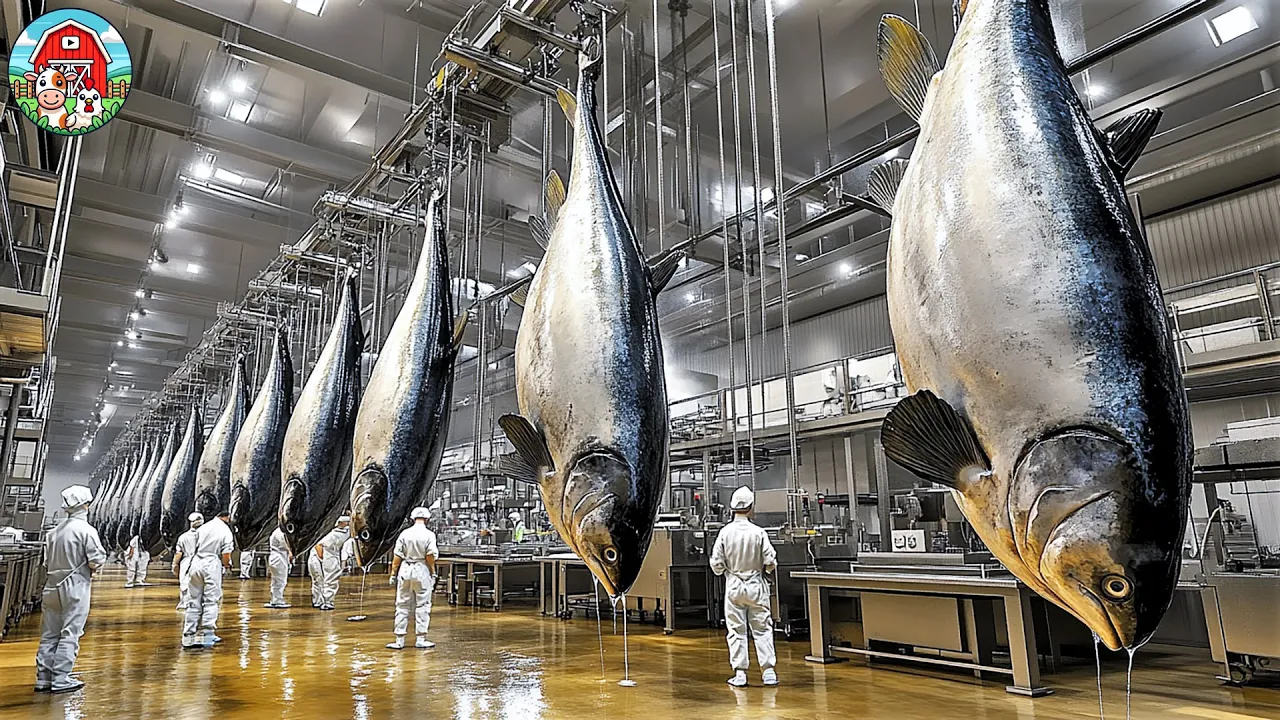
A quick and precise operation to preserve peak freshness. [Music] Now, let me take you behind the scenes of how your favorite tuna gets into that can. First, when the fish arrive at the factory, they're unloaded quickly and moved into the sorting area.
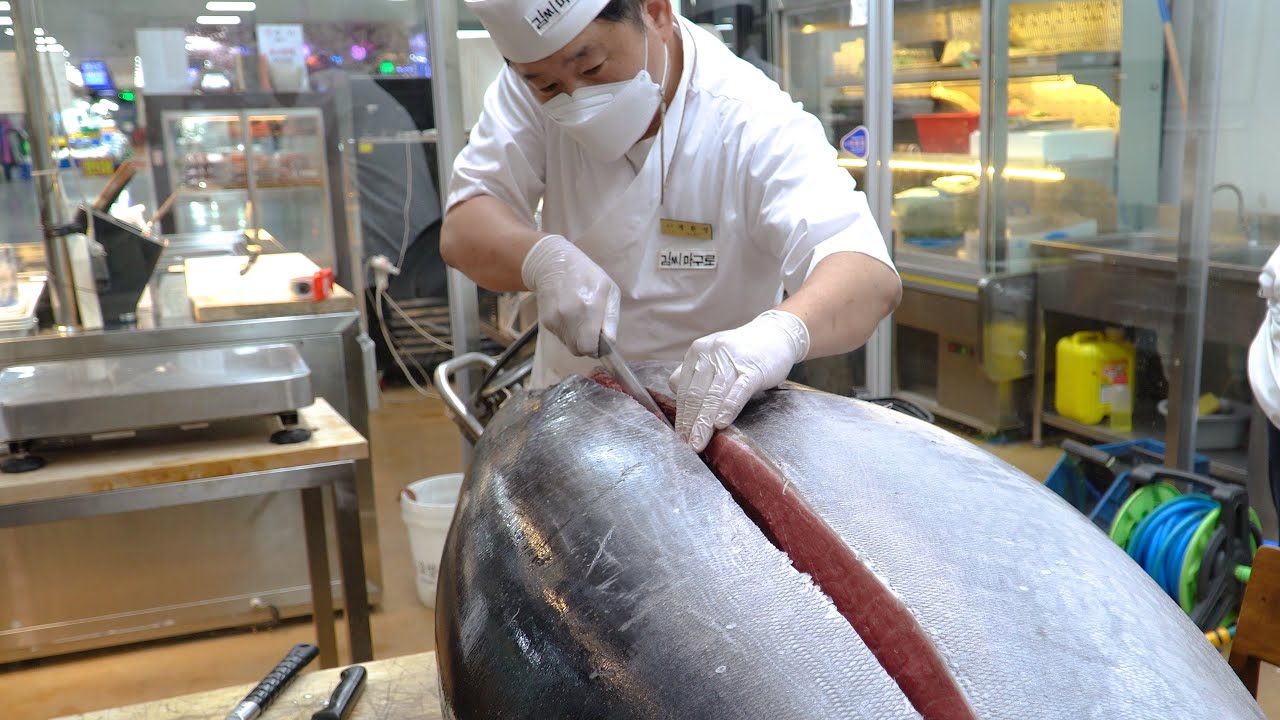
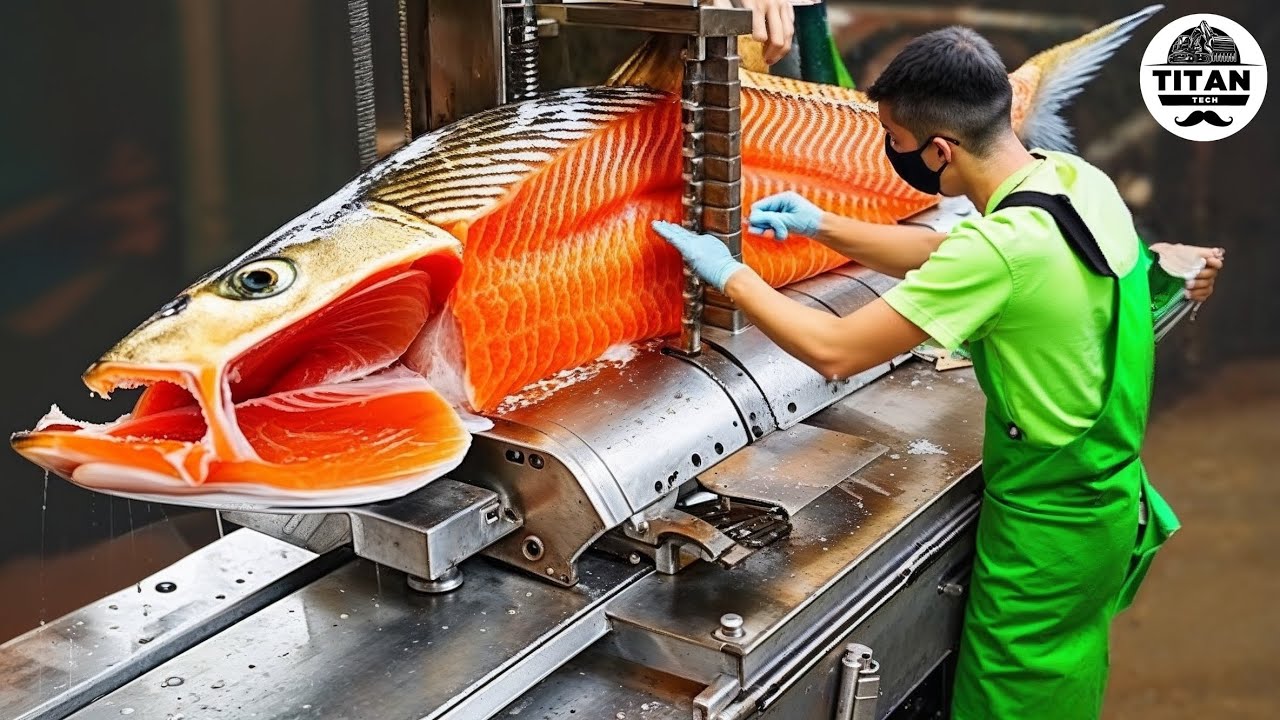
Here, they're graded by size, weight, and [Music] quality. Then comes the cutting. But don't think it's done by hand.
No, these are high-speed, powerful machines that slice the tuna into perfect portions, separating the head, tail, and fillets in just seconds. Once cleaned and portioned, the tuna is steamed to perfection. This ensures the fish is cooked through while keeping all its natural flavor and texture [Music] intact.
Next, the tuna is cooled down to stop the cooking process, locking in those delicious flavors and nutrients. [Music] Then the final cleaning begins. Workers carefully scrape off the skin to reveal the tender white meat inside, which is then trimmed and polished into flawless fillets.
[Music] Now, every batch gets checked. The tuna goes through a metal detector and weighing station to make sure there's no unwanted surprises and that each portion is just the right weight. The next stage is meat filling.
Tuna is laid on a roller, minced by machines, and packed into cans, making sure it's perfectly portioned. Whether by hand or machine, skilled workers make sure the tender tuna is packed into sterilized cans or glass jars. [Music] [Music] Then a touch of oil or sometimes brine is added depending on the product.
This not only enhances taste but helps preserve the fish for long shelf life. [Music] After the tuna cans are sealed, they are washed and sterilized to ensure cleanliness and safety. [Music] [Music] Finally, the cans are labeled, boxed up, and stored in cold warehouses, all set to be shipped across the globe.
And here's something that might surprise you. One large tuna factory can produce over 500,000 cans a day. Can you imagine that?
Half a million little cans of tuna every single [Music] day. And now you know. Behind every can of tuna is an epic journey from sea to shelf.
Thank you for watching and supporting the channel. See you next time.