The environment is everything that surrounds a living being on Earth, providing it with what is necessary to live. It is made up of all the living beings that inhabit the Earth, as well as all the inanimate objects that exist on it. The environment is made up of three possible media: the terrestrial environment, the aquatic environment and the aerial environment.
In turn, two general factors interact in this, biotic and abiotic factors. The former are all living things and the latter all non-living or inert things, such as rocks, soil, water, air and artificial objects created by humans. These factors interact with each other in a complex way, creating a large network that constitutes the environment.
The relationship between all factors exists in a dynamic and global balance, so it changes over time and forms a system that encompasses the entire planet. Environmental pollution threatens life on Earth and therefore it is essential to take care of it. For this, the generation of polluting waste must be avoided, as well as not altering the ecosystems too much.
Characteristics of the environment For each individual, be it a plant or an animal, its environment is everything that surrounds it. This medium is characterized by being extensive, occupying a specific space and time, as well as being dynamic and global. Extension, space and time The environment is defined in relation to a certain individual in a specific ecosystem.
For example, the environment of a gazelle living in the African savannah ecosystem encompasses everything around it. This includes the other gazelles in their herd, other gazelle herds, the other herbivores that graze there, and the carnivores that stalk them. Likewise, it includes the grass it feeds on, the trees where it protects itself from the sun, and the parasites that affect it.
As well as the water she drinks, the ground she steps on and nourishes the plants she eats, the air she breathes and the humans who hunt her or photograph her. System of 3 means and 2 fundamental factors On the other hand, each environment has a matrix in which life develops, which can be the earth, the water or the air. Also their combinations, such as the air-terrestrial environment.
In the example of the gazelle, its environment is the air-terrestrial, while the environment that surrounds a whale is salt water and an earthworm lives fully in the terrestrial environment, inside the soil. In this environment in which the individual lives, there are two interrelated factors: The biotic factors, that is, the living beings that serve him well as a partner, help, competition, food or are his predators. The abiotic factors that lack life and that also affect the existence of the individual.
For example, the water it drinks or absorbs, the air it breathes, the minerals it consumes, the rocks or soil it steps on or burrows into. Dynamic Another characteristic of the environment is its dynamism, since it is constantly changing in time and space. Throughout the day, the year and the seasons, the temperatures, the amount of rain, the winds, the marine currents and the populations of living beings vary.
On a large time scale, for example tens of thousands of years, a savannah can become a desert, as happened with the current Sahara desert. Global Although the environment is local, that is, it is the environment of a living being in a specific locality, its characteristics are defined globally. For example, plants that grow in the Orinoco River basin in South America take minerals from their environment, specifically from the soil.
However, that soil is enriched with minerals that come in the clouds of dust carried from the Sahara in Africa, year after year. Even for some species their environment is directly global, such as whales that migrate from one point in the ocean to another. The human being and resources In the beginning, the human being was not a prominent element of the environment for other species.
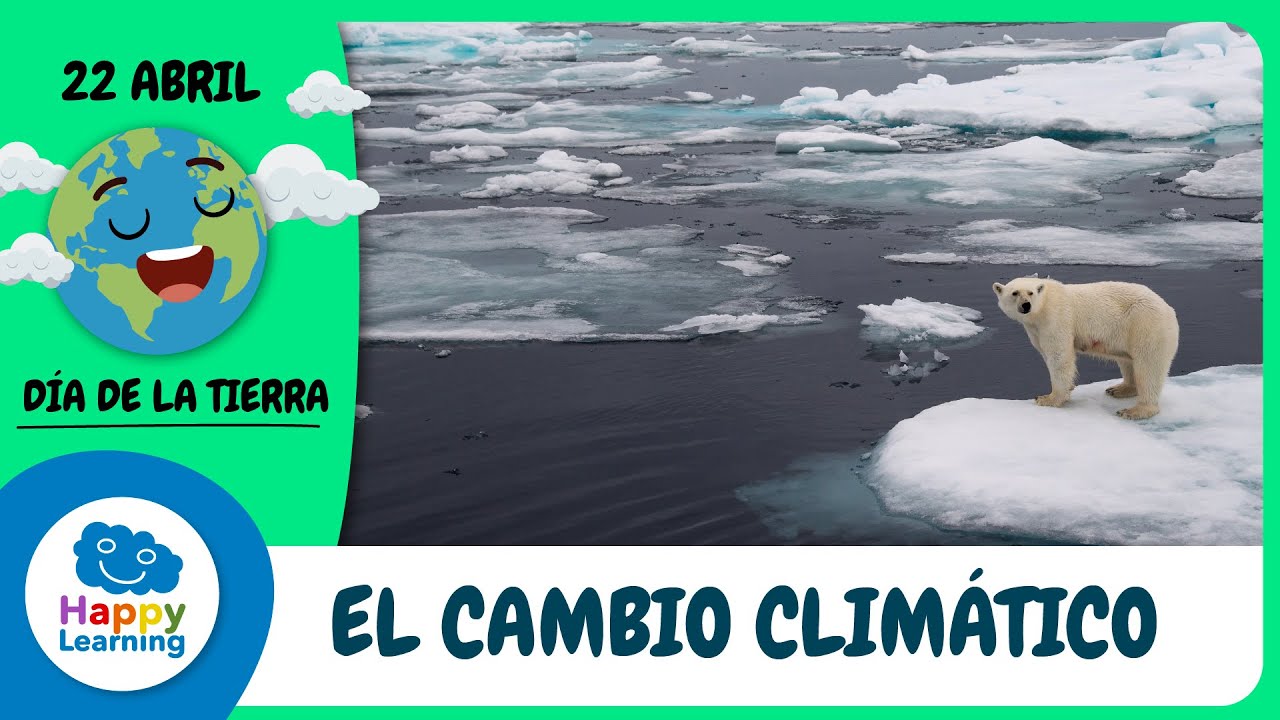
However, today our ability to modify the environment is such that we have become a fundamental factor. It is enough to mention the effect that human activity is having on the extinction of species and on global climate change. Importance of the environment Can you live without food, without shelter, without breathing the air, without drinking water?
This is impossible, no living being can, so the environment is of vital importance. Life support is required, that is, something that at the same time provides physical support, supplies the elements required to develop and reproduce. That is what constitutes the environment.
Pollution of the environment In order to fulfill its function of sustaining life, the environment must conserve its natural properties. That is, if it is a river, the water must remain clean and with sufficient dissolved oxygen. If it is the environment of a city, the air must be healthy, the water must be drinkable and there must be no sources of disease.
Therefore, everything that pollutes the environment, that is to say that alters its natural properties, is harmful. Unfortunately, there are several sources of contamination. Emission of industrial gases Many industries expel gases into the atmosphere, some of which are toxic to living beings, such as carbon monoxide (CO).
Others, such as CO2, contribute to heating the atmosphere, increasing the temperature of the planet and altering ecosystems. Urban garbage The waste we produce in cities and towns, as a consequence of the consumption of different products, is an environmental contaminant. An especially serious problem today is the plastics that pollute the soil, rivers and seas.
Wastewater When we use water to bathe, wash dishes, clothes or the car, the water becomes contaminated. If that water reaches the rivers and oceans without treatment, the environment becomes polluted and living beings die. Radioactive waste Nuclear power plants and other activities that use atomic energy produce radioactive waste.
If these are not properly disposed of, they pollute the environment for millennia. Forest fires Vegetation fires not only directly destroy the environment, but also release CO2 contributing to global warming. Vehicle traffic One of the largest sources of environmental pollution in cities and their surroundings is automobile traffic, since for now most transport vehicles are powered by gasoline or diesel engines that release toxic gases, such as CO and CO2.
Agricultural and livestock waste Agricultural and livestock activities use various chemical products that are added directly to the environment, polluting it. These include pesticides and fertilizers, which either directly kill many organisms or cause phenomena such as eutrophication. The latter consists of adding extra nutrients to the water of rivers and seas , an unusual growth of algae occurs that depletes the oxygen in the water, causing the death of aquatic fauna.
Oil spills This is another serious problem resulting from the extraction and transportation of oil, which is still the world's main energy source today. Spilled oil contaminates soil and water, damaging the environment. How to take care of the enviroment?
Given the importance of the environment for life, it is essential to keep it healthy and for this it is necessary to avoid contamination. Technological improvements By developing technologies that allow us to satisfy our needs without polluting or polluting less, we take care of the environment. For example, hydrogen as fuel for vehicles or the manufacture of electric vehicles, reduces the emission of polluting gases.
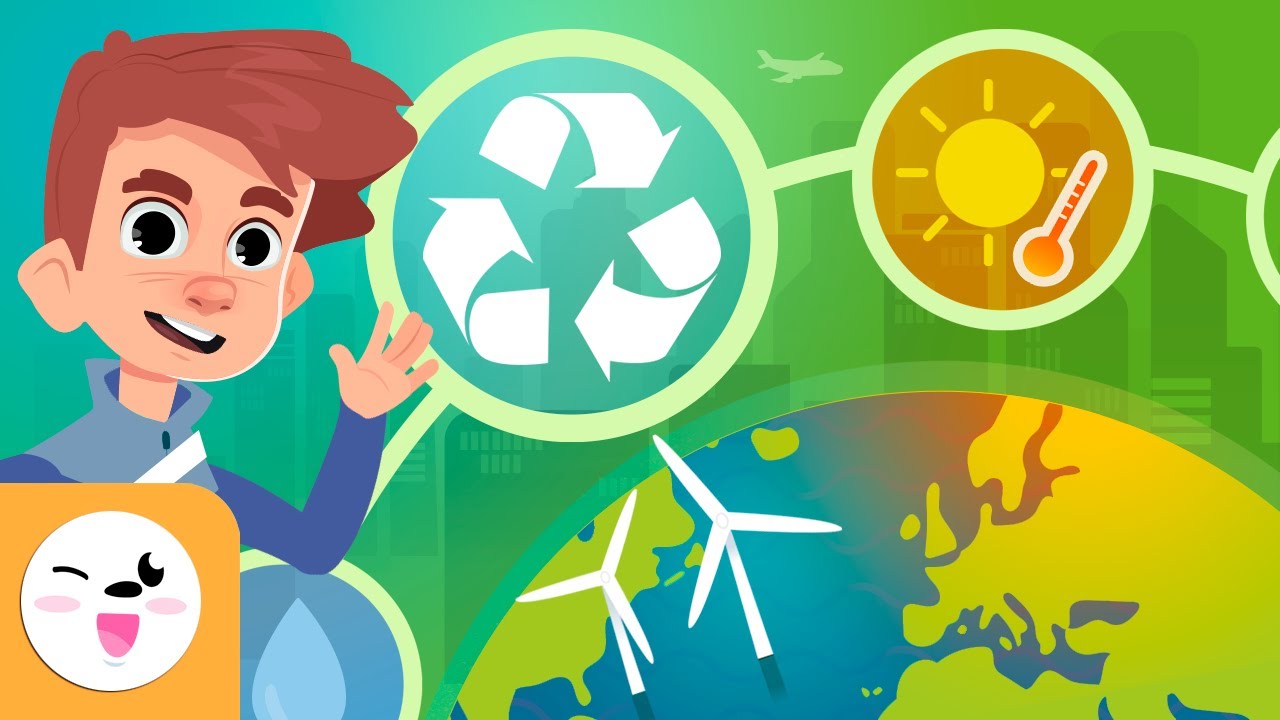
Clean energy One of the biggest sources of environmental pollution is the burning of fossil fuels, such as oil and coal. So if we replace these energy sources with clean ones, we take care of the environment. These clean energies are solar energy, hydraulic (water), wind (wind), geothermal (heat from the interior of the earth), among others.
The 3 R's If we apply the 3 R's of ecology we also help the environment: reduce, reuse and recycle. Reduce: it is about consuming less in order to use less raw materials extracted from the environment and generate less garbage. If you change your mobile phone just because you want a new model, you will generate more garbage.
Reusing things instead of throwing them away, like when you use a bottle over and over again to carry drinking water. Finally, recycle, that is, use the materials of something discarded to produce something new. Waste Management Properly processing the waste we generate and not releasing it into the environment prevents its contamination.
For example, processing wastewater before it reaches a river or the sea. In the same way, classify the garbage and process each fraction according to its nature. For example metals, glass and plastic to recycle them and organic matter to convert it into fertilizer.
Organic agriculture Practicing agriculture that uses fewer agrochemicals reduces the impact that these products have on the environment. There are various techniques that reduce the effect of pests and diseases without excessive application of chemicals. Likewise , organic fertilizers can be used instead of chemical formulas.
We are done with this topic. I hope you have learned, if you liked it, give it a like and subscribe. You can also visit lifeder.
com and search for what you need. See you soon and have a nice day.