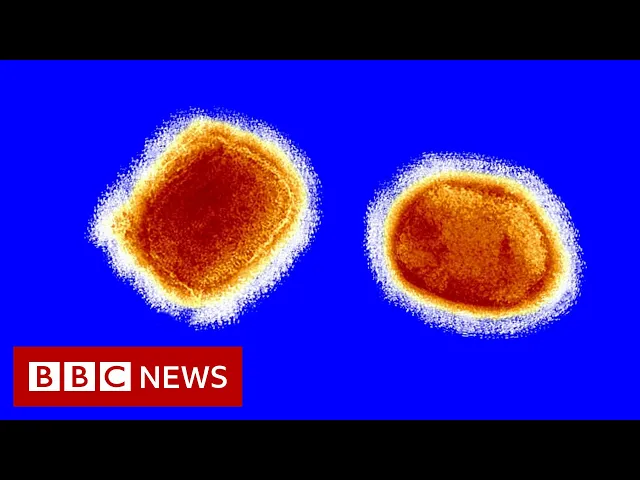
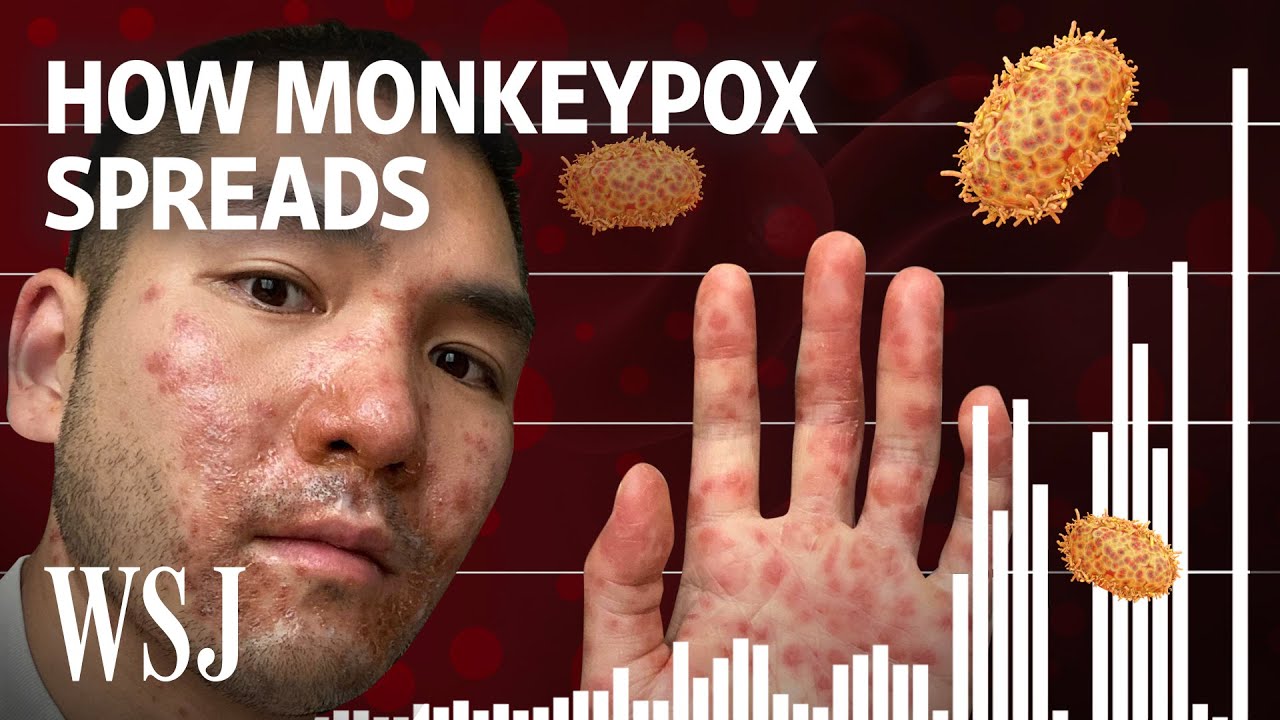
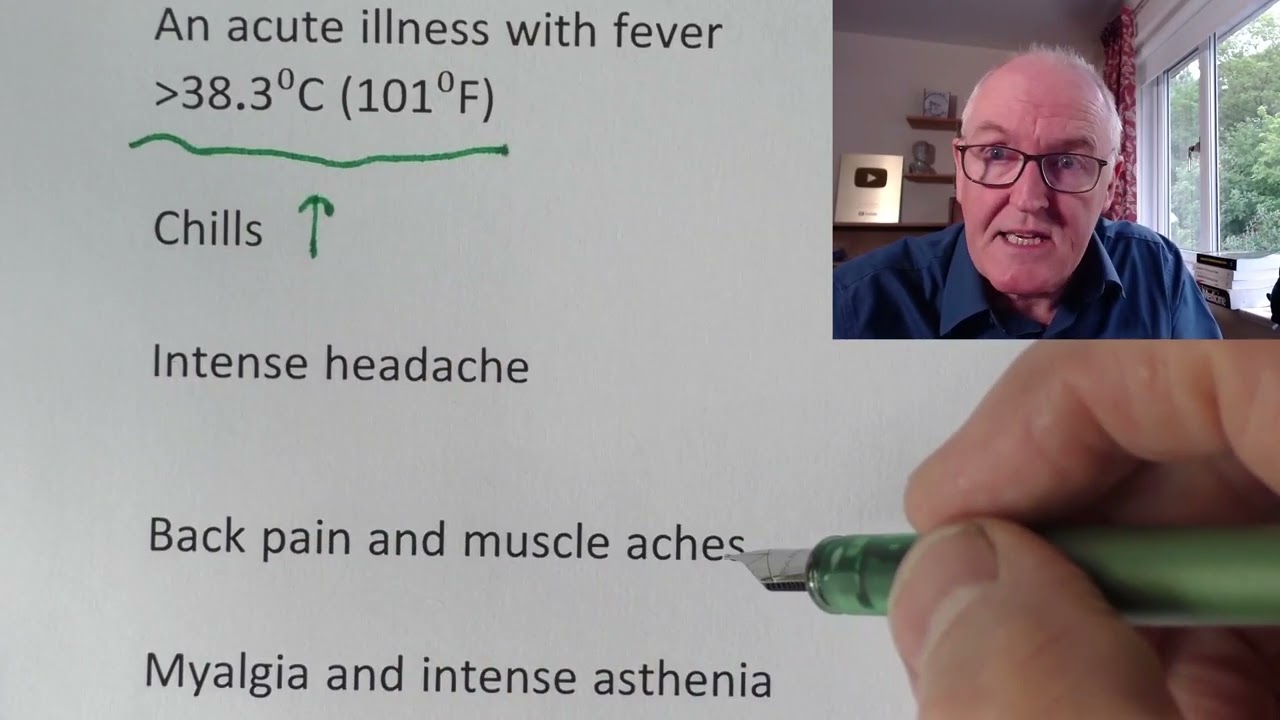
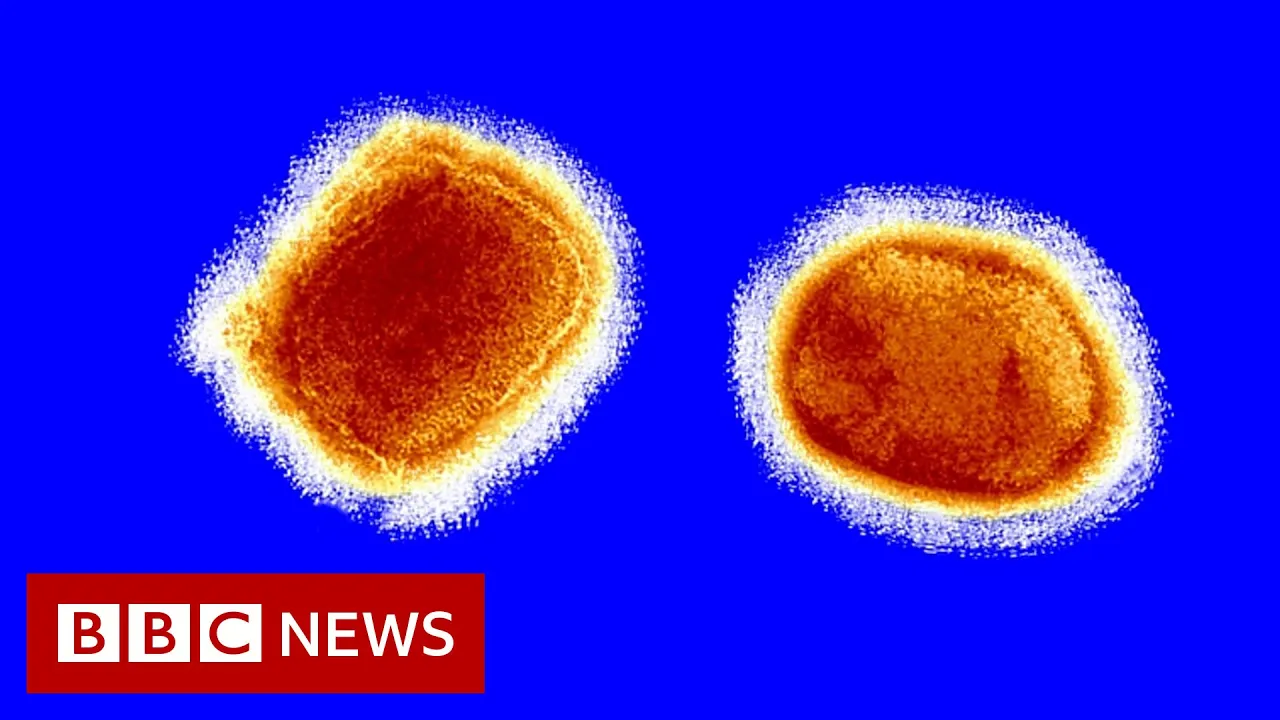
monkey pox has now been detected in three more countries bringing the total to 15 as scientists say they are still unsure uh what is causing the outbreak australia israel and switzerland are the latest to report a presence of the virus well these cases come as britain's health security agency has said higher risk contacts of people with monkey pogs should self-isolate for three weeks as mark lobel reports it's still unclear why we're witnessing this unusual spread of monkey pox as more patients emerge with the common symptoms of a bumpy rash fever sore muscles and a headache
but it is something that everybody should be concerned about we're working on it hard to figure out what we do and what vaccine of any may be available for but it is a concern in the sense that if it were to spread it's consequential austria has joined israel and switzerland in confirming cases of monkey pox there bringing the total number of nations reporting outbreaks to 15. so how dangerous is the virus strain detected in austria actually it's not very dangerous we know from great britain that it is probably the west african strain and that is
not very dangerous the death rate is around 1 but usually we have mild cases however the uk health security agency warns severe illness can occur there are certain individuals who are much more at risk of severe disease particularly immunosuppressed individuals or young children it can take around 12 days to show symptoms and patients are advised to isolate until their scabs have fallen off belgium has become the first country to introduce a compulsory 21-day quarantine for monkey pox patients contract traces in the uk are going one step further advising people who have had direct unprotected contact
with a case to self-isolate for 21 days too what i think will happen is yet there will be more spread but it will be slow and what you'll start to see is that outbreak starting to to kind of ebb away as more and more people become aware that monkeybox is spreading that they they seek treatment and we start to deploy the smallpox vaccine to do what's called ring vaccination to vaccinate all the contacts in a ring around the cases so that we stop the spread past outbreaks have been stopped in their tracks like in the
us in 2003 but the outbreak of this strain amidst a global pandemic and the emergence of monkey pox in countries where it doesn't normally appear adds to the concern mark lobel bbc news let's speak now to dr hell and with vimela ratna who's an expert on infectious diseases at the university of birmingham uh dr helen thank you for being with us um and the message quite clearly in that package as well is that there is nothing to panic about but people need to be aware they need to be conscious and they need to seek help
if they are concerned um talk to me about where this may have come from and how we are seeing so many cases yeah so it's really unusual obviously to see a cluster of cases like this it seems like it was probably imported from an individual who traveled to west africa it seems genetically like it's the west african strain that's circulating so now it's circulating within particular pockets and sub-populations predominantly in urban areas which is different from the natural epidemiology that's seen in west africa where it is more confined more usually to rural areas and the
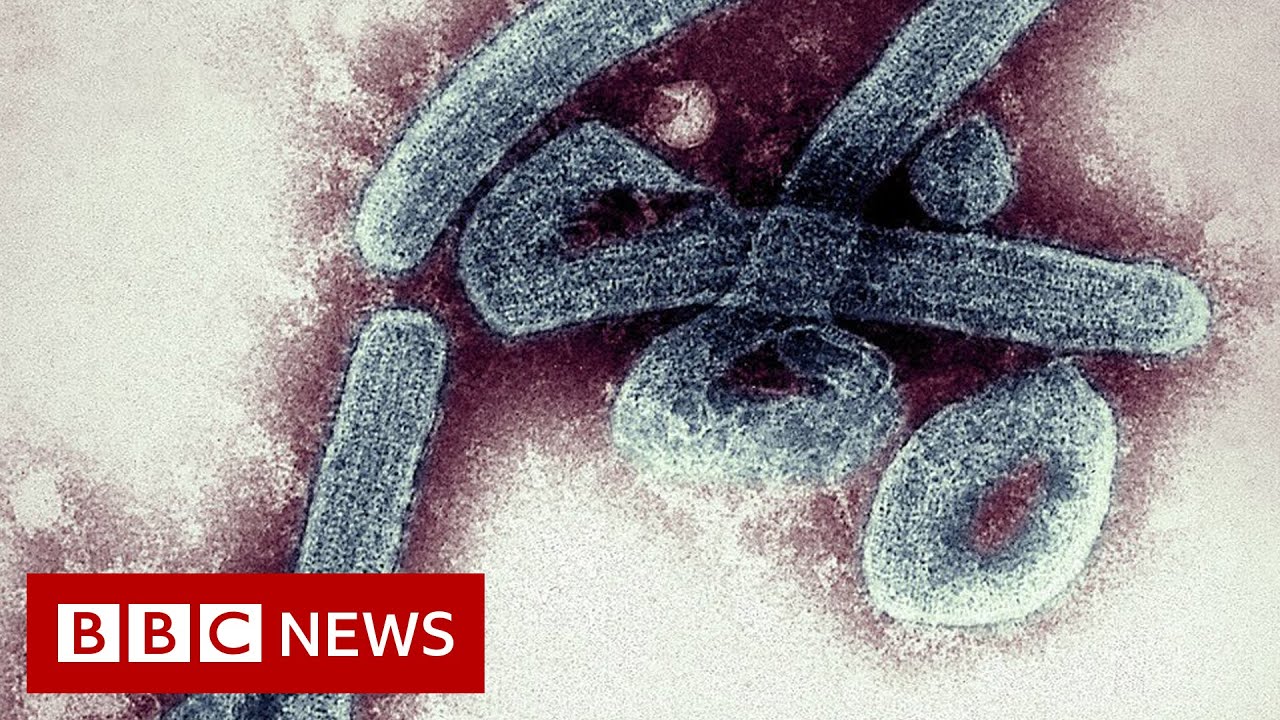
interesting thing about monkey pox is that we although we know a lot about the biology of the virus we don't necessarily fully understand the epidemiology of it so it's likely to be um usually confined to animal populations and then to spill over into human populations but we don't know what the animal reservoir is but we know that human to human um transmission is not usually the most important method of transmission yeah so towards me and sorry to interrupt talk to me a little bit about that transmission how is it being transmitted and how can people
uh you know prevent that transmission if possible yeah so it's transmitted by really close contact usually with bodily fluids so that would be the sort of contact that you might have with somebody that is dependent on you for care or with a close partner so we're talking about really close and household contacts we're not talking about casually walking past somebody in the street or sitting next to somebody on a bus so i think that we should definitely have a message that nobody should be overly alarmed and nobody should be panicking obviously good hygiene is important
but contact racing is going to be really important and it would be nice if we learn very much from the lessons of covid and put into place really good early contact tracing we talk about following up two rings um of contacts around the cases that are identified and then to offer vaccination where appropriate and monitoring and isolation and i think that if this is practiced really well it would be great if this is kind of a textbook example case going forward for when we have inevitably we will have similar outbreaks in the future yeah it's
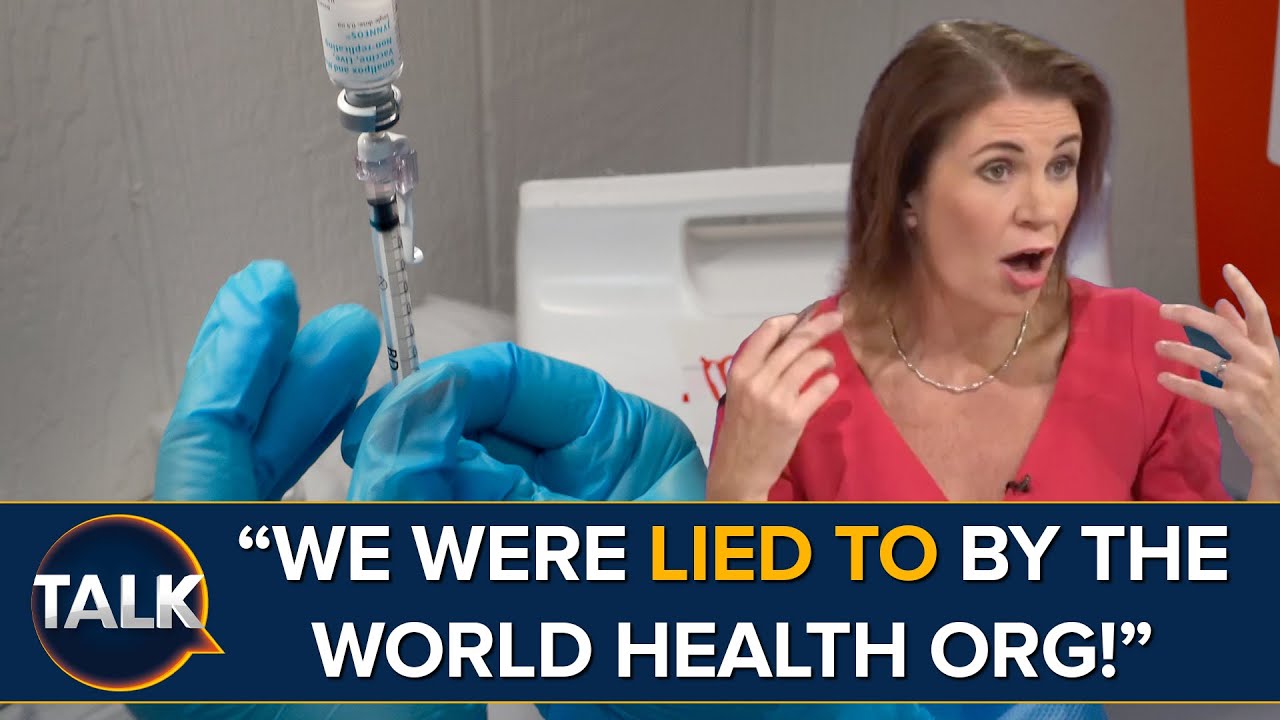
interesting to draw those parallels with covid although as you point out uh there is nothing like the risk associated with kofi but nonetheless we've learned a lot haven't we about contact tracing isolation so the uk and belgium now recommending a three week isolation period to try and put a lid on this uh and also clearly vaccines as well talk to me about what vaccines are available if anyone is concerned that they may be suffering from this yes so there is one vaccine which is licensed by the european medical association which um has been licensed to
prove for use for um for monkey pox and it's actually originally developed as a smallpox vaccine but it's approximately 85 percent effective at preventing smallpox excuse me at preventing monkey pox um so that is a highly effective vaccine and that could be appropriate for people who have particularly close contact and in particular those who might have underlying health conditions which compromise their their natural immunity um thank you for being so clear on that it's really important isn't it uh dr helen of vamillaratna i pronounce it right this time thank you who's an expert on infectious
diseases at the university of buckingham thanks so much