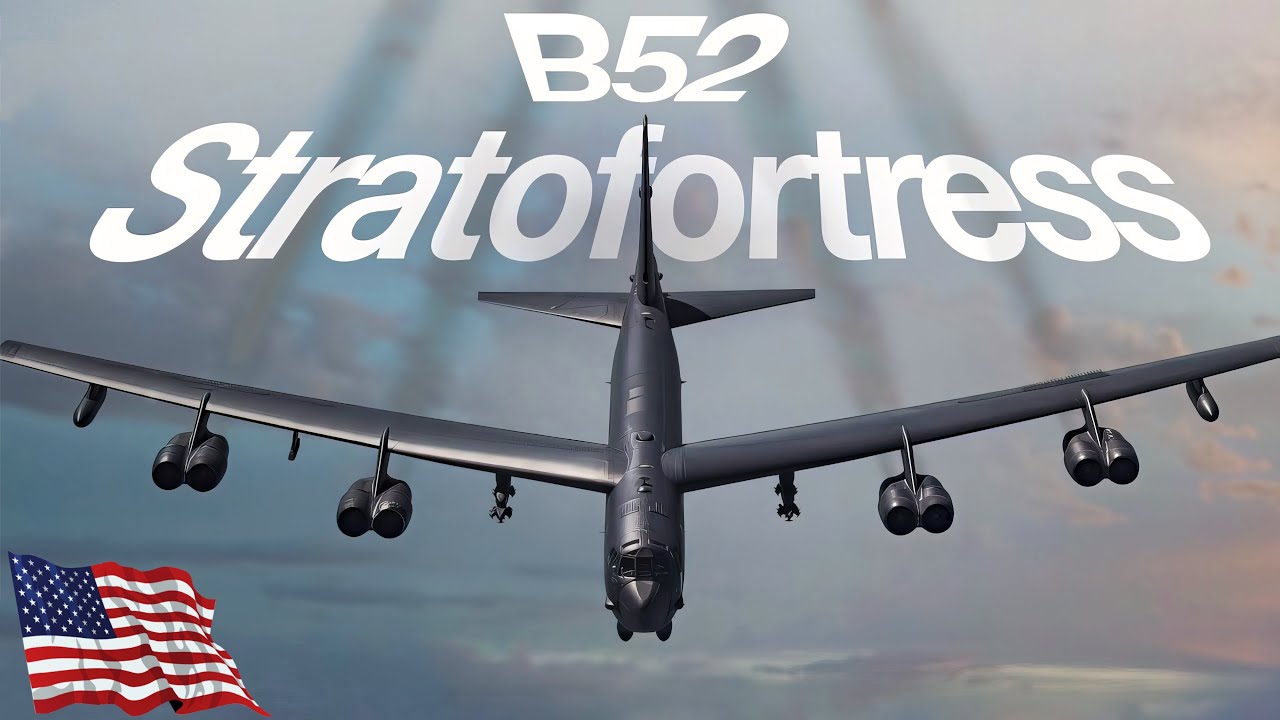
the United States military is about to give the famous B-52 Cold War era bomber aircraft a new lease of Life thanks to an upgrade that will see it fitted with new and more advanced engines it is an upgrade that will see the Workhorse of the country's bomber Force continue flying for a quarter Century more taking its Total Service time to about a century these engine upgrades are huge and might hint at something even bigger so stay tuned the Boeing B52 Strat Fortress is an American long-range heavy bomber designed by Boeing in 1948 the aircraft made
its Maiden flight in 1952 and was first delivered for military service 3 years later initially the military intended to use it as an atomic bomb carrier with the ability to reach the Soviet Union however with time the aircraft proved to be easily adaptable to multiple missions this being one of the reasons why the military has kept it in service for such a long time the Army made eight variants of this bomber aircra and designated them a through H the H variant is the only surviving aircraft in the United States Air Force service with 76 of
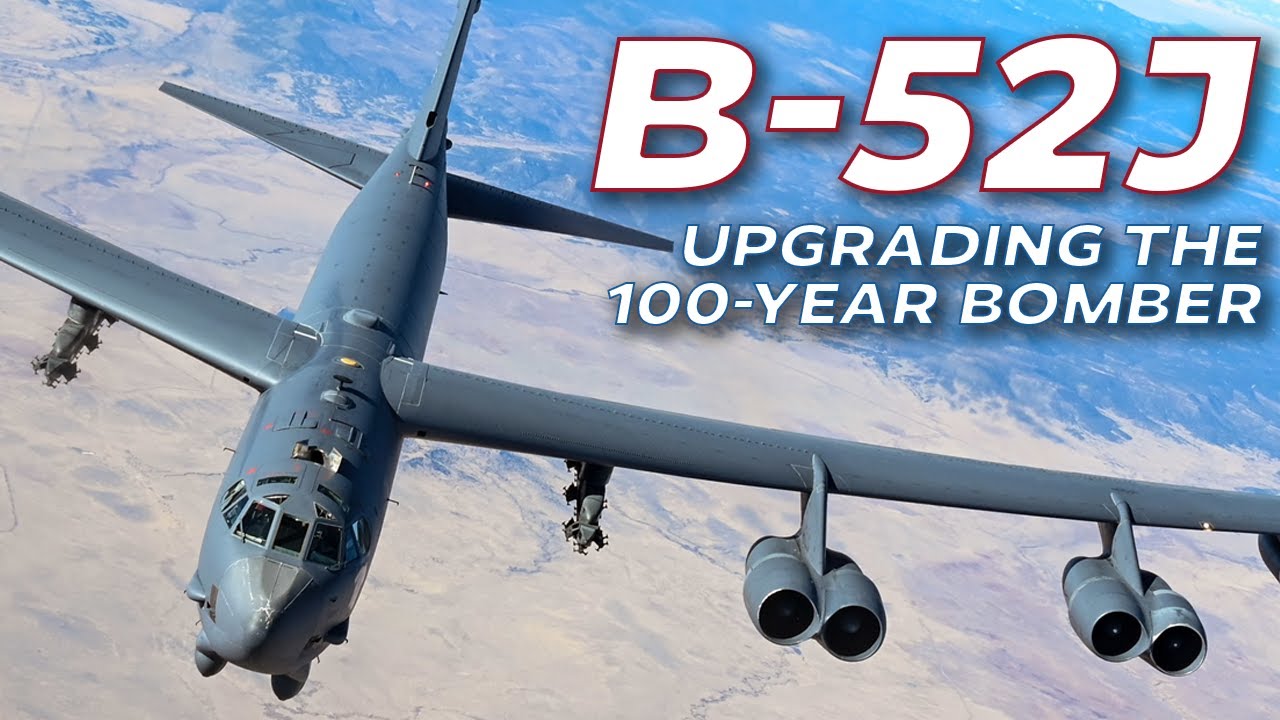
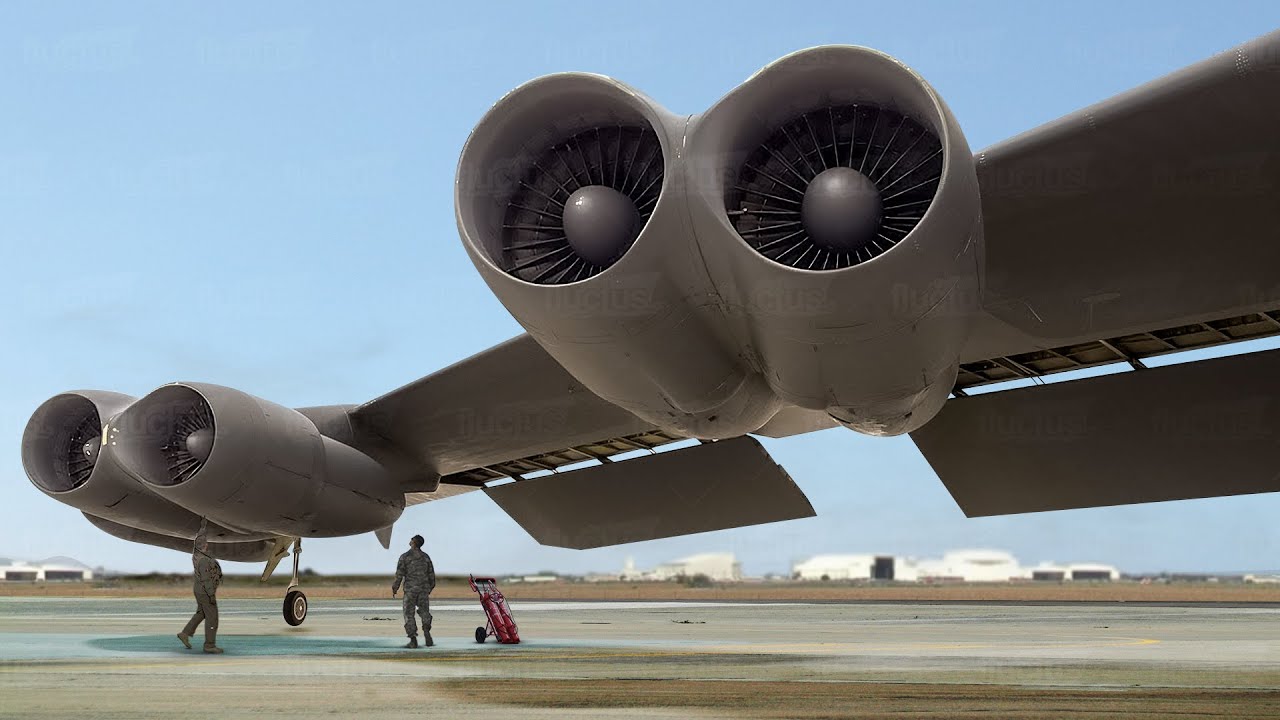
them flying the B-52 bomber has proven to be an integral part of many missions that the US Air Force is involved in one such mission is the Desert Storm where these bombers delivered 40% of all weapons dropped by Coalition forces this explains why it has been around for decades and why the Air Force is not shy to spend billions of dollars to revamp it what is beneath the wings of this oldie but goody heavy bomber a total of eight Pratt and Whitney TF 33 P3 engines each of them dispensing about 177,000 lb of thrust the
B-52 is unique in having two engines each in four pods under its wings with these engines the B-52 can reach speeds of up to Mach 0.86 and cover a range of about 7,652 nautical miles talking numbers the TF 33 P3 engine is essentially a two- spool axial flow turbofan Engine with two fan stages a 14 stage compressor section with seven stage intermediate pressure and seven stage high pressure and a four stage turbine with one stage high pressure and three-stage low pressure this engine is 11 ft 4.32 in Long 4 ft 4.93 in wide and about
3,900 lb in weight these engines are low bypass turbo fans which means they have a relatively small fan at the front that bypasses some of the air around the engine Corp talks about re-engining the B-52 started as early as 1997 there were at least seven studies that aimed to determine the best option between maintaining the B-52 with the same engines and re-engining them the conclusions of these studies were similar the option of newer engines was more viable over time technology and innovation has se seen the development of newer engines that offer significant fuel savings also
engine thrust capability has grown significantly meaning that it is possible to replace each pair of engines on the B-52 with a single larger turbofan with the same or more thrust the military also identified another problem with the tf33 engines over time the cost of repair and maintenance of these engines was increasing at a big rate this also added to the reasons supporting the need for a change another Factor that has pushed the US military to re-engine this heavy bomber is the operational benefits that will come with this move these benefits include access to Shorter runways
increased takeoff weights at high ambient temperatures ability to fly a longer range in more endurance in terms of fuel re-engining the B-52 could see fuel Savings in the regions of 15 to 20% with a potential increase to 38% for Missions when tanker fuel is also a factor this move is also expected to see unrefueled Mission radius increase by about 45% confirming the need for re-engining the bomber Robert gas Boeing's strategic development and investment manager said Pratt and Whitney made a great engine that has served the B-52 very well but it is approaching the end of
its life and we have to act now in order to keep the B-52 viable after it was clear that the B-52 needed to be re-engined the Air Force invited proposals from interested firms from the start it was clear that this was a three-way contest between GE Aviation Pratt and Whitney and Rolls-Royce in the end the Air Force awarded Rolls-Royce of North America a contract worth $2.6 billion to produce 68 jet engines to replace the Aging Pratt and Whitney's TF 33s in a program known as the B-52 commercial engine replacement program speaking about the win Craig
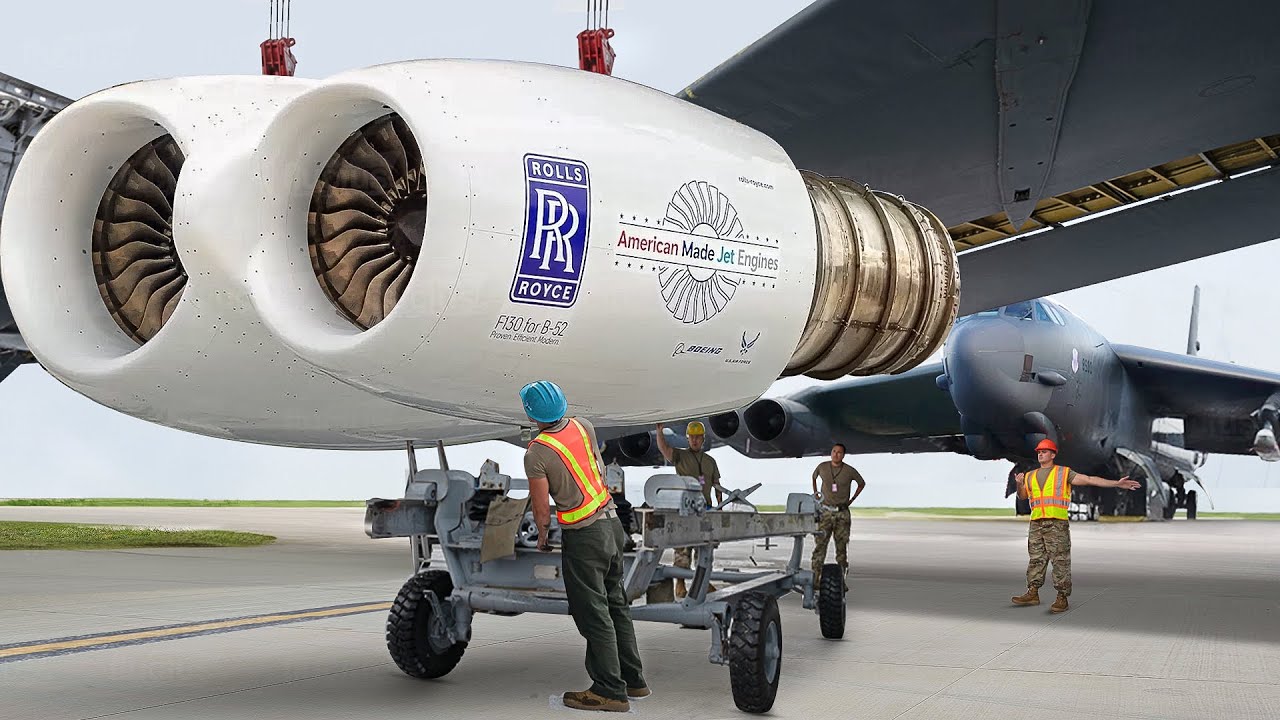
McVey rolls-royce's senior vice president strategic campaign said this is a major win for Rolls-Royce we've been planning and preparing for this outcome and are ready to hit the ground running to prove that we are the best choice for the Air Force in the B-52 the new engine is known as the f-130 a derivative of the Rolls-Royce BR family of commercial engines it is an already tested and proven engine in military circles having been used to power the c37 and E11 bacn the engine produces 17,000 lb Force thrust Rolls-Royce has hailed the engine for its 30%
greater fuel efficiency improved range better fuel performance especially in areas with few us bases greater reliability and reduced tanker aircraft requirements the Air Force expects that the first two re-engine b-52h aircraft will be delivered by the end of 2025 opening a new chapter of ground and flight testing the re-engining process is also expected to go concurrently with an upgrade to the aircraft's subsystems to ensure that it stays up to date for the next 25 years Focus areas will include electrical power generation new engine pod structure pneumatics digital engine controls and new cockpit displays it is
also important to note that Rolls-Royce said that once the new f-130 engines are installed they will be able to stay on Wing throughout the plann duration of the bomber's lifetime this could mean that the Air Force could save a great ton of time money that could have been spent dropping the core for regular maintenance for the intended life of the aircraft it would be a good move that all engine work is to be done on the pylon so far Rolls-Royce has performed multiple tests on the f130 engine one of the most important tests was conducted
at NASA's stennis Space Center in Mississippi the engine was put on a specialized test stand that allowed a complete two engine pod to be put on operations under various conditions the team of Engineers used a giant wind fan to test the engine in simulated Crosswinds reaching up to 50 knots from different directions the team also used a platform on a scissor lift in front of the engine to simulate operations at diverse altitudes above a Runway Rolls-Royce stated that it is happy with the results it has gotten from the test so far the f-130 program manager
Scott Ames said the test data we have gotten back has been in line with what our models predicted it has proven that we've got it right however the re enging process of the B-52 has not been a straightforward decision initially there were considerations of reducing the number of engines from 8 to four you might ask why did this fail to happen you see although four engines might be doable especially considering the significant Improvement in performance over the years it would mean more modifications to the heavy bomber with more modifications comes increased costs the B-52 was
designed with eight engines in mind and these engines are twin mounted on the pylons if this number was to be reduced to two on each side it would mean that the wings would also need to be modified with a likelihood to also modify the tail not to mention every test that would need to be performed due to the need to rewrite the manuals there were also questions on why the Air Force chose 8 f-130 engines when 2 GE 9x engines would be more powerful deliver better fuel efficiency and are quieter aside from the design issue
of the B-52 there is also the aspect of compatibility and retrofitting the ge9x engines are primarily designed for commercial aircraft specifically the Boeing 777x therefore adapting them for military applications on the B-52 would have required extensive modifications in engineering work on a lighter note however Aviation enthusiasts will have to look for another distinguishing feature of this aircraft this is because the new f-130 engine will produce minimum smoke meaning that the B52 heavy bomber will no longer be characterized by the long and dark smoke Trails it has been famous for don't forget to like And subscribe
and we'll see you in the next one