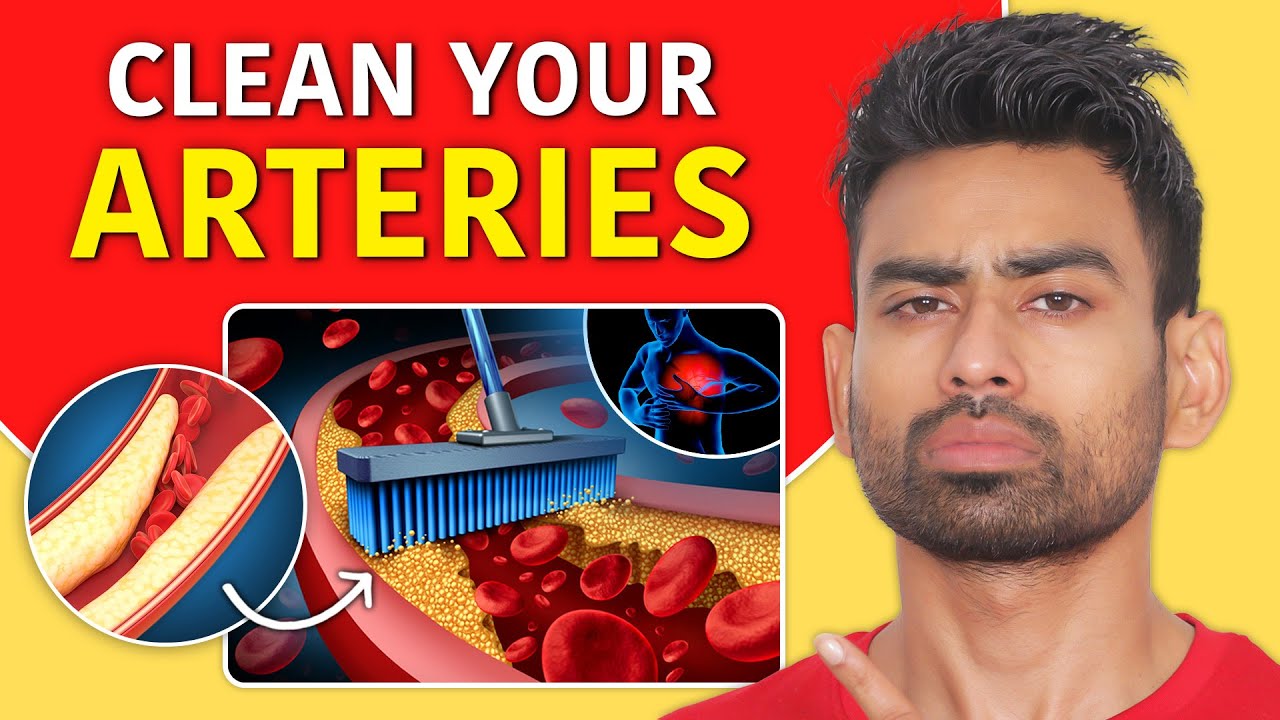
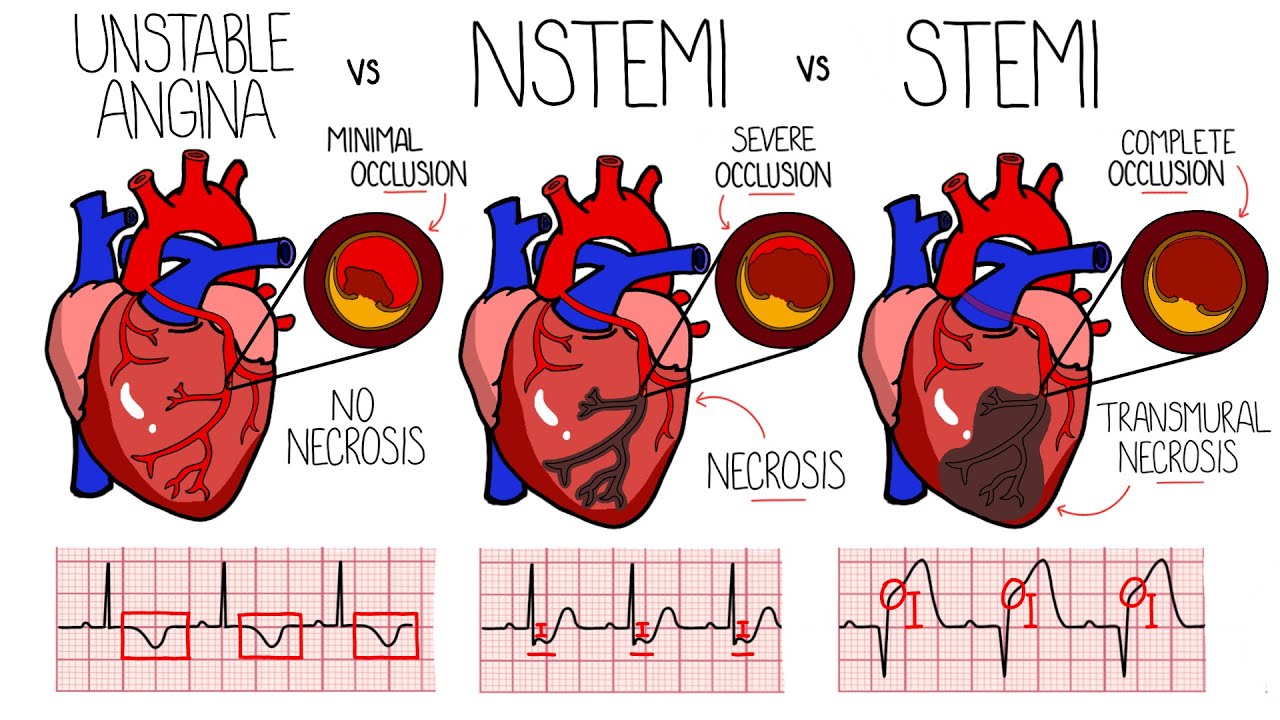
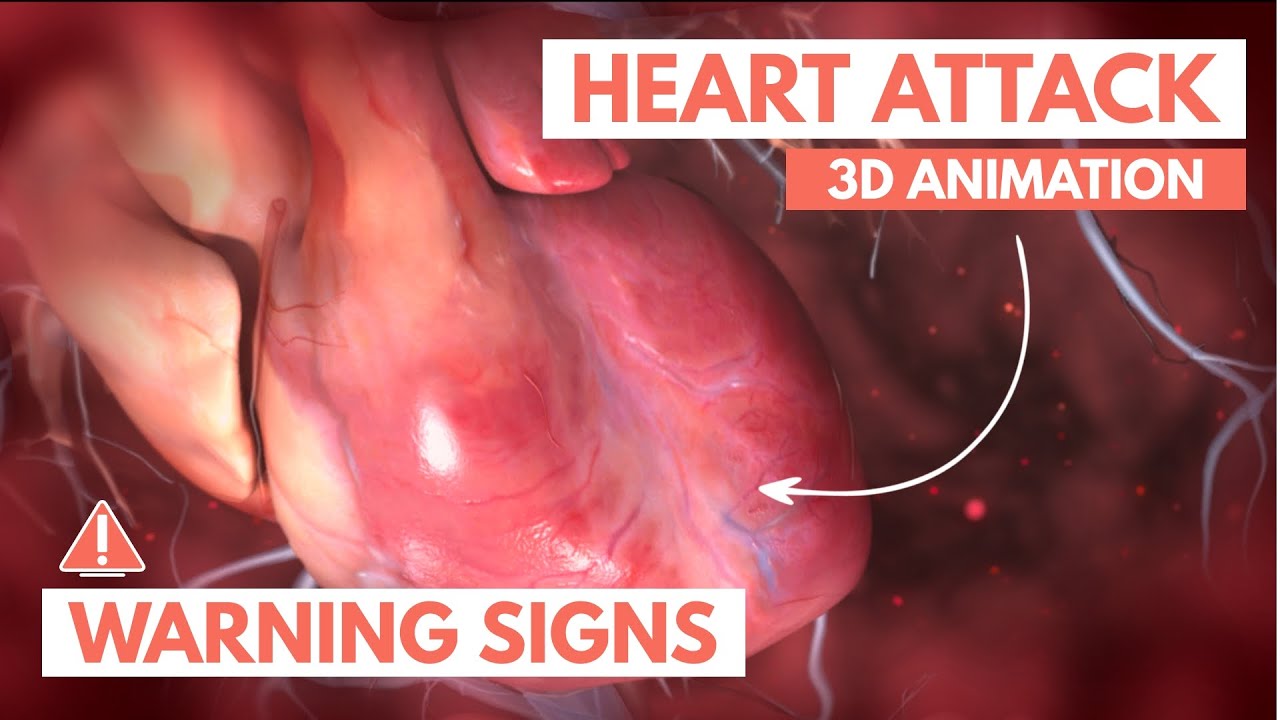
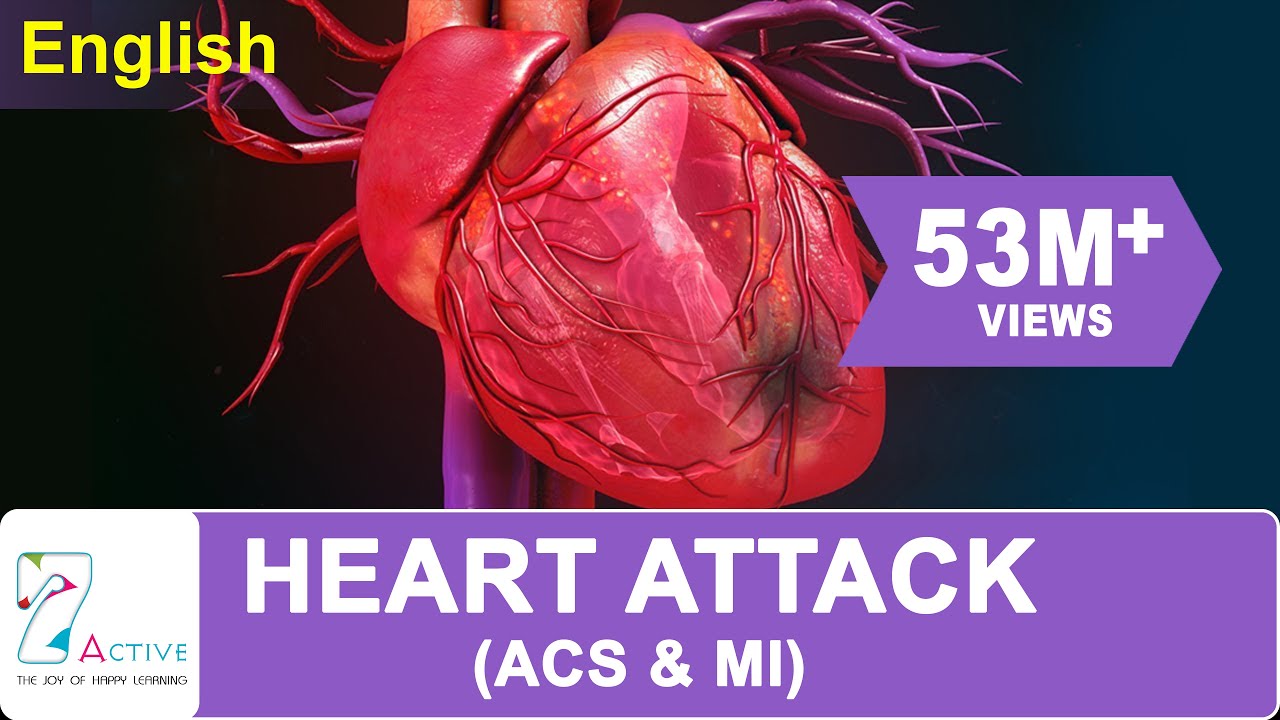
a heart attack occurs when the flow of blood to the heart is severely reduced or blocked like all other tissues in our body heart muscles also need oxygen rich blood to function properly now the arteries wrapping around the heart are called coronary arteries which Supply the oxygen rich blood to the heart coronary artery disease is the main cause of heart attack the blockage of arteries is usually due to the buildup of fat cholesterol and other substances the fatty cholesterol containing deposits are called plucks and the process of plug buildup is called atherosclerosis sometimes a plug
can rupture and form a clot that blocks the blood flow a lack of blood flow typically caused by blockage of a coronary artery can damage or destroy a part of the heart muscle when a part of your heart can't pump because of its dying from lack of blood flow it can disrupt the pumping sequence of your entire heart that reduces or even stops blood flow to the rest of your body which can be deadly if not addressed in time a heart attack is also called a myocardial infarction a less common causes severe spasm or sudden
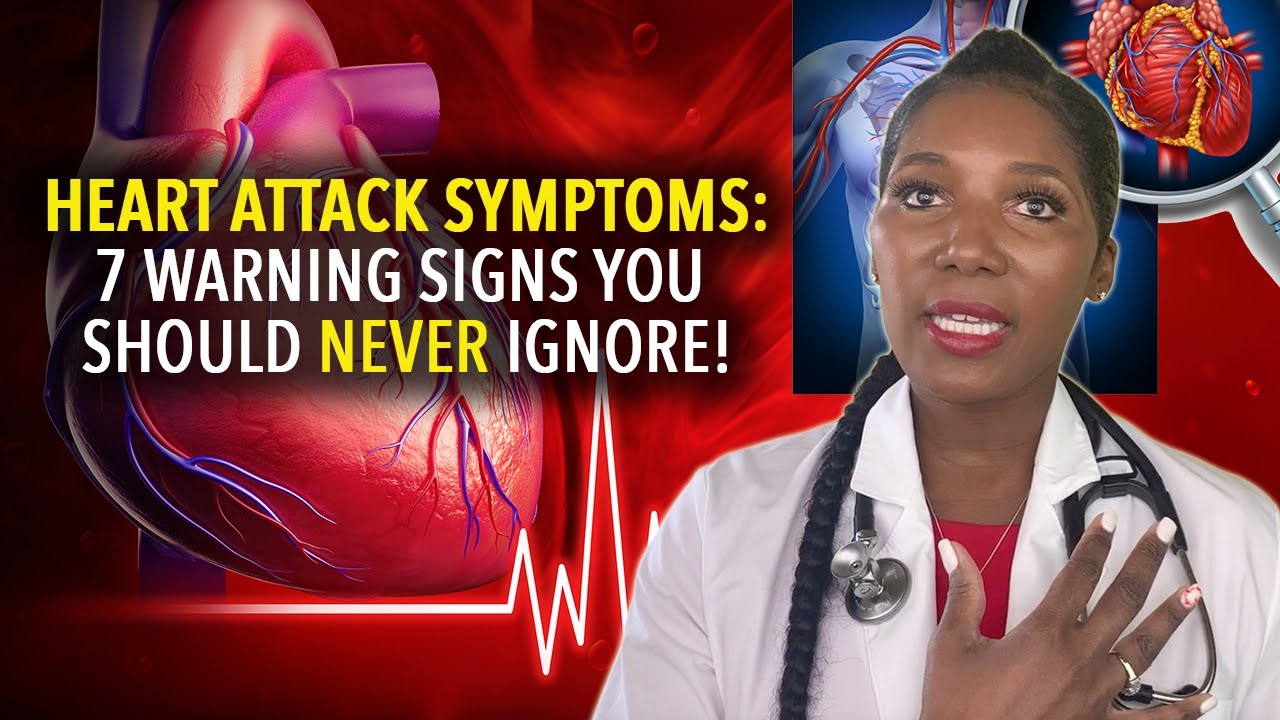
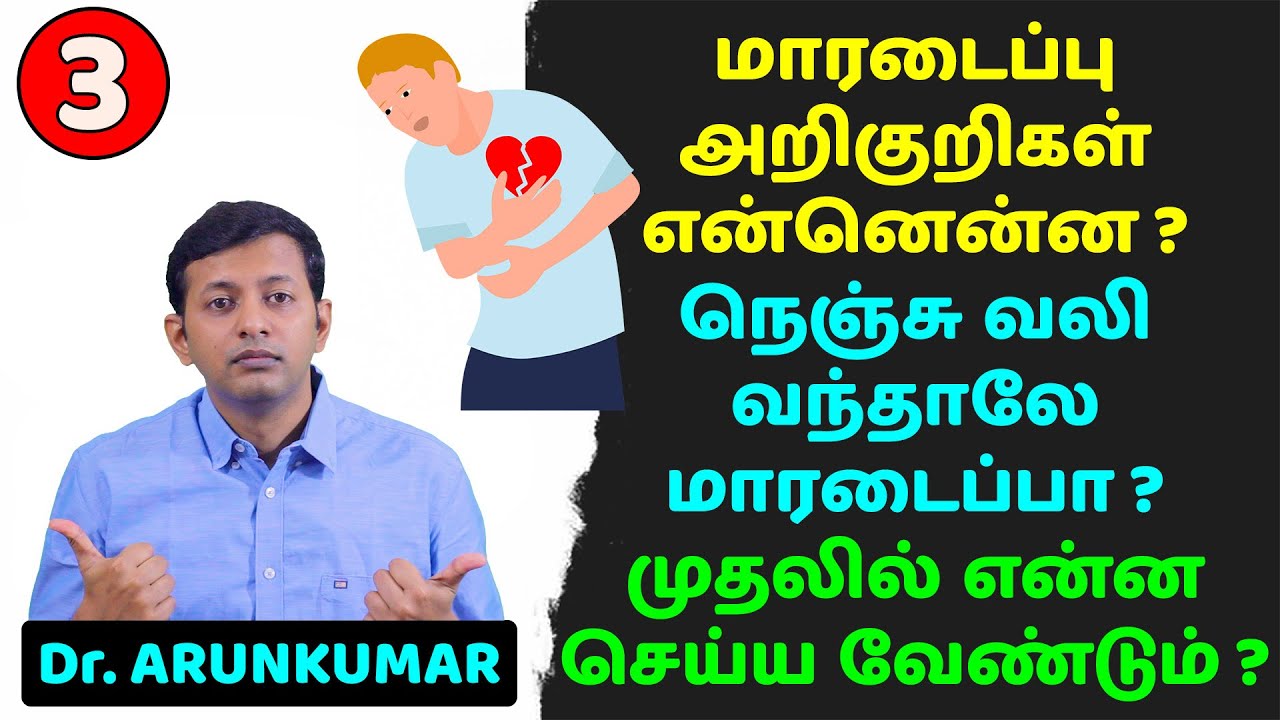
contraction of a coronary artery that can stop blood flow to the heart muscle now let's discuss about the signs and symptoms of heart attack chest pain was thought to be a universal symptom of heart attacks for a long time but in reality the symptoms vary based on several factors including gender age and health profile time is very crucial in heart attack a lot of heart damage happens in the first two hours following a heart attack that means the sooner you receive health for a heart attack the better according to the Society of cardiovascular patient care
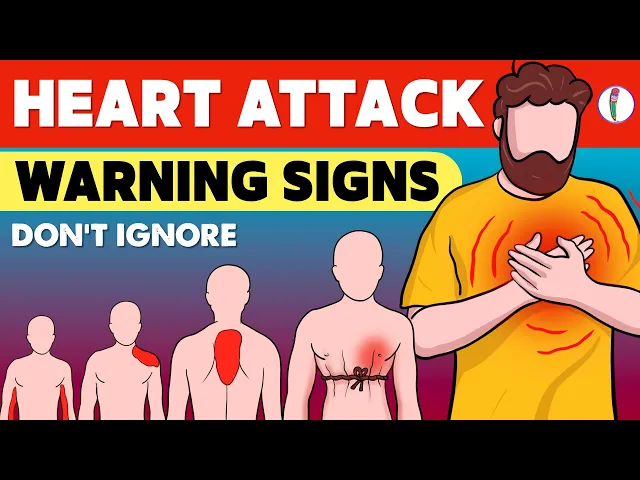
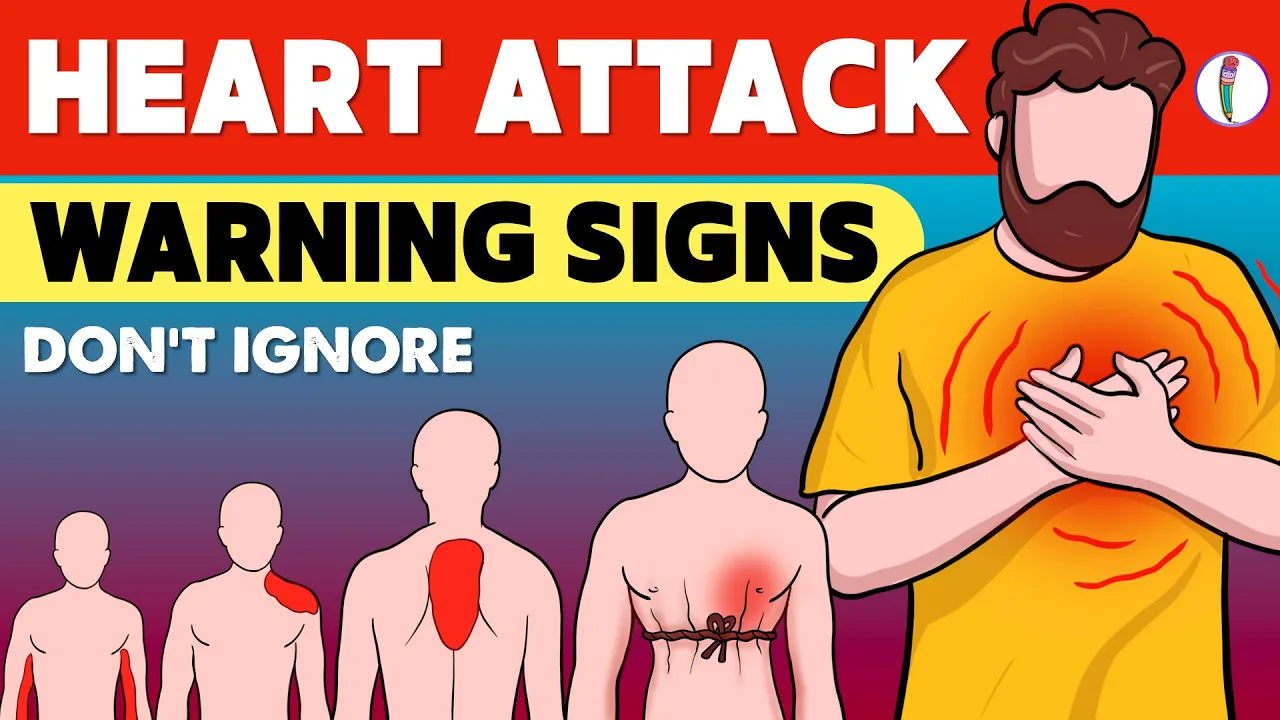
early heart attack symptoms may occur only in 50 percent of all people who have heart attacks most common symptom is mild pain or discomfort in your chest that may come and go which is also called stuttering chest pain sometimes it feels like an elephant is sitting on your chest you may experience upper body pain or discomfort including arms left shoulder back neck jaw or stomach your heart may be faster or irregular you may have stomach discomfort that feels like indigestion shortness of breathe which may leave you feeling like you can get enough air when you
are resting you may also experience unexplained sweating now it is important point to mention that your symptoms may not fit this copy book description so trust your instinct if you think something is wrong in recent decades scientists have realized that heart attack symptoms can be quite different for women than for men pain and squeezing sensation in the chest are still the most common symptoms in women other symptoms include unusual fatigue lasting for several days or sudden severe fatigue sleep disturbances anxiety lightheadness shortness of breath indigestion or gas light pain upper back shoulder or throat pain
jaw pin or pain that spreads up to your jaw now one of the most important concern is how to know if it is heartburned or heart attack as both can have similar symptoms well there are some key differences which will help you to differentiate them first is location of pain in heart attack the pain is usually felt in the center of the left side of the chest and may spread to the other areas like the arms jaw neck back or stomach in heartburn the pain is usually filled in the upper abdomen and may radiate to
the chest or throat next is nature of pain in heart attack the pain is often described as a tightness pressure squeezing or heaviness in the chest and may be accompanied by shortness of breath sweating nausea vomiting or lightheadness in heartburn the pain is usually a burning or knowing sensation that is ocean by eating lying down or bending over duration of symptoms also very important in heart attack the pain is typically last for more than a few minutes and may calm and go or persist continuously it may not go away with the wrist or antacid medications
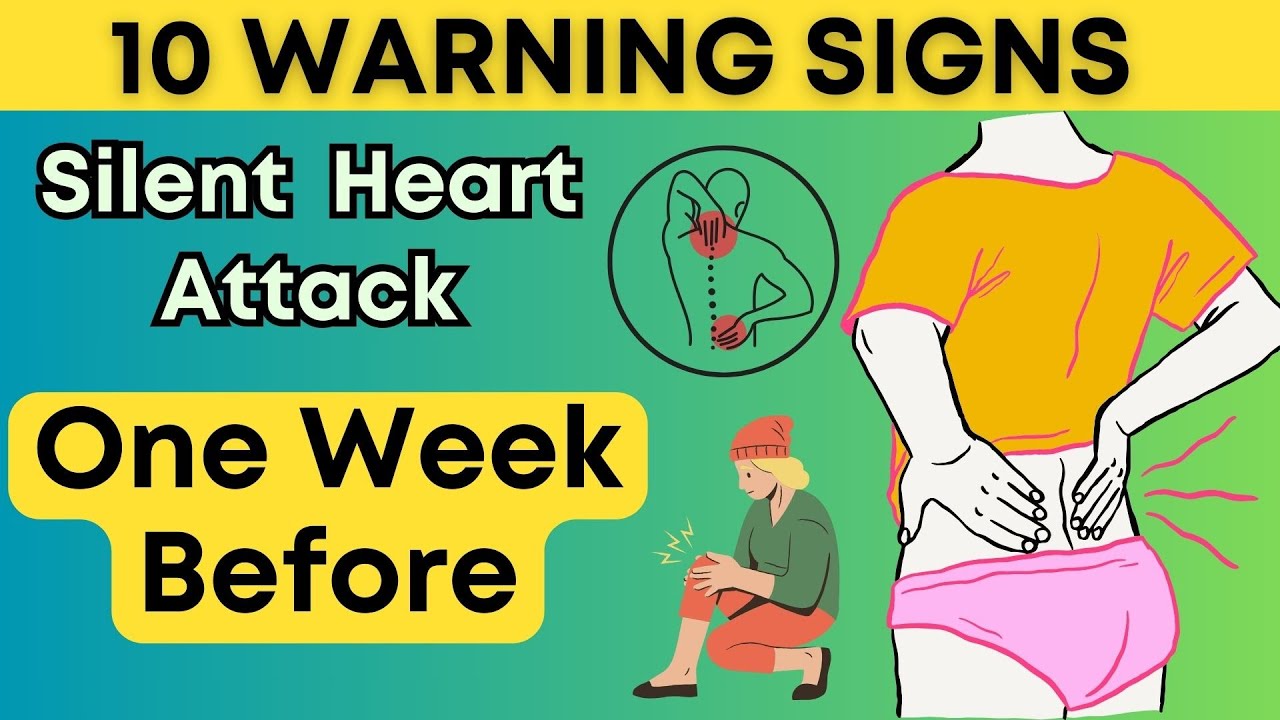
in heartburn the pain usually lasts for a few minutes to several hours and can be relieved by taking antacids or changing positions although some heart attacks can occur suddenly without any prior warning many individuals may experience warning signs and symptoms hours days or even weeks before the actual attack one of the most common early warning sign is recurring chest pain or pressure also known as angina which does not dissipate with rest it is important to take any such symptom seriously and consult a medical professional as soon as possible because time is very crucial and can
potentially save a life so that's all for today hope you find this video helpful don't forget to like comment and share and don't forget to subscribe thank you