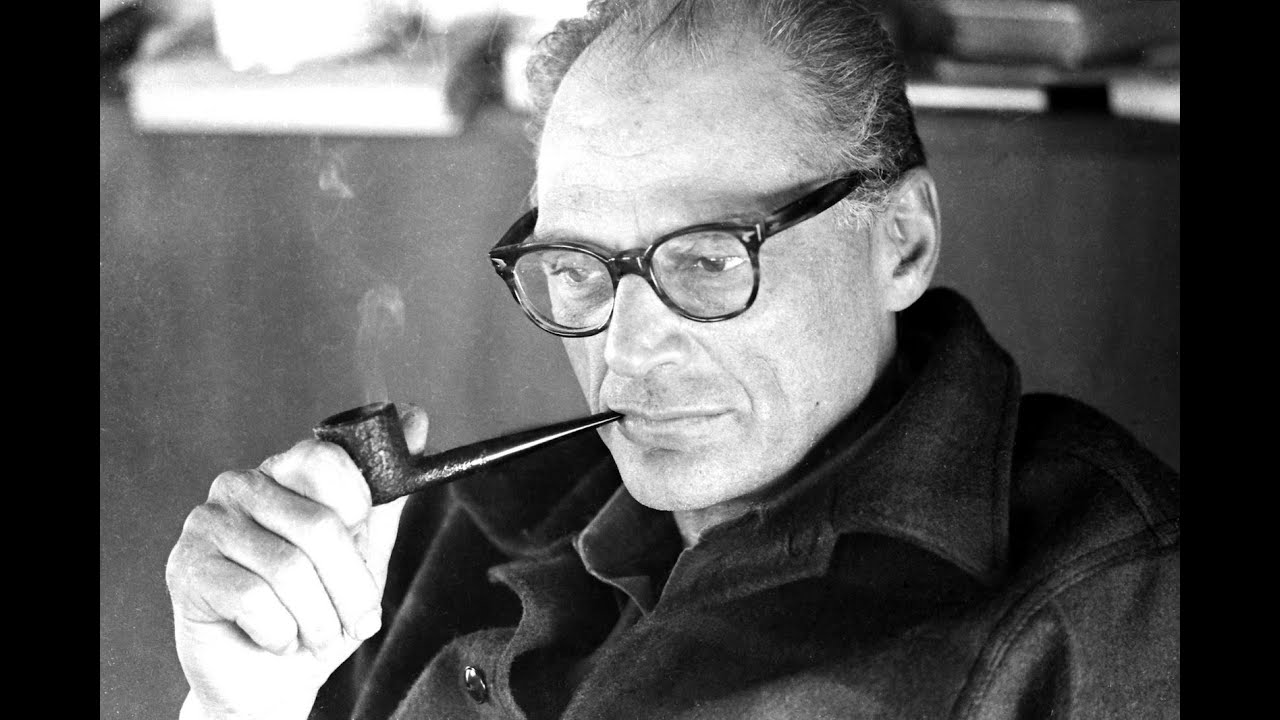
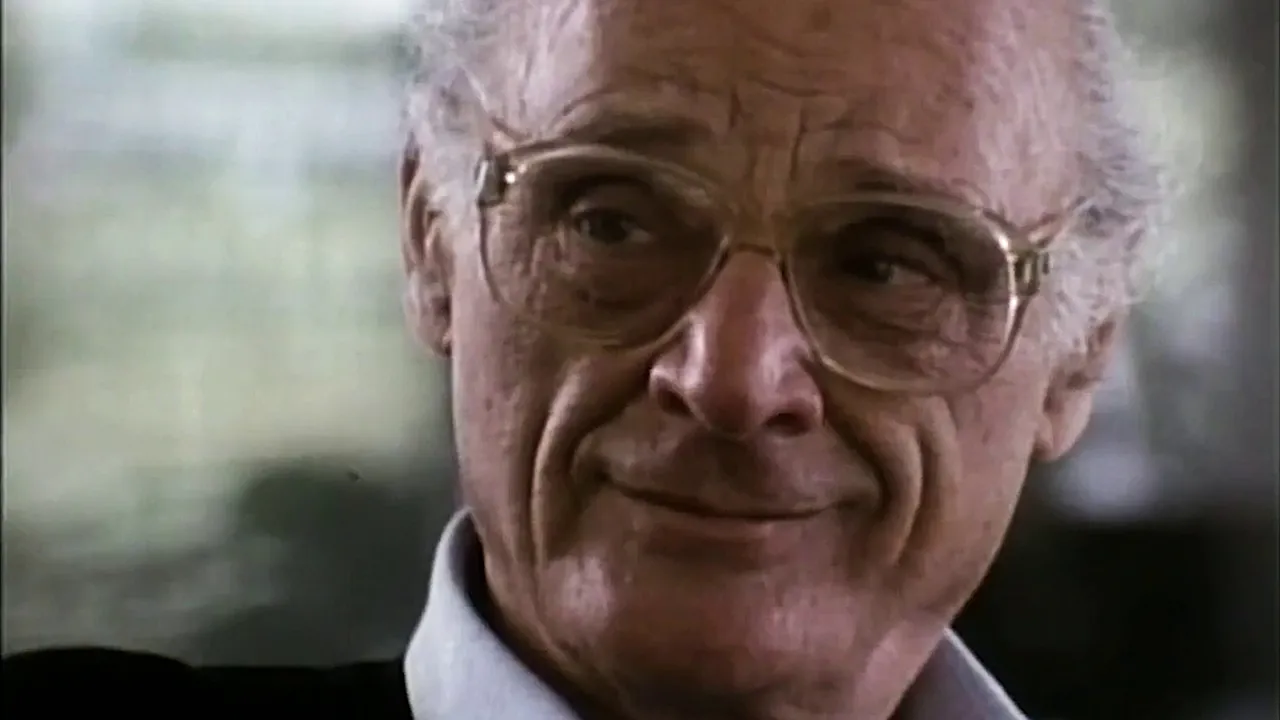
time bends is the title of Arthur Miller's just published autobiography and time bends is a strangely appropriate way to characterize the course of the life of this preeminent American playwright because over his 72 years his life and times have bent in and out of the bitter depression years in and out of immense professional acclaim in and out of two failed marriages and into a long fine one in and out of political controversy and in and out of fashion in the fickle world of American letters you wrote Death of a Salesman when you were 33 years
old how long did it take you I will the first act more or less was a matter of one day and a night I then rested and worked about six weeks on the second act and put the whole thing together but of course there's a lifetime in that play Death of a Salesman was a triumph for Arthur Miller it won him both the Pulitzer Prize and the New York Drama Critics Award the critics were comparing him to Henrik Ibsen and Eugene O'Neill you inevitably begin to feel a kind of impact of power which is sexual
it is financial it is everything you begin a shift and change if you're not careful which I wasn't people now we're talking to me differently women men they would look at me like an icon of some kind Arthur Miller came a long way for a Jewish boy born in Harlem and raised in Brooklyn he was the son of an immigrant coke manufacturer a man who couldn't read English his father lost everything in the crash of 1929 and so Miller grew up a child of the depression and that was to show his writing and his politics
he had to work and save for two years before he could afford to go to the University of Michigan in the 1930s and at school in the Midwest he seemed to be trying to reach beyond the New York he knew to touch the American heartland he knew so much less about he even looked for this in his first wife Mary Slattery an Irish Catholic from the Midwest yeah we wanted something each one from the other she wanted the experience of the the intellectual the Jew the artist and I wanted America yes the the something beyond
New York there's part of that's part of them what attracted both of us we were mysteries to each other during the middle 40s Miller wrote what he called trunk plays that's where they wound up in the trunk and he had one flop on Broadway discouraged he gave himself one last chance at playwriting and wrote All My Sons in 1947 it was a breakthrough for him a success but nothing prepared him for the success of Death of a Salesman and the impact it would have on his personal life and his marriage the night that it opened
well then I felt with my with my wife then very slattery yes so we were it wasn't enough for me suddenly I thought I I had a feeling we were not close that we were not one that you would outgrow I'd outgrown her it's hard for you to say yeah I hadn't realized till I read the book that you were in psychoanalysis for sometime yeah what drove you to do it my marriage the fact that I was unhappy your first layer yes Tamara Slattery and I thought that that would teach me something that I didn't
know about how to live well it really didn't it just illuminated the fact that I didn't know how to live and that I could hadn't told you in the first place the Millers kept their marriage together through the early 50s a period in which he produced the crucible a play about the Salem witch trials that play open during the hearings of the house on American Activities Committee and the parallels were striking a few years later he heard from the committee himself they wanted to ask him about some left-wing meetings he had gone to they wanted
you to name names yeah and what'd you say to them I said look I'll tell you about me but I'm not gonna tell you about anybody else had I thought put it this way that some body I knew was a spy or a working against it it states that be a different story what are we talking about we're talking about actors few playwrights most of more actors directors what earthly effect could these people have unsecure the United States or anything else and they held in contempt they voted me in contempt and we appealed it to
the Court of Appeals and they threw it all out your friend Elia Kazan named names right you couldn't accept that now it seemed to me to be a wrong thing to do Elia Kazan had been the director of All My Sons and Death of a Salesman cuz that had been your good friend oh yeah collaborate I loved him very close friends and that simply split it yes it did how long didn't you speak I don't know it was the number of years it was during this time that milord divorced his first wife Mary and his
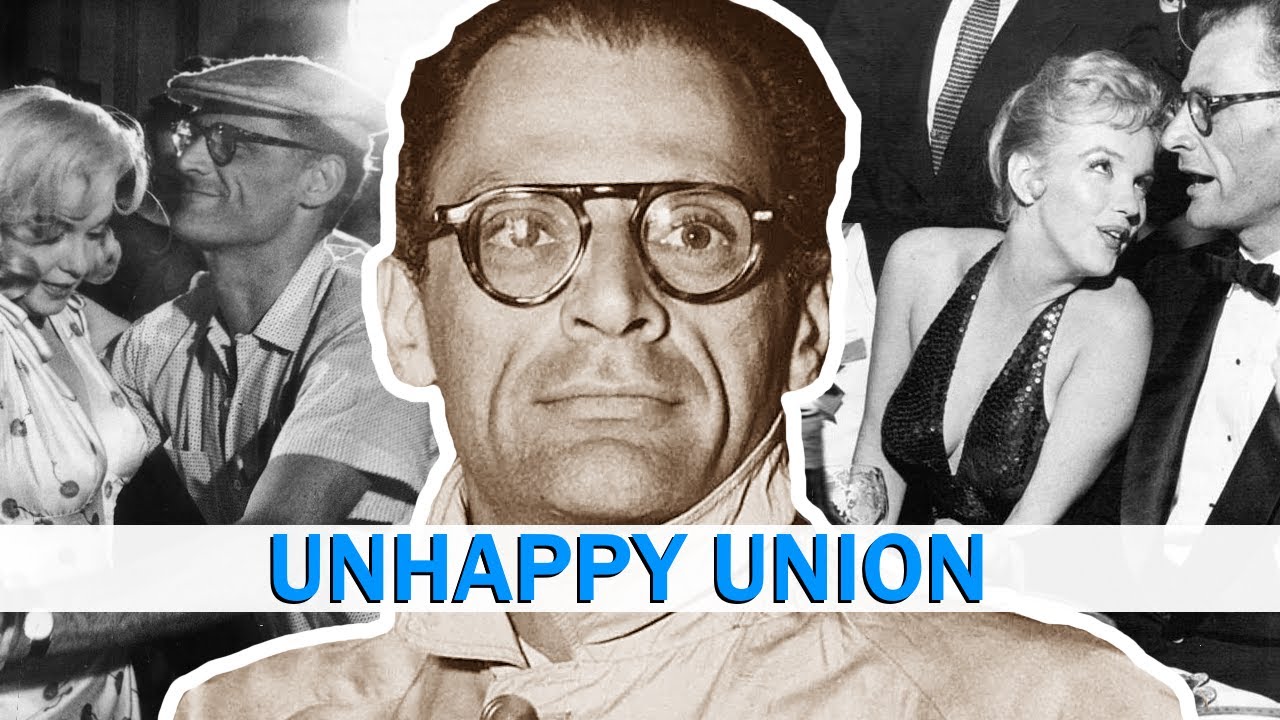
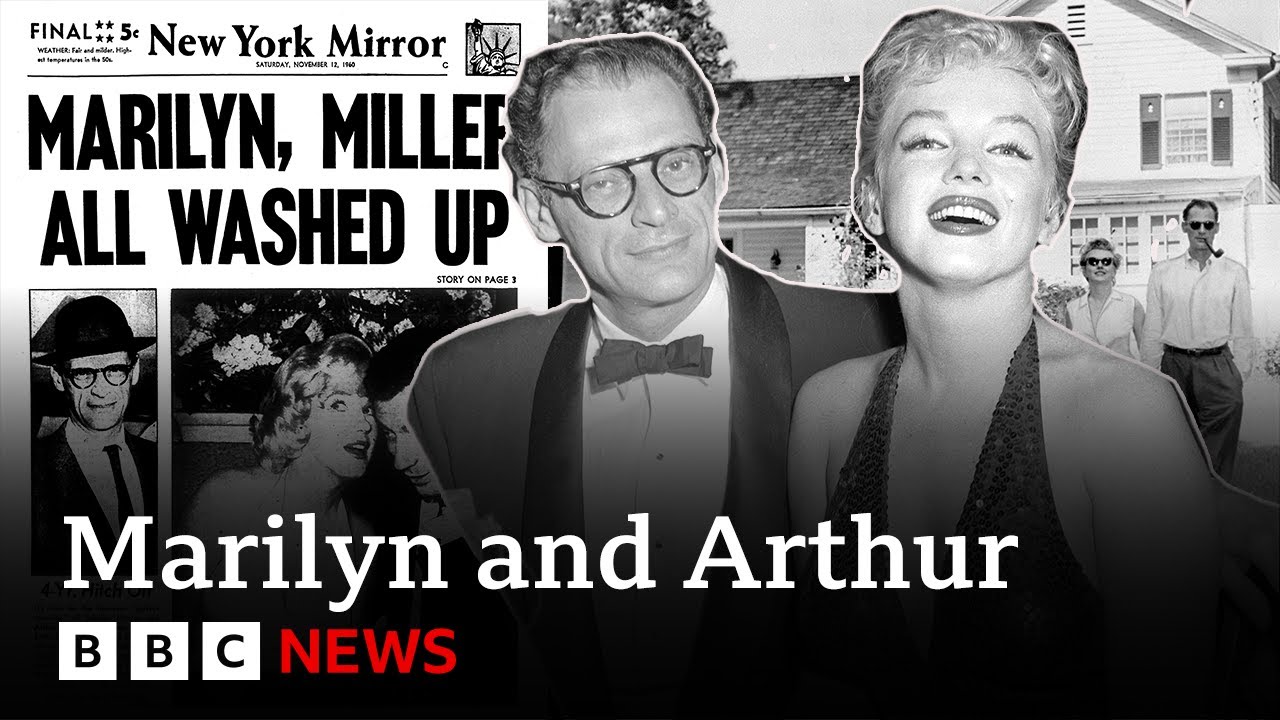
impending marriage to Marilyn Monroe became headlines in the tabloids Miller maintains that his appearance before that committee in a strange way had more to do with Marilyn than with the committee's search for communists chairman Walter proposed in my lawyer just before the hearing began that if could be arranged for him to take a photograph with Marilyn he call off the whole thing the congressman wanted a photograph of Marilyn Monroe not surgeon with himself yes and in the picture we could have aborted the whole thing in five minutes so and that's good yeah and I didn't
do it their marriage caused a sensation Arthur Miller moved from the theater pages to the gossip columns you know that people said at the time that you were together what in the world is Arthur doing this for Arthur is is an innocent what in the world our loose right act the land Marilyn Monroe that innocence is exactly the point she also in a way was moving in a world she knew nothing about the world of getting up in the morning making breakfast and living in it that was an innocence there did she want that do
you think or with part of herself she wanted with part of herself yet and with arrests she wanted to be a great star he wrote about her I never saw her unhappy in a crowd her stardom was her triumph nothing less it was her life's achievement the simple fact terrible and lethal was that no space existed between herself and this star she was Marilyn Monroe and that was what was killing her you knew that it was doomed I didn't know it was doomed but I certainly felt it had a good chance to be you said
to her I keep trying to teach myself how to lose you but I can't learn yet and she says why must you lose me well it just shows you the power of instinct over what's left of the brains at such moments when you're being drawn to someone and you sense that it may not work and you can't stop it anyway your face changes when you talk about her Judy your face changes when you talk about her in what way well I think you still those are tough years wonderful years and terrible sure they were all
those a lot of pain certainly far he's struggling for me what did it do to you well it's a defeat it always is and she was for you quicksand in a way yeah but you could have lost your way matter of fact well there are those who feel that you did lose your way for five years I caused it well you could say that I guess at same time she was a great person to be with a lot of time he was full of the most astonishing times and revelations about people he was a super
sensitive instrument and that's exciting to be around until it starts to self-destruct and you and Marilyn were divorced when about 61 and you're married Inga a year later yeah today at the age of 72 Arthur Miller spends most of the time at his house in the Connecticut countryside he has been married for 25 years now to Inga Moran a world-class photographer they have a daughter Rebecca who was a promising young actress he has a small cabin on the property where he still writes every day right and every day right up in that building plays yeah
I'm writing a play now don't ask me why but I love doing it [Music] [Music] [Music] [Applause] [Music]





![Henry Miller Recalls and Reflects [Interview 1956] (1/9)](https://img.youtube.com/vi/Q7Yx8Jz7ics/maxresdefault.jpg)