unlike lift on liftoff abbreviated as loo ships that use cranes to load and unload cargo roro ships allow cargo to be driven directly onto and off the vessel by crew members or using platform Vehicles like self-propelled modular Transporters initially wheeled Vehicles transported as cargo on ships were treated like any other Freight fuel tanks were emptied batteries were removed and vehicles were lifted into the ship's hold and secured this process was cumbersome and vehicles often suffered damage becoming unusable upon arrival to address this issue roro ships were first introduced in 1833 to carry carriages for the
monkland and Kirk and tillock Railway in 1849 the modern train Ferry Leviathan was launched because Bridge technology couldn't span the 5 m wide fth of fourth an alternative was needed a civil engineer named Thomas Bou proposed using a fairy train with a roll-on rolloff mechanism to enhance efficiency the ship was specially designed with railway tracks and compatible Port facilities at both ends allowing trains to drive on and off easily adjustable ramps accommodated tial changes and stationary steam engines were used to load and unload carriages roro ships also played a significant role in World War II
transporting tanks amphibious vehicles and other military equipment in the late 1940s Merchant ships began adopting the roro principle which became popular on short distance Ferry Crossings as cars and other vehicles became more prevalent compared to other types of ships roro vessels offer several advantages notably their speed and efficiency Vehicles can drive directly onto the ship at one port and disembark within minutes of docking at another Saving Time additionally roro ships integrate well with other Transportation developments like containerization the use of custom sealed units allows for minimal delays at border crossings moreover RoR ships have become
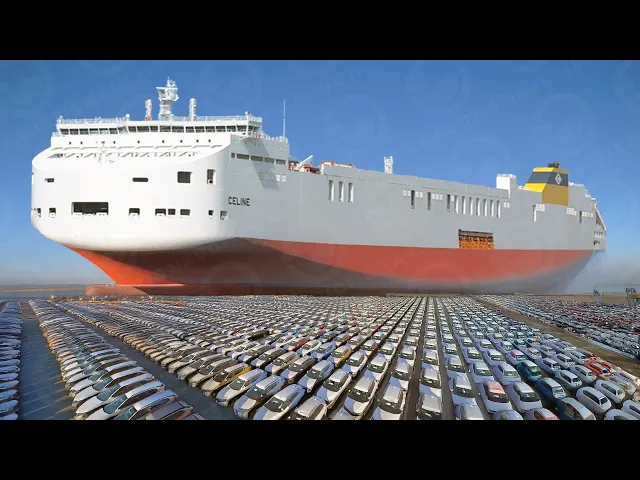
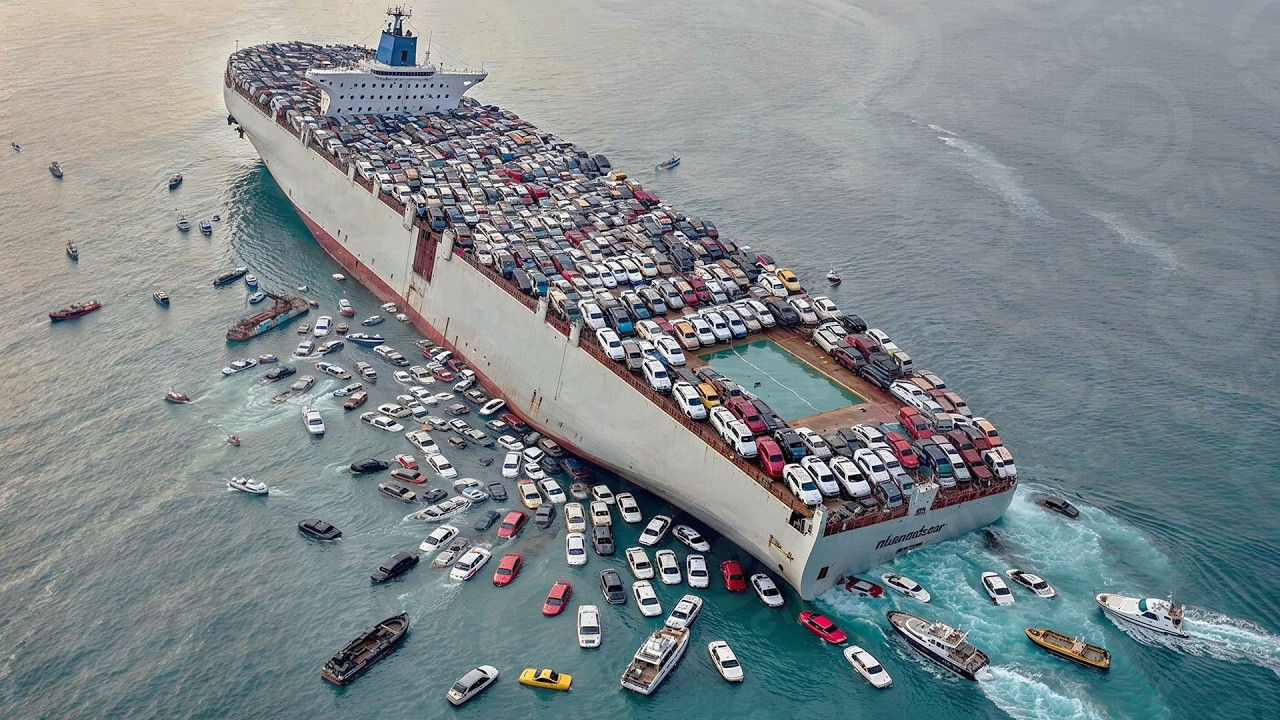
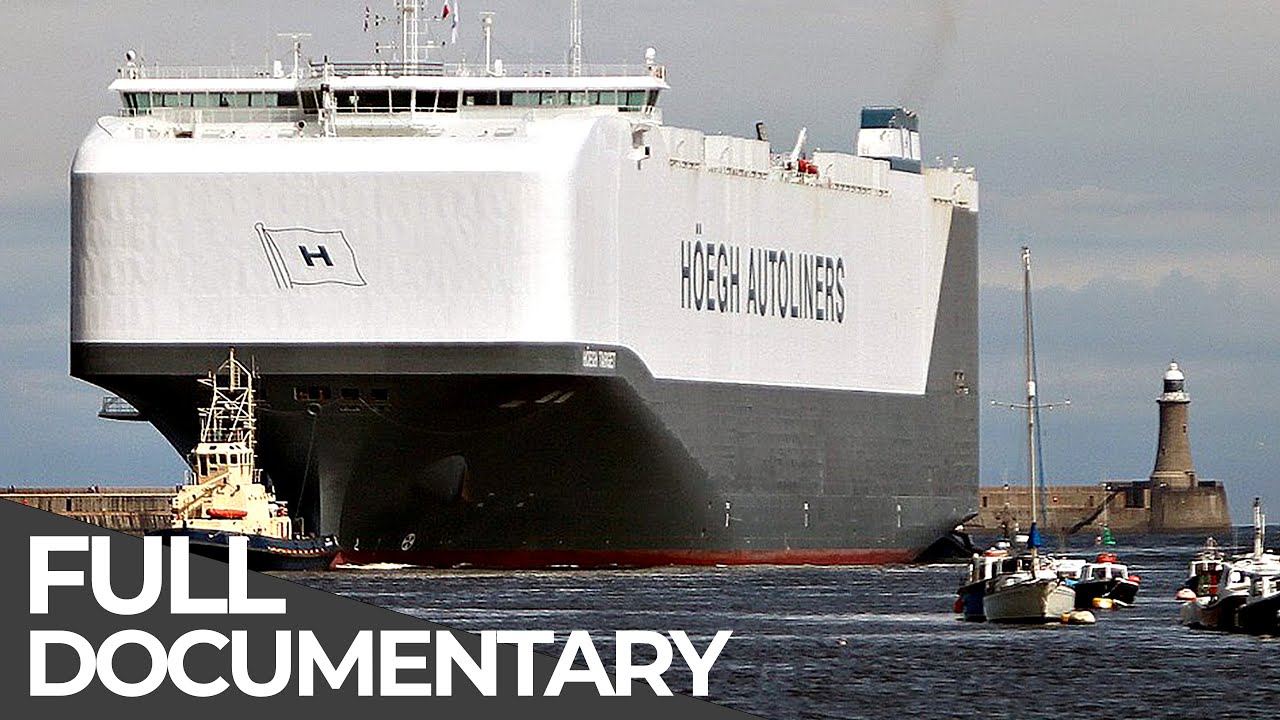
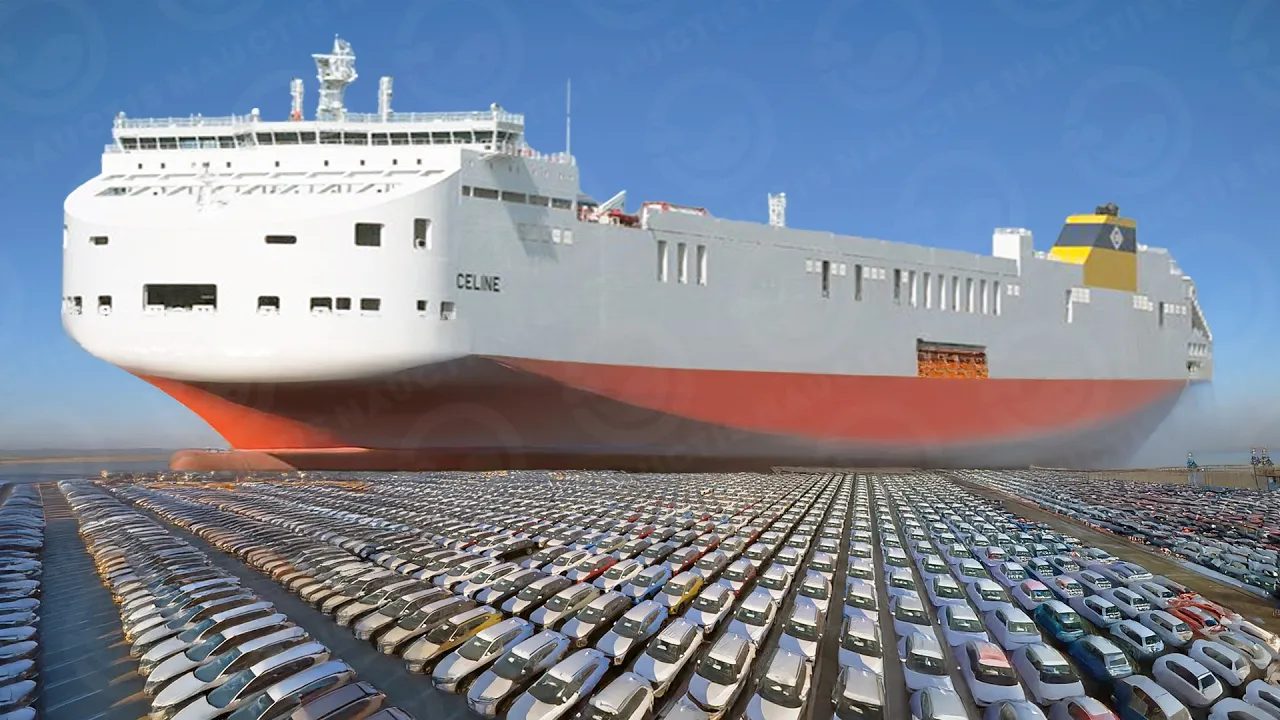
popular among tourists and private car owners significantly contributing to the growth of Tourism people can transport their cars from one country to another by C using rorro ships generally most RoR row ships have 13 or more decks and are designed with a capacity of 4,000 to 5,000 car units some types can accommodate up to 8,000 Vehicles usually cargo ship and container transport capacities are measured in metric tons but some companies measure row row ships in Lane in meters abbreviated as limbs over time more types of roro ships have become operational including Pure Car carriers abbreviated
as PCC and pure car truck carriers abbreviated as pctc as the names suggest pcc's transport cars while pcc's carry larger Vehicles like trucks both have box-shaped frames with ramp arrangements for loading and unloading cargo these ships consist of a quarter ramp at the stern two ramps on both sides enclosed internal ramps and Decks that can be hoisted to move cars to tiered decks Vehicles drive directly onto the ship and through the internal ramp system to various decks another type of RoR row ship is the rollon rolloff passenger ship known as R oax these vessels are
designed for cargo vehicle transport but also offer passenger accommodations typically for up to 500 passengers and are often referred to as Cruise fairies R oax ships are used for short dist sea transportation and comply with International standards for both passenger and rorro ships they are relatively rare and generally operate in in the North European seas in addition there are roll-on liftoff vessels abbreviated as R this hybrid type has ramps serving vehicle decks while other cargo decks are accessible only by cranes rowo ships are designed to transport vehicles and general or heavy cargo the weight of
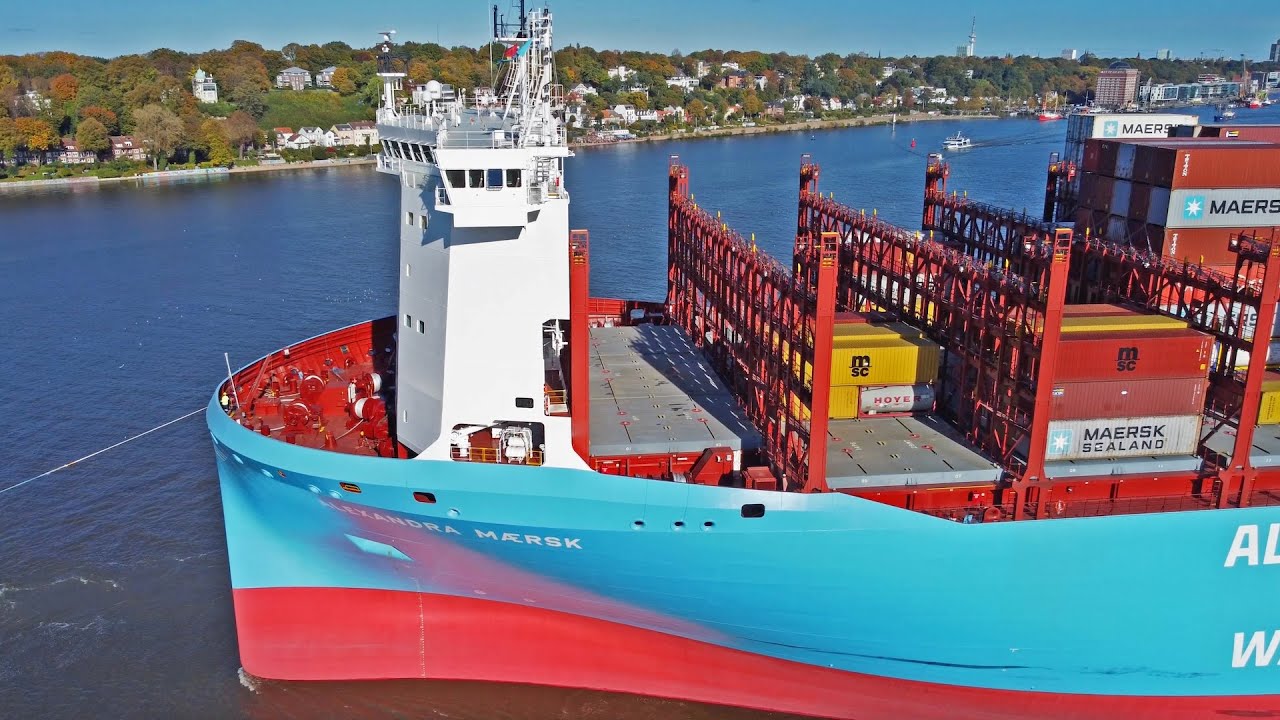
General cargo or heavy metal pieces May exceed the ramp load capacity so the ship's cranes are used to load and unload cargo directly into the waiting area hybrid ships combining roro and container ships are called conro ships these vessels utilize the area below deck for vehicle storage while stacking containers on the deck on some ships the arrangement divides the ship into two parts the lower deck on one side has guide cells for loading containers and the deck on the other side is arranged for transporting cars or similar Vehicles the full cargo hold on the deck
is used to carry containers so how do these roro ships operate daily roro ships have several identifying features that allow them to transport cargo safely securely and efficiently their decks are designed to be flat and open equipped with ramps at the stern and bow and must be strong enough to support the weight of numerous vehicles the process of loading and unloading vehicles on RoR R ships must be efficient and orderly to maintain operational safety follow procedures prevent cargo damage and avoid wasting time first the RoR ship arrives at the port and docks at a predetermined
terminal the driver team is ready and waiting at the terminal with the cars or other vehicles to be loaded if everything is ready the car carrier ramp is low LED at one end of the ship and the driver team drives the vehicles onto the ship this process takes time and special workers provide directions to avoid collisions or other incidents once the vehicles are parked correctly they are secured with tie down straps to prevent movement during the voyage after all vehicles are loaded the ramp is raised and the ship departs the port to begin its Journey
upon arrival at the destination Port the process is reversed the ramp is lowered tie down straps are released and the driver team prepares to remove the vehicles from the row row ship the vehicles are inspected for damage or impact and if everything is fine they are ready to be handed over to the client the world's largest rorro ship currently is the MV tburg operated by velson holding a maritime company based in Norway built by Mitsubishi heavy Industries in Japan the ship has an overall length of 869 ft a width of 105.8 Ft a draft of
36 ft and an airra of 151 ft the MV tburg has six fixed decks and three liftable decks totaling 50335 M of deck space and 138,000 cubic M of cargo volume the weather deck has a 4 M wide ramp From Below to reduce crane requirements while the stern ramp is 12 M wide and can accommodate a load of 505 tons the MV tonsberg uses 15 to 20% less Fuel per cargo unit to reduce the need for ballast water the ship's stability has been improved with a double bottom and deck five is designed to be watertight
the ship is capable of sailing at a speed spe of 20.25 knots or about 23 mph