this episode is sponsored by magellan tv check out their documentary streaming service to learn more about history their platform has many high-profile videos and documentaries including one of our new favorites shanghai 1937 where world war ii began a battle between the japanese and chinese that lasted almost three months was the beginning of six years of fighting initiated by the japanese military including rarely seen footage and vivid recollections of the men and women that experienced these events this is not a documentary to miss magellan tv is a unique streaming platform focused entirely on bringing historical content
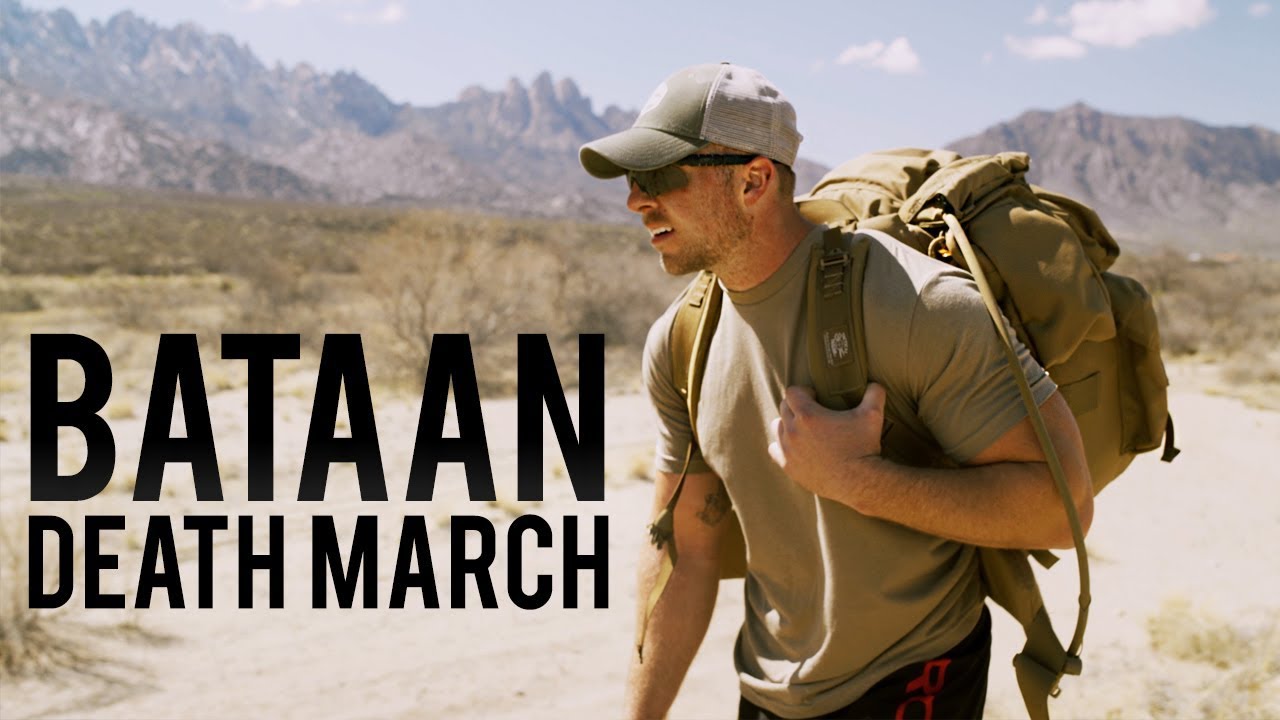
not found anywhere else on the web with over 3 000 documentaries movies and series some available in 4k high definition there's something for every history lover from early wars to space exploration they add new content weekly so you'll never be able to watch it all [Music] the baton death march april 1942 world war ii during the second sino-japanese war in the second world war the imperial japanese army committed a series of war crimes in territories they occupied in china burma and southeast asia these crimes resulted in the millions of deaths of civilians and prisoners of
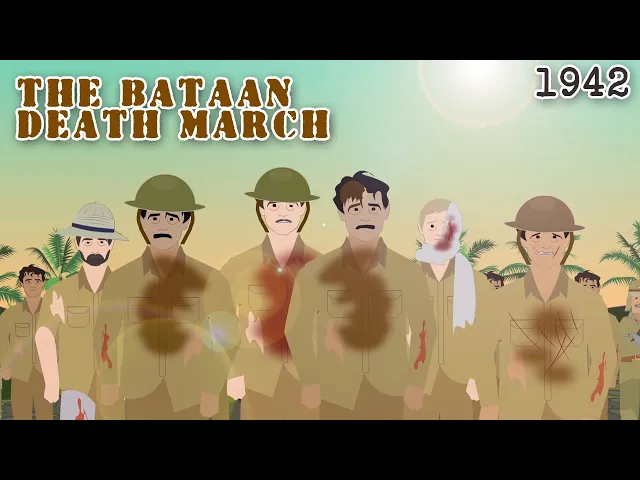
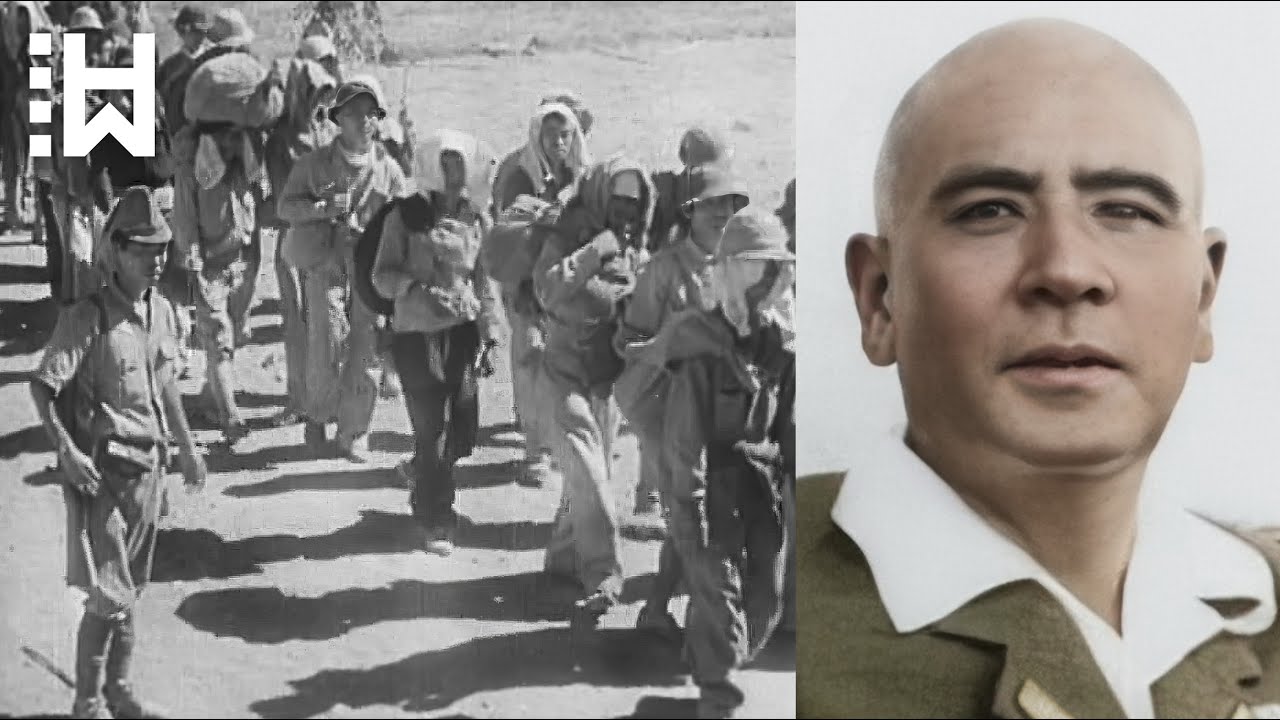
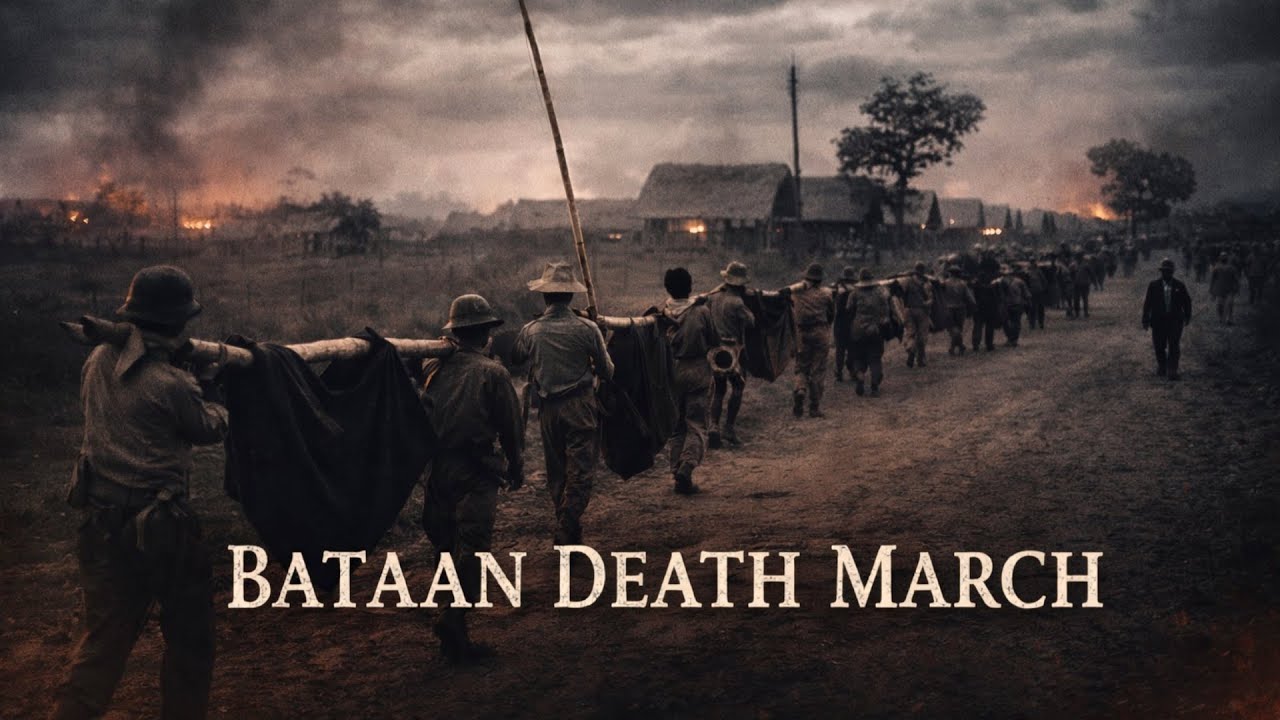
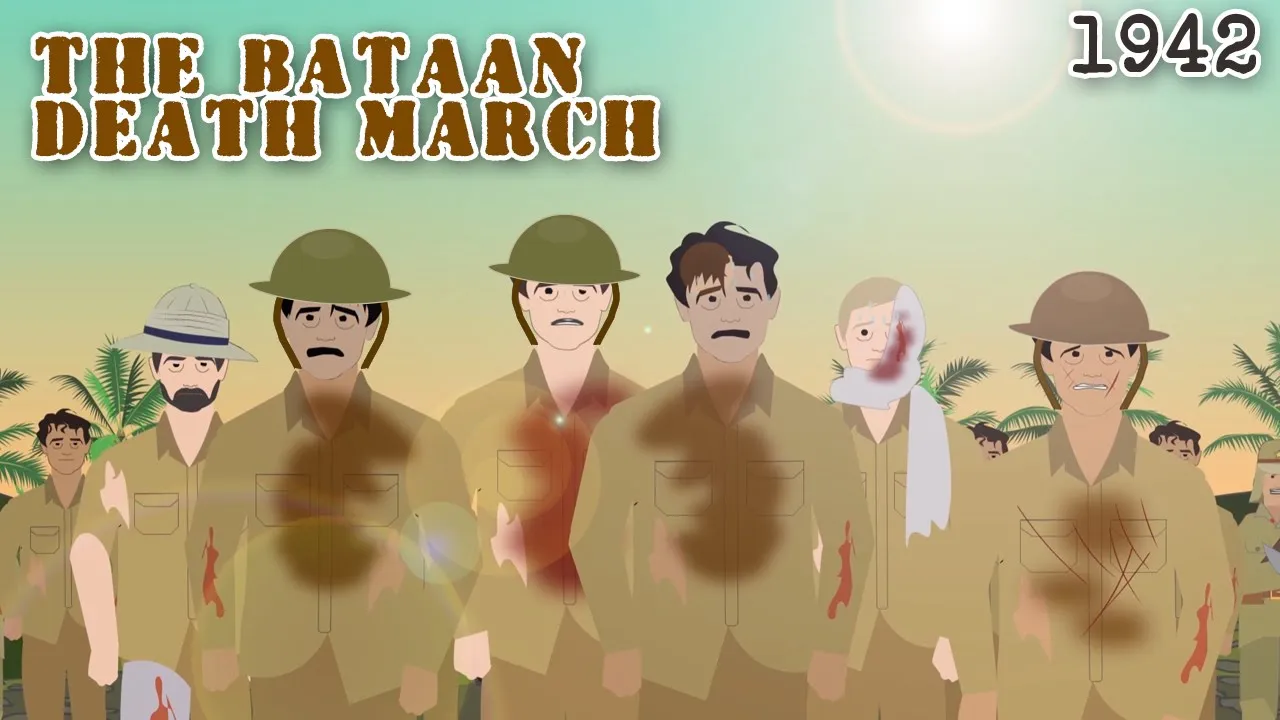
war the bataan death march was one such atrocity after the surrender of joint u.s filipino forces at the bataan peninsula in the philippines on april 9th of 1942 the japanese forced 76 000 prisoners of war to march to the camp o'donnell prison camp accounts of the total distance of the march vary but it was approximately 66 miles or 106 kilometers on foot during the march that lasted from five to ten days depending on when the prisoner joined the allied prisoners of war suffered inhumane conditions and severe maltreatment from the japanese soldiers many of them would
never reach the final destination immediately after the pearl harbor attack the japanese commenced a campaign of seizing the philippine islands the most important geostrategic position for the control of southeast asia main japanese troops had already landed on the island of luzon on december 10th but the main attack began on december 22nd 1941. the philippine archipelago was defended by no more than 150 000 troops from the us and filipino armies under the command of american general douglas macarthur however he didn't have command of the navy as general macarthur prepared for the defense of the islands he
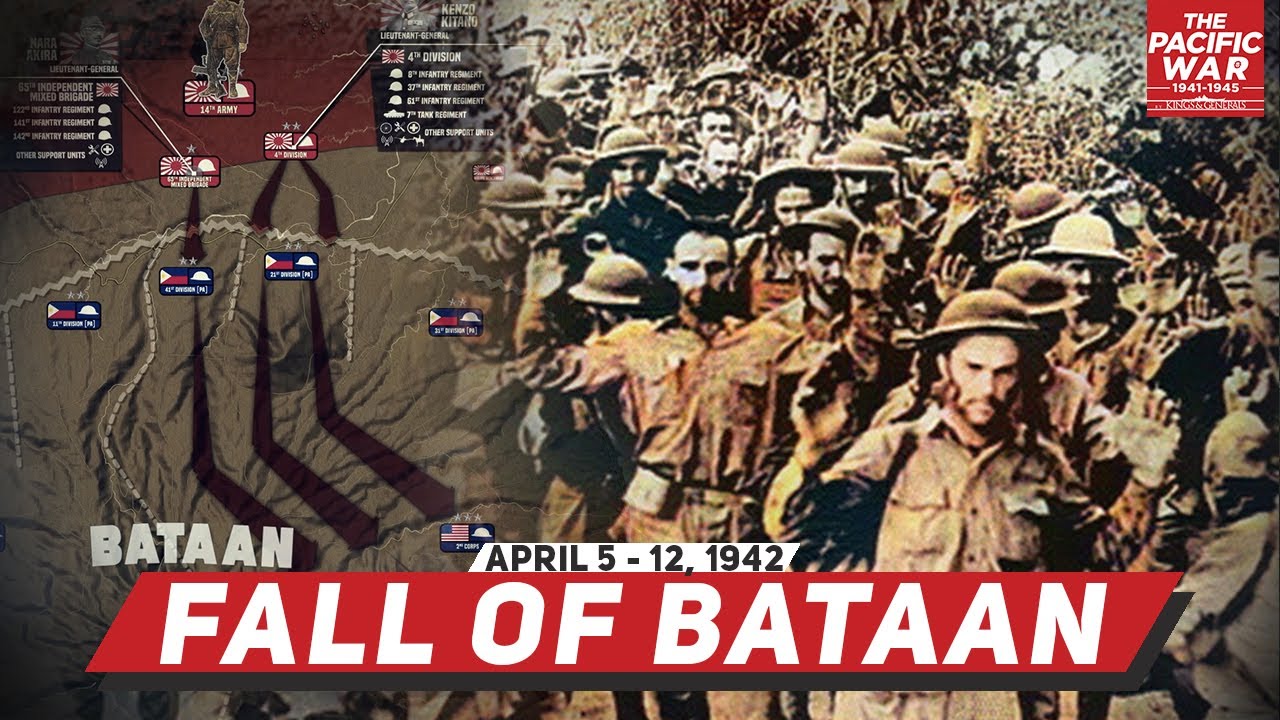
abandoned the previously made defense scenario warplane orange or wp03 which concentrated troops at minola bay and deployed troops along the entire archipelago coast it was a costly mistake that allowed the japanese 14th army to capture most of the country by the end of december facing defeat general macarthur switched back to planned wpo3 but it was too late the remaining defenders withdrew to the area of the bataan peninsula that extended into manila bay and the battle of bataan began the first week of january 1942. unlike the rest of the island the baton defenders showed fierce resistance
but it wasn't enough the defense was prepared hastily and they were extremely low on supplies and ammunition their defeat was imminent on march 11 1942 general douglas macarthur left manila at the direct order of u.s president franklin roosevelt he promised his troops i shall return and repeated this promise afterwards in many speeches the soldiers at baton called the battling baptists of bataan held out for one more month their name was immortalized in the limerick written by american war correspondent frank hewlett we're the battling backers of baton no mama no papa no uncle sam no aunts
no uncles no cousins no nieces no pills no planes no artillery pieces and nobody gives a damn on april 9th after three months of fierce combat in the most difficult conditions the battle of bataan was over soldiers from both the philippine army and the us army surrendered to the japanese forces however grueling their efforts were in defending bataan it would be nothing compared to the agony that they were about to suffer as japanese prisoners of war the japanese army had expected to conquer the philippines in just a few days but the amount of soldiers that
they captured far exceeded their expectations they had expected to capture around 30 000 prisoners but the reality was that 76 000 american and filipino soldiers had laid down their arms it became a tremendous logistical problem for the japanese who were able to provide neither transport nor food for such a large number of prisoners besides this the japanese army in general suffered from a shortage of motor transport during surrender discussions us major general edward king asked for permission to drive the pows to camp o'donnell in american army trucks but japanese general masaharo homa dismissed this request
eventually it was decided that the prisoners would march on foot to the o'donnell camp the prisoners were gathered at the municipality of marevelez where the march started the route went along the coast of manila bay to the town of lubao and then to the san fernando train station from there the plan was to transport the prisoners by railway to kappas and then on foot an additional 8 to 10 miles or about 14 kilometers to camp o'donnell at the moment of their surrender the us and filipino soldiers were already exhausted by the arduous combat with the
japanese troops they were also suffering from malnutrition because of their reduced food rations during the final stages of the battle of bataan for the men already in such a bad state the 66 mile march was sheer torture the japanese forced them to march 25 miles per day which was the average marching speed for the japanese soldiers even in the best of conditions the american soldiers normally marched only 15 to 20 miles per day contrary to what was planned the caravan moved slowly as at times they had to make way for the japanese troops moving southwards
the march lasted for days while the first contingent of prisoners finished the march in five days the last of them arrived at the camp after 10 days during the entire length of the march the prisoners were exposed to direct sunlight and tropical temperatures of over 100 degrees fahrenheit making them feel even more exhausted the fact that they were denied food and water only made the journey more agonizing faced with a substantial number of pows the japanese did not have enough food or supplies for them all as the japanese soldiers were the priority for receiving food
rations the prisoners only received one meal during the entire march if they were lucky to receive food at all most prisoners had their first meal only when they arrived at the prison camp what was worse than the hunger was the lack of drinking water which the japanese guards intentionally deprived the prisoners of [Music] a lot of soldiers went mad from thirst and ended up being shot by japanese guards others were so desperate that they drank the water from wallow pits and ditches that were filled with animal waste the polluted water caused dysentery which in most
cases had fatal consequences after only two days the lack of food and water had taken its toll as many soldiers were so exhausted they couldn't continue the march all those who were not able to continue the march faced execution by a group of japanese soldiers that had trailed the procession the americans called these groups buzzard squads many of those who survived the thirst and hunger did so thanks to the bravery of local filipinos they secretly threw sugar cane and canteens of water along the way so that prisoners could pick them up and get some measure
of sustenance the japanese guards made the march agony for the prisoners during the entire journey they forced the prisoners to march at a steady pace disregarding the fact that most of them were physically unable to do so all of those who were lagging behind were encouraged to continue with bayonets however the japanese guards wasted no time with the pows who showed the lack of strength to continue they simply killed them and left them on the road their entire route was filled with the bodies of dead prisoners this horrifying image was worsened by the fact that
many of the prisoners were mangled by vehicles as the japanese ran over them the american and filipino prisoners were completely stripped of their dignity they faced constant abuse and beatings for no reason the japanese guards would slap kick or hit prisoners with the butt stocks of their rifles often prisoners were beaten for disobeying orders from the japanese guards and the prisoners didn't understand what they were being asked to do those that tried to escape were shot or beheaded prisoners who were too exhausted to wake up were buried alive in graves a deeper reason for the
maltreatment lay in the japanese belief that americans and filipinos were less worthy nations on top of that the japanese were furious at their enemies for the resistance they showed in the battle of bataan the japanese guards were pushed by this intense hatred in treating their enemies with merciless cruelty the prisoners were forced to march until most of them collapsed bathroom breaks were infrequent so soldiers either had to hold it or urinate and defecate into their trousers this caused infections to the wounds on their legs from the brutal marching breaks were only made for japanese guards
to rest even in these few cases the prisoners were not allowed to sit down anyone who disobeyed would have been shot immediately to make things worse for the prisoners the japanese made stops by artesian wells without allowing them to quench their thirst once they arrived at san fernando they transported the prisoners by railway to the town of capac not far from camp o'donnell it seemed like a moment of relief but it was another stage to their suffering the prisoners were packed into old metal box cars that had no openings or any kind of ventilation they
were crammed in so tightly that it was impossible to sit down if anyone passed out or died from exhaustion he would not be able to fall over the train traveled without making any stops the prisoners that needed to relieve themselves had to do it right there in the boxcar and they were still without food or water after finally reaching cappas the prisoners walked for another eight to ten miles to camp o'donnell in the camp they received a single ball of rice as a meal for most of the prisoners it was their first meal since they
began the march the only relief was that they were finally able to lie down and rest their feet though many of their comrades did not live to see this happen in the days to come many continued to die because of the inhumane conditions of the camp some of these from the exhaustion and dysentery they had caught along the way estimates are that approximately 650 american soldiers and between 5 000 to 18 000 filipino soldiers died during the march after the war captured general masaharo homa commander of the japanese 14th army was put to trial for
war crimes and sentenced to death in 1946 masanobu suji a japanese officer who ordered the killing of prisoners avoided justice and even served as a member of the post-war japanese parliament the bataan death march was one of the worst war crimes of the entire war in the pacific its horrors are truly a perfect example of why historians have named the second world war the war without mercy you