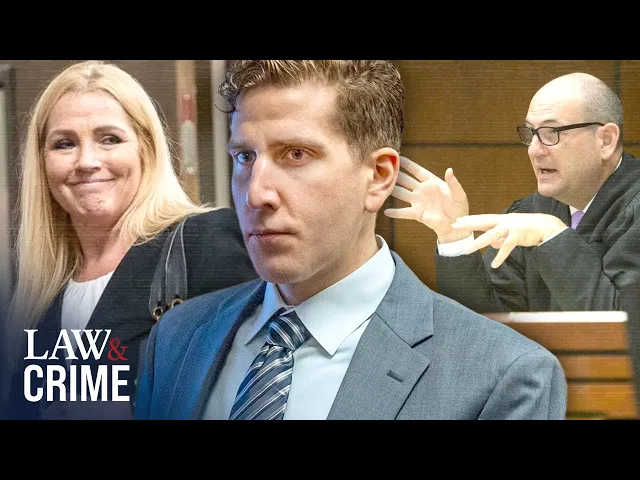
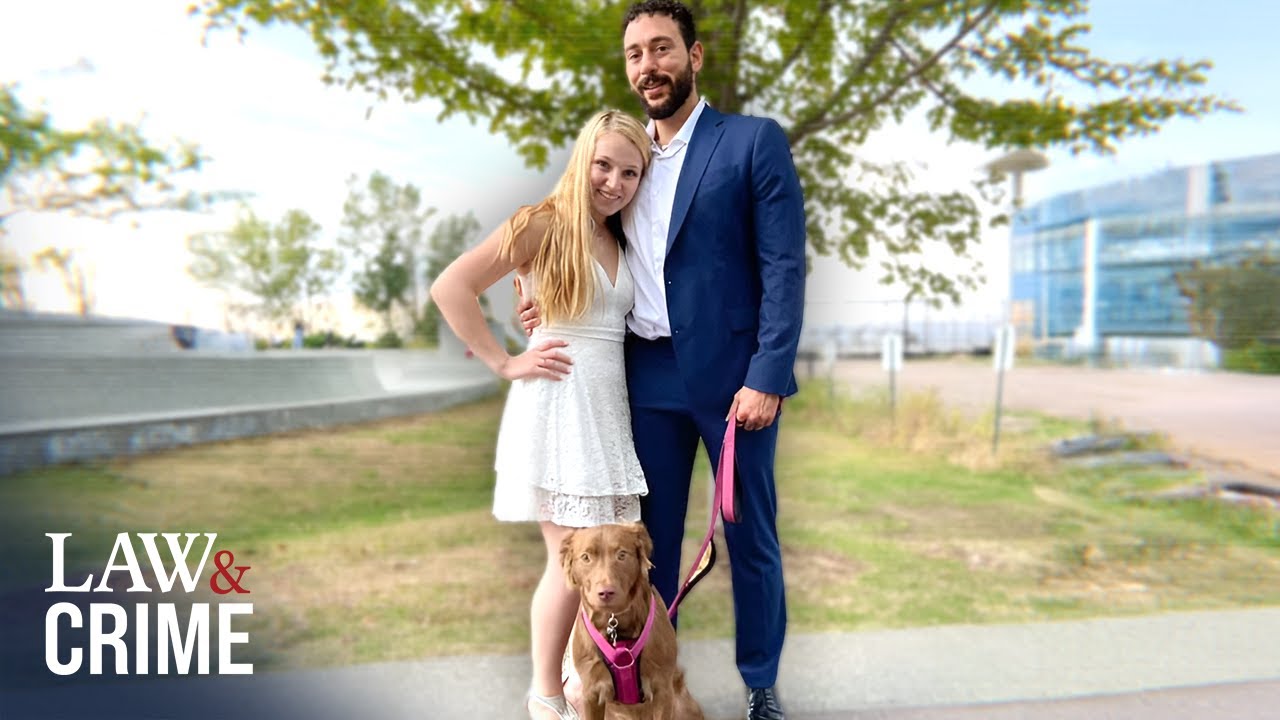
your honor we're we're here because the state has alleged that a single piece of evidence ties Mr cobber to this case Brian koberger returns to court hoping to get the evidence the state has collected against him thrown out as his lawyers reveal new details about the night of the murders this witness has claimed that she's not sure what she heard or saw was real or whether it's it was out a dream and prosecutors are firing back and we know it wasn't a dream uh because they found the evidence discovered the next morning welcome to Crime
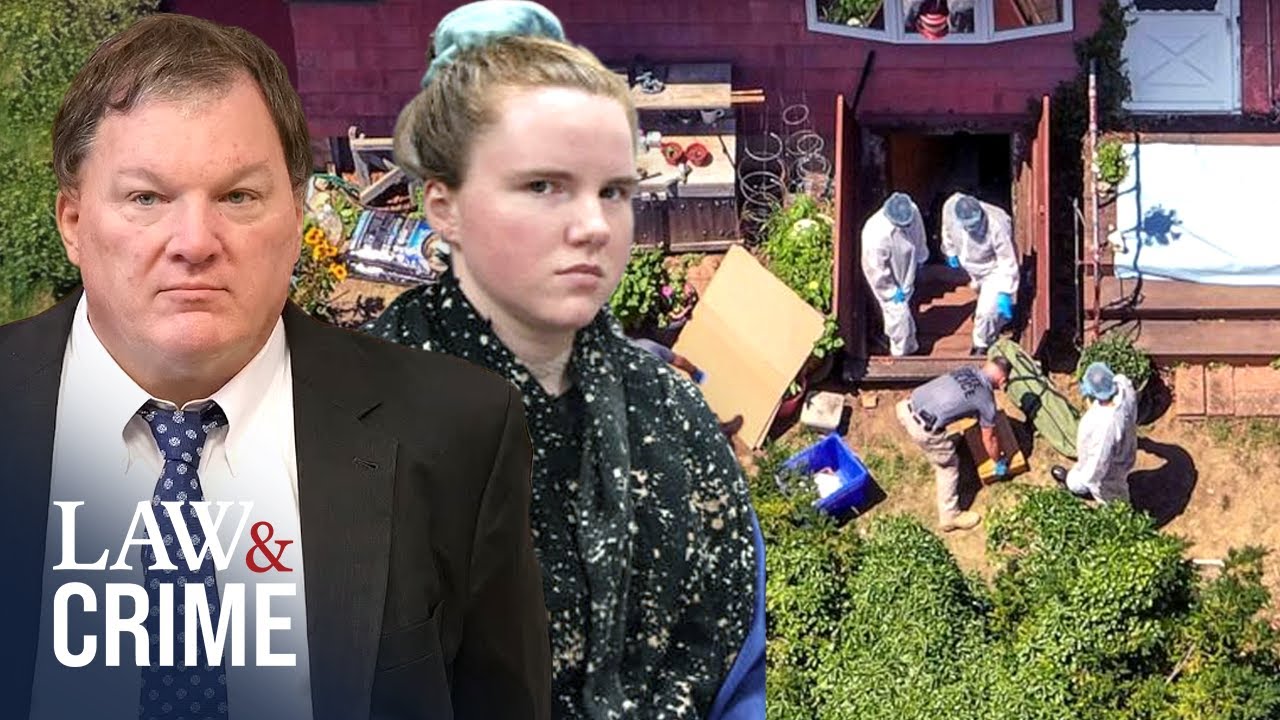
fix I'm Anette Levy Brian cober's quadruple murder trial is scheduled to begin this summer but if his lawyers get their way this trial won't start at all cober's lawyers are trying to get most if not all of the evidence in the case thrown out and they've revealed a lot of new information about the night of the murders I'll get to that very shortly cober's lawyers spent two days arguing questioning Witnesses and presenting evidence to judge Steven hippler about a number of things including investigative genetic genealogy that's how coburger was identified as a suspect cober's lawyers
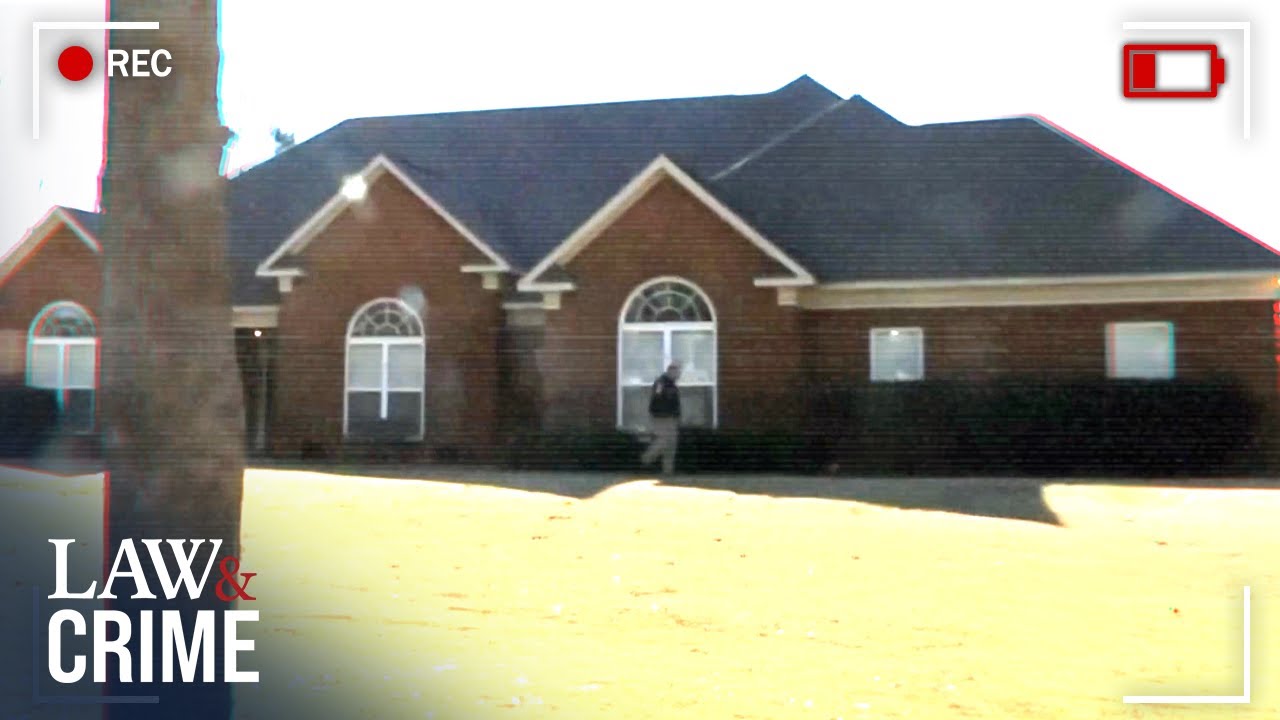
also claim that Moscow police officers misled a magistrate in their affidavits when applying for search warrants and when seeking the warrant for cober's arrest coburger is accused of murdering four University of Idaho students Maddie Mogan kayy gon salvis Ethan chapen and kodal at a house near campus in November of 2022 he says he's innocent the crime was horrific and police have said in a probable cause affidavit that cober's DNA was left on the snap of A Kar knife sheath left next to Matty mogan's body now the FBI used that DNA to search genetic genealogy databases
which led to cober's ancestors and eventually to him cober's lawyers say the FBI's process violated his rights but the prosecution disagrees here's a little bit of attorney and Taylor arguing on behalf of Brian koberger you honor our position is that the court s should suppress the IG identification and everything that flows from that this is supported by Fourth Amendment of the United States Constitution due process Article 1 Section 17 of the Idaho Constitution Runner there was no warrant for several phases of the search that led to the IGG work investigative genetic genealogy and we think
every single one of those stages a warrant was required none was given and so this must be suppressed now the defense maintains the investigative genetic genealogy work performed by the FBI violated coburg's rights because agents access databases of companies that may not have permitted them to do so which violated the terms of services for those companies let's say my DNA is taken lawfully what privacy interest do I have in the search of the DNA of others that's a loaded question um why is it a loaded question isn't it a factual question well it is judge
but um you're assuming that the DNA was taken lawfully and our position I agree that part was is an assumption um and my hypothetical I said my DNA was taken lawfully um why would I have standing to object to the search of other people's DNA simply because I might share some genetic information with them because they are distantly related to me well you're onor our position is that this work was not done lawfully that it was unlawful that there needed to be a warrant that this was done outside of a warrant and I I'm I'm
not asserting on behalf of anybody else in this any relative anybody who might have been named or not named for its part the prosecution says Brian cober's Fourth Amendment rights are what matter here and the state says those rights were not violated even assuming that that's all correct and that they violated the terms seems to be the evidence the terms of service your honor don't affect the the Fourth Amendment uh the terms of service and certainly Mr cober does not have standing to raise a violation of the terms of service and even if he did
the remedy for the terms of service is not the a violation of the Fourth Amendment um as we argued in our brief the individuals and as came out in testimony today the individuals who are utilizing these databases and we're talking about millions of them are willingly sharing their information with each other with millions of other people isn't there a subset that says but I don't want these people to look at it in in some of the data the FBI is understand the evidence then says okay we agree we won't search those ones so I'll address
that part but the on the database piece the the issue is that no no one sharing this information with millions of other people could have a reasonable expectation of privacy the test for that isn't do they have a reasonable expectation of privacy against law enforcement it's against the public RIT large judge hippler has been presiding over this case now for several months and he has a way of putting both the defense and the state on the spot when they make their arguments and he did it right here IGG was used in this case and yes
it did point to the defendant um but the fact that that happened doesn't mean that there was a violation of the Fourth Amendment unless the court has any questions we ask to deny the motion to suppress if the FBI in fact violated the Fourth Amendment rights of Mr cober or you would agree the state is uh burdened by that it's a great way of putting it your honor yes the state would be burdened by that yes it's safe to say our stories prove the world is unpredictable and having a great lawyer really matters that's where
Morgan and Morgan the exclusive personal injury law firm of Law and crime comes in this is a firm with more than a thousand lawyers because they win a lot in the past few months Morgan and Morgan won a $29 million verdict for a cyclist in Philadelphia a $2.7 million verdict for a car accident victim in Florida and a $5.6 million verdict for a car crash victim in Georgia after the insurance company offered their client 0 even if you think your case isn't worth millions Why not start a claim and fight for what you deserve Morgan
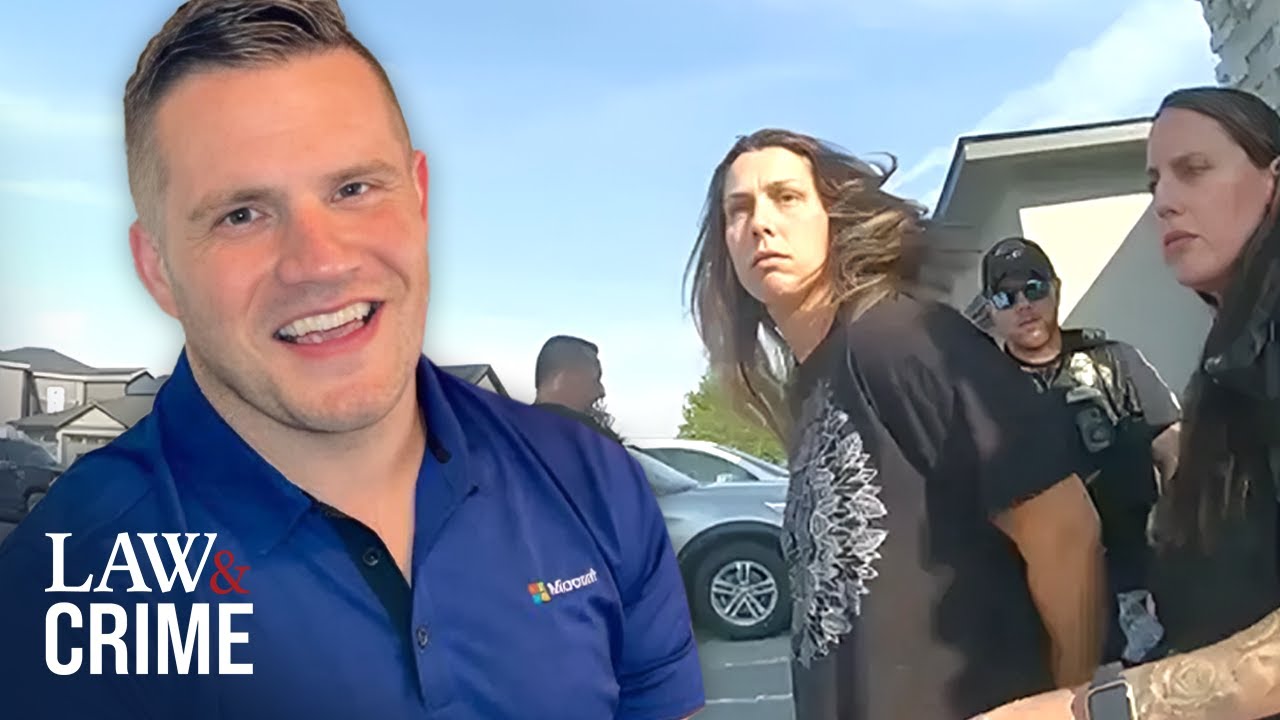
and Morgan makes it so easy you can start a claim from your phone in just eight clicks so if you're ever hurt you can easily start a claim at forthepeople.com crime fix or click the link in the description and pinned in the comments then Ann Taylor reveal what one of the surviving roommates told police about the night of the murders Taylor did this because she wants a Frank's hearing to determine whether police lied to get search warrants Taylor listed a number of instances where she said the officers misled the magistrate when writing their affidavits this
probable go cause affidavit talks about an interview they had where the the person that was interviewed said that she heard things and saw things within her house but what is written in the probable cause affidavit is seriously lacking in detail it's wrong and it's false in many places the way the affidavit reads it says this person stated she went to sleep on the second floor she was was awoken at 4: by what she stated sounded like one of the victims playing with the dog which was on the third floor a short time later she thought
she heard one of the victims say something that caveat she thought she heard is a problem that's not at all what was said she was this person was interviewed shortly after 911 was called in the afternoon of dece of November 13th 2022 and she was sure I'm at defendants exhibit 8A page 281 lines 4 through 10 when this witness was sure that she heard this particular victim go down the stairs go up the stairs and then come running back down the stairs that is not what's contained in this affidavit at all now this is really
interesting information that we hadn't heard before Taylor went on to explain why she believes this discrepancy is important that is important because that's misleading to the judge that Waters down what was said and that matters in a in the probable cause affidavit because the officers when they wrote this knew that wasn't the case they knew this particular person that DM said was upright and running down the stairs but that's not what happened that person was killed in the bed and never left the bed and so the officers water that down because they know that fact
is wrong but they don't tell the magistrate that they also don't tell the magistrate that this witness has claimed memory problems that this witness has claimed that she's not sure what she heard or saw was real or whether it's it was out a dream so an Taylor is saying the surviving roommate claimed to have memory problems and that she didn't know whether what she recalled was a dream or not Taylor is questioning the surviving roommate's credibility there are two references to not remembering a couple of days later there's the third interview and there's references to
not remembering being drunk a statement I don't know any of it like half this stuff I don't know if it's a dream or if it's real that's at page 399 at page 406 I don't know if this was real or in my mind was just like playing with me but from what I think I heard someone was crying in the bathroom these are definite statements that were not given to the magistrate and in fact were brushed over and credibility is really really important when that person is relied on in the investigation but the prosecution defended
the surviving roommate statements to the judge saying her description of the man she saw in the house wearing all black never changed the person was a slim skinny lean build and the person was about was taller than she was is around 5'8 that's what's important it was that General description and that General description did not change is it also important to establish the timeline it is um it's it's important to establish the timeline to know when that the timeline matched the vehicle surveillance of when a suspect vehicle is coming into the area of 1122 and
then leaves as well as text Communications of her relaying what she's observing during the same time period so you heard right there assistant prosecutor Ashley Jennings said one of the surviving roommates was texting what she was seeing that is really interesting and had been rumored on social media Jennings continued the defendant argues when an eyewitness States she's not sure anything she saw was real a magistrate should know about it well the simple answer is investigators knew what she saw was real uh and we know it wasn't a dream uh because they found the evidence discovered
the next morning those statements didn't need to be included in the PC affidavit because they weren't exculpatory they didn't support this idea that this didn't really happen that somehow we got it wrong the probable cause affidavits also contained information about Brian cober's cell phone records and it really made it sound like he was near the house on King Road a dozen times but Anne Taylor is saying that's another way that the officers misled the court based on those records they absolutely knew that Mr coburger wasn't around that resence wasn't parked near the residence didn't stop
and have his phone in a stationary position at that residence they absolutely knew that that's not what was happening but they put it in there to make a connection that didn't exist they put it in there so that the judge would think that this was the right person and they shouldn't have done that but then you have this false narrative that looks like stalking that looks like following and it's not true that is extremely Dam in it's very misleading it's an outright lie to the magistrate when you omit that kind of information when you take
that context out you might as well say stalking because that's what you're trying to say and you know that's not true but the prosecution says the officers did not misstate the evidence about those cell towers here's what is an Evidence though uh it and based off of the PC affidavit is that the phone was in the a area for the tower that provides service to the 1122 residents still maintain that's true regardless none of this has any bearing on the validity of the search warrant their argument is merely a clarification about which member did what
work um um and and that doesn't matter to the ultimate determination for probable cause now when it comes to the issue of probable cause the judge asked this very pointed question when there's a DNA match between the DNA and the sheath and Mr cober isn't that probable cause every day and twice on Sunday not in this context not in this context um because of the IGG work the defense is also trying to get evidence from cober's arrest in Pennsylvania at his parents home and statements he made thrown out claiming the search violated his rights since
the warrant was unno knock warrant essentially watching uh Mr koberger as he moves around his house via snipers I mean they were quite safe uh and there was simply no reason to bash the doors in momentarily after yelling from their Bearcat there's two issues there's officer safety there's also destruction of evidence concerns in the cases that we cite a judge when the claim has been that there's evidence being destroyed the evidence what's known to the officers is something along the lines of they hear somebody running away after they announc themselves that's it's not typical that
the police simp don't knock and announce at all in those cases they usually give the person the opportunity to surrender but it's not a particularly long one and in this case they don't do that at all and what all the only thing they knew is that he's walking around from room to room and that he has some uh kitchen gloves on and I don't think that that equates necessarily to the destruction of you know that's not all they knew but I won't go into the detail in order to I want to bring in Philip dubet
he works as courta appointed Council in Los Angeles County so philli I want you to talk to me a little bit about this whole issue that cober's attorneys are talking about uh you know the no knock warrant when he was arrested at his parents house in Pennsylvania his attorneys are saying it was Overkill it violated his rights what are your thoughts on that well even assuming that it was Overkill and it violated his rights the US uh Supreme Court has already spoken on this issue it was back in ' 06 in a case called Hudson
versus Michigan and that involved uh the search of a residence with a warrant and uh they did not sufficiently knock and announce their presence before raiding the residents and what the court said is that suppression of the evidence is no longer a remedy for the technical violation the rule exists really just uh first of all that there is a fear that maybe the people inside are dangerous that they have a weapon or that there could be imminent destruction of evidence or that someone could escape and the fact that somebody didn't knock and wait a few
seconds before barging in or waiting for them to open up the door is too technical of a violation constitutionally to say the remedy should be to throw out everything recovered in the property so the remedy if any really is in tort law or in civil rights litigation in the Civil courts so I don't believe that their motion has Merit as ignominious and as offensive it may have been to go in there at that hour or whatever hour whatever hour it was doesn't violate the Fourth Amendment it might violate local tort law or federal civil rights
laws but nothing in the criminal context and they made it sound like you know the judge said you know they that's not all they knew when Jay logston the defense attorney said you know all they they knew you know they had a drone up they saw he was in this kitchen with you know he was walking around with kitchen gloves on and the judge said that's not all they knew uh we know that there was a gun seized from the coburger home uh so it sounds like there was more to this and the detective also
said things changed that day where they where they basically decided to do no knock and uh there were some other circumstances but they're kind of keeping that all under wraps right now I'm assuming because they don't want to taint the jury pool well that and uh you know frankly they don't want to give their hand away because you'd be amazed how many people out there who are listening could call in false tips they could try to sabotage the case try to emerge if you will as this last minute kind of witness and by keeping things
mum and limited to what's in the pleadings it uh it it really furthers the truth seeking process and if we're honest andette in the end the police got a warrant I could see if maybe they went in there without a warrant and were felt that there was some type of an emergency situation but a judge or a magistrate already signed off on their probable cause affidavit and found that there was sufficient evidence to go in there and to say that nothing will be admissible in court just because they didn't knock or wait a few seconds
or announce their presence Hudson versus Michigan says no can do anymore uh under Fourth Amendment Juris Prudence I want to move on now to the motion for a Frank's hearing basically you know the defense is trying to show that they are owed this hearing they're trying to say that officers misled the court uh when they went got search warrants um you know when they were writing affidavits for a probable cause they say that the roommate the survi one of the surviving roommates made some statements and that she she was saying things like I don't know
if what I what I remember if I imagined it if it was a dream or or if it was real um they're acting like you know information that this roommate said was left out of the affidavit um and that that would have maybe not added up to probable cause uh you know the prosecution counters and says no that's not true you know her description of the suspect never changed what are your thoughts on an Taylor's arguments there when she's revealing all of this new information about what that surviving roommate said well first of all the
statements in the affidavit to qualify for uh traversing the warrant have to be knowingly false and they have to be material there's always going to be uh I I don't want to call them lies or falsities but maybe some misrepresentations some inaccuracies in affidavits the question is if you sever those inaccuracies from the affidavit is there still sufficient facts to find probable cause and I believe that was the prosecution's argument let's just give them that but there was nothing flagrant nothing knowingly misleading uh about what the roommate may have remembered or saw because at the
end of the day all that really matters they have four dead people in that house I mean seriously there is enough right there to suggest that a crime has been committed and that by going in you might be able to solve it get some leads find something to lead to the identity of the perpetrator so I think in the end the Court's not going to Traverse the warrant but instead might say look I might sever some of this but I'm going to find nonetheless that there's still sufficient probable cause to allow this warrant to survive
and the judge basically said you know isn't his DNA on the knife sheath probable cause every day and twice on Sunday and then Taylor responds and says uh not in this context because of the investigative genealogy work um so that was her response but the judge is basically saying they have probable cause all day long just because of his DNA being on the knife sheath exactly I mean if the DNA was not on that knife sheet let's be honest an Janette I don't even believe that prosecutors would have even filed a case there just would
not have been enough evidence certainly there's a lot of Suspicion and there might be probable cause to suggest that he was involved and certainly that the crime has been committed but not enough for prosecutors to say we have enough to proceed Beyond A Reasonable Doubt and their ethical obligations require them to assess a case pre filing for a determination of proof Beyond A Reasonable Doubt as opposed to just probable cause and I am telling you that that DNA on that sheath next to or underneath one of the victims is enough to sink him the judge
basically said he doesn't know if he's going to schedule a Frank's hearing he doesn't know if they've met their burden and so you know he's going to have to go back and review this but he ask them for dates in the next few weeks in case he does schedule this hearing um what what's your feeling on that I mean because an Taylor threw a lot out there she she's talking about the cell phone information that that was misrepresented as her client stalking the victims you know all of this stuff she's talking about you know other
people's blood male blood found in the house um you know the prosecution had said in some prior documents that it wasn't suitable to upload the codus um they couldn't even identify you know who it may have belonged to that type of thing well for purposes of due process and judicial ethics judges should not announce ahead of time which way they are leaning without having reviewed everything without having heard both sides the judge was smart by saying we're going to set this for a hearing and he'll Reserve ruling until he has read and heard all argument
so for now I think what he's saying is you better bring me something because based on what I'm seeing and what I'm reading you haven't met your burden but he didn't quite go that far with saying that because if we're honest it would be unethical and I think it would violate Cannons of Ethics to rule before you've even read and heard everything so the judge was smart he did seem to judge hippler did seem to throw some cold water on the IGG arguments although he did seem to think that they violated the terms of service
violating terms of service for genetic genealogy databases is a whole lot different Phillip uh than violating somebody's Fourth Amendment rights so he he did push both sides on that issue but he didn't seem to really be buying what the defense was selling no there's a few buckets of Remedies here when uh police do things unlawfully number one there is suppression of evidence in a criminal case or number two if the violation uh of whatever the police did amounted to a breach of a contract that's a separate analysis in the Civil context or if what the
police did merely amounted to a civil tort that is a different analysis the question here is did Brian koberger even have legal standing to suppress the IGG evidence and even if he did let's just uh let's just pretend that he did in other words he has a subjective and objective expectation of privacy in the data in those genealogy databases the question then becomes is there an exception to the exclusionary rule in other words something that would undo the taint of the poisonous tree caused by the police misconduct and the Court's going to look to various
exceptions such as the attenuation Doctrine let's just pretend that what the police did was illegal and they came up with this whole family tree the question then is is the discovery of the family tree so far attenuated from the illegality that you can deny suppression and I think it's very possible that if the court finds that Brian does have standing that the discovery of the uh uh the genealogy type genetic data is so far attenuated from the illegality that uh exclusion is not the remedy and you have to understand there's always going to be some
type of remote discovery of things flowing from an illegality that's the whole point it would be different if they found his DNA directly in the database then the question becomes did they need a warrant but the fact that they found somebody else's DNA that had some matching genetic components to him I think the Court's going to find that that is enough not not enough rather to say that suppression is the remedy and frankly I'm gonna I'm gonna bet that judge that this judge finds that he doesn't even have standing and the reason why is that
the right to suppress has to be personal to him and that the thing that he is seeking to suppress has to be personal to him the courts have held since reikus versus Illinois that if the item being searched or seized is not yours you don't have standing you cannot assert the rights of third parties who may have had a privacy violation unless those people are being prosecuted and unless those people seek to enforce their rights some unrelated defendant has no remedy well we will keep an eye on it and see what judge hippler decides Philip
dubet thank you so much take care and that's it for this episode of crime fix I'm and Janette leevy thanks so much for being with me I'll see you back here next time