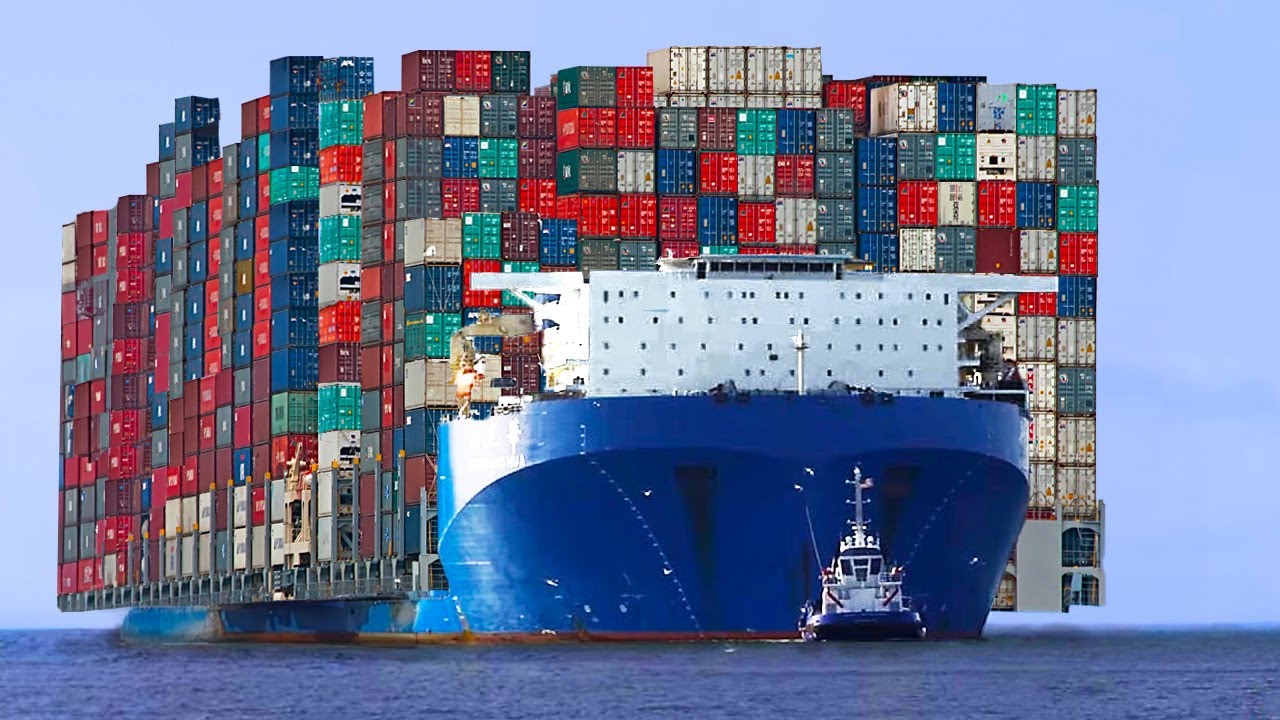
container shipping moves 95% of all manufactured goods around the world in 2017 more than four trillion dollars worth of products were sent over the oceans it's an industry that underpins the global economy but it wasn't always as big or as efficient as it is today the idea of shipping started in third century BC when merchants realized that sending products oversea was cheaper and faster than by land early on goods were loaded onto ships and sacks barrels and wooden crates with scores of dock workers squeezing them on decks or in tight spaces below ships often spent
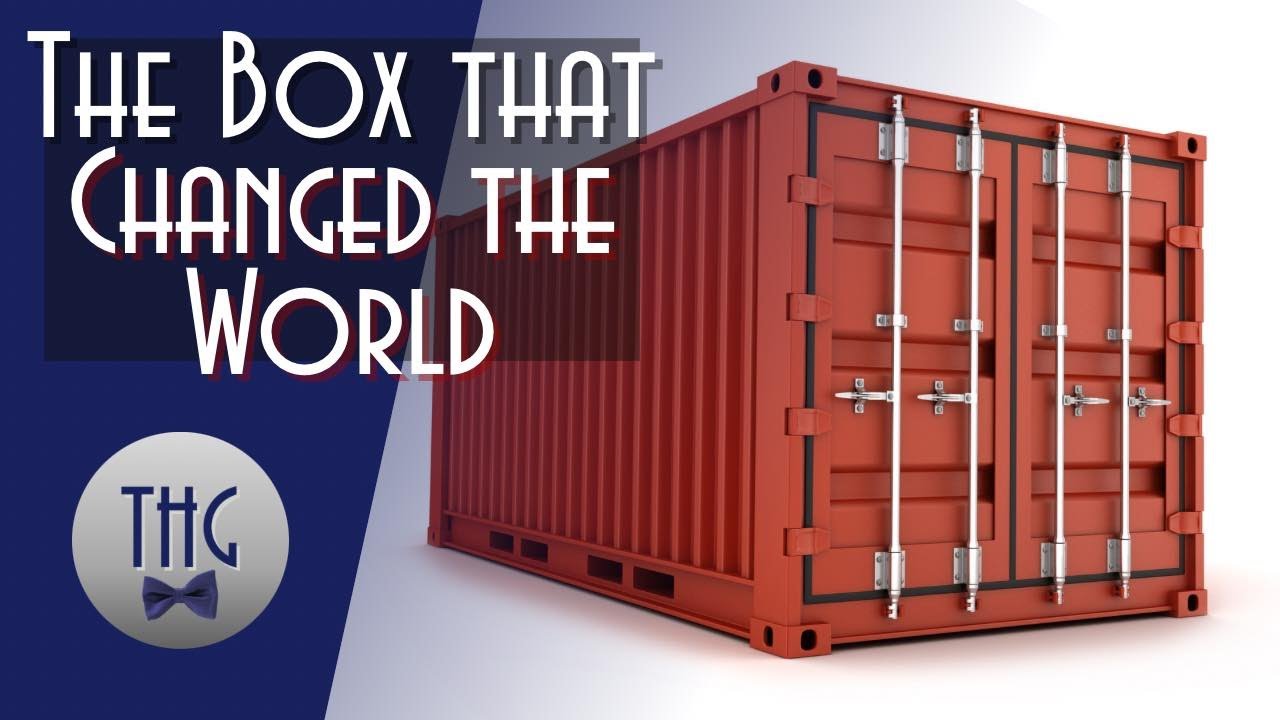
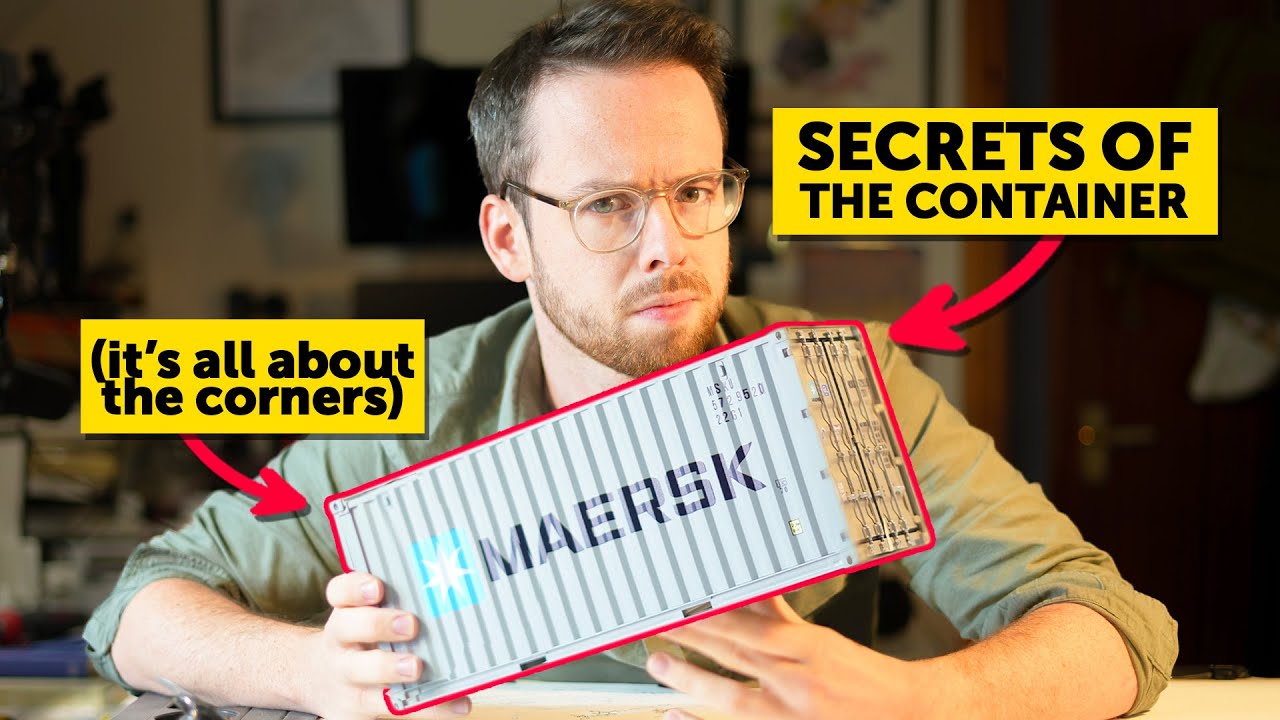
more time at ports than sailing and not much change until 1956 that's what American truck driver Malcolm McLane stacked 58 metal boxes on a ship going from New Jersey to Houston this idea completely revolutionized the industry the containers not only protected the products but when the ships docked at ports truck beds and freight trains could take them away without repackaging a flurry of innovation followed and container sizes were standardized in 1966 more McCormack Lions started the first transatlantic container service and then in 1968 one of the first modern container ships hit the water the Japanese
Hakone motto carried 752 20-foot containers using a standard still used today cargo could now be moved from purpose-built vessels to rail and roads in massive volumes cutting transport cost by at least 75% this led to the emergence of global shipping behemoths like Denmark Smurfs Klein Francis CMA CGM and China's Costco by the 1980s around 90% of manufactured goods were containerized from designer dresses and feed to home goods electronics and heavy machinery globalization exploded as ships moved Asian goods to the west and vice-versa making stops at dozens of ports along the way recently the Panama and
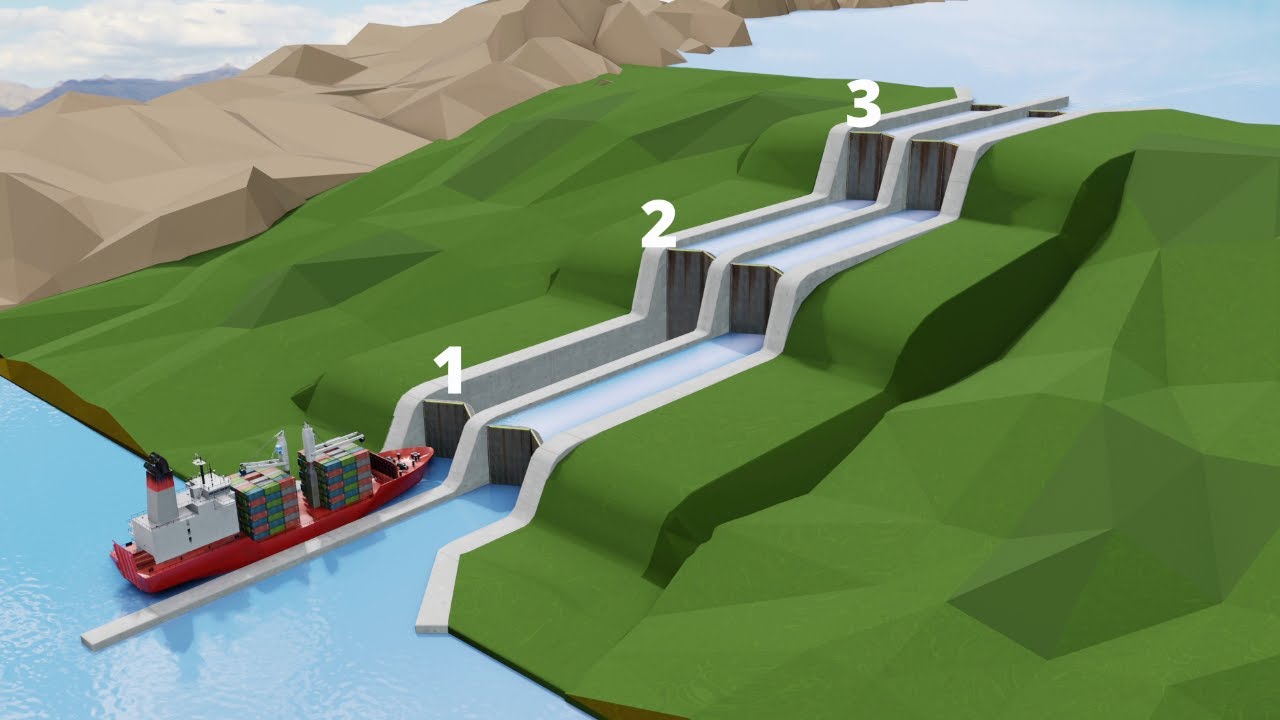
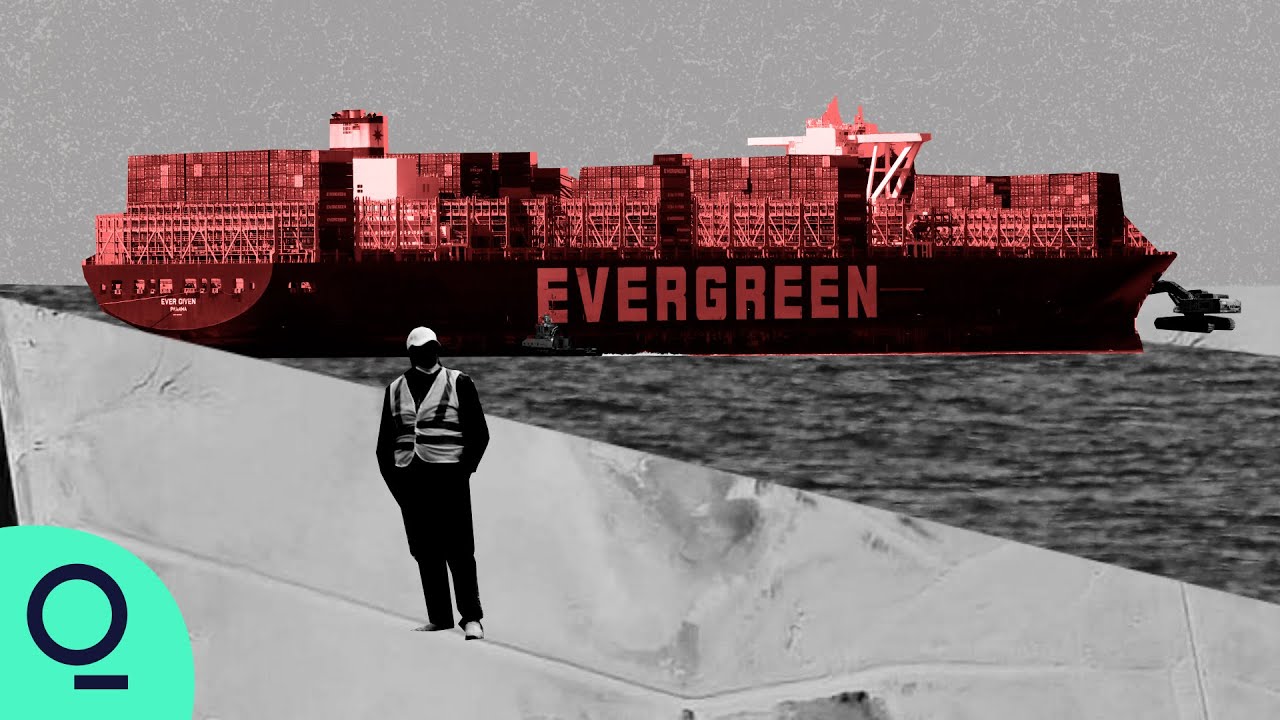
Suez canals were expanded allowing for bigger ships to cross and in greater numbers but it's not all been smooth sailing the industry has been plagued by too many ships in the water sparking a series of price wars that plunged many operators deep into the red and completely sank others this caused a wave of consolidation seeing the top-20 ocean carrier shrink to 11 a number that's expected to get even smaller shipping has also seen criticism from governments and environmentalists who say that it's responsible for around a quarter of the world's nitrogen oxide pollution in response operators
are adopting cleaner fuels like natural gas today the industry continues to boom container ships are as high as the Empire State Building if turned upright and can move more than 20,000 boxes each a single container it can hold 10,000 iPads at a cost of five cents each from Shanghai to Hamburg the average TV coming to the u.s. from China cost less than $2 to ship the most recent growth has been in refrigerated shipping fresh produce food and flowers that once only moved by plane are now shipped on satellite tracked reefer boxes that keep them fresh
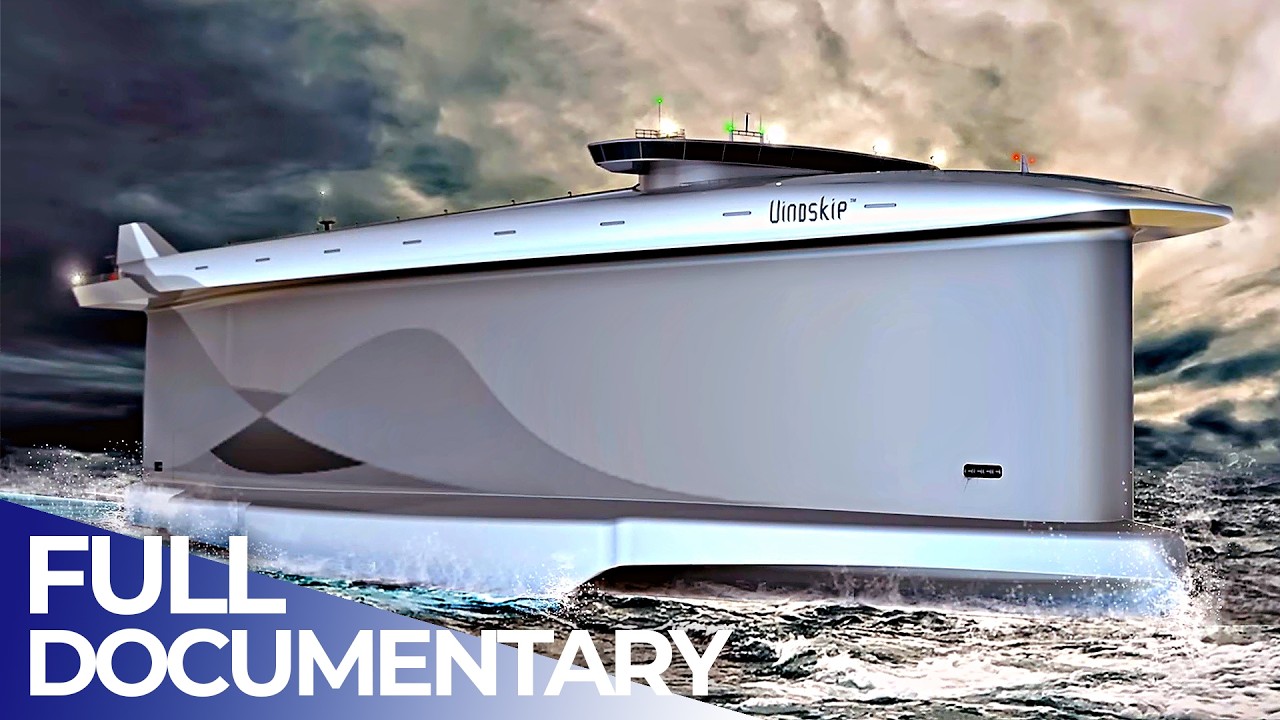
bananas can last in these for up to 50 days so what does the future hold likely crewless behemoths running on batteries that can move 50 thousand containers and global cargo distributed through blockchain technology that will eliminate paperwork and further cut costs later this year the first so-called Tesla of the Seas will hit the water at a Norwegian Fjord moving fertilizer from a production site to an export port the ship will replace thousands of truck routes through populated areas [Music]