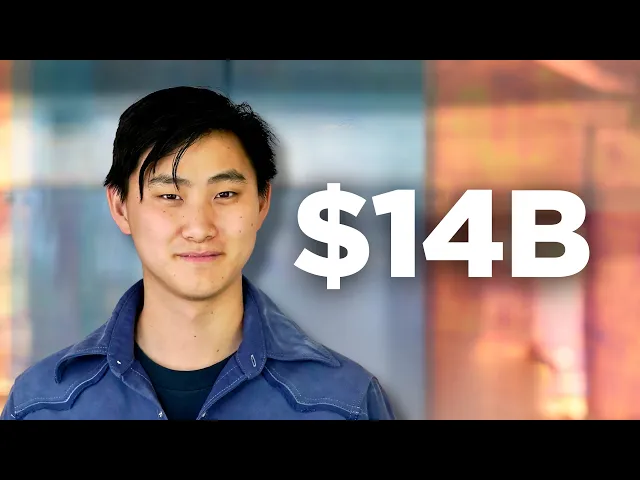
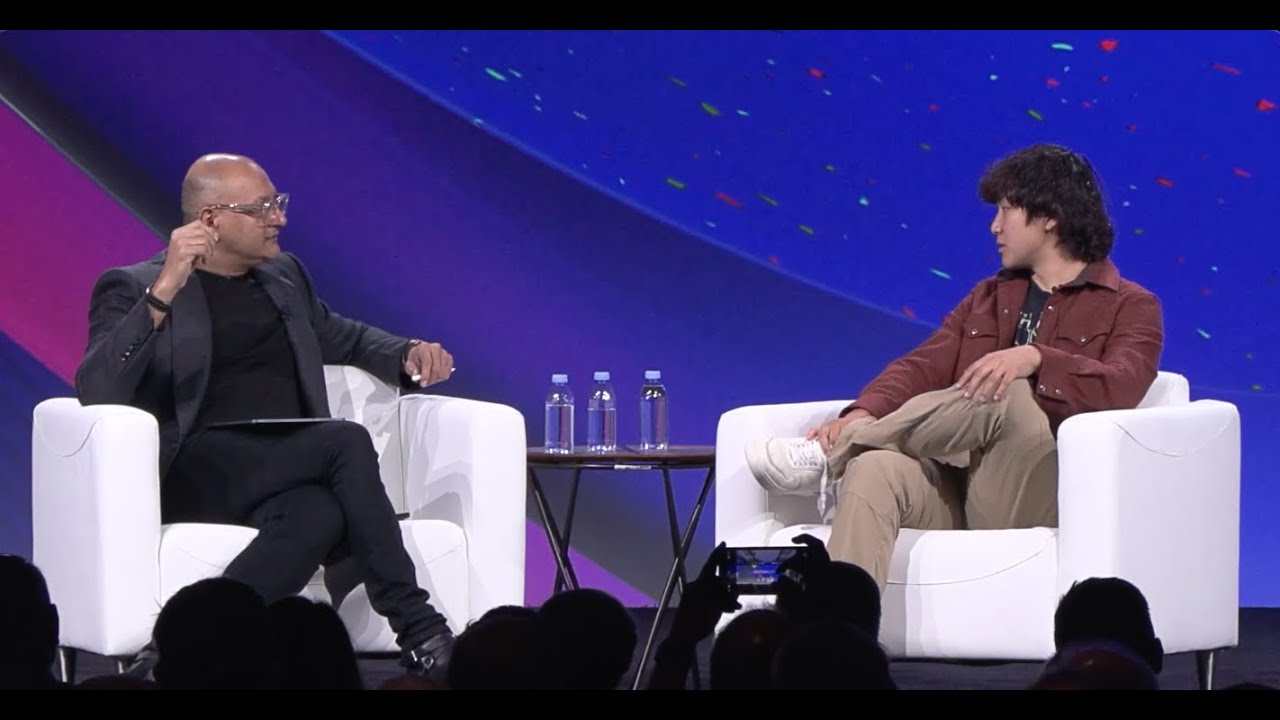
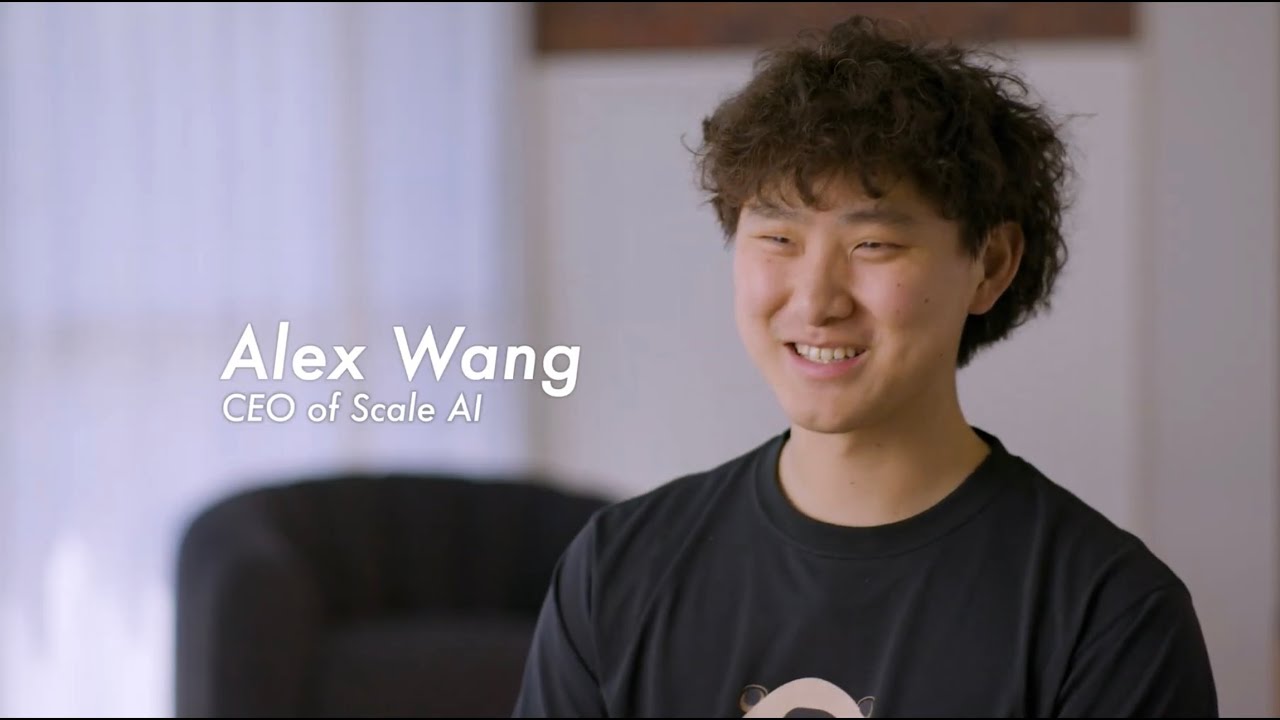
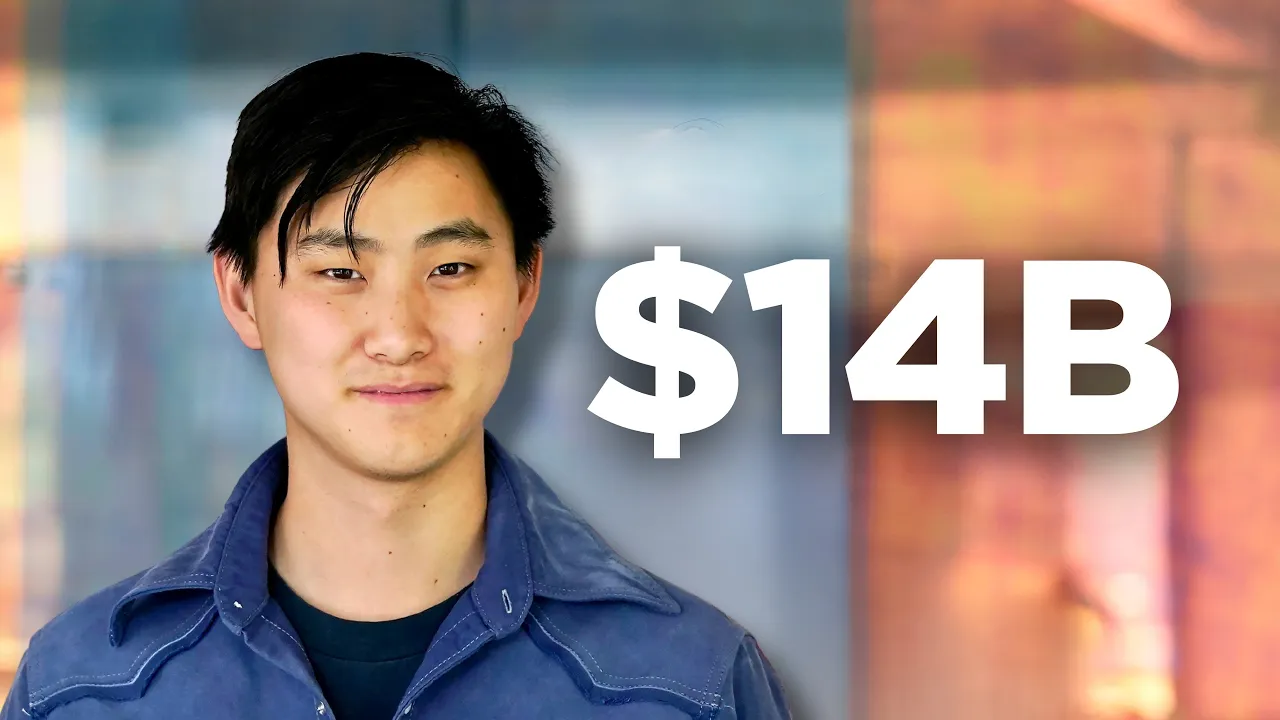
My name is Alexandr Wang, and I am the founder and CEO of Scale AI. Alexandr Wang co-founded a company that supplies one crucial resource that tech giants need: humans. His company Scale AI supplies high-quality training data to NVIDIA, OpenAI, General Motors, Microsoft, and Meta.
This data improves language models like ChatGPT and supports applications in the field. For instance, Scale’s human workers combined with AI tools help GM’s self-driving unit Cruise by labeling data to differentiate a pedestrian from a palm tree or a puddle from a manhole cover. They also label behaviors, such as predicting whether a person is about to cross the street.
All of this helps AI systems make safer decisions on the road. Alexandr co-founded Scale AI in 2016 at the age of 19, just when AI technology was beginning to take off. Before that, at 17, he was already coding for the question-and-answer site Quora, where CEO Adam D’Angelo advised him that while four years of college was overrated, two years might be valuable.
Alexandr ended up dropping out of MIT after his freshman year, where he had been studying computer science and math, to start Scale AI with fellow Quora alumni, Lucy Guo with an investment from the startup accelerator Y Combinator. Alexandr initially told his parents it was just a summer project. But deep down, he knew it had the potential to become something far bigger.
He and Lucy recognized that self-driving car companies had amassed millions of miles of driving footage to train their AI systems, yet lacked the human power to review and label the data—tasks that machines can’t handle. Scale AI stepped in to meet that demand. It was like striking gold in the digital age.
Even Alexander’s first name has a touch of serendipity—spelled with eight letters, considered lucky in Chinese culture because eight (“ba”) rhymes with prosperity or wealth, (“fa”). One of the early believers in Alexandr and Lucy’s vision was Accel partner Dan Levine who not only invested $4. 5 million in seed funding but also offered his basement as Scale's first office.
Major investors later jumped on board, with Peter Thiel’s venture capital firm Founders Fund investing $100 million in 2019. Lucy ended up parting ways with Scale AI, reportedly due to differing visions between her and Alexandr, though the specific reasons have never been publicly disclosed. Today, Scale AI is valued at $14 billion, with Alexandr owning an estimated 15% of the company, making him one of the youngest self-made billionaires.
Initially, the company relied on outsourcing agencies in Southeast Asia and Africa to hire workers for data labeling but realized managing this in-house was more cost-effective. In 2017, Scale AI quietly launched Remotasks, which now employs over 240,000 workers across 90 countries, including Kenya, the Philippines, and Venezuela. They work out of internet cafes or leased offices.
While Scale AI doesn’t openly advertise its connection to Remotasks, the platform has faced accusations of operating digital sweatshops, where workers have reported being paid far below the local minimum wage, with some earning less than $1 a day for certain tasks. Despite these allegations, Scale AI has stated that they are “proud to pay rates at a living wage. ” Some of its workers are now tasked with more complex responsibilities.
Instead of simply labeling pre-existing data sourced from the internet, they help create new data to teach models how to generate images or complete text, like in ChatGPT. For example, if I showed an AI system photos of my dog, Luffy, it might generate a sentence like: This dog is adorable and sweet and happy. While factually accurate, it doesn’t sound like something a person would naturally say.
A human labeler might edit it to sound more conversational, like: This sweet, adorable dog looks so happy and playful. But Scale AI hasn't just focused on everyday tech. The company has pivoted toward military contracts.
Scale AI has been supporting U. S. military operations by analyzing satellite images to assess damage in Ukraine caused by Russian bombs.
To ensure sensitive data is handled securely, the company employs U. S. workers for data labeling at its St.
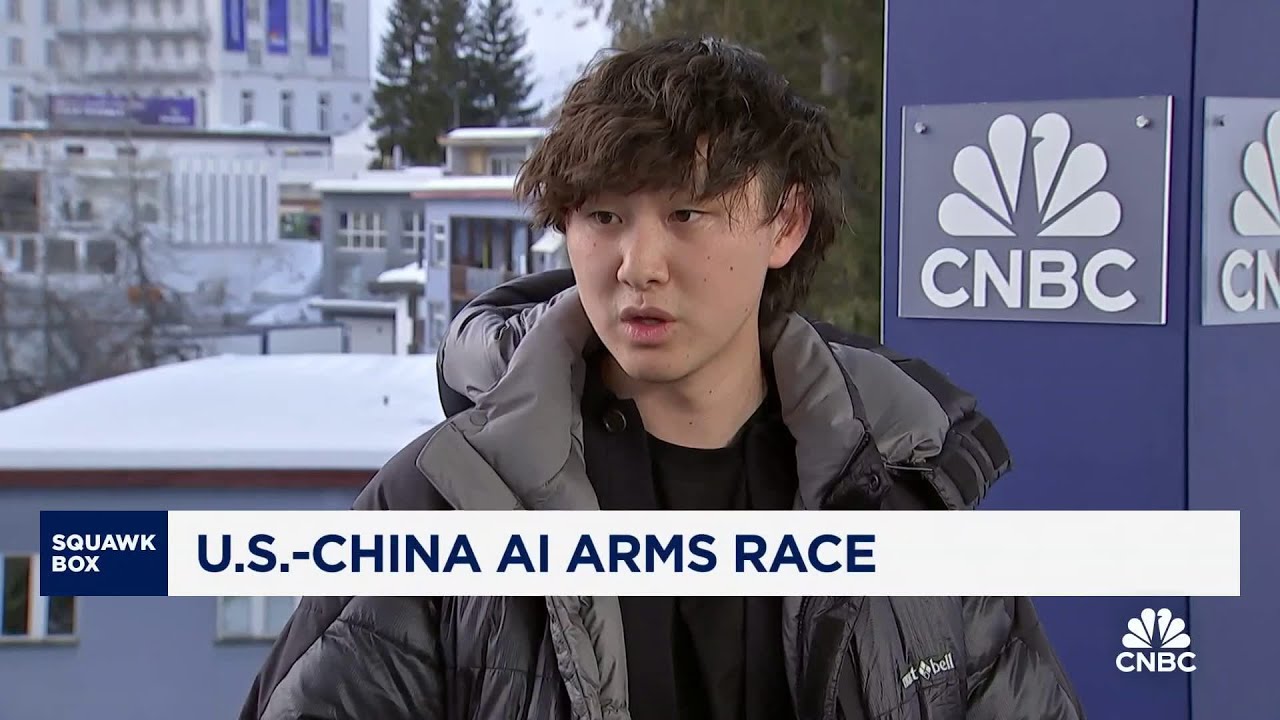
Louis office, though most of its workforce remains global. Alexandr was inspired to take action after a 2019 trip to China, where he watched the country’s top engineers give presentations on AI and was left feeling uneasy. He later told Forbes: “They were really dodgy on what the use cases were.
You could tell it was for no good. ” China has accelerated its investment in AI technologies, for example in autonomous drone swarms that operate like a swarm of bees to incapacitate the enemy. If we don’t win on AI, we risk ceding global influence, technological leadership, and democracy to strategic adversaries like China.
For him, the mission to protect America is deeply personal. He grew up near the Los Alamos National Laboratory in New Mexico, where both his parents worked as nuclear physicists. The lab is famous for developing the atomic bomb during WWII.
Just as the atomic bomb defined the last era of warfare, he believes AI now represents the future of defense. Military implementations of AI are going to be incredibly important. We need to ensure in this next phase that the U.
S. is both economically dominant but also has military leadership as well when it comes to artificial intelligence. Alexandr advocates for centralizing military-ready AI datasets, such as satellite imagery, intelligence reports, and sensor data—critical information not readily available on the internet.
Despite the U. S. Department of Defense generating 22 terabytes of data daily—far more than China’s People’s Liberation Army—a large portion remains underutilized, often stored on hard drives that end up forgotten or overwritten.
He emphasizes the need to centralize this data into a single repository where it can be processed, labeled, and made AI-ready for military use. Data truly is the ammunition that will power our future efforts in the military. Although Scale AI has established a strong lead in AI-powered data labeling, its approach—hiring and managing data labelers—can be easily replicated.
Other companies, such as Surge AI, Labelbox, and Snorkel AI, are already stepping into the same space. But Alexandr is confident that Scale AI maintains a significant advantage. He told Forbes, “I would say that we’ve been working on this problem longer and have built more technology than anyone else.
” Scale’s edge may come from Alexandr himself. William Hockey, the billionaire co-founder of fintech company Plaid who sits on Scale’s board, said this to Forbes: “Wang didn’t get to where he is because he’s a boy genius—MIT pumps out a lot of teenage dropouts. He has an absolutely insane work ethic.
” But for Alexandr, hard work alone isn't enough. His leadership emphasizes 'active thinking'—constantly questioning assumptions and testing ideas with data. As he explained in a memo to his team: Ensure to ask questions, challenge assumptions, and identify where the real bottlenecks and constraints are.
It is the only way you will be able to sort through the noise to identify the reasons you failed. Alexandr warns against 'nice syndrome,' where large groups avoid challenging important ideas for fear of seeming impolite. He advocates for a culture that promotes questioning assumptions on critical issues, ensuring that ideas are rigorously tested.
None of Alexandr’s success would have been possible without mastering coding. You can develop those same skills with Brilliant. Brilliant’s Python courses teach you to code from day one with their drag-and-drop editor.
I like that it's completely hands-on, so you're learning by doing. Plus, Brilliant’s new data science content lets you analyze real-world data to train you to see trends and help you make better decisions. Whether you're interested in math, programming, or AI, there's something for everyone and every skill level.
You can try Brilliant for FREE for 30 days by signing up at brilliant. org/newsthink - link in my description - or scan the QR code on your screen. If you love it, you’ll get 20% off Brilliant’s annual Premium subscription, unlocking thousands of interactive lessons.
Thanks for watching. For Newsthink, I’m Cindy Pom.