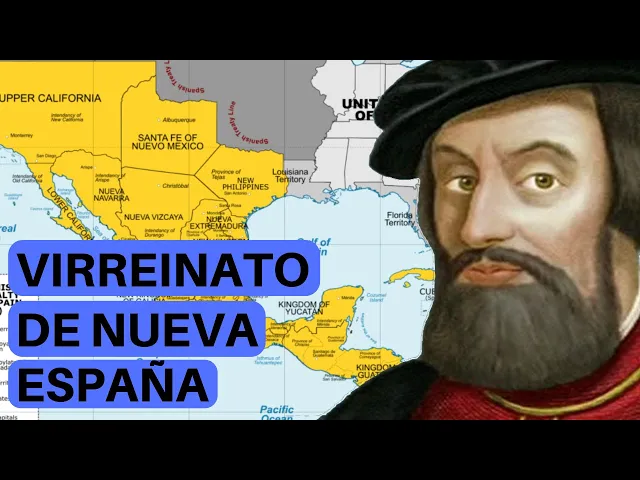
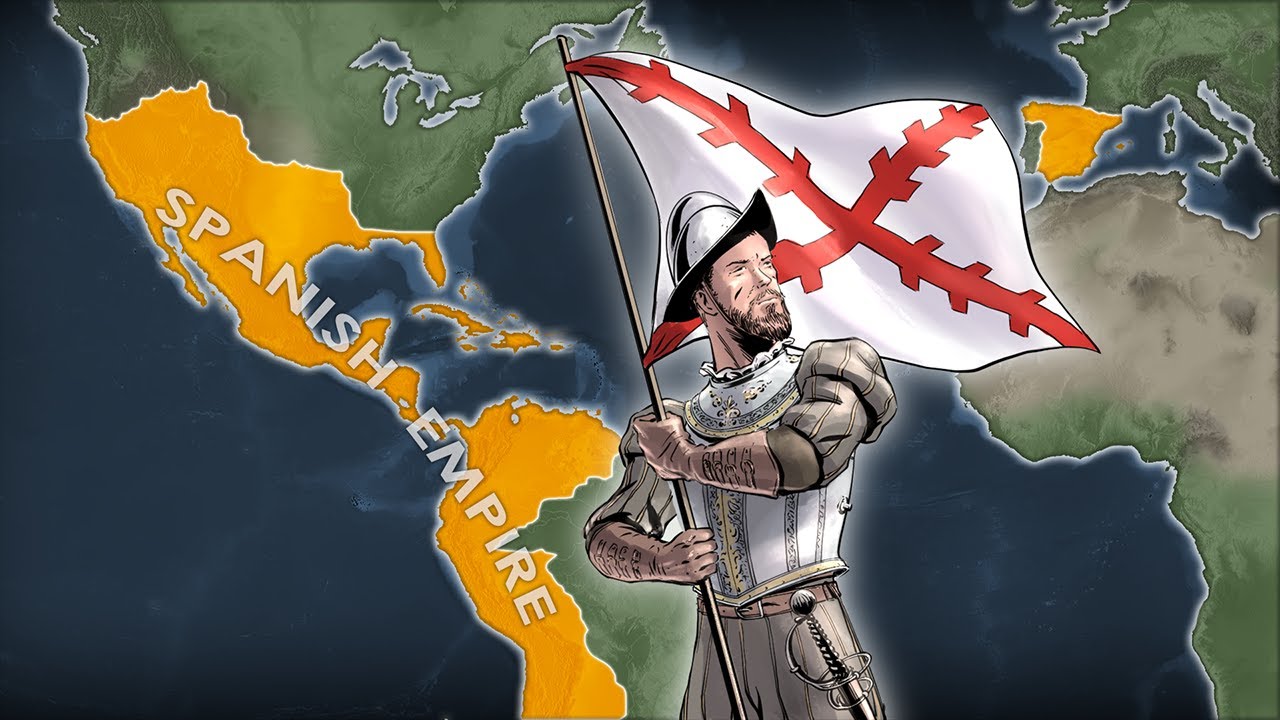
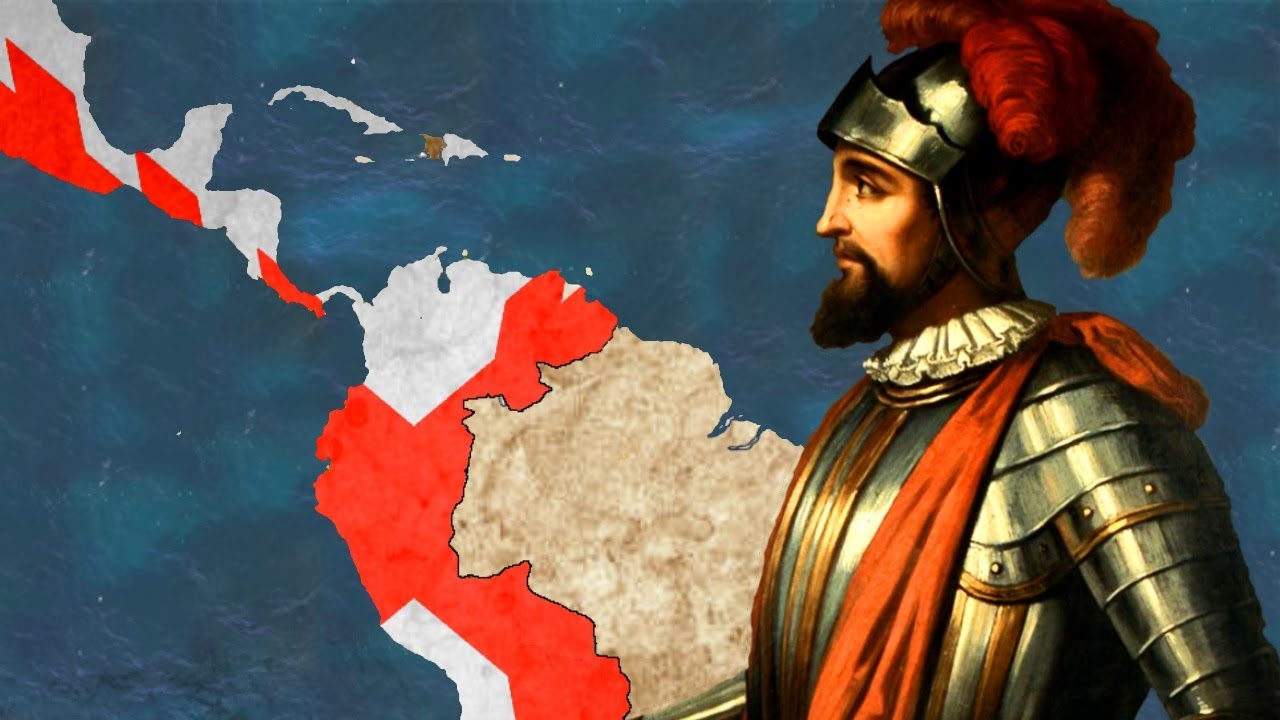
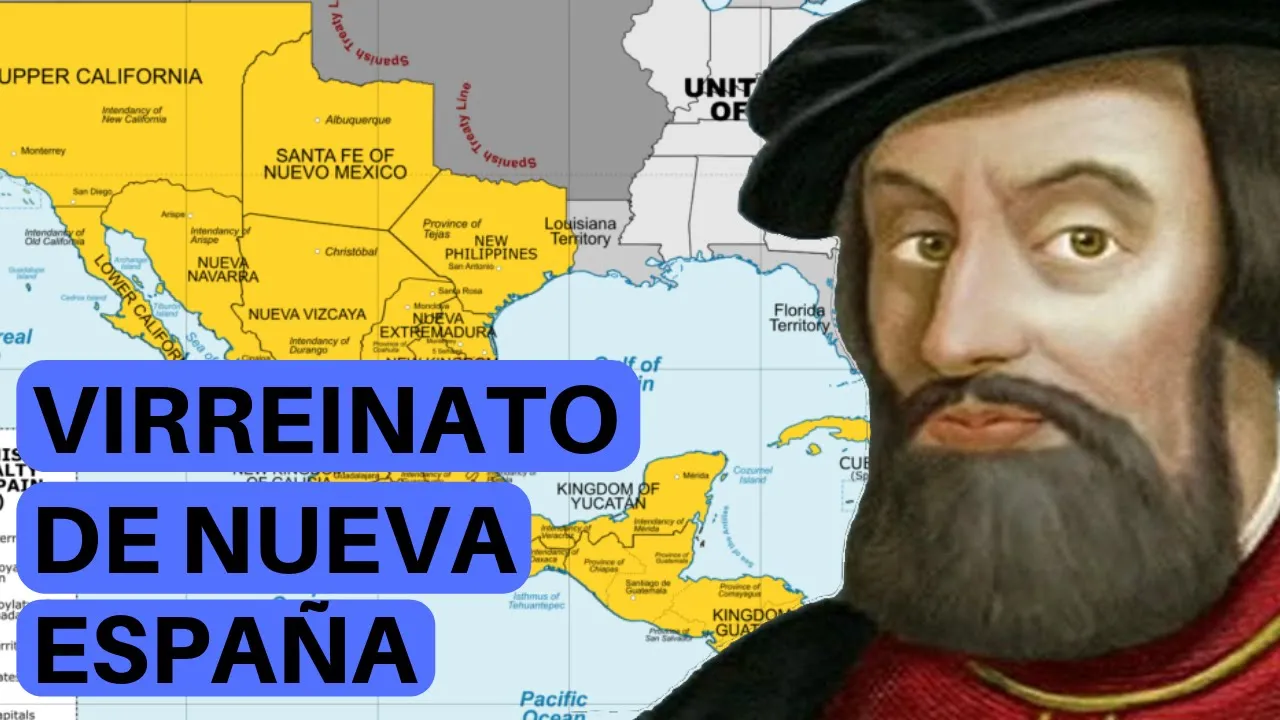
The Viceroyalty of New Spain was one of the territorial entities established by the Spanish Empire in the American continent. Most of the territory was in North America, also occupying part of Central America. Furthermore, at its height, the Viceroyalty also encompassed the Philippines and other islands in Asia and Oceania.
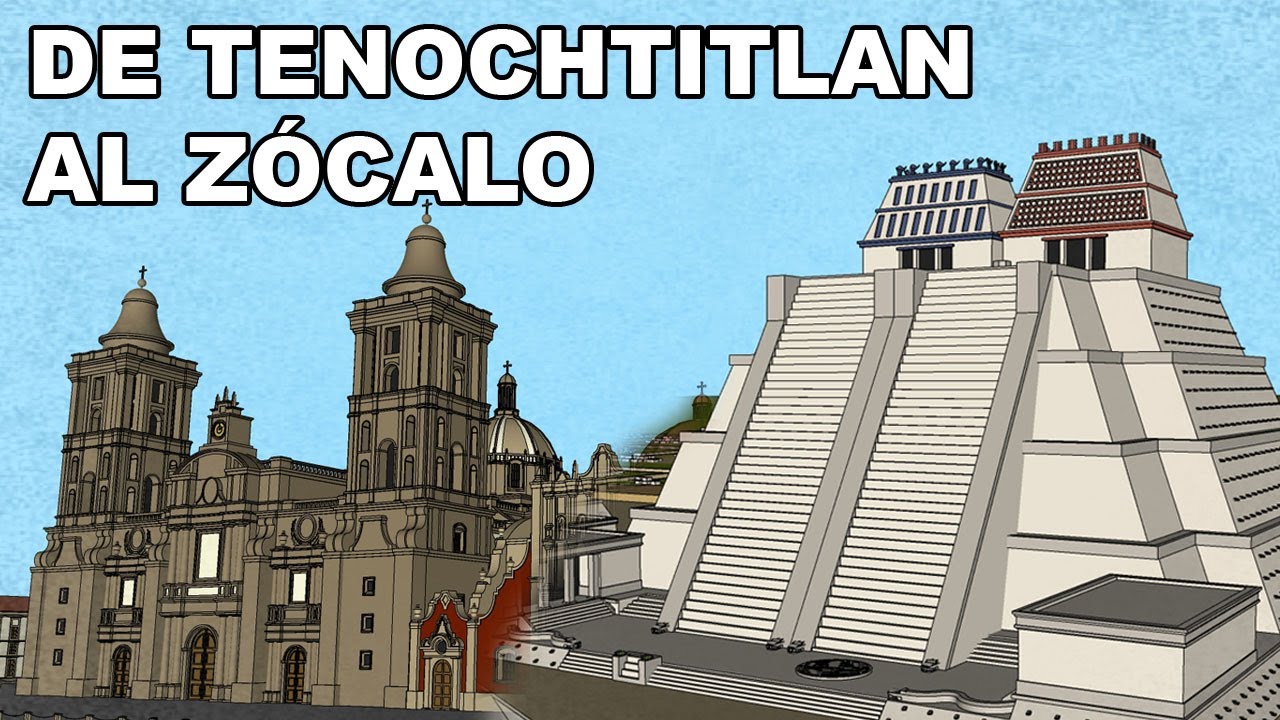
The origin of the Viceroyalty is located after the fall of Tenochtitlan, capital of the Aztec Empire. It was Hernán Cortés himself, conqueror of those lands, who proposed the name of New Spain to the Spanish king. The monarch officially created the Viceroyalty in 1535.
The King of Spain was the most authoritative figure in New Spain, although he delegated his functions to the figure of the Viceroy. From the creation of the Viceroyalty until its dissolution in 1821, the position was held by more than 62 Viceroys. In addition, other political positions were created in charge of managing the different administrative divisions.
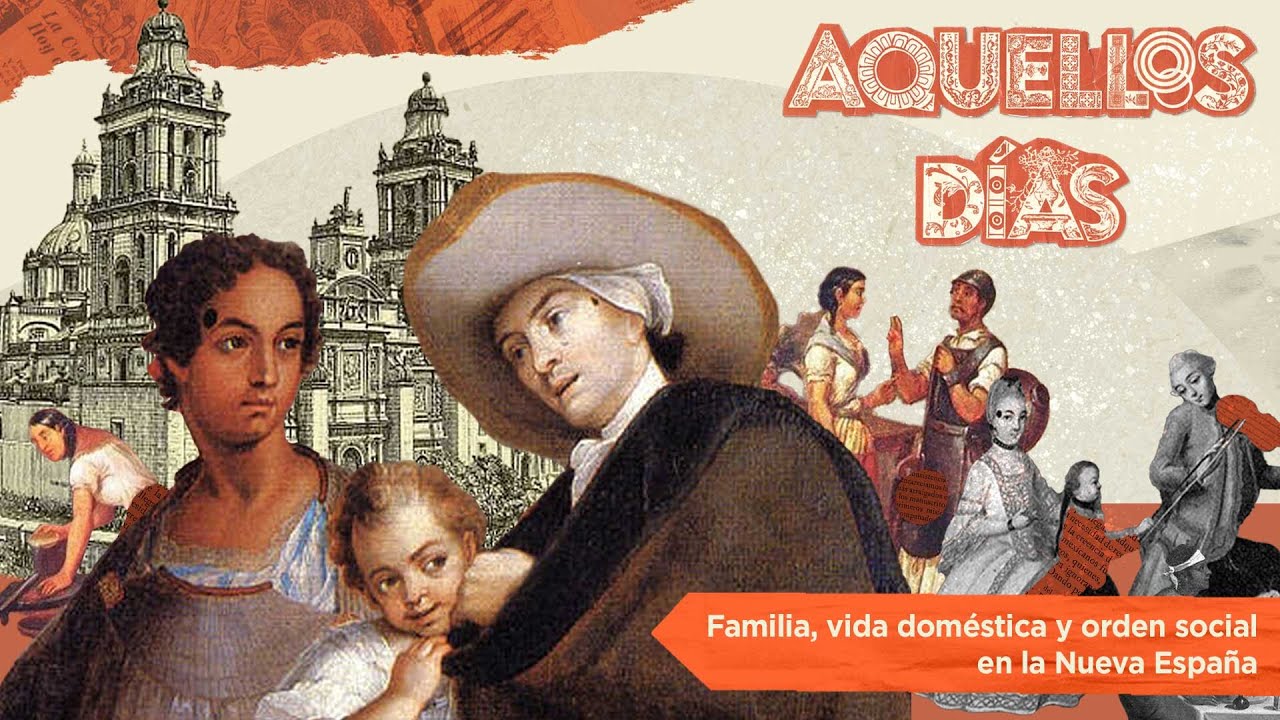
The economic and social organization of New Spain was based on ethnic groups and castes. Although miscegenation was very common, in practice the peninsulares were the ones who held the most important positions. The Creoles, children of Spaniards but born in America, were the protagonists of the revolts that ended with the Viceroyalty.
Origin and rise of New Spain Hernán Cortés led the conquest of the Aztec Empire. The definitive battle was the conquest of its capital, Tenochtitlan, after which the Spanish became the rulers of the territory. Very soon, the conquerors began to build a new city on the ruins of the Aztec capital.
This city, Mexico City, would be raised in the European style and became the capital of the Viceroyalty of New Spain. It was Cortés himself who suggested to Carlos V, the Spanish king, the name "New Spain of the Ocean Sea" for the new territories incorporated into the Empire. It was in a letter sent in 1520, in which he pointed out its similarity to Spain in its fertility, size and climate.
Creation of the Council of the Indies The first body that was in charge of administering the conquered territory was the Council of the Indies, founded in 1523. Its functions were to draft the laws that would regulate the possessions of the conquerors, although the monarch had the last word. Audiencia de México The first Audiencia de México was formed in 1529, with Nuño de Guzmán as its president.
However, this body was not able to consolidate a government, since the abuses against the indigenous caused many clashes between its components. Three years later, in 1531, a second audience was formed, this time under the command of Sebastián Ramírez de Fuenleal. Although it was more effective, the Spanish crown was still looking for ways to better control the new territories.
These bodies were the antecedents of the Viceroyalty, although they were subordinate to the Council of the Indies and the king. Within its powers was the administration of justice, as well as political management. The Audiencia did not have, on the other hand, military or fiscal powers.
Decree for the establishment of the Viceroyalty Despite the institutions created, as the conquest and colonization progressed, administrative problems grew. That made it necessary for the Spanish to look for a solution. Thus, Carlos I, in 1535, signed the decree that established the Viceroyalty of New Spain.
The first Viceroy was Antonio de Mendoza. Brief History The Viceroyalty of New Spain existed between 1535 and 1821, almost three centuries. During that time, there were more than 60 viceroys and, at its peak, comprised what is now Mexico, Central America, part of the United States, the Philippines, and the West Indies.
First Viceroy of New Spain Once the creation of the Viceroyalty was made official through the decree signed by the Spanish king, it was time to elect the first Viceroy. The position was held by Antonio de Mendoza y Pacheco, who assumed the direct representation of the crown. In addition, within its powers were the political organization and the defense of the territory.
Along with him, other authorities were also elected, such as the governors of the provinces. During his tenure, the first printing press arrived in New Spain and educational centers began to be built. The spiritual conquest The Spanish conquest was not limited to dominating the territories of the indigenous peoples.
Along with this, the so-called spiritual conquest was very important, a fundamental tool for the Spanish to consolidate their domain. The spiritual conquest consisted in the conversion of the natives to Catholicism, eliminating their old beliefs. The first religious who arrived on the continent were the Franciscans, Dominicans and Augustinians.
Despite the fact that the objective was the same, disagreements arose between these orders over the treatment of the natives. Thus, some religious advocated destroying the old temples, prohibiting rituals and punishing those who tried to cling to their beliefs. Others, on the other hand, preferred conversion through preaching and example.
The latter were the ones who learned the indigenous languages, in addition to describing their way of life and customs. The aforementioned differences also affected the civil sphere. In this way, there were frequent clashes between the defenders of the indigenous people, on the one hand, and the colonizers and viceroyalty authorities, on the other.
XVI century Mendoza moved to Peru in 1551 and the post of Viceroy passed into the hands of Luís de Velasco. This more rigorously applied the New Laws, which defended the indigenous. In addition, he was a prominent defender of culture.
During his government, the University of Mexico was created in 1553 . Another important fact was the enlargement of the Viceroyalty. In 1565, the Philippine Islands became dependent on New Spain.
This led to a great trade boom, with a route between Acapulco and Manila. His successor was Martín Enríquez, who had to stop the attempts to conquer Veracruz by the English. Likewise, the expansion of the territory continued, reaching Sonora and Saltillo.
Lastly, he decreed that Creoles could hold public office, albeit of a lower rank. 17th century The 17th century was the longest in the Viceroyalty. The main characteristic of those years was the maintenance of peace, only interrupted by some indigenous rebellion, such as that of Gaspar Yanga, in 1609.
Luis Velasco, Jr. , and Gaspar Zúñiga, were some of the viceroys who promoted new expeditions to annex new territories, such as Monterrey. In the middle of the century, Juan Palafox assumed the positions of Viceroy and Archbishop of Mexico.
He was responsible for a series of important reforms that sought to tackle the prevailing corruption. At the end of that century, the French sought to settle the Texas coast. Viceroy Gaspar de la Cerda Sandoval managed to prevent it.
Apart from this, he organized an expedition to retake Santo Domingo. 18th century One of the great changes that occurred in the 18th century was the change in the reigning dynasty in Spain. The first king of the House of Bourbon was Felipe V.
Under the Bourbons, of French origin, education regained part of the importance it had lost since the period of Pedro de Gante as Viceroy. In the 18th century, new centers were opened, such as the Royal Academy of Fine Arts or the Mining College. Likewise, in 1693, the first newspaper in New Spain, El Mercurio Volante, began to be published.
Starting in 1728, it was La Gaceta de México that made its appearance. Carlos III Carlos III was one of the Spanish kings who most influenced the Viceroyalty. Upon coming to the throne, part of the colonial territories had passed into French hands, but, soon, he acquired Spanish Louisiana and Spanish Florida.
The king sent Antonio de Ulloa to the Viceroyalty to carry out the work of adviser to Viceroy Bernardo de Gálvez. In that period, a series of profound reforms of the public administration were carried out, which became the greatest legacy of the monarch in New Spain. Bourbon Reforms New Spain changed its territorial administration from the reforms promoted by the Bourbons.
In 1786, the Viceroyalty became divided into 12 intendancies. Each one of them had a series of people in charge, which caused the power of the Viceroy to be reduced. Thus, each of the heads of these intendancies took charge of the political, economic and administrative aspects of their territories.
The viceroys, at first, opposed this reform, without being able to stop it. However, the Viceroy continued to be the most important political authority and the figure of the intendants as a public authority was never consolidated. First rebellions Excluding those carried out by indigenous groups, the first rebellions against Spanish rule began at the end of the 18th century.
The best known occurred in 1789: the Rebellion of the Machetes. End of the Viceroyalty The French invasion of Spain caused a series of events that ended with the dissolution of the Viceroyalty. Other causes contributed to this, such as social inequality, the limited role reserved for the Creoles and the mismanagement of the viceroys.
In 1812, the Constitution of Cadiz, of a liberal nature, had been approved in Spain. This, plus the rise to the throne of Napoleon Bonaparte, caused part of the New Spain to rebel. In principle, his intention was to create autonomous Government Boards, although swearing allegiance to the Spanish king.
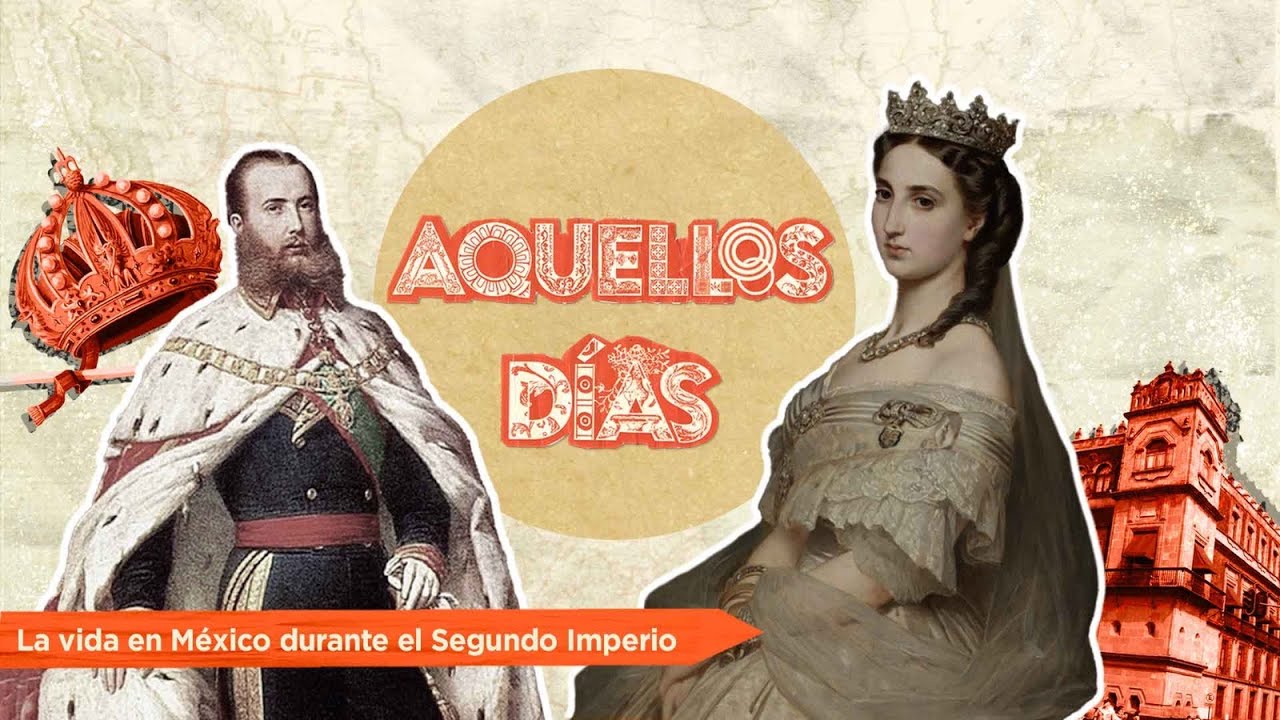
Although Ferdinand VII returned to the throne and reinstated the Viceroyalty (which was again abolished in 1820), the War of Independence was already underway. Finally, in 1821, the victory of the rebels ended three centuries of Spanish rule. Mexico briefly became an empire and, after the fall of Agustín I, a republic.
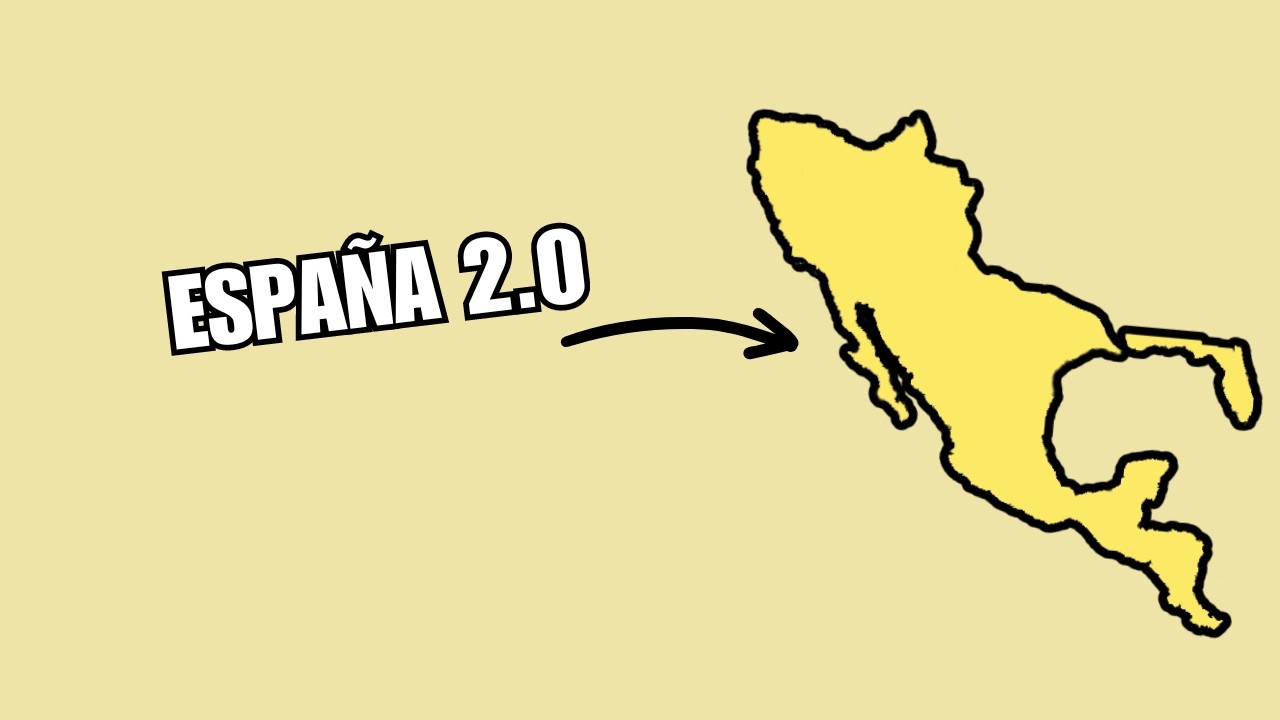
General Characteristics The Viceroyalty of New Spain occupied a truly enormous territory. In its moment of greatest splendor it encompassed present-day Mexico and a large part of the southern and central United States, from California to Louisiana, passing through Texas, New Mexico, Utah and Colorado, among other present-day states. In addition, it reached British Columbia, in Canada.
To all this, we must add the territories of what are now Guatemala, Belize, Costa Rica, El Salvador and Nicaragua. Finally, it also included Cuba, the Dominican Republic, Puerto Rico, Trinidad and Tobago, and Guadeloupe, in addition to the Philippines and other Asian and Oceanian islands. Racial and social division One of the most outstanding characteristics of the population of New Spain was the creation of a mestizo society.
That miscegenation, however, did not blur racial differences. The society of the Viceroyalty was made up of perfectly delimited social strata. Thus, for example, there were great differences between white Europeans and Creoles, which was accentuated with indigenous people and blacks brought as slaves from Africa.
The indigenous population, moreover, had been drastically reduced. The mistreatment and diseases carried by the conquerors decimated the population. Over time, whites, indigenous and blacks ended up producing mixtures, each with its own denomination.
Political organization The Viceroyalty was divided into several kingdoms, captain generals and lordships. All these administrative entities were organized hierarchically, with the Viceroy as the highest authority on the ground. Above him, only the peninsular authorities of the crown and the King himself were found.
The kingdoms and provinces within the Viceroyalty were Nueva Galicia, Guatemala, Nueva Vizcaya, Nuevo Reino de León, Nuevo México, Nueva Extremadura and Nuevo Santander. In addition, there were three General Captaincies, each with a Governor and a Captain General. Viceregal economy The main economic activities of New Spain were mining and agriculture.
In general, the resources obtained were sent to the peninsula. The Crown enacted laws to restrict trade and thus ensure its control and most of the profits. Another important factor in the economy was the concentration of land.
Large landowners, among which the Church stood out, controlled huge estates. Political organization New Spain was the first Viceroyalty created by the Spanish Crown. Later, the pattern was repeated in other places in America.
The King of Spain The highest authority of the Viceroyalty was the King of Spain. All powers were concentrated in his figure, especially the legislative. The viceroy The distance and breadth of the colonial territories made it necessary to appoint a figure to represent the king on the ground.
Etymologically, Viceroy means "in place of the king", which perfectly explains its functions. The Viceroy, who was appointed and deposed by the monarch, had to enforce the enacted laws. The first in New Spain was Antonio de Mendoza y Pacheco.
His mandate began in 1535 and one of his goals was to reconcile the Spanish and the indigenous. The Royal Court and the Indian institutions The Royal Court of Mexico was the main justice institution of the Crown. Carlos I was the one who created it in Mexico, in 1527, placing Nuño Beltrán as the first president of the mass.
His most important task was to impart justice and, in the event of a vacancy in the Viceroyalty, he assumed power. Provincial courts and governorships Despite his extensive powers, the Viceroy could not administer all the territory under his charge. A certain degree of decentralization was necessary to be able to govern the entire Viceroyalty.
For this, local government bodies were created, such as the hearings that had legislative functions. The smallest administrative division was the audience districts of the governorates, similar to the provinces. Originally, they were established by the conquerors.
In New Spain there were more than 200 different districts, administered by a corregidor, mayor or a council, depending on the case. The Church Apart from civil power, there was another organization that exercised great power in the Viceroyalty: the Catholic Church. Its first function was to convert the natives and make them abandon their old beliefs.
This not only had a purely doctrinal importance, but it was also a tool to strengthen the conquest. The Church monopolized education, in addition to becoming one of the largest landowners in the colony. In 1571, the Court of the Holy Office of the Inquisition appeared, whose mission was to monitor the observance of the faith.
Social organization When the conquerors arrived in that area of America, the indigenous population reached 10 million people. Epidemics, forced labor, and other circumstances meant that by the 17th century, only 8 million remained. The figure dropped another million for the eighteenth century and remained at 3.
5 million in the nineteenth. The whites, on the other hand, experienced a very rapid growth from the second half of the 16th century. Apart from those who arrived from the peninsula, the Spanish began to have children.
These were called creoles. Finally, around 20,000 black slaves were brought from Africa. Living conditions reduced the figure to 10,000 by the end of the Viceroyalty.
Miscegenation One of the characteristics of the society of the Viceroyalty was miscegenation. This, at first, was almost exclusively between indigenous men and women, most of the time prisoners or raped. Mixed marriage was almost non-existent, even when the woman had converted to Christianity.
Population groups The population group that enjoyed greater rights was that of the peninsular Spaniards. According to the laws, the most important positions, civil or ecclesiastical, could only be held by those born in Spain, not even by Creoles. These last ones were the children of the Spaniards already born in the Viceroyalty.
Despite the fact that their status was superior to that of indigenous or black people, they were one step below the peninsulares. This was one of the causes for organizing and leading the rebellions that would end the Viceroyalty. The mestizos, on the other hand, were the children of Spaniards and indigenous people.
Unlike what happened with the natives, the mestizos were able to learn trades and carry out more activities. However, his social ascent was almost impossible. As for the indigenous, their rights were collected in the different laws issued from the peninsula, without this meaning that they were fulfilled on the ground.
Being the largest group, they were forced to work in conditions of semi-slavery on the haciendas. Finally, African slaves were assigned to work in the mines. They only mixed with the indigenous, thus giving birth to the so-called zambos.
Castes The mixture between Spaniards, indigenous people and blacks was followed by others that gave rise to the so-called castes. These occupied the lower strata of society in the Viceroyalty. According to the writings, about 53 different groups were distinguished.
Among the best known castes were the following: - Mestizo: son of Spanish and indigenous. - Castizo: result of the union of Spanish and mestizo. - Mulatto: descendant of Spanish and black.
- Morisco: result of the union of Spanish and mulatto. - Albino: son of Spanish and Moorish. New ones arose from these castes, with denominations that ranged from the tornatrás to the saltatrás, passing through the tentenelaire, lobo, zambaigo or calpamulato.
Economy The economy of the Viceroyalty of New Spain was mainly extractive. Thus, the most important activities were mining and agriculture. In addition, livestock and trade were also developed.
Mining activity The main industry in the Viceroyalty was mining. In New Spain, the deposits of Guanajuato, Zacatecas and Taxco stood out, providing enormous amounts of gold and silver. At first, the Spanish tried to force the Indians to work there.
However, the mortality of these and the prohibition of enslaving them, caused them to resort to black slaves brought from Africa. The Crown took advantage of these farms through a tax called Quinto Real. This implied that 20% of what was obtained passed into her hands, since, legally, she was the owner of the conquered territory.
Encomienda system The first conquerors were rewarded with encomiendas, that is, the right to exploit the labor of the indigenous people who lived on certain lands. The encomendero also promised to educate them in Christianity and teach them European farming techniques . Once the encomienda ended, the indigenous people became dependent on the king.
Apart from the encomiendas, there were also royal grants. These were lands ceded by the Crown to an individual or a specific town in exchange for a tribute. Hernán Cortés received the largest piece of land: the Marquesado del Valle de Oaxaca, populated by more than 23,000 indigenous people.
When the encomiendas began to decline, another property system called hacienda appeared. This became one of the most characteristic of the territory, monopolizing land around it. On the other hand, the amount of property acquired by the Catholic Church is remarkable .
Experts affirm that half of the land and the existing capital in New Spain were in their hands. Communal lands The indigenous people who lived in their villages used to work land that belonged to the community. In exchange, they paid a tax to the government of the Viceroyalty, in addition to having to maintain the churches.
Trade The trade of the Viceroyalty was placed at the service of the interests of the Spanish Crown. Thus, shipments of gold, silver, copper or diamonds, among other minerals, departed from New Spain. Likewise, foods such as sugar or cocoa were sent.
In return, the metropolis sent salt, wine, oil or weapons to the colony, not forgetting shipments of slaves. The main commercial port on the Atlantic was Veracruz, while Acapulco was on the Pacific Ocean. Cádiz was the main destination of the shipped goods, which were received by the commissioners of the Seville Contracting House, a body created for this purpose.
Monopolies In order to protect its interests, Spain limited trade from the Viceroyalty, which caused an increase in smuggling. Merchants on both sides of the ocean signed various agreements to establish monopolies and thus benefit themselves. With the reforms of Carlos III, these monopolies were somewhat eliminated, although the restrictions continued until independence.
The Crown introduced a tax on veins, the alcabalas. The merchants' complaint was unanimous, since it excessively taxed the products. In parts of colonial America, taxes sparked several rebellions.