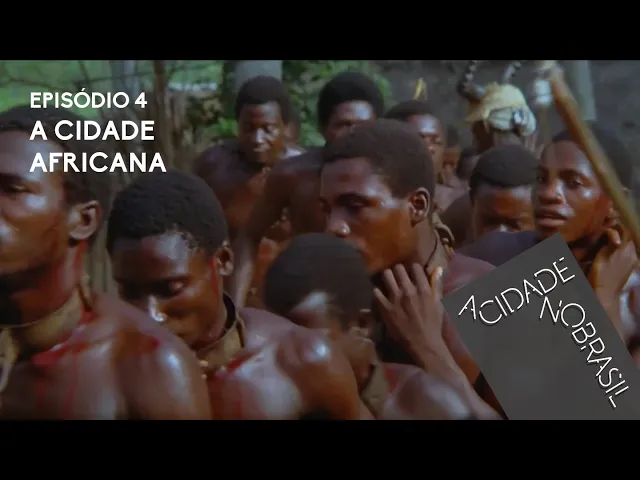
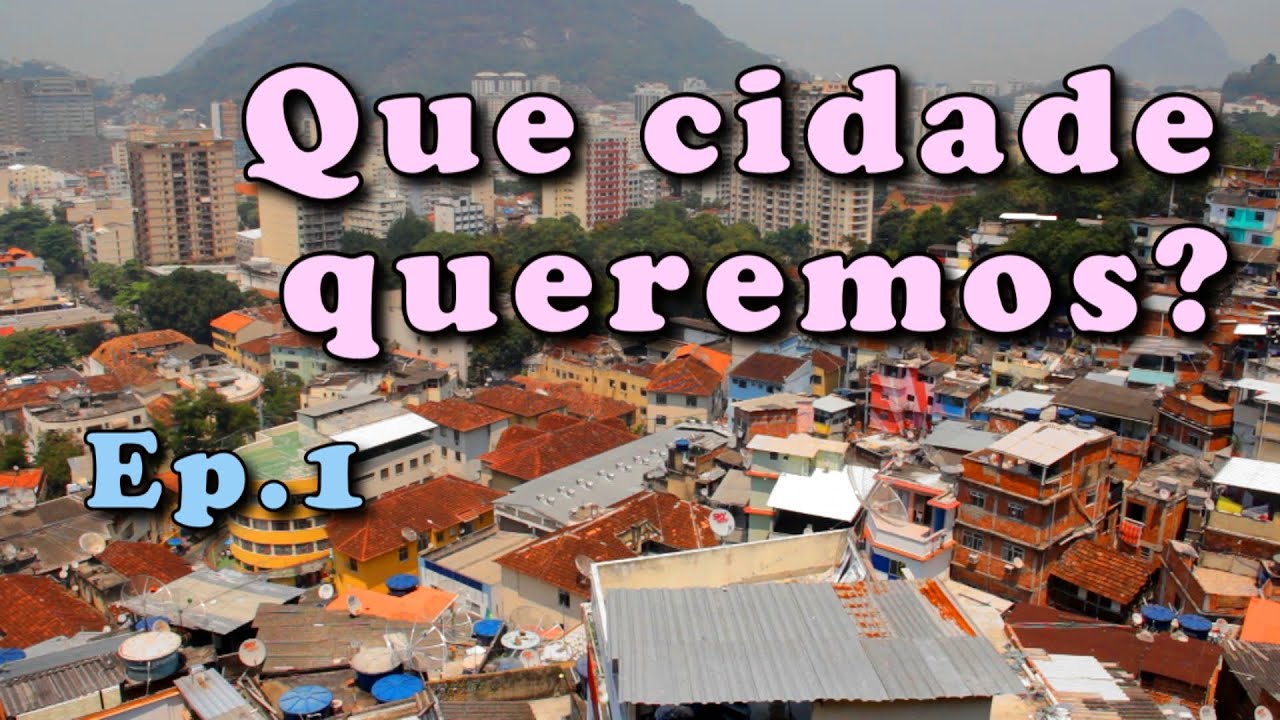
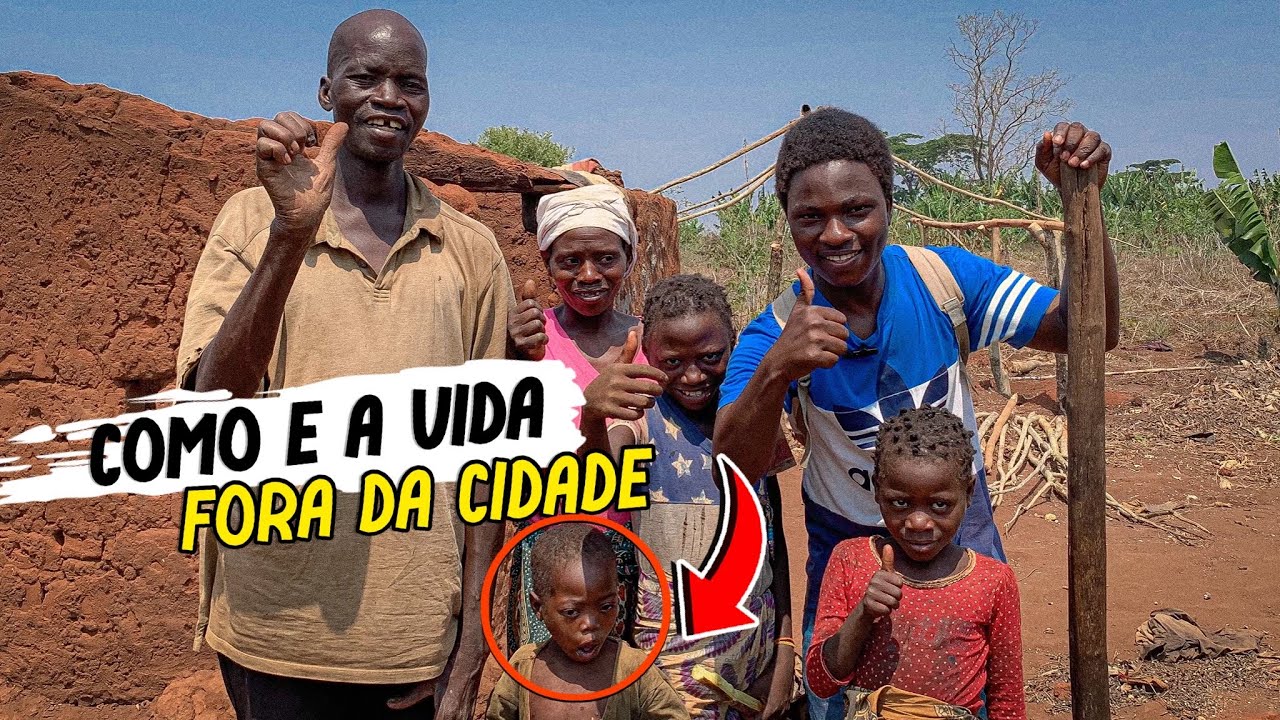
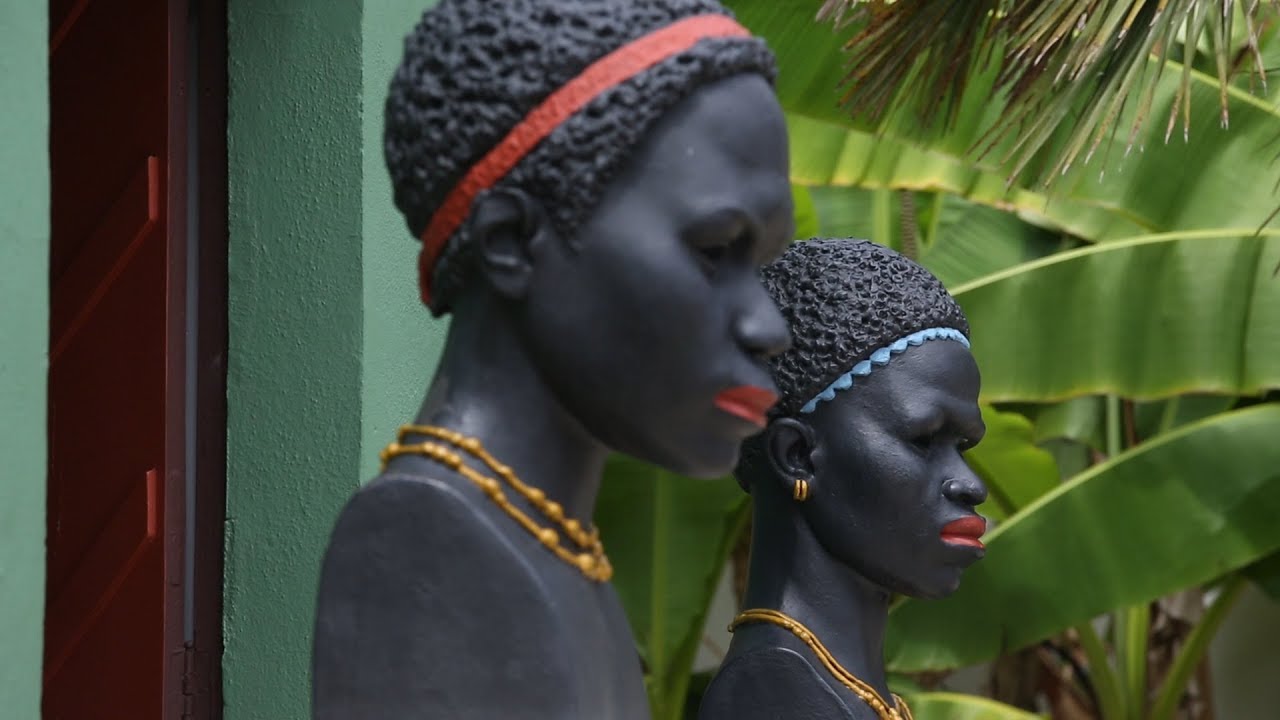
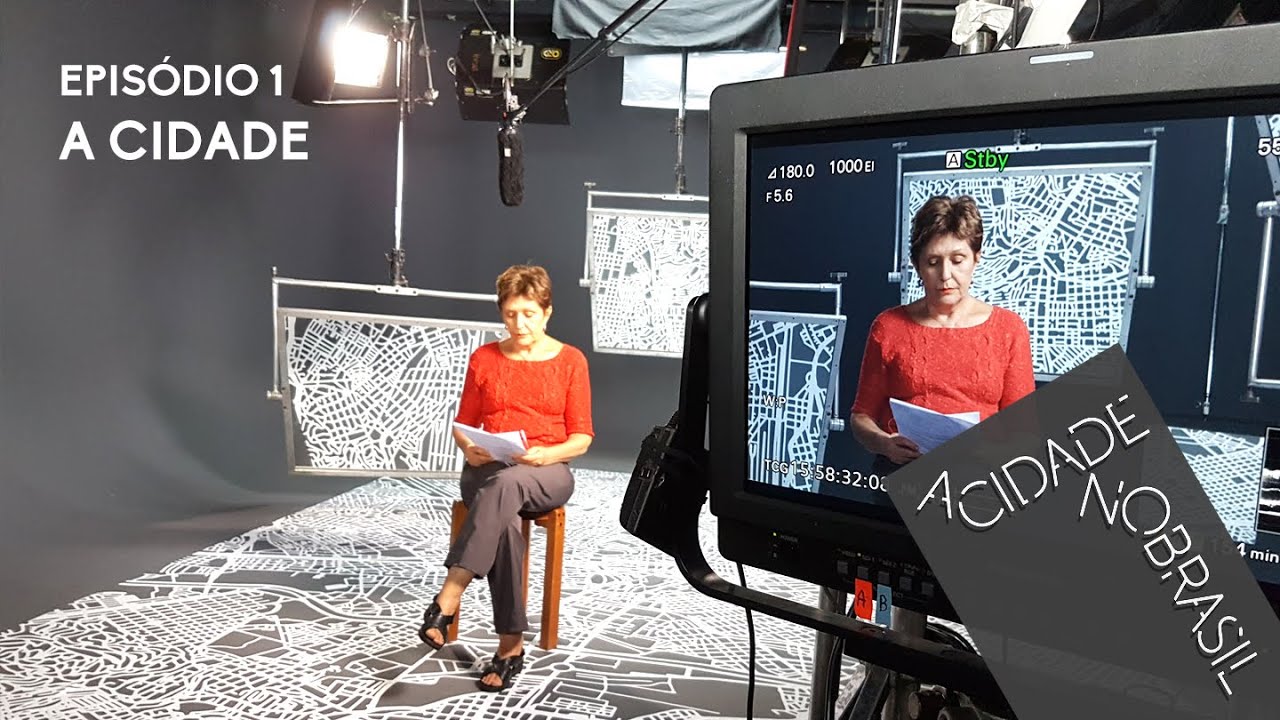
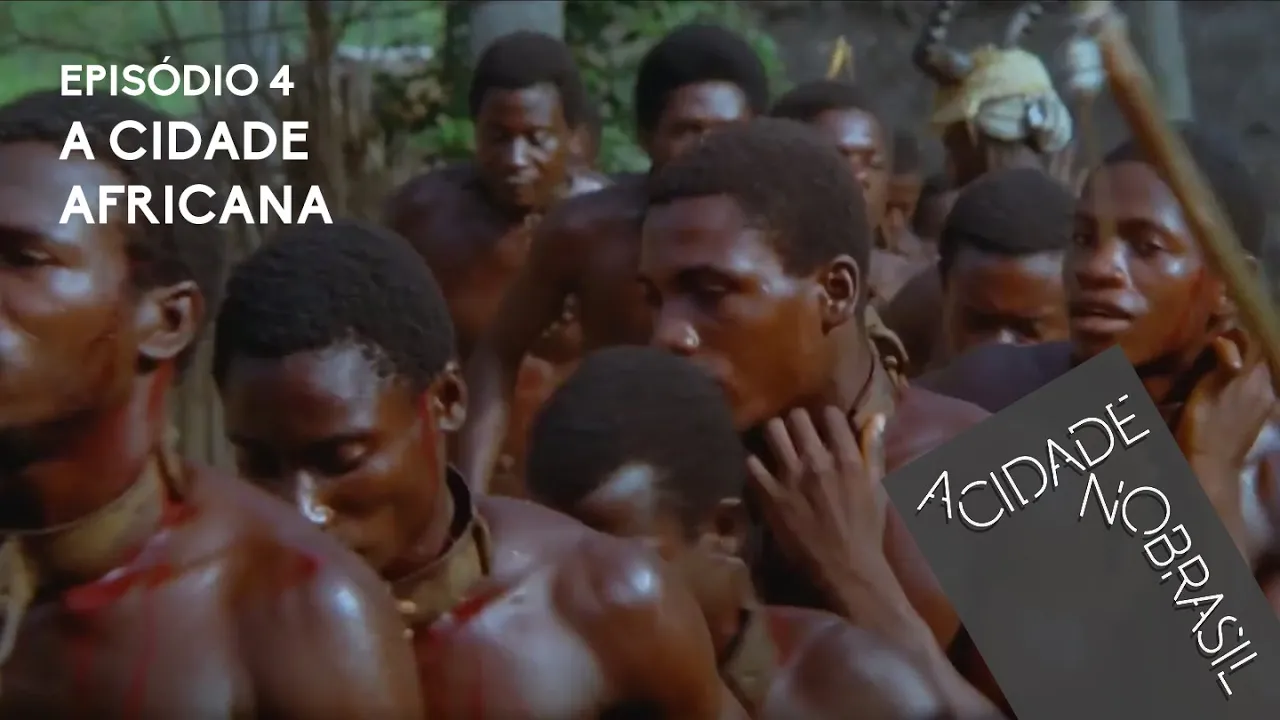
CITIES IN BRAZIL “THE AFRICAN CITY” Cities are ancient in Africa, prior to the arrival of Europeans in the continent. Much older than the appearance of the first colonial cities in the Americas. In a Portuguese map of late 15th century, for example, the Yoruba city of Ijebu-Ode was registered.
In those times there weren’t here in the Americas the cities of Lima, Buenos Aires or Salvador let alone New York. And Ijebu-Ode wasn’t the oldest of the nagos cities, but a very recent urban agglomeration in the history of cities of the so called Black Africa. Centuries before it, blacks were already building cities long before the Islamic expansion throughout the continent.
Long before the arrival of Europeans there is archeological evidence and vestiges of city life and urban culture that date from before the end of the first millennium B. C. Less old, but not that much, are the formidable stone ruins of Great Zimbabwe and the role is vast.
There are numerous examples of autochthonous urban architecture spread about in Africa, but it’s worth highlighting an aspect relevant to Brazil. Africans from different groups and regions brought here their cultural systems and practices, languages, gods, culinary, music, dances and all that resulted in a new configuration in our tropics as is the Brazilian culture. Today we speak a language full of Banta words like “bunda”, “samba”, “fuxico” and “caçula”, for example.
We see orixas worshipped in the country’s main cities, our popular music exhibits signs and forms of African origin, and so on. The examples are many. Rooster crowed at four in the morning Sky got blue on the sea horizon I'm leaving this world of illusion Who sees me smiling will not see me cry I'm leaving this world of illusion Who sees me smiling will not see me cry But there is a field of Brazilian activity where no African influence is visible.
It’s the field of architecture and urbanism. From the oldest cult centers to the most recent Candomble terreiros, there is not African trace in the buildings not even in the quilombos that, in fact, reproduced Portuguese style villas and houses. On the contrary, blacks who returned to Africa in the 19th century wanted to preserve there their Brazilian differential, created communities in African cities, cultivated things they had learnt or assimilated in Brazil, including the architecture they knew on the western coast of the Southern Atlantic Ocean.
Africa, an enormous continent with many different traditions. One of the most populous African countries is Nigeria. There are many different ethnicities in Nigeria.
One of them is the Yoruba ethnicity, very well known in Brazil, particularly due to the Candomble do Candomble. . .
It goes back to the Yoruba, and Nago, which is the same with a different name. The Nago is a very ancient, urban civilization as you were saying… from the 11th century. In the 11th century there were in that region city-states, cities that were autonomous, urban agglomerations, that used to trade with each other, be it by war or commerce, and that had many slaves as a result of intestine wars that were promoted by slave traders that wanted to secure their provision of slaves.
Those wars between Yoruba cities produced the slaves that were brought to Brazil. They were sent also to Cuba, southern USA, etc. The Yoruba slaves arrived in Bahia and were very much appreciated as urban slaves.
What are urban slaves? Above all, they were gain slaves. For white men, work was beneath their status and dignity.
So poor families, we can see it, for example, in Debret gravures poor families cooked or produced something at home, but they couldn’t sell it on the streets. So they had a gain slave to sell that on the streets. Those gain slaves had great freedom, they could walk wherever they wanted in the city.
Of course that was considered a sort of danger for the population. Those gain slaves also had the chance to make their own money and thus purchase their own freedom. Those gain slaves were much closer to freedom, and be freed slaves.
Once freed, they could easily turned into a public order problem when they began to compete with their former owners. A whole problem had been created. We need to remember that the Haitian Revolution had already taken place an Insurrection through which slaves freed themselves, and that caused the Americas, and particularly Brazil, to panic.
Not by chance, until 1835, the time of the great Male Revolt. In 1835 a big revolt of mainly freedmen and Muslim slaves. Males were Muslim slaves of Yoruba ethnicity, that cause great panic among the population, not only in Salvador, but in entire Brazil.
Then Yoruba slaves began to be rapidly exported to Rio de Janeiro and other places due to the generalized fear. Then a former chief of police from Salvador. .
. began to persecute freedmen. They imposed high taxes on the freedmen, they couldn’t own real-estate, a series of other restrictions and the option to leave.
They are virtually expelled. They are given the option to leave not to be persecuted. So they settle as Brazilians in Africa.
They first declared as Roman Catholic. They are catholic Brazilians that want housing and urbanization similar to that in Brazil. The Brazilian families that first came here were the Gonçalos, then the Monteiros, then the Almeidas, then the Souzas, and finally the Domingos.
In this city everybody is Oxum. Man, woman, boy, girl. All this people irradiates magic present in fresh water, and in sea water, and the entire city shines.
Whether a lieutenant or son of a fisherman. . .
slaves were so important in our cities that it’s impossible to look at the Brazilian cities and. . .
not realized that. One can’t understand Brazilian cities without such heritage. Why?
Because slaves were the sewage. They carried the latrines to throw into the river, or into the sea in Rio, or into a nearby creek. They were the water.
They carried water from fountains to the houses. They were also the fuel. They carried firewood for the kitchens.
In what was the first Port of Salvador, we have some 3-story buildings where the kitchen was in the last floor. Why was the kitchen in the last floor, if one has to carry water, meat, firewood there, and take out the garbage? Because they had slaves to do all that.
And all that delayed the development of our cities’ as it delays still today. Why? Because even today a good part of our labor is dedicated to housework.
I have a map of São Paulo metropolitan area with the location of blacks and mulattos. I call it the urban senzala. There is the nucleus with the white, rich elite where most of the.
. . legal real-estate market is and receives most of investments.
I see São Paulo this way: an apple that masses don’t bite a big apple. . .
for the few. Unfortunately, we live in a virtual reality. You have to be happy in ruins.
That’s São Paulo for me. It hurts. São Paulo is the Casa Grande.
We are the Senzala. That’s why we are fighting all the time, always alert. To be human in São Paulo is very difficult.
It’s for a privileged few, like a green card in your own country. Isn’t that crazy? The outskirt of the city is not even Brazil.
I don’t see. . .
Not long ago, blacks could not walk along Av. Paulista, in the 70s. They had to cross the street.
“What are you doing here? ” In the city of workers, or mob like Jesse prefers to say, because we have workers having work booklets and a majority that don’t, in this city, where the city’s zoning is worthless. Rules are worthless.
The laws are worthless. the land subdivision, and the edification laws are worthless. You can make graffiti as much as you want… That senzala was born of the liberation of the slave workforce, It’s in Gilberto Freyre’s “Sobrados and Mucambos”, when that workforce, was liberated and had no place to go, they left the master’s house and built a mucambo, a shanty town, a shack for them to live.
The Senzala is not a construction in the backyard of a house, it’s now urban, it belongs to the city, it’s a warehouse for people available for work any time, for any price. Hatred. A hundred years ago we worked without pay.
Today we have to pay for our rights. Hatred. There is no other reason.
I lose money but don’t help you. At least slavery is not permitted anymore… Work without pay is not permitted anymore… I hate them. I’m furious.
I won’t give you anything either. Were you not freed? Live in the streets like abandoned dogs.
Isn’t it? That’s how I see it. Someone who has everything is bothered by someone who has nothing.
What is that? That’s hatred. So I think we go towards conflict escalation even because the number of black people in schools and universities grow but opportunities don’t.
And when opportunities do appear, wages are lower, aren’t they? And since there is a sort of resentment on part of the white population against the blacks. And vice versa?
I don’t think so. I don’t think sufficiently on the part of blacks, and if there is, that resentment is ineffective since blacks have no power. For resentment to be effective you need to have power.
So I think we go towards… a sort of. . .
everyday conflict. Summon up your Buda! The climate is tense.
They have announced that they will torch downtown As the old saying goes: “if in a hurry you eat raw” This is not GTA. It’s worse. It’s Grajaú.
No pedigree. Craziest. Machado de Xangô honor your cry The UZI in the hands, soldier of the hill Without soul, without forgiveness Without Jão, without fear Rotten city, loneliness is poison Umbral wants more Chandon, heroes, crack downtown In the tribe of the leaf shanty town developing In Jutso secret Naruto is just a cartoon A few dudes that stick to see if they grab pussy A few girls that stick and disturb the activist Change the world from the sofa, post on Instagram And if the pot is good fuck the ideology Nin Jitsu, Oxalá, Capoeira, jiu-jítsu Shiva, Ganesh, Zé Pilin give me balance.
. . Jardim Angela, Capão, Parque Santo Antonio, we live in a region elected by the UN as the world’s most violent of 1996.
We were ashamed to say where we lived, showed someone else’s electricity bill to try to get a job. Today we pound on the chest and say we live there. We’re very proud.
It changed our self-esteem. It was very important for us. Having created a country for us, it’s very crazy, our style.
Violence comes outside in, and not inside out. Should they leave us alone, we would be very happy. That was a radical change.
It had never happened before the poor population in Brazil to demand recognition from the society and city’s institutions. The idea that shanty towns are not to be evicted, but urbanized comes from there. And we were successful in that.
Though our cities have enormous inequalities, to enter a shanty town like Heliópolis, or Paraisópolis in 2017 is very different from entering the same shanty towns in the 1980s. Shanty towns now have infrastructure, water, public lighting, schools, some of them even have cultural centers, and a population that sees itself like human beings who have rights. As a portion of the city, shanty towns are different from what they once were.
Many things were conquered, and we have to keep going ahead. There are multiple phenomena we don’t give importance, because we are preoccupied with violence. Newspapers talk about violence in the hoods, some of them very badly spoken, because they are violent.
. . But all the other forms of manifestation… that are fully cultural but don’t appear with the cultural aura that is reserved… for the privileged people that produce culture others do other things, we don’t accept.
. . to immediately say that what they do is culture, because what they do is culture and politics at the same time.
Formerly, we wanted to move from the outskirts. Today we want to change the outskirts. I think the outskirts become our Republic.
It’s our country, it’s where we live. Those who suffer are our brothers and sisters. Those who suffer from racism, and police violence, the teachers, the youngsters, are our brothers, and one cares for the other.
If it’s not enough to be happy, we invent a different kind of happiness that needs not be corrupted, pay fines or taxes We are trying to be happy, and obtain the right to be a human being, and be treated as such. That is why sometimes we speak low and sometimes we thwack hard. So who is thwacked should understand that who suffers also gets angry.