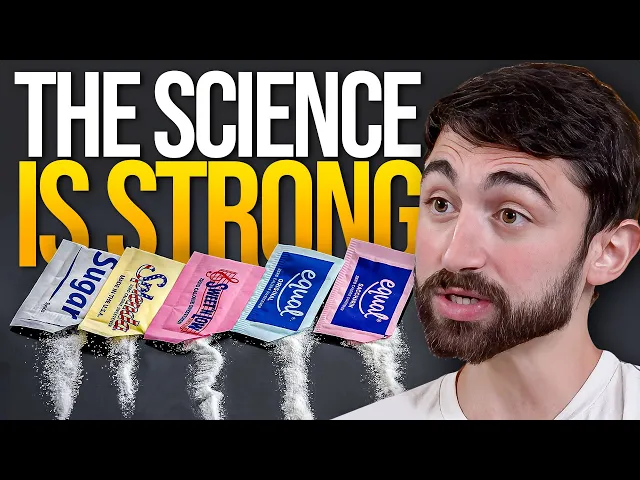
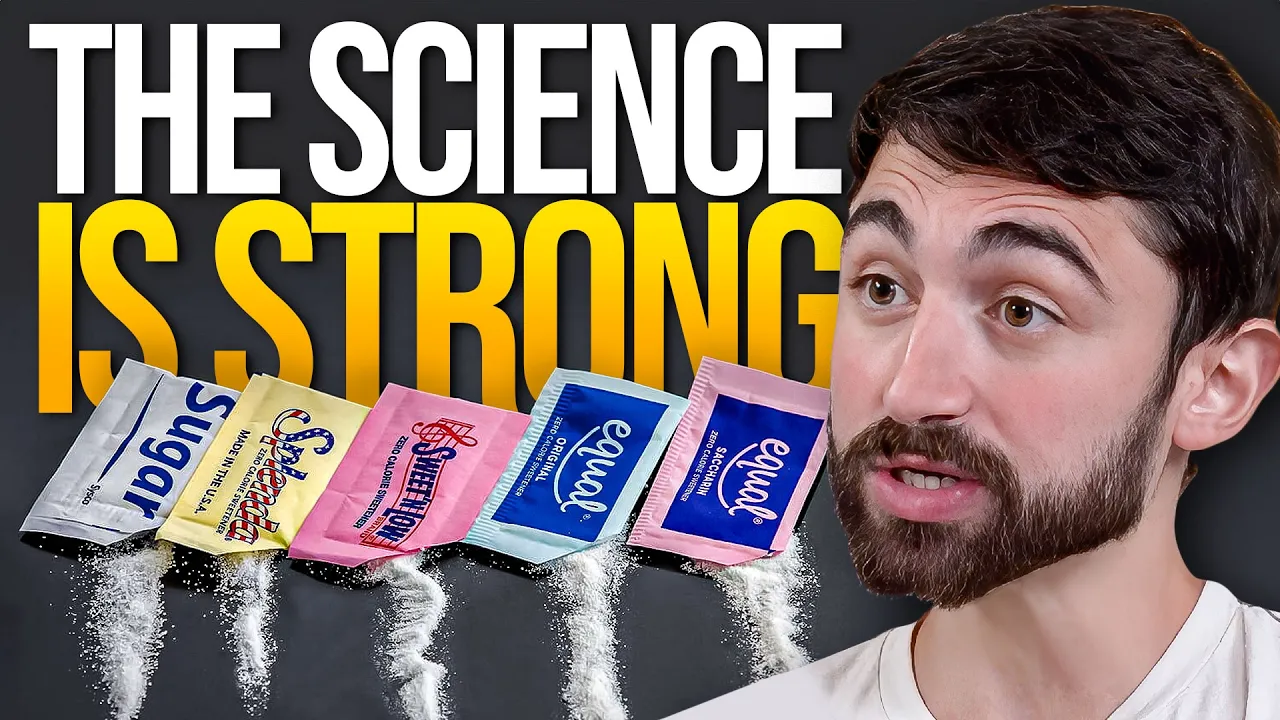
all right Dr Nick norwitz what's going on with sweeteners what's going on with like sulo lately just let's Jump Right In I love sweeteners as a topic because I think it's an area where people love to jump immediately towards heuristics everybody's like all right it doesn't have calories therefore it must be benign or you know there's no such thing as a free metabolic lunch so it must be harmful or they heuristic can be oh it's a natural sweetener versus it's artificial and that's good versus bad right and so we love to generate these charistics for
sweeteners the fact of the matter is they are phenomenally heterogeneous molecules just like there's lots of different sources of protein or lots of different fatty acids these are each unique Mo molecules which have unique effects in unique metabolic contexts and need to be studies as such and it doesn't make it simple but it does make it really interesting so um you mentioned sucralose for one and I think that's a really interesting example of an artificial sweetener which definitely has some problems but again you need to bring some context to it so there was a really
interesting randomized control trial done out of the small Lab at Yale it was published in um I think it was sellers metabolism uh 2020 where they were looking at the effects of I think it was seven drinks um over two weeks um of a sucralose containing drink versus um just a regular sugar drink that had 120 calories per drink versus a combination of this non-caloric um sucralose and multiexon which is a less sweet sugar and so at the time they were testing the What's called the uncoupling hypothesis which at a very high level it's kind
of simple to in it which is like your body tastes sweet but if it gets sweet and doesn't get any calories in your body like ah where the calories and freak out and you're going to get metabolic dysfunction you know what I mean like your body will learn that there's an uncoupling between the sweet taste and the the energy received and that will screw things up turns out that's not what they found so again this was a three Arm randomized Control trial where there was the sugar the Sugar Plus the sucralose and then um the
pure sucralose so they thought based on their uncoupling that the pure sucralose would cause the mess up the interesting thing was it was the combination that caused profound insulin resistance um in uh adults and actually they did a substudy in adolescence age 13 to 17 um which was terminated early because the effects on insulin resistance home IR were so profound that for ethical reasons they terminated it um so that's an example of where there can clearly be a negative Metabolic Effect but actually context matter so extrapolating to real world the implication would be having you
know um I think I calculated it out it was something like two and a half little packs of like um um the what is it the Stevie not the the Splenda think you get little Splenda packs out of suos um there like two and a half of those per day was like the dose something like that so a reasonable dose having that in your morning black coffee would be less metabolically damaging based on just these literature than having it say in the form of like a sweetened yogurt which also has carbohydrates um so really interesting
case of where context matters after today's video I put a link down below for Thrive Market that is a 30% % off discount link plus a free gift so 30% off your entire grocery order the thing I like about Thrive Market is they're trying to help get Gnarly processed foods out of people's fridge and out of people's pantries so these are healthier for you options better for you options and the prices are highly highly competitive so a lot of times you're going to find prices cheaper than the grocery store and it's delivered directly to your
doorstep so when it comes to like recalibrating your pantry Thrive Market really really is solid it's very helpful to be able to have all your grocery shopping at your fingertips so you're not stressed about finding the right things you can search you can do a quick search for glutenfree you can do a search for Paleo you can do a search for sugarfree for keto for this for that all at your fingertips and then it's delivered directly to your doorstep but let's be real we're all pinching some pennies so the best thing about it is that
30% off discount link off your entire grocery order using that link down below I use my Thrive box consistently I'm always changing up stuff I'm always getting a Thrive order coming in a couple times per month and it helps save me a bunch of money but it also gets me some really cool stuff that I otherwise wouldn't find at the grocery store so check them out in the top line of the description underneath this video one other thing I'll add to this study because I just found it such a fascinating study was they were also
doing brain scans at the time um fmri um functional magnetic resonance imaging and they found changes in uh dopamine reward circuitry the meso limpic areas of the brain and that opened up a whole canister of really fascinating questions which is like why did the combination of carbs and this sweetener change insulin resistance and change dopamine Ward circuitries at a bottom up process whereby peripheral insulin resistance affects the brain a top down process or is there a common underlying mechanism and then piggybacking on that one of the reasons they did the Adolescent substudy is um because
adolescence have like physiologic insulin resistance or insulin goes up it helps them grow let's say for a moment it was a top- down process where the changes in the brain dopamine circuitry were affecting peripheral insulin resistance if teenagers in a critical period of brain development are being hit with this metabolic insult could it Prime their brain that then gets cemented in their adulthood for life to have metabolic dysfunction so I throw all those things out there because on the one hand you have a very interesting phenomenon and demonstr of metabolic harm in a randomized control
trial but you also have context around that and you also have these other questions that you probably couldn't easily figure out the answers to in a randomized control trial fashion like does the sucralose that is combined with carbohydr change brain structure in a way that could screw up adolescent metabolism for life it's a possibility and it's a provocative one the data don't say that but in deciding what we do every day I think we need to consider what's been shown and then Al what the unknowns are and what risks we want to take so that
was a really interesting study what do you think it is about combining sucrose with sugar is it the fact that okay we actually have calories being ingested would it be interesting if it was you know sucrose alongside just additional calories because I mean that wasn't an arm right like so it was just like could it been the calories or because if it was I mean sugar yes and I'm sure that has a stronger effect there but what about if it was like sucos in butter I don't know yeah I I I genuinely don't know I
they didn't present a lot of um like biological possibility breakdown it was like a capture and Report these kind of studies I think I once heard one of the authors talking about the study it was something like a maybe it was another study from that lab but like these studies can take six or seven years so this is 2020 I suspect there's going to be followup because it was a high-profile study but in terms of why the combination had a negative effect and whether combination with I mean even other sugars that was multiex there what
if you Ed fructose what if you again use other sources of calories I don't know what the answer would be um so I I just don't know but I'm very curious to find out let's pivot to to aspartame for just a second or aspartam me depending on how you want to say it how would you and this is going to be your own personal opinion so no one's going to you know hold this to it hold you to it asp versus sucos would you pick one over the other I think it's a weird I'm going
to say no because it's a weird binary because you'll never have just those choices you always have other options I think both of them are problematic to the point that me personally I will not touch either of them really with a slight exception and this is not a pay promotion but I have been busy in medical school and half had ketochow which has sucos so I break my own rules um but in all seriousness suu went over one stud that you know is problematic about it aspartame has a lot of studies suggesting that it is
problematic um and biological possibility in terms of how it breaks down and changes um neurotransmitter precursors to the brain that supports things like anxiety phenotypes and mood disturbances and the reason I like to bring up the study I'm going to bring up is specifically because it's an example of a concerning effect um but one that could never be studied in human literature and I think that's important because sometimes we just need to say in science like we can only ask certain questions in certain ways and we'll never have the quote perfect study to demonstrate this
point nevertheless we might take it with a grain of salt but we should still take it as interesting so the study I'll bring up was one in the proceedings of the National Academy of Sciences in 2022 on um aspartame and anxiety which has actually been shown in at least one RCT they coded it as irritability if you're doing a pub Med search but um they were using rats and the reason they were using rat or maybe it was mice it was a rodent um they wanted to see what the effect of aspartame was but also
asking the question could it be an inherited phenotype as in could you give rodents aspartame produce an anxiety phenotype which you can kind of test by putting them in a little space and seeing how much they explore the center versus the edges there validated methods to do that could it actually be inherited to their offspring even though The Offspring had never been exposed to aspartame so for this study um the dose was also important they used the equivalent of what a human drinking two to four Diet Cokes per day would be so not like super
physiologic crazy doses you can ever get in humans very possible doses it was 8 to 15% the like not the RDA but the tolerable limit that's proposed by the FDA and they found indeed it produced prod an anxiety phenotype and The Offspring had an anxiety phenotype at least at the two Diet Coke dose um again this is adjusting for changes in body size it wasn't like two Diet Cokes absolute but like if a human had two diet CES and then to the grandsires of these animals when they had the um for Diet Coke dose and
so it's like okay let's think about Diet Coke containing aspiran kind of throwing the bus but like as a tool I'm not saying anybody shouldn't have it it's not my role to tell you what to do or not to do but when I see data like those what goes to my mind is like the question of like what is the cost to giving this up in favor of something else like some Seltzer with a little squeeze of lemon juice in it when there might be a possibility that this could maybe even affect your Offspring again
we'll never have a randomized control trial on humans to demonstrate this point you just couldn't ever conduct it but for me those data are actually quite one curious about how it changes sperm epigenetics since it was actually looked at through the male lineage um but also like interesting enough and compelling enough to actually motivate me to make Behavior change in my life because again in the real world what is the cost like how much do you really want this as a tool and if you're informed of these potential consequences like we talk about with sucrose
or aspartame and you still decide this is important for you to have in your life that that's totally your choice as an adult but big picture with the sweetener thing like I said in the beginning I think people reduce it to your her ristics and they want a simple answer the fact of the matter is these are complex heterogeneous molecules with complex effects and I think to allow people to make informed decisions we just need to talk about each one in different contexts talk about the literature the limitations of this literature and then people can
decide what they want to do at the end of the day if we're talking about uh you know sort of this Offspring type discussion here I mean genetically epigenetically obviously obesity could be an issue passing down like more feasibly do you think I shouldn't even ask you if you think but I mean it kind of poses the question of okay if someone loses weight and then gets pregnant and sucros or aspam is a tool for them to lose weight and they're puttings in a healthier metabolic State let's just pretend for a second that they didn't
consume any you know while they were pregnant okay and they just use this to you know for a long period of time to lose weight you know question that comes to mind for me and I'm kind of in the same boat as you I don't over consume sweeteners I do consume sucos I'll consume occasionally aspirin but it's not like I'm seeking it out every day it's usually periods of indulgence usually yeah but it makes me wonder like okay well if someone's going to drop 50 PBS and they're going to put themselves in better metabolic health
is that a good trade-off even when you're looking at you know what you're passing on to your Offspring I would say yes that seems relatively clear cut to me um the question I would then ask is is the dieet coke a to like a necessary tool in their Journey if their honest answer to themselves is yes then great yeah that's fine but I I agree I think in in you you pose that scenario I would say use it as a tool so again I'm not saying it's all bad or all good I'm just saying here
the literature that you can you know value put value judgments on them for yourself and then make a decision at the end of the day but the the overs Simplicity of you know oh well this hasn't been shown in humans or it's no calorie so it's benign or it's artificial and you're cheating so it's bad like that serves no one so I I like the topic because it is so complex with as we've discussed some pretty unexpected and interesting findings what about if we pivot over to like Stevia for example Stevia has been making some
headlines over the last couple of years um not even the Arial side but you know there's a lot of questions I see comments all the time that cop up what's your take on I mean just something that's just a concentrated Suite in general is there potentially a problem there even from a you know a dopamine perspective like are you getting yourself almost hooked on like something sweet and is that going to transfer over to not necessarily sweet Cravings but even just okay let's just use a this is a very soft example it's my own anecdotal
experience I notice like when I consume more artificially or naturally sweetened things when I don't have those I'm like on my phone more or it's like I'm trying to fill a void it's like there's a dopamine hit that I'm seeking that's the question that I always have is like looking at the metabolic side no like completely aside is there this effect where you're like you're getting kind of hooked on something you're giving yourself a hit do sweet things like even just from artificial or natural sweeteners is that still a dopamine hit that we should possibly
be concerned with I would say your mileage may vary this is an area where I really think it's about introspecting on how the suite of it affects you as a person if it's something that helps you maintain your lifestyle then use it as a tool if it's something that would tend to get you to you know fall off the bandwagon because you're just going to like want more and more sweet and you might identify as like a sweet addict or sugar addict they maybe avoided but this is just a matter of like some people do
good waiting into things some people do good with cold turkey and I I think that is the basis truth I could bring to that topic we could talk about things like spalc face insulin response you get like a little insulin boost if you have anything sweet but I don't think those actually have much clinical translatability on Stevia itself from the literature I've read I see it as pretty like neutral and benign metabolically I've really seen nothing on it being harmful um so it's one of the ones I put into the neutral Camp there was a
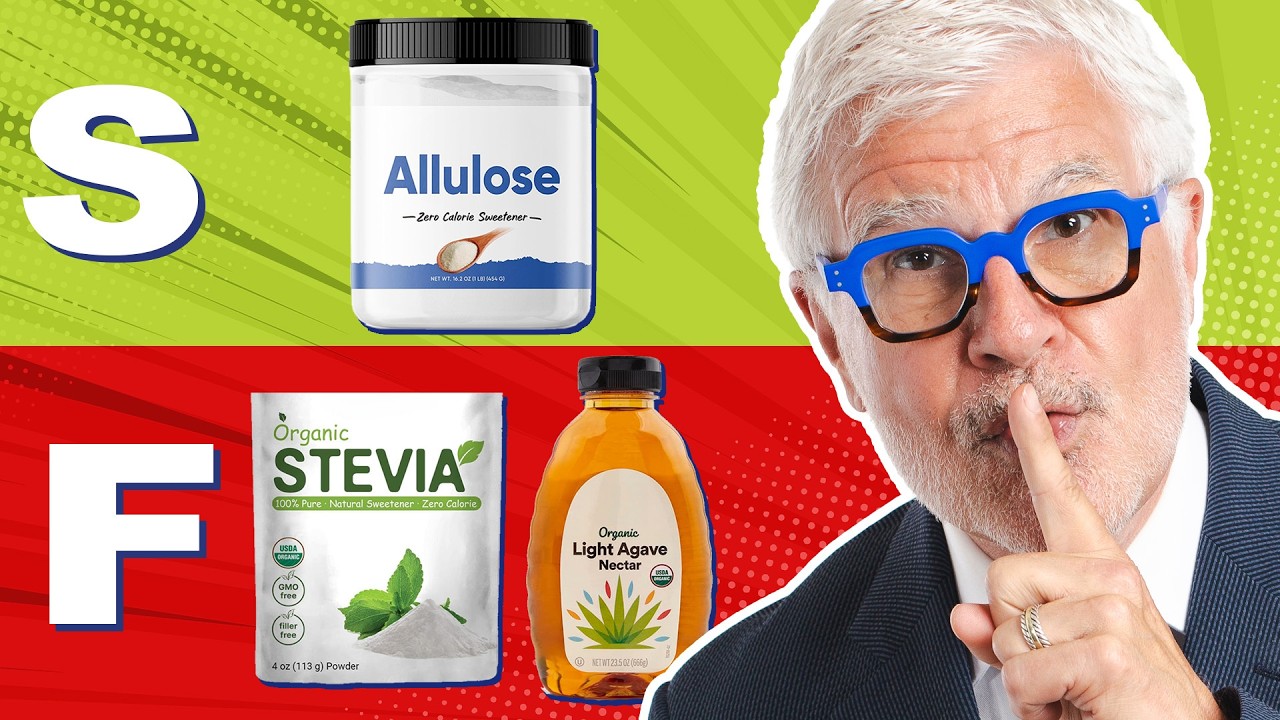
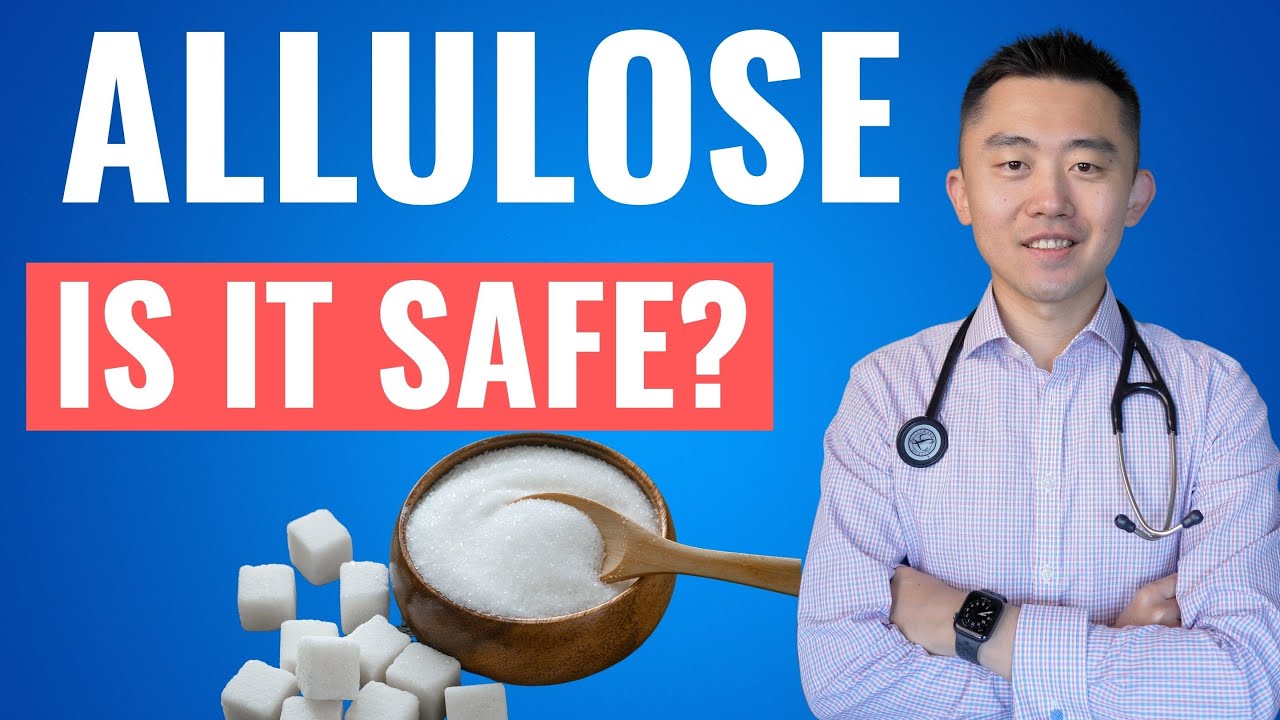
recent study um you know Ben bikman his lab had a study out comparing Stevia to allulose which is a rare sugar and very low calorie sweetener that was an interesting one because it actually did have uh the basic finding that Stevia is benign but there was then this advantage of this other um no low calorie sweetener which I raise as just again an extreme example of how these different sweet molecules can have different effects and some of them might even be good I don't rule that out we kind of talk about the you know zero
to negative realm in in these regions and then maybe the only positive being from the elimination of the caloric load or something like that I also would not rule out the possibility that just because something like something could be sweet and lower zero calorie and could have very positive metabolic benefit that's also possible this is just physiology and chemistry um how it's mediated um there are some probably Direct effects on fat cells um some effects on glp1 um although I don't know how clinically relevant those are but in the study that I brought up it
was shown that alos could protect against Western diet induced obesity in mice where Stevia couldn't so in healthy mice it didn't have a weight loss effect but in those challenge with a westernized diet um it actually did have anti-obesogenic effects as compared to Stevia so good example of how like these could possibly have positive benefits some of them in certain contexts um and that deserves to be studied too if we kick at old school for a second we talk about some of the uh older literature that's still kind of well it's still being looked at
but it's what comes up in discussion all the time is the effect of sucrose on the microbiome MH is that research that we should really be doubling down on or is that so complex that it's really almost I don't know impossible to really nail down I think it's definitely something we should consider um the study that or the group of studies that come to mind a lot of work went out of the whitesman institute in Israel I think Aaron Seagal was the senior author on that one something like zie nature 2014 or something a that
could be confusing papers but they did one beautiful study where they were looking at artificial sweeteners I think they included aspartame sucalo saccharine they did most of the work on sacarin but a lot of it was looking at the microbiome and again to show causality the cleanest way to do it is generally in mice because you can have germ free mice without a microbiome and do like feal transplants um but they had made a very compelling case that the microbiome gets screwed up to cause insulin resistance including in humans one experiment they did that was
pretty BR brilliant I think it was an N equal 7 which I'll get to the relevance of that in a moment but they took people that were naive to artificial sweeteners and um did a feal transplant which microbiome transplant from the humans to the mice before and after they were exposed to artificial sweeteners oh I think it I think it was sacaran um over I think it was a week period and what they showed was that um some of the humans were responders I think four out of seven were responders and even in one week
became insulin resistant and they showed that in the responders transplanting their feces toise conferred that insulin resistant phenotype so if you have person a and you do the feal transplant to the mouse before they have the exposure the mouse is healthy then you give the artificial sweetener the human becomes insulin resistant you then do the feal transplant to the mouse the mouse becomes insulant resistant so that's pretty compelling as far as causal data go to suggest I think these sweeteners can screw up the microbiome to produce negative metabolic consequences so I I think these data
are very relevant um the question then arises I did say what n equals 7 don't quote me in these numbers and I think four were responders does that mean three people were actually immune would they have become responders over more than a week we don't know so if you hadn't answered that question there might be someone who are more resistant to the negative effects um based on what their Baseline microbiome composition is is so that's possible but answer to your question is the microbiome and sweetener literature solid enough to be worthy of consideration yes I
think uh anything's solid enough to you know be concerned with and to take some pause right I think there's never a problem with saying hey you know what yeah I'm gonna I'm GNA take a pause on on the Diet Cokes for a little bit until I do some more my own research and determine if this is something that I really want to proceed with as you mentioned is this an actual tool that is necessary for me and there are plenty of people that I know that they just without a Diet Coke they would make significantly
worse decisions and that's totally valid I get it like that's that's that's acceptable to me um then there's people that it's purely habitual it's just like no I just I have a couple Diet Cokes a day it's just what I do well have you ever considered like removing them well no I like them okay well try see what happens you know um you know if the people tend to compare like a Diet Coke to a regular Coke right okay well I don't really think we're talking apples to apples here like and if you say like
okay that person's not going to be drinking a diet coke so they'd be drinking a regular Coke I don't think that's always the case I think if someone wants the sweet hit they want the sweet hit and they'll probably choose they I think most people would want to choose the one that's probably slightly better for them so they'd probably say okay there's zero calories I'll go for a Diet Coke people that are a little less concerned and just don't care um you know it's kind of interesting this is purely my own observation but most of
the people that I see drinking regular Coke in my opinion at least here in California are actually like skinnier people and it's probably people that are just like oh I can handle the sugar just fine you know it's it's kind of interesting I see a lot of overweight people drinking diet coke that's not to say that Diet Coke makes you fat it's not to say that regular Coke makes you thin I think I do notice that people that like they understand that calorie concept at a basic level say okay well I'm going to switch to
a Diet Coke so I see people that are struggling with their weight drinking diet coke more than I see them drinking regular Coke that may or may not be the truth it's just my observation right but again a lot of thin people that I see they have no problem just pounding regular sodas so it is this kind of this question of okay well what would happen if you just didn't have it all together what's your take on something like Zia in that case like a Zia soda I would just about to bring that up is
like you create the binary of Coke and diet coke was like in the real world you have that option of think Zia the stevia sweeten beverage like choose that one based on the literature I think that would be the safer choice and I think most people when armed with knowledge from the literature even if we take it with the caveats that we need to take it with again want to make the best choice forsel and it's not that it doesn't seem like that much to sacrifice from a third person perspective now if it is for
that person then they can have the Diet Coke but allow people to make those more inform decisions and also take steps to better their metabolic Health as steps you don't need to make all changes at once so if you're starting on a journey and you're going to start by like cutting out sugar you're going to use di Coke as a tool then great maybe there's a time in the future where you're then going to swap over the Zia and then maybe you're just going to go to sparkling water or water like the cool thing I
think the thing that really gets me excited about metabolic Health as a science and talking and teaching about it is because it's something that is accessible to literally everybody your body is your lab and it's not a chore to tweak things on it it's kind of a privilege to get to always iterate and observe an experiment in your n equals 1 journey infinitum and hopefully always like improve along the way when you can really internalize that mindset that pleasure I think that is the key to unlocking good metabolic Health forever even if that means at
the beginning of that Journey you're having Di Coke I'm with you on that man well uh Nick where can everyone find you brother um Nick norwitz ni n o r wtz uh basically on any social I don't think there's another Nick Noritz in the world so I'm pretty easy to find perfect right on brother thanks