so Kim in the last video we started talking about how slavery has been an issue in the United States really since it's since its founding with with the Revolutionary War and we see some images here of slavery this was a particularly famous image that really kind of helped spark indignation in in the north amongst abolitionists because you can see how this this this person was beaten or whipped yes absolutely and so it's just kind of you know and today we all it's like this morally appr reprehensible thing but you go back not too far in
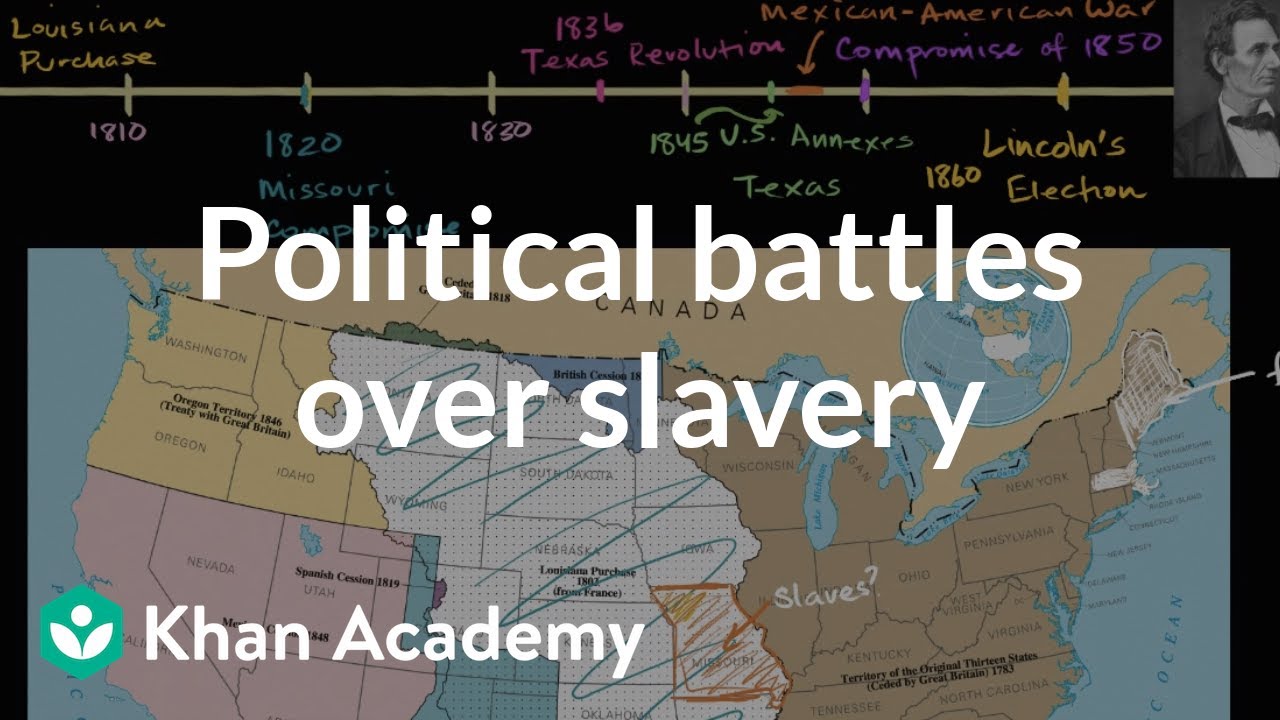
the whole scope of History we're going to the early 1800s and you know this was something that was debated it was it was slavery was allowed in a large chunk of the United States and in the last video we talked about that this issue of slavery only got exacerbated the more territory that was added you have the Louisiana Purchase in 1803 that adds all of this territory you start having States getting carved once you get a critical population a critical mass of people in a certain State they can apply to be or in a certain
territory they can apply to be a state and as each of these states are are added and they they want to get representation it's a political issue you you you mentioned how you know the north they didn't like it on moral grounds that if it was a slay State and and they also didn't like it on economic grounds because it's hard to compete economically with slavery while the South was afraid of losing its its political power if if more free states were to join the union and you know in Compromise of 1820 you mentioned that
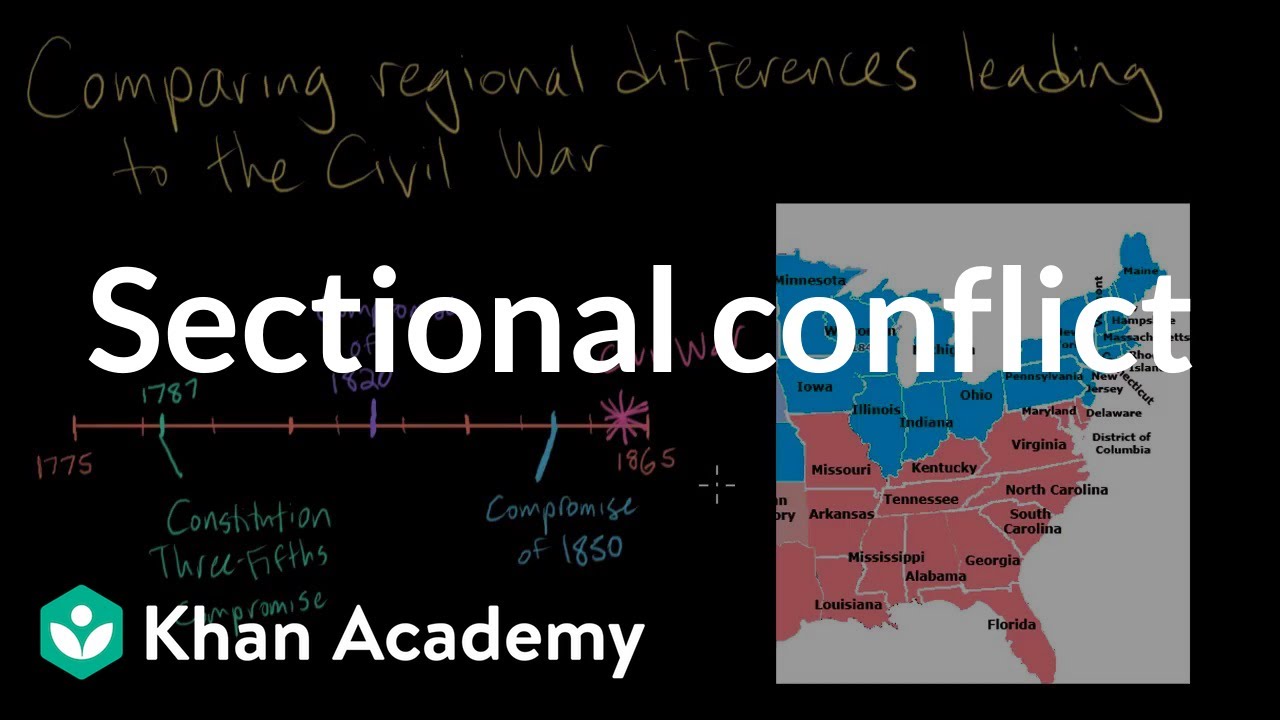
well that compromis Missouri is a slave state Maine gets carved out of Massachusetts becomes a free state but that didn't solve the problem that problem only continues because we only add more territory yeah I mean most of the history of the 1800s when it comes to slavery is a history of putting off the problem right um you know Henry Clay becomes this very famous legisl legislator because he's good at compromising he's called the great compromiser so instead of trying to actually solve the issue of slavery which you know many people think of as an unsolvable
problem they're just saying all right well how can we put off the conflict over this a little bit longer and and and they just keep doing that you know in 1836 territory expands further or it starts to I the the the the expansion is catalyzed further by you have the Texas Revolution Texas gets its independence from Mexico which itself got independence only a few decades before that from Spain but so Texas for a brief amount of time is it's its own independent country but then it joins the US it's annexed by the US in 1845
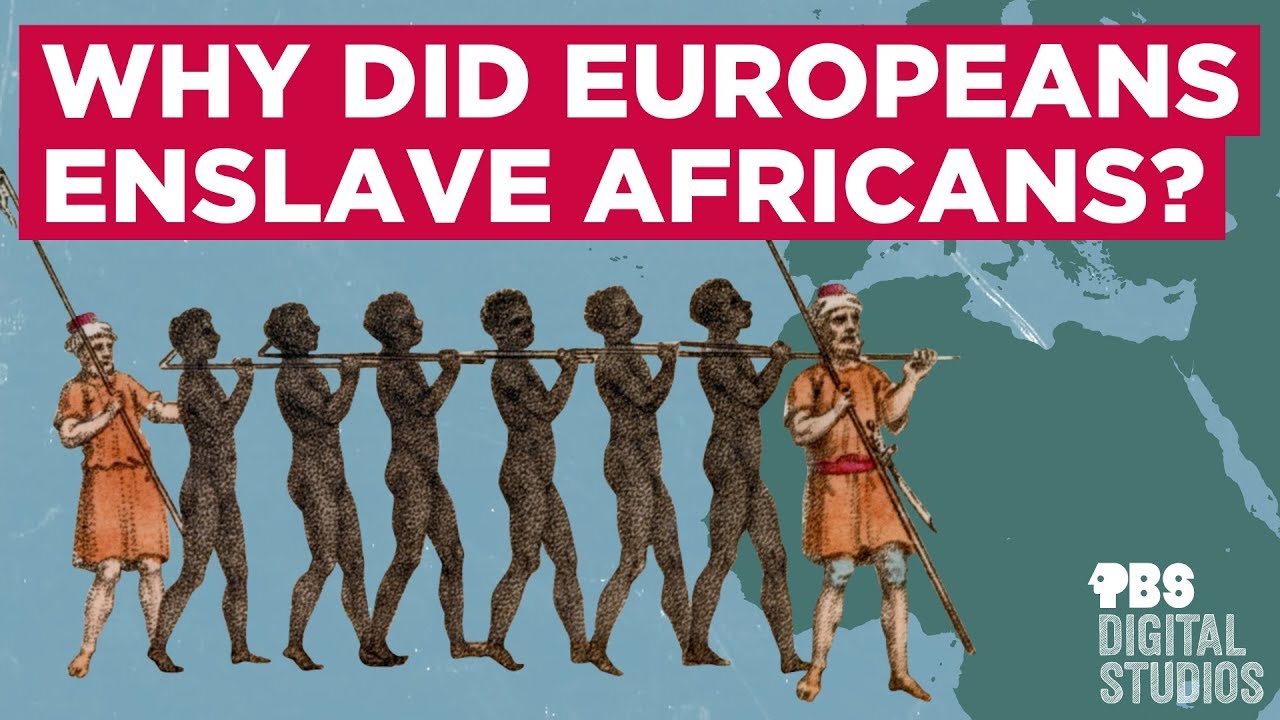
so it's more territory for the us and that was slave territory right yeah so again this is an area in the south where most of the reasons that we slavery existed in the south is because it's a very fertile agricultural region right where uh the things that you grow crops are very labor intensive so they figure you know how are we going to find enough people to grow these crops and the answer is that they've been importing African slaves uh and forcing them to work and the the the annexation of Texas there's border disputes with
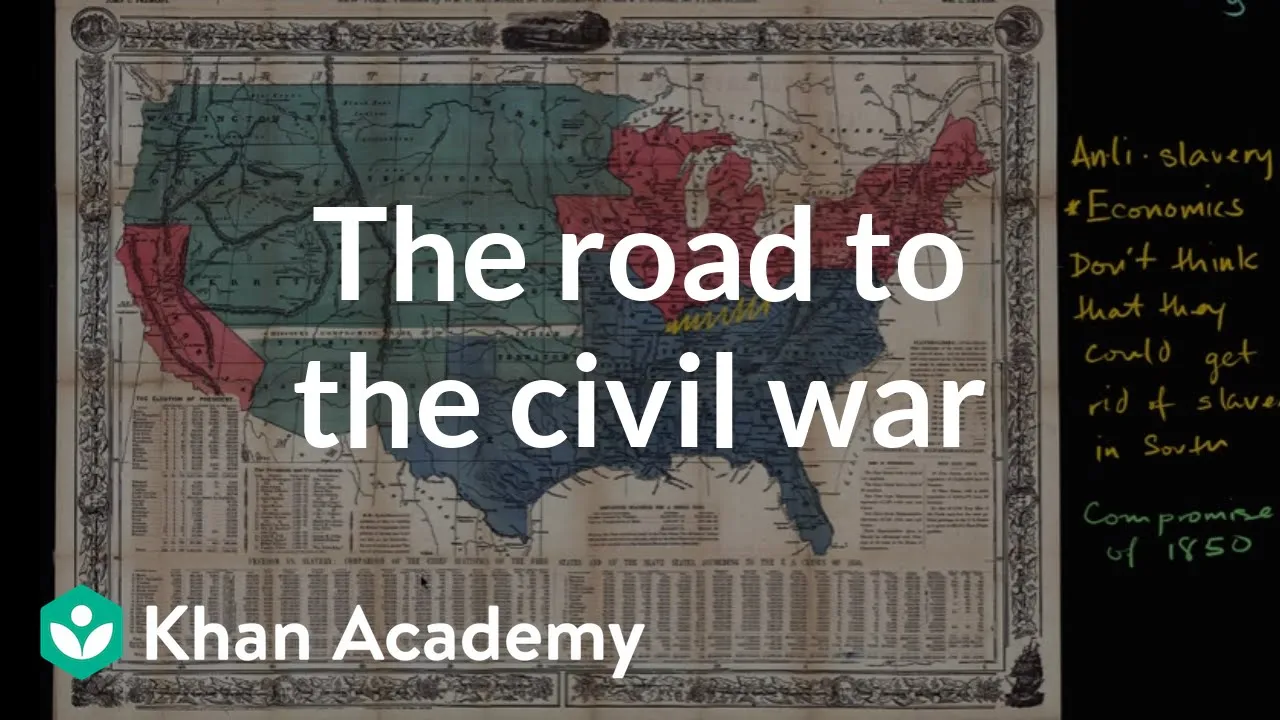
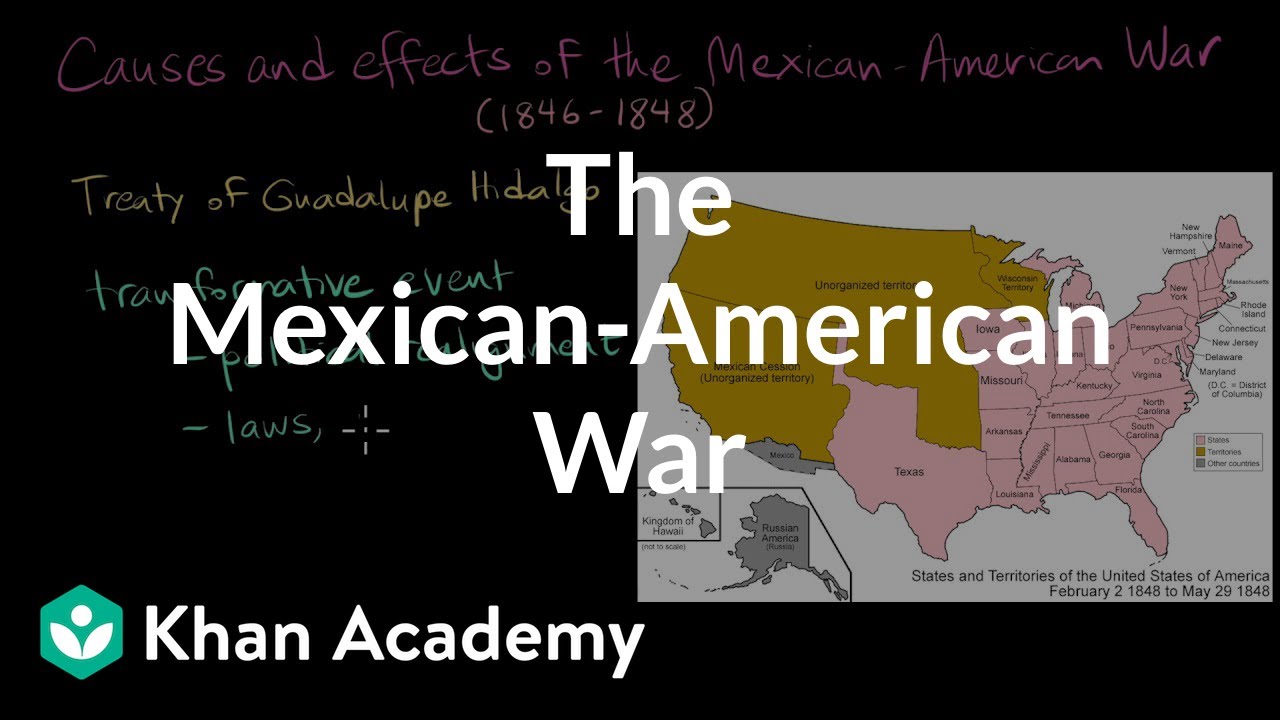
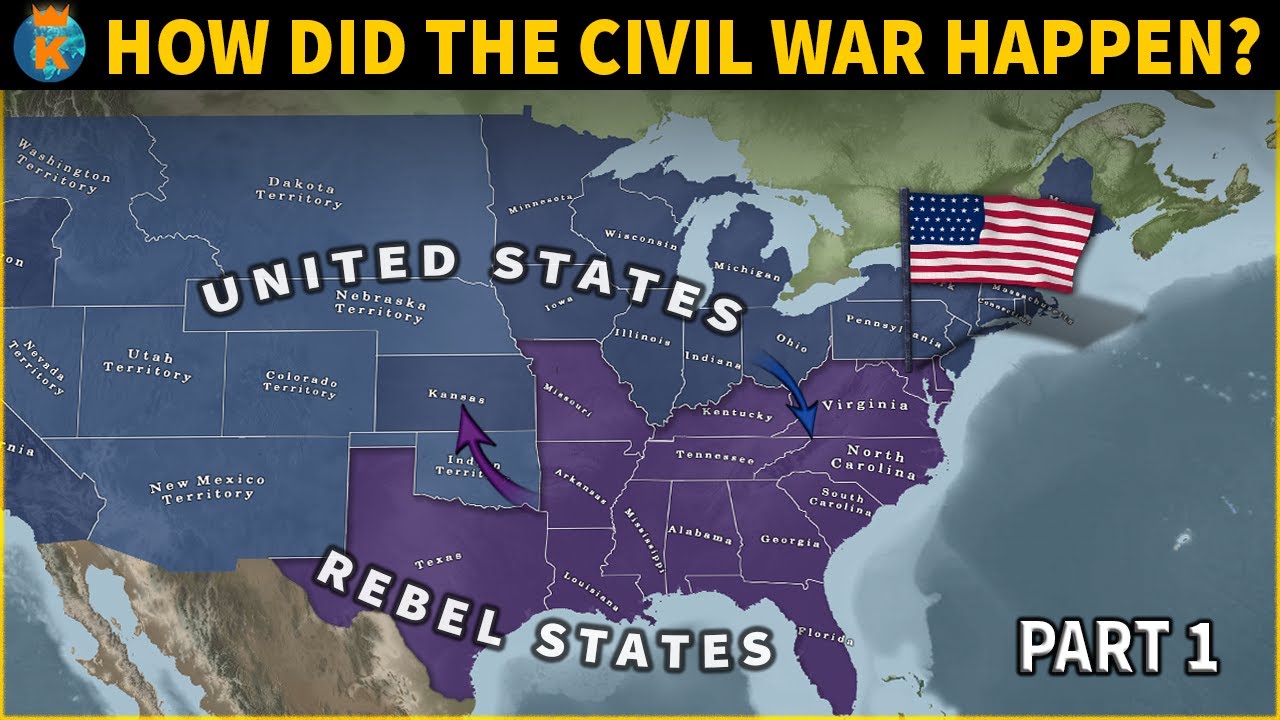
Mexico which which leads to even which another conflict with Mexico this time with the US and Mexico this is the Mexican-American War for from 1846 to 1848 but in in the context of this conversation the reason why it helped bring the slavery issue even more to a head is that when the US wins it it gets even more territory it gets it it gets all of this area in in the west right over here right it's more territory and it's more sort of Southern territory which means that has a high probability of becoming slave state
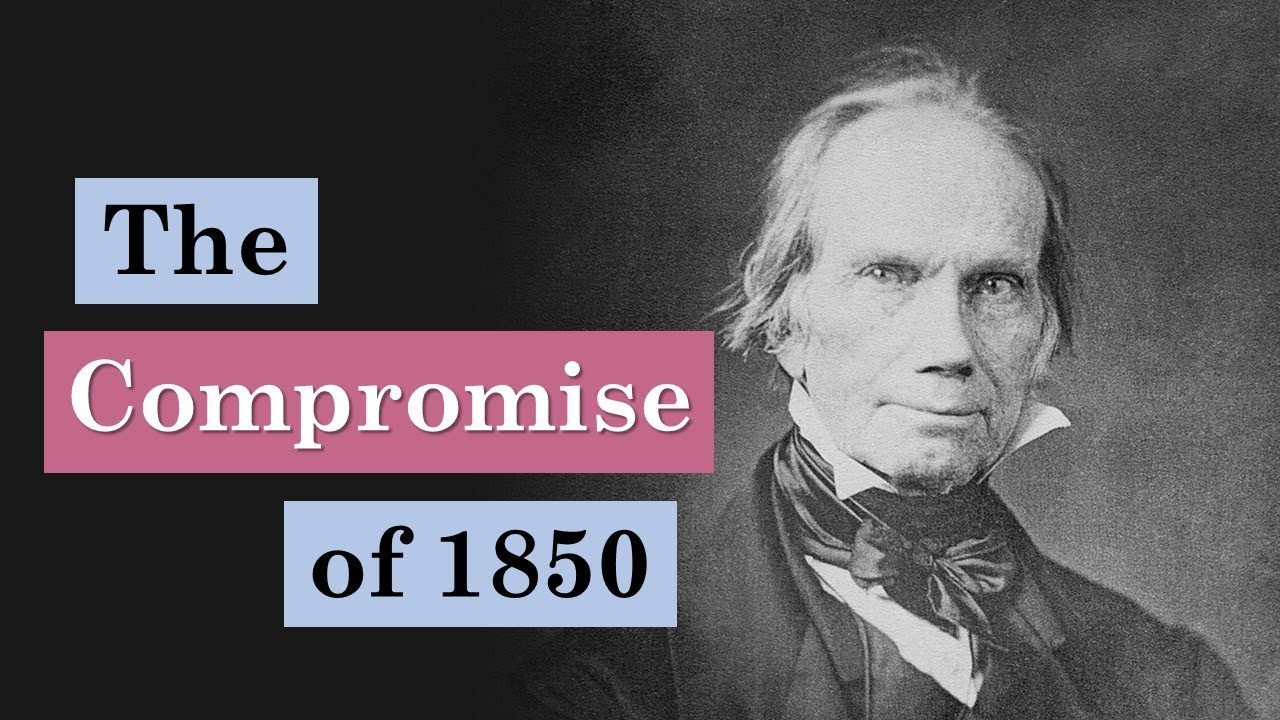
and so this map that we looked at earlier in the other video this this is kind of showing what the what the US look like uh as we as we exit out of the Mexican-American War we're getting to about 1850 and and so what what happens then I mean is it just one compromise after another at this point well this is the point where compromise begins to break down right um Henry Clay again is the architect of What's called the Compromise of 1850 as soon as the US goes to war with Mexico people in Congress
are wondering all right if we get this territory that we're trying to get what's going to happen are they going to be free slaves free states or slave states um and you know this compromise over free and slave states has been going on you know for 30 years since the Missouri Compromise and you know even longer if you take it back to 1776 so they're doing exactly the same thing they're saying all right well let's try to keep a balance of power between free States and slave states except they add in a couple of provisos
that make people really angry in the 1850s and who gets angry uh both I would say slave owners and abolitionists and anti-slavery activists in the north so I guess that's what makes it a compromise a little bit of something to make everyone angry and so what what what made what what made the uh what what made the slave owners angry about the Compromise of 1850 one of the parts of the Compromise of 1850 apart from deciding whether these new territories were going to be slave or free was a part of the Act was called the
the Fugitive Slave Act and the Fugitive Slave Act said that it was a federal offense not to help slave owners recover so this was something that would make the the abolitionists angry or the anti-slavery angry yeah absolutely both um so for example if you're maybe living in Massachusetts you're a a white middle class person living in Massachusetts you don't think slavery is great you think it's morally wrong but it hasn't really directly affected your life right you're hundreds of miles away from the nearest slave state but now the federal government says that if there is
a person who has escaped from slavery who has come to your town it is a federal Al offense for you not to help return that person to slavery so this Fusion slave this is part of the compromise this is part of the Compromise of 1850 uh I is is is that I I could be sitting in Massachusetts I could be anti-slavery or I could even be ambivalent about it but now I have to be complicit in it if if there's a slave I can't or if there's someone who's you know escapes from the south as
who was a former slave I have to actively I I can't in any way help them if I do I I could go to jail uh uh if I'm a if I'm a law officer I have to capture that person and I have to bring them back so it's kind of forcing people who are already not happy about slavery it's kind of bringing it close to them they have to they have to partake in it yeah and these are people who have very strong religious convictions this is you know the mid 19th century is a
time when people feel their religion very strongly and so there are people in the north who are Quakers uh who are other otherwise religiously opposed to slavery who you know have maybe prayed for The Souls of slaves but it's never been their job to try to keep someone in slavery before so that is really infuriating one of the things that you get out of this uh is a really strong backlash of abolitionist sentiment in the north for example Harriet beer Stow she's the daughter of a reverend who's against slavery she writes the book uncle's Uncle
Tom's Cabin which becomes this Smash Hit book that was about 1852 okay so this is after the compromise of 185 so you know people are getting it it really is coming to AE that the people in the north it's they're having to partake in this because of the Fugal Slave Act you have Harriet beer Stow right it's Uncle Tom's Cabin it makes people even more upset about the realities of slavery right and in the South you know they've kind of gotten away white slave owners in this time with people saying ah you know slavery is
not really my problem I don't like it but now there're seeing a concentrated attack a moral and social attack against slavery in the north and their response is to become even more um violently in favor of slavery they pose the idea that slavery is you know not just something that we could turn turn our eyes away from but it's necessary but it's a positive good slavery is going to actually make the country better you know if it weren't for slavery all of these enslaved African African-Americans their their lives would be worse without us and and
so just to to be clear on the the Compromise of 1850 it and there was a bunch of things we'll do a whole video on the Compromise of 1850 all of the different uh facets of it but it's one of its in in terms of this conversation one of its outcomes is because of the fug of slaves law it it infuriated many of the anti-slavery abolitionists in the north they became more entrenched in their positions which made the southerners more entrenched in their position the southerners didn't necessarily they they like the the the Fugitive Slave
Law the the the southerners the Compromise of 1850 it sounds like was I mean it was a compromise not everyone was happy but it sounds like it it made the anti-slavery folks more unhappy than the slavery folks yeah absolutely so it makes the anti-slavery folks super unhappy but it also means that now white slave owners in the South they feel like there's a Target on their heads and so they're going to dig in even further to make sure that their interests in slavery are protected and this gets us to the election of 1860 which I
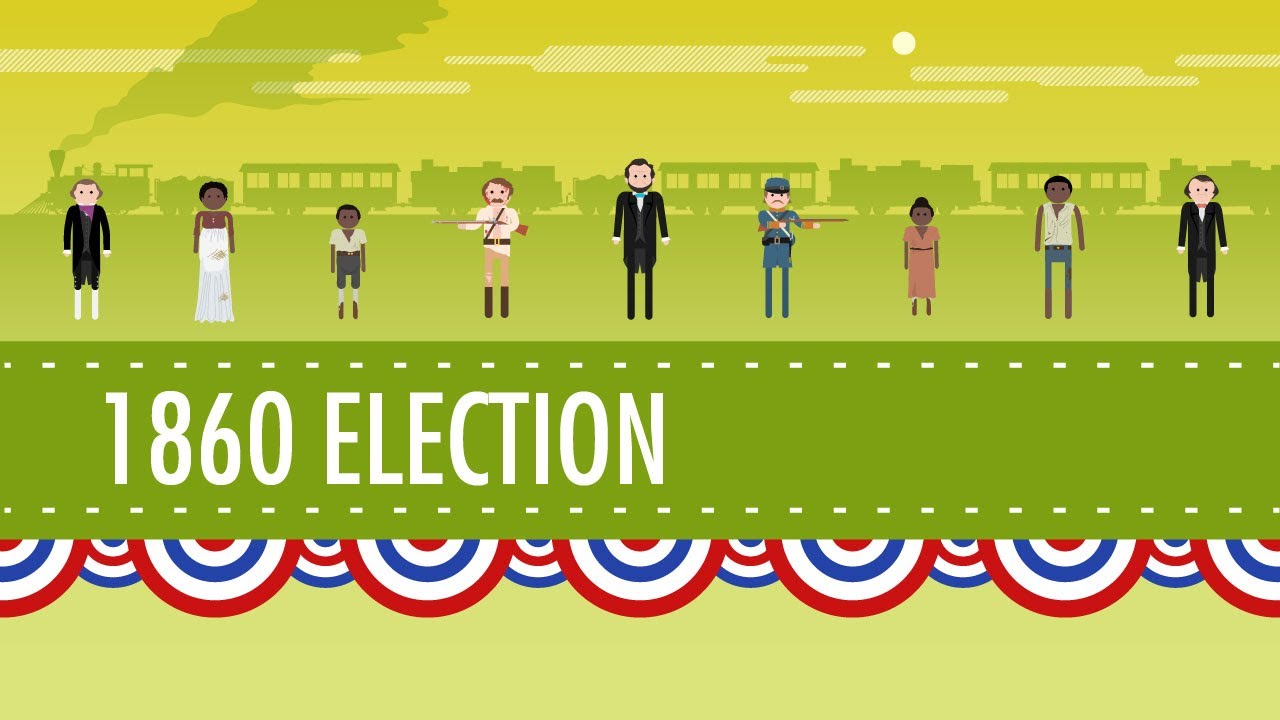
guess in some ways was the you know the straw that breaks the camels back I guess from the southern perspective and why is that well during the 1850s you have all of these political battles over slavery um in fact it kind of breaks the major political party of the 1850s the wig party so in 1860 some of these leftover wigs they reorganize as the Republican party and that's this is the first election with the Republican party that we know today but obviously in 1860 the things that they're interested in their goals and aims are completely
different and the Republican party is a an anti-slavery party they're deliberately and publicly against slavery so they nominate as their um political candidate for 1860 Abraham Lincoln who is well known in the country for having been an anti-slavery agitator he's given many speeches where he's made very eloquent arguments against slavery and he's we talked about in the previous he's he's guess it I guess on moral grounds but perhaps even more his own father wasn't able to be a a successful farmer because he had to compete with with slave owners right so he you know he's
brought up to hate slavery because it's a big business that has harmed his own family's economic uh future fut but he comes I think to his own conclusion that slavery is morally wrong what he doesn't think that he can do as president is legally or constitutionally get rid of slavery he doesn't think that the constitution allows it but he is seen as enough of a threat by Southerners that in many cases on the presidential ballots in 1860 you couldn't even vote for Abraham Lincoln if you wanted to he didn't show up on the ballot in
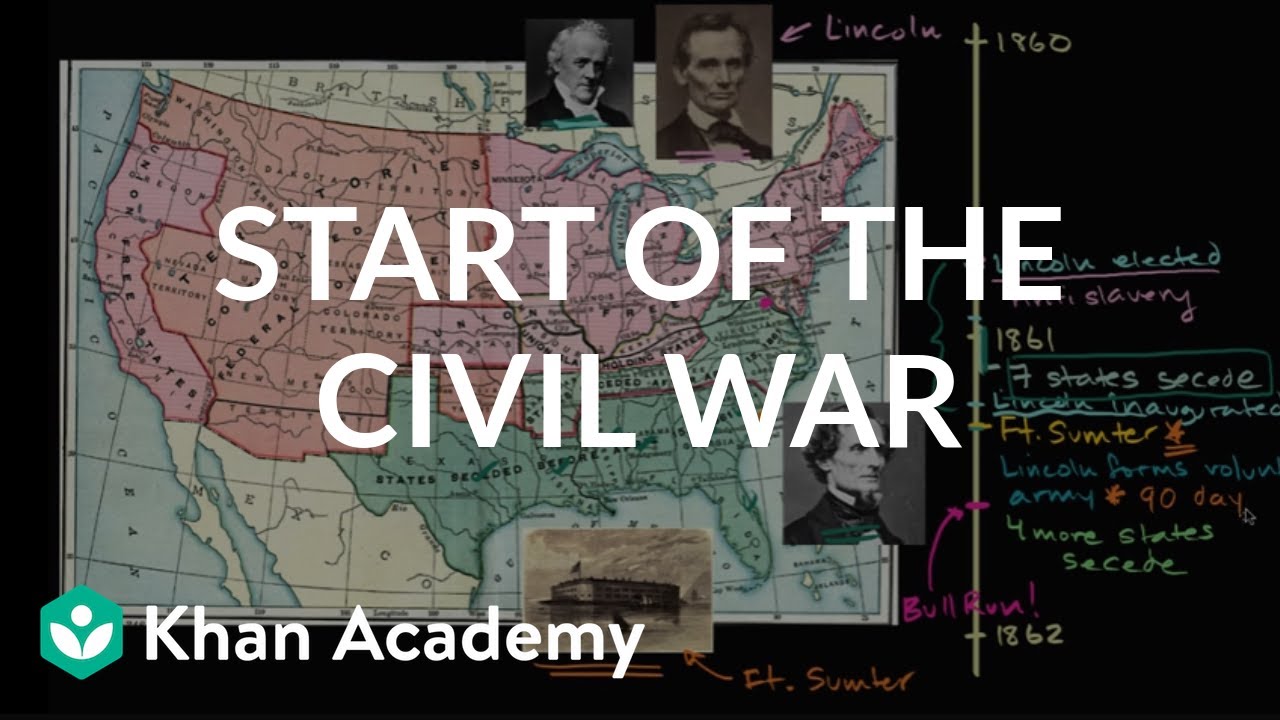
Southern States nonetheless he still gets enough electoral votes that he's elected and then that's what takes us into the real the real meat of you know catalyzes the Civil War yes stay tuned Abraham Lincoln





![The COMPROMISE of 1850 [APUSH Review Unit 5 Topic 4] Period 5: 1844-1877](https://img.youtube.com/vi/aHIZONFF4nk/maxresdefault.jpg)