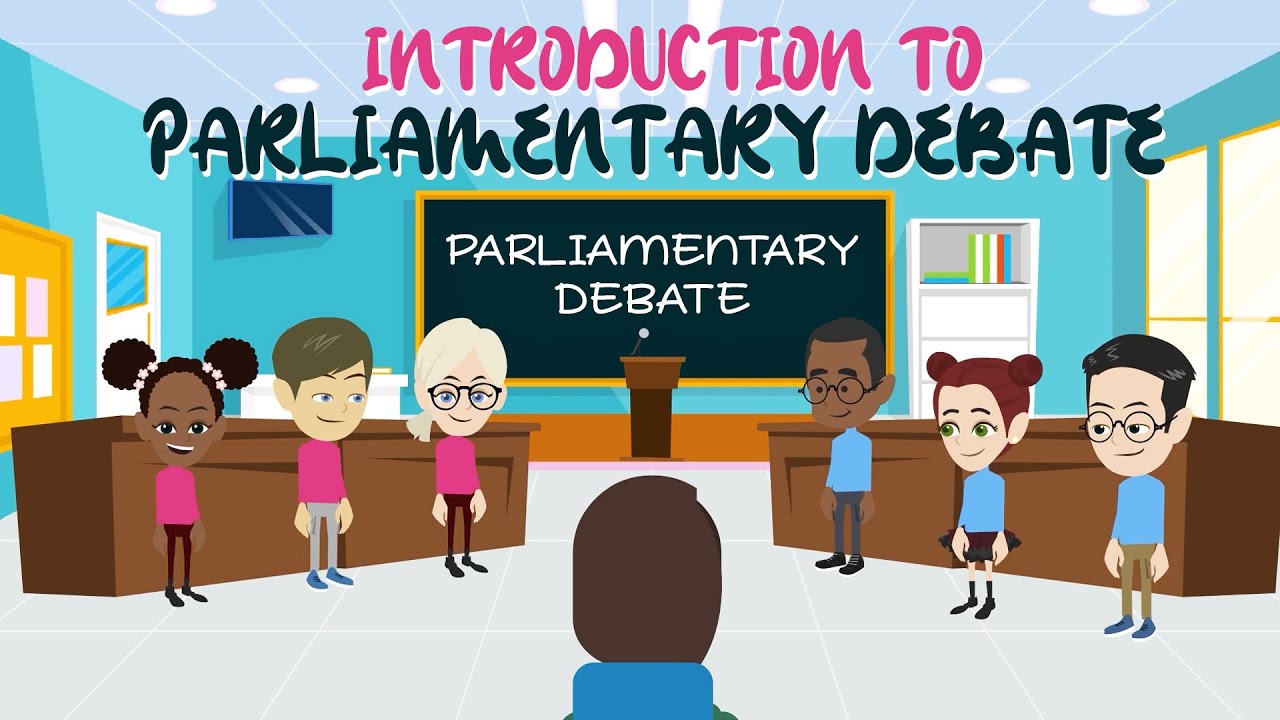
okay welcome to uh the first module of how to of the judging uh judging playlist let's call it like that uh today's video we'll be looking into how you should judge and hopefully this will give a comprehensive guide to uh judging by judging I mean the action of uh going into a debate and evaluating who won and who lost and what are the reasons for that um this is separate from uh oral adjudication feedback and uh things like that that we'll have separate videos for so this is a video solely for the purposes of how
exactly do we judge or come to the right call great so the first thing that we need to do and I assume that also people who are pretty new watch this is to understand what this terminology average informed voter means uh that Debaters use so for people who are new to debate or people who are like hear this for the first first time the average informed voter is the Persona that the judge manifests when they adjudicate a uh debate it's almost as if like it's a proxy to uh what the ideal judge would be in
this uh situation so here are like some broad characteristics of an average inform voter the first is that he is here or they or she are not a blank slate this means that they in general know about facts of the world in general see what the material reality is and in general follow world events I think the most adequate definition of this is when they see a news they most likely know about the headline of uh headline of this news the base of comparison here is two things on the one side of the spectrum it's
I think the terminology is called tabasa or whatever which basically means total Blank Slate which means that if then uh you you tell this person I don't know the sky is orange or something like that they maybe think that it is Orange um so this was a model of like how uh judges would be judging in the past which is wrong like obviously this is pure craziness if it's like a complete Blank Slate there must be some kind of sensibility of which the judge can evaluate different types of claims uh and and things like that
one time I talked with tin about it uh and uh he shared with me that there was one debate where uh for example a team uh Anonymous team ran uh literally uh here are five structural reasons why Belarus is a democracy what this is like blatantly false the average informed voter knows that Belarus is not a democracy it's a dictatorship there is no uh democracy there uh so like this is an example of that on the further end of the spectrum is what about like specialized knowledge and things like that and here the average informed
voter should not uh understand like if you were to say just the word quantitive easing which a lot of like teams uh like to say flashy words like this like quantitive easing or maybe like I don't know something very scientifically specific the average informed voter is not obliged to understand directly what the words you are saying mean that doesn't mean that you can't explain these types of processes or explain this specialized knowledge to the average informed voter the question is just that the burden on more specialized information is higher and demands a higher explanation in
order for the average informed voter to understand so to summarize the average informed voter is not ignorant he she they know when something like is Turbo scandalous or when it's a a topic that they may not necessarily understand that topic demands an explanation an illustration as to why uh the it happened the way it happened so this is the first point of characteristics of the average informed water the second is and I want to stress this a lot the average form voter does not have a political leaning no matter how much Debaters would like uh
to make them sound as they do uh because like let's be completely honest uh the most people uh think that the average informed voter is uh left winning and supports like left/ socialist ideas and things like that automatically that is not true these ideas must be justified in within the debate you need to provide justification as to why uh certain left ideas are good or certain things are bad like there this absent of such justification uh the average inform voter is fine to say for example like let's give let's give a couple of examples like
saying over policing is bad if you don't give a reason why overp policing is bad the average informed bter can simply say that's not a harm or absent of an explanation I don't necessarily understand why this is a harm uh redistribution is good again you need to explain why this is the case otherwise it's not something necessarily that uh a judge can just say yeah that's that's good and that's bad uh even if you give minimum explanation here how just to be complete just so people completely understand me even if you give like first principles
explanations as to why these things are good and bad that's more or less enough for you to do it the problem is that now the bers don't even do the bare minimum uh they just straight up uh run these claims and people assume okay this is good this is bad uh so yeah so the average informed bter doesn't have a political winning this means that this person can also be Ed by equally uh sensible right-wing ideas as well uh yeah the third characteristic is that the average informed water follows logic and evaluates logic so that
means that the average inform voter can be persuaded based on certain ideas or certain policies or certain phenomenon based on the logic given within this so the average informed voter tracks and evaluates different logical chains of arguments and and can evaluate whether or not an argument is proven or not whether it's impacted or not whether it's weight or not and how the general flow of logic uh of logic goes again it's not a blank slate uh here she they are able to evaluate and follow this type of thing and finally the average involve bter can
be emotionally persuaded by rhetorics uh this is not a mathematical competition where we do 1+ 1 equals 2 uh if you want to do that like go to I don't know math camp or something like that or uh I don't know like a spelling breath uh this is a uh game where it is also equal parts theatrics so uh even though it is not codified anywhere or written anywhere uh you as an average in for voter can be persuaded by the way people impact their case for example or the way people explain how crucial a
certain mechanism is or uh the way that they have an intro that cat grabs you or catches you and things like that not that British parliamentary debating is fully uh like fully uh how should I put this style based or fully logic based honestly these two things are in the middle and like you should always also evaluate this when you're saying like if a team manages to very very emotionally explain to you something and impact the point uh the point very very hardly this is something that you should consider a valuable contribution to uh to
the debate and you like you shouldn't be automatically against this you are in at the end of the day a human being and human beings are persuaded by emotions so yeah so these are the inherent characteristics of an average informed voter obvious ly there is like a bit of a gray area of when do these things stop and start and here like debating kind of becomes subjective but the idea is that we can at least codify it to a certain extent so that it is become so that it is kind of like equal for people
people have equal playing uh the people have an equal ability to win or uh to lose based on a debate but still like there is this gray area and that's perfectly fine at the end of the day this the idea is not for us to go to what is like the perfect truth but what is like an approximation of of that uh and that's like the standard that we should be looking at as judges so this is on the characteristic that you buy when you go to judge a debate what is the goal when you're
judging you basically have three three goals the first is to comprehensively track the debate the second is to reach the right call and the third is to facilitate a good discussion where all comparisons or all teams are discussed these are the three goals that are both for chairs and both for wings these are the three three goals that you should have when you're going into judge a debate and these are like the three Milestones when we're particularly looking at judging again oral adjudication and feedback are separate part parts of the process we'll have videos on
those but here like these are the three goals that you are walking inside and so the next slide we'll look at each and every one of these goals and how we're able best able to achieve them so let's look at tracking best practices I think the first and most important thing is to just use a pen and paper and not a laptop now I know that this is like kind of a controversial take and like the debating Community hasn't had a very comprehensive discussion on the topic but honestly uh it is problematic that judges when
they walk into the debate now when they have the capacity to uh write literally every physical word that you are saying debate has become debating has become like this tracking exercise where people are like forced to write down uh massively and it does kind of trade off with your capacity to evaluate and understand the idea uh but secondly it allows for you to look at not so much like the argument in terms of literally all of the density of the argument but what are like the crucial inherent parts of uh of the argument which all
which is best utilized by pen and paper so there is such a trade-off and I would advise you when you're judging to uh to do this and by the way the reason that I'm highlighting this as a problem is that I just believe that this is such a big issue in debating literally any competition I go I see this as an issue uh where people people like track 100% everything you said and don't necessarily evaluate the argument or the speech uh the argument or the speech fully which brings us to the second thing which is
you don't have to write down everything you don't have to write down every word people say every sentence they say it uh everything's like that you are trying to track so that you have at least a basic level understanding and memory of what happened within the debate so that you can recall it as a tool to do that particular thing or as a tool to follow logic and do it that doesn't mean that you have to follow everything people said and usually debate comparisons and as you continue in in uh to like evolve uh usually
come down to like maximum of three things that people said most likely one or two things uh in in most debates that you can um you can evaluate clashes on and see what their contributions uh are especially if we're talking about the medium level debater and we're not talking about like the higher rooms where maybe you'll have to do a bit more but it it more or less is the case so please please please please if you're watching this and if you feel forced to track down everything uh team team said and later if they
ask you like oh what about this one liner that I have or what about this it's perfectly fine to say I didn't think this was super important to the Clash the thing that was important to the Clash is this here are reasons why uh that's why I didn't talk about it in the discussion or whatever uh the third thing is to have like a clear separation of the speeches so what I've noticed some judges do is for some reason they write very mixedlyricsprincesax a separate sheet or at least this is how I do it maybe
other people do it differently where you are like doing a cross between this and you are writing down what are the most important contributions from each uh each team uh in like one sentence and then why how like different teams interact between each other on this different sheet of paper the reason this is important is that you have separation on how you're tracking people and making sure that you've written down what are their important contributions and how then they interact between each other it's a bad thing to get these things intertangled because then when you're
giving for example like uh explanation of the call and feedback it kind of gets a bit mushy so having a separations of the process is important the same way as like when you're debating you have a separate sheet for argument one separate sheet for argument two separate sheet for framing and stuff uh like this and finally even though I said this before but it's important for you to understand and evaluate the idea and the contributions of the debator rather than making sure you're writing down every everything because after a certain moment this process of just
making sure you track down everything trades off in the limited time you have with your capacity to uh make sure you understand the debate evaluate contributions and do this the way very simple way you can test this is the next time you're judging think about are you wasting time tracking and wasting time doing all of these things as opposed to uh whether or not you're holistically evaluating different arguments and stuff like that so the bottom line is try to write down uh try to write down the most crucial ideas don't feel obliged to write down
everything uh and like just make sure you have adequate best practices in terms of tracking I want to note one thing here if you are judging ESL speakers and particularly very very very very ESL speakers uh and you're having a hard time to understand what they're saying I think it's perfectly fine to let's say extend yourself in terms of trying to understand more or trying to understand what they're trying to say and things like that like it's it's perfectly legitimate not not not everyone has the same amount equal amount of control of the English language
but honestly if for example they are truly not understandable to you uh where you are where even if you are putting an effort that speaker is not uh how do you say is not super understandable it is super good feedback to just tell them look I really didn't understand your speech there were this and this moments where it was hard uh and you know giving them advice like for example maybe slowing down a bit more maybe saying saying these things more clearly uh would have been beneficial of course you should do this if you actually
like uh did the uh like did the extra step of like trying to make sure you understand them and trying to make sure that you're tracking them adequately there are many of these judges that straight up don't track and straight up don't care which is horrible uh and then they think it's uh perfectly legitimate for uh like you to just say I didn't really get that I'm sorry uh I think the adequate Middle Ground solution is just making sure you do what everything you can and if you can't just go and tell them in feedback
this is what you need to improve that's perfectly fine so that's uh the note on tracking evaluation of the debate we're basically evaluating four different components there's going to be a second slide with three or four the first is the level of analysis or level of explanations of people uh that people give and I want to stress this a lot the times I have been judged by people who straight up don't care about this stuff or the times where I have judged with people who also straight up don't care about this stuff uh is like
too too much to count people are just straight up buying ideas without necessarily them uh evaluating what is the level of analysis that is provided and without necessarily evaluating the burden of the argument that is given in order for you to buy it in this uh crucial moment this is a rampant problem because it allows uh for people basically to run crazy and like for and for them to get away with it and the mor if you want to truly improve as a judge this is the First Fundamental thing that you should ask yourself which
is to ask yourself did the team actually prove the thing that they set out to prove uh and here are just a basic some four basic questions that you should ask yourself the first thing is how well connected is the logic that it explained in this particular moment are they like very unclear when they're explaining some kind of thing did they for example start and stop and start again when they're explaining a specific logic iCal link so they made sure it's convenient for you to understand and to evaluate the analysis provided second most easy question
is it asserted did they for example say the word uh cognitive dissonance and for them to expect for you to uh straight up go yeah that sounds legit bro uh or did they for example use quantitive easing or did they say something like just War Theory and things like that or did they actually provide an explanation is to what do these words mean how they interact with the debate what is the analysis behind it and how does this change like these are very simple questions that you could ask yourself to gge the level of assertions
that people uh give to this uh you is the explanation that they're giv uh intuitive or understandable or the reverse is it counter innative and not understandable are they expecting you for example to connect two and two logical pieces that don't have a logical connection between each other it's perfectly fine when you're evaluating a debate to not understand what the speaker is explaining or to as so long as you're able to just point out to the fact that you don't think that this logic is intuitive and don't think that it uh does the particular goal
that you are talking about and finally is there like a logical Hol in the case I.E uh if for example they explained uh they're running backlash and they explain all people will get mad but then there is another link between people get mad and people taking actions like if they didn't fill this uh link can we buy the argument and things like that so ultimately with these tools you have to be a bit uh controlled when you when you're using and when you're evaluating these type of things so think about it this way you can't
be a Madman who goes around and uh just tries to poke uh Pok poke holes in people's cases rebut them and say this like stupid case I shouldn't buy them but on the other side you shouldn't be one of those uh uh judges that simply uh just createit the idea and creit the explanation create the analysis without having the bare minimum of explanation looking at whether or not it is uh adequately explained and stuff like that there is a middle ground between these two things where you are evaluating the level of analysis that uh uh
teams are providing and asking yourself okay am I scrutinizing them two more there must be some kind of Middle Ground where you're able to adapt this the reason I am putting an emphasis on this is I think the balance tilts more to just straight up buying stuff without necessarily looking at what is the extent of an is provided so maybe and for this could be for most judges maybe just adding this layer of questions will tilt you more to the center instantaneously and you will see massive Improvement just by uh asking yourself these questions but
second thing to note here and this is applicable for all these things is that debating is comparative I.E let's look at this theoretical situation we have one team that uh asserts their claim but gives like some kind of explanations here and there versus another team that totally 100% asserts their claim and if we had to evaluate solely based on the level of explanation provided one team that has a greater assuming all all things are equal so no rebutt on no wink and the statements have relatively the same burden between them then the team with the
more analysis should intuitively be the team that is more likely to win in this situ uh in this uh situations um so yeah so all keeping this all of this in mind uh because these things are at the end of the day comparative so maybe you could be in a very bad room where no one has an explanation one team has some kind of kind of stive explanation you can go with them uh and stuff like that and finally a team doesn't have to point this out to you you yourself should be able to when
evaluating the chain of logic and when evaluating the burdens and explanations of arguments you should be able to see it it is helpful if teams point this out to you where there is no explanation no analysis but you yourself should also be able to uh see and not these things down on your own so that's all analysis the second Criterion is engagement uh by engagement I mean like rebuttal mitigation things like that the things that we covered in the previous videos it is a huge shame in debating that firstly people just simply straight up don't
respond to each other anymore people just don't give rebuttal people just don't give responses and people don't handle responses like there is a terrible trend of non- rebuttal uh happening and I think the reason for this is that honestly because judges don't really care about that enough whereas re responses and rebuttal is an adequate way for you to win uh for you to win for you to win and debate like even if you don't have the uh best argument of the world if you straight up stand up and destroy the other side you are still
technically more likely to beat them uh to beat them within the within the debate so how do we uh we like evaluate rebuttal the most basic question that we should ask ourselves is did the other team respond at all because in many of these cases there is like a team there are many teams that just straight up don't respond so if if the teams didn't respond and another team responded maybe that's a very good reason to give for that team against another but secondly we need to also evaluate the persuasiveness of the respon of the
response provided I.E is the response a response that for example attacks the heart of the argument so like a core premise that if this proven the entire chain of argumentation breaks is the response for example a more flippant response like let's say responding to the example rather than the core logic and saying oh this example is wrong but then the argument still stands uh is the response for example uh a response to a premise that um sure it it uh it can be responded to but isn't that important as other premises that have been analyzed
within uh with within the debate so you should always evaluate the Le the persuasiveness of each response but more crucially and more more interestingly you should also track whether or not teams explain themselves the importance of a response so if a team were to stand up to for example stand up and tell me look this is a core premise within opening government's case from closing opposition we're going to directly respond to it and that way we're already outweighing opening opposition if we attack them uh if we take a higher burden within the debate and comprehensively
attack them within uh within the uh within the round so I personally love to hear things like that it is like maybe one of my biases as a judge I really really like it when teams stand up and explain to me what they're doing and what is the intention behind their strategy within the within the debate uh it makes super much sense to me and it makes my life a lot more easier even if you don't necessarily do it the fact that you are at least attempting to do it uh means that you are uh
uh how do you say you at least are trying to explain to me your strategy uh and you're conveying to me the idea that you are thinking about these things uh and finally like just mitigation ation uh mitigation is a important tool within debating like like we covered sometimes you can just mitigate the other side so that your impacts are bigger than theirs or easier to compare so this is also something to evaluate in in terms of Engagement so bottom line is don't disregard uh rebuttal we we evaluate rebuttal the same way as you evaluate
analysis and argumentation uh and a team that hypothetically all things are equal if two teams have the equal amount of arguments between each other a team that responds is more likely to beat the other the other team cool W uh so w is the easiest way for you to understand when the team is winning or not winning um Wing can be both explicit and implicit so explicit weigh is literally when a TEAM stands up and says we will weigh against this argument the weighing is uh blah blah blah this is why our argument be their
argument this is like the clearest form of weighing uh um it's like super super super easy to do it's like if a team does it it's like super easy for you to track and to say okay the team gave explicit Wing against this team this is the reason why they should beat them this is Cut and Clear um people should like look at these type of things there is things for example like implicit weighing though so this is when teams don't literally say the word weighing and don't maybe maybe they also don't even try to
uh weigh but they are kind of weighing as they go along so this could be for for example if a team is explaining the importance of their of uh uh the importance of their argument if for example saying this is why this should be an important key issue within the debate implicitly what they're telling you is that this should be if they win on this particular Clash then that should mean that they are beating the other teams within uh within the debate of course in the ideal situation A Team should have explicit waiting but this
is judging we're not operating within ideal situ situations and it's perfectly fine for you if you think a team is very very close to like an explicit Wing it's just that the wing is implicit and they don't say the words we are weighing to uh take this weighing into account when you're evaluating two teams uh between uh between each other and finally like all things weighing needs to be proven and here the the the most basic example that I could give here is like people standing out ah we care about the most vulnerable minority and
things like that and never actually explaining why we care about the most vulnerable rity just saying it as a catchphrase uh or like saying oh we have more people okay why do firstly why do you have more people affected by this secondly why should we care about the majority of people weighing needs to be substantiated and reasons need to be given for this weigh you shouldn't uh so like the the other trap here would be just because a team says the word weigh but doesn't actually weigh so they don't actually substantiate their wing is also
a reason to for example not give it to them if they are uh if the are a team that doesn't really explain these particular things so that is on way if you can see there's a pattern here it's just critically evaluate what teams are giving and like don't be like uh with a with a hood on your head and try to critically evaluate uh what teams are or teams are given and try to track the most important thing rather than everything else finally other considerations uh these are like things that I didn't necessarily know how
to bucket them so like I just put them in other considerations uh contradictions remember contradictions do not mean automatic Force they just mean that you're disregarding the second idea so if for example uh a team is openly contradicting their idea and their second idea and this second idea they spent a lot of time on it but it is a but is an open contradiction maybe this is a reason for you not to give them the debate uh as opposed to other team again this doesn't mean that you're a of forcing them this just means that
if uh depending on the extent of how much they harm themselves with this contradiction this may mean that they should be lower within the the debate secondly whether or not teams are strawmanning or still Manning each other uh so this is basically are teams engaging in good faith are they taking the other s's argument at their best and responding to that and weighing against that or are they uh purposefully making the other side's argument sound worse or purposefully making the other argument sound worse than it actually is in order to increase the persuasiveness of this
uh of this argument now this is a there is a fine line between mitigation and staning a case so like if if a team is staning misinterpreting the words just being straight up uh dicks towards each other then maybe that's also a reason to think that they're not engaging uh in good faith if the other team for example did engage in good faith and did have these particularly well-made responses and finally pois I've given like some debates based on pois like by given debates I mean like if it's a close third or fourth second or
third first or second like it's important to take pois into consideration especially on Long clashes where like this is the only way of two teams to engage between each other and if like the debate itself is uh close uh close for example at Worlds I think one of the debates I one of the uh the team rankings I did end up uh doing them based on the POI that was given from one team to another uh so yeah it is something important to look at when the debate is super super close when it's not close
it's perfectly fine like it's not mandatory to look at it okay so so the bottom line is these are the ways that we evaluate the debate these are the questions that you should ask yourself a good way for you to do this is for example to uh let's say see a recording debate maybe ones that I post on this channel maybe some others judge it try to ask yourself these types of like questions and then put on the OA and see how close is your justification to uh the person or if not just if there
is no OA recorded then just give uh the OA as you would at a normal tournament cool then we are reaching the point of discussion so there are again I couldn't really structure this properly so there are just a couple of things to note in a discussion but let's before that explain what is a discussion so after the debate is done the teams go outside and then the panel that's comprised of a chair and a A panelist or maybe multiple panelists discuss based on what is the ranking so in the first one to two minutes
you should be able to arrive at an initial call it doesn't have to be a perfect call but you should know for example if OG is first OG is first or second CG is third and CS4 or whatever combination that you uh prefer In This Moment uh 100% you will have differences in calls this is perfectly normal uh don't worry uh it's perfectly fine what then then happens is a discussion where the discussion is pairwise in terms of what teams are beating uh what so when you are discussing you need to have contributions within the
discussions I.E you need to explain why one team beats another team based on uh why the first thing is that contributions must be pairwise the amount of times I've seen uh like uh uh judges panelists like talk about other teams when when we're talking about specific discussions is too much than it actually should we are just discussing OG versus O then we're just discussing OG versus CG then we're just discussing CG versus o etc etc so when you are uh discussing these type of things just make sure that they are pairwise while one team beats
another and that the sole idea of the discussion is just simply to come to the truth as to why one team beats another most people start discussing OG versus o uh in the majority of cases although this may not be a particular rule after this happens you can either call in a vote and uh see uh whether or not like what the majority panel's opinions is so for example you can split here you can say I still think for example all Beats OG or something like that or you can flip your opinion and like agree
to that but what is important is after you agreed to uh what the ranking is in this discussion then the later parts of the discussion are still operating within this framing so if we agree opening government beats opening opposition then this is the agreement that which we have come uh for the later discussion so when we bring closing government to the mix closing government cannot beat opening government but lose to opening opposition uh it's just the way that the the game works because of pise pise comparisons uh second thing is your contributions need to be
uh relevant so this again something that we talked about uh so what I see uh many judges do is they just like say oh they said this then they said this then they said that then they talked about this thing and things like that no no no it's usually one or two things of which people said that are the reasons for why they um why they should rank a above or below a certain team you you should ask yourself more the question of what did they end up proving like what did what is the thing
that actually has a substantial amount of explanation towards it so that you can comprehensively say this is the thing that they ended up proving and is relevant and things like that you don't have to talk about the one little oneliner argument that they talked about for one minute that isn't uh proven the third thing is keep it short and precise there isn't a lot of time uh and usually these things really as I said come down to like small things like not small things but Small Things numerically so like just saying I think opening opposition
beats opening government because firstly secondly thirdly and then I'm done and you just explain this in like a minute and a half and then the chair can give it to the other panelist and we can uh uh like argue about it so just keep it short and precise uh it's super crucial fourthly don't just straight up agree to the with the judge because they have rep trust me no uh chair likes this uh there is no chair that uh likes to hear that you have one call and then uh that's like totally different from the
chair's call there's like one two minutes of discussion and then uh well you know I flip I'm persuaded by what you said that means that you were never really persuaded in your faults to begin with which signals to the chair that like you are you aren't really like uh trying in this moment so like I want to be clear to separate this from two the two extremes so extreme one is just arguing with the chair brutally uh and like Bas almost fighting with them which like you shouldn't do the discussions should be civilized they should
be based on core things that we agree with and things like that the other uh thing is just to like straight up yeah I agree with it you said and things like that obviously there's a middle ground where you could have a comprehensive discussions and you can maybe the chur could even persuade you but this must happen and it must be something that you are working towards rather than you know like just oh yeah I agree with your call I don't really want to argue things like that like you need to show some backbone uh
that you actually believe in the things that you are uh that you are trying to do this is like I I I given I always give higher scores to people that actually argue with me and actually uh try to provide me the other points so that way I facilitate I I either Flip or I facilitate my own uh viewpoints on the debate much harder and finally speaks uh when you're giving out speaks when you have the ranking uh look at the speaker scale and give uh to it don't like just arbitrary write numbers like ah
I think this is a 75 no no no read the speaker scale and ask yourself are these arguments presented within the scale that they are talking about and uh and then you will be done okay so this is this is it if we go back again what were the goals comprehensively track the debate reach the right call facilitate a good discussion these are the tools for you to do these three particular things uh I hope this video was helpful the next video will most likely be on oral adjudication after that on personal feedback see you
in the next video