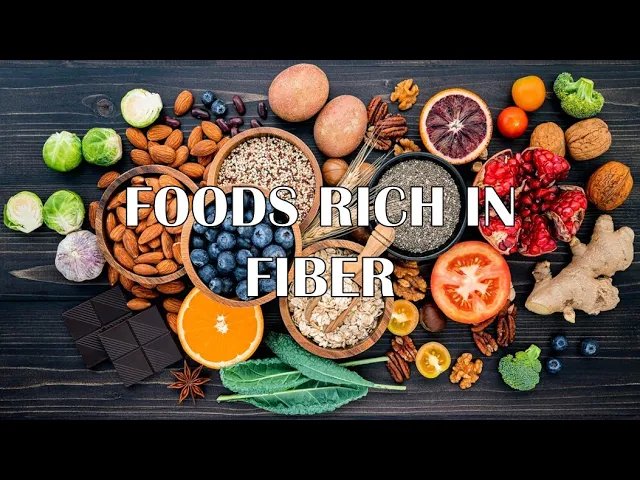
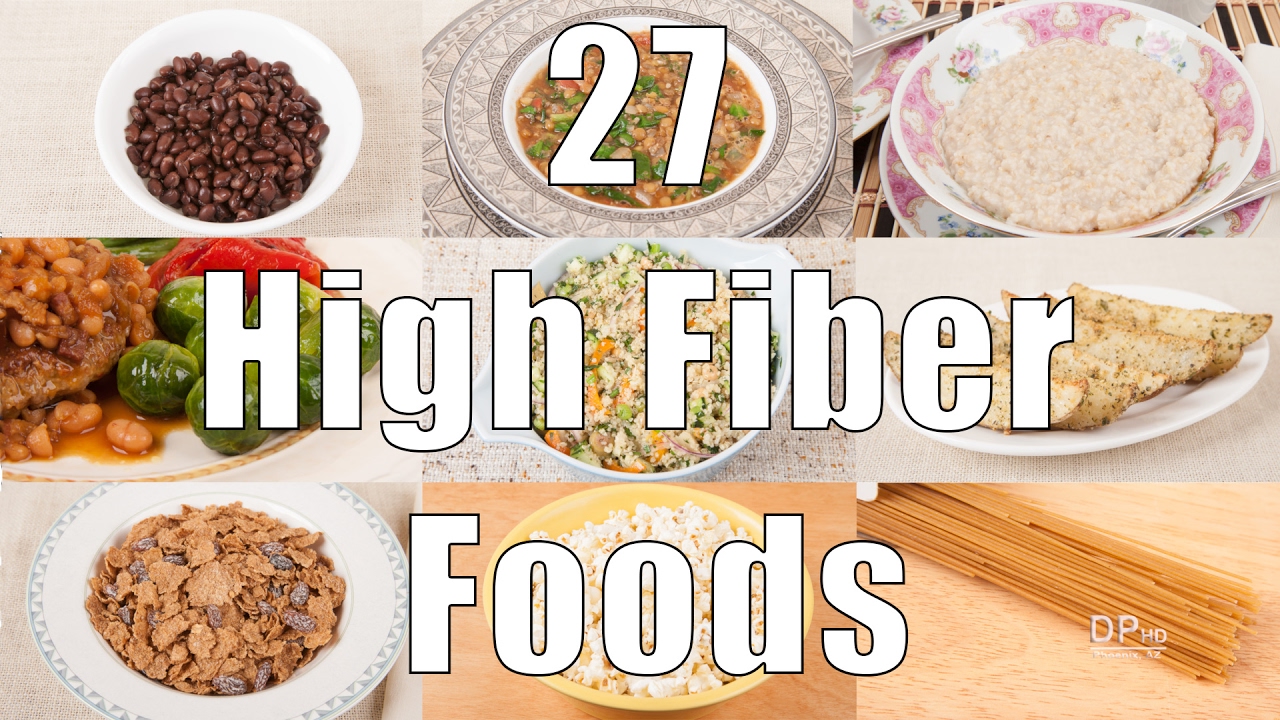
dietary fiber is the part of Plant foods that cannot be digested by the human body there are two types of fiber soluble and insoluble both types play important roles in maintaining good health insoluble fiber does not dissolve in water and adds bulk to stools which prevents constipation soluble fiber absorbs water forming a gel-like substance in the digestive system by doing so it reduces the absorption of cholesterol and sugar into the bloodstream which helps lower blood cholesterol and blood sugar respectively so in this video we are going to look at eight foods rich in fiber number
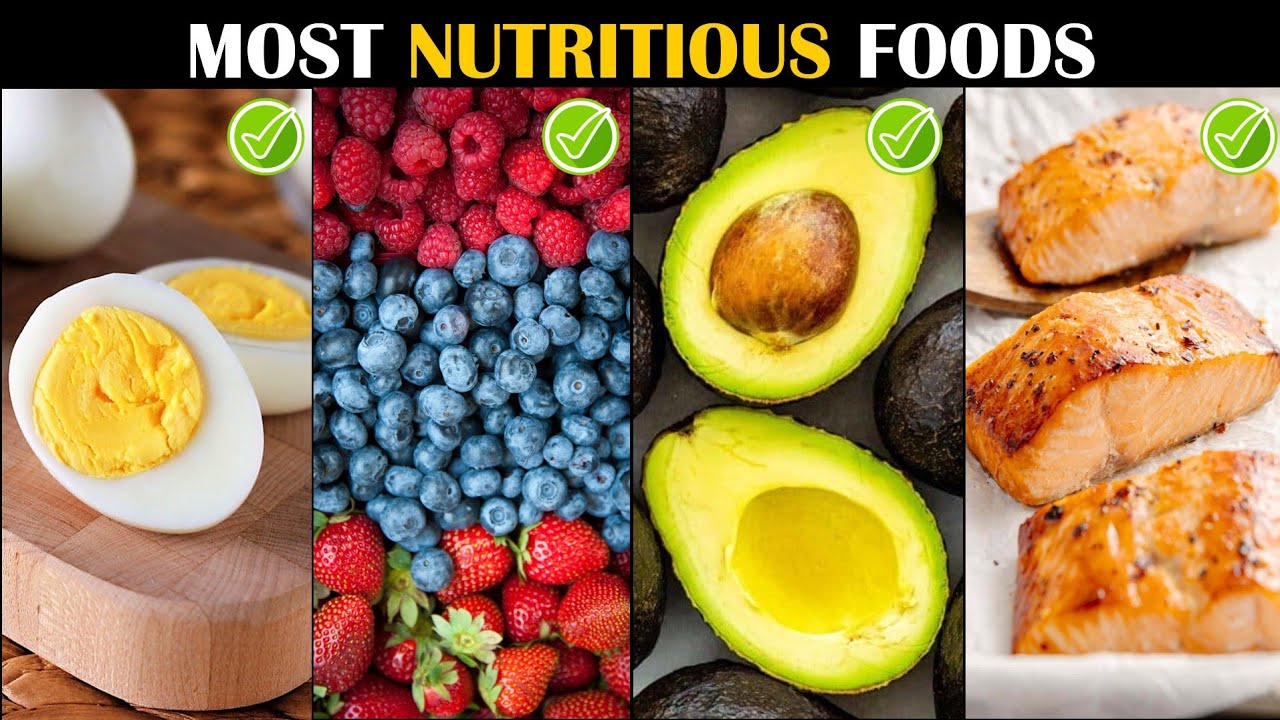
one avocado avocados are rich in healthy fats protein carbohydrates vitamin c e kb2 B3 B5 B6 folate and minerals like magnesium potassium copper and manganese a 100 grams sized avocado contains around 7 grams of fiber which is certainly a good amount they are also a rich source of plant-based antioxidants which fight against many chronic disease conditions number two beans beans are inexpensive simple to prepare and healthy a 100 gram serving of cooked beans provide approximately 16 grams of fiber which is a huge amount in addition to their great nutritional value beans have many other health
benefits such as promoting heart health and aiding and weight loss number three popcorn popcorn is one of the best snacks to eat if you want to increase your fiber intake air popped popcorn contain about 15 grams of fiber per 100 grams serving however it is important to keep in mind that if you add a lot of fat the fiber to calorie ratio will decrease significantly number four chia seeds chia seeds are highly nutritious containing high amounts of magnesium phosphorus and calcium they may also be the single best source of fiber on the planet because they
contain about 34 grams of fiber per 100 grams serving number five whole grains whole grains have been a part of the human diet for thousands of years eating whole grains is associated with various health benefits including a lower risk of diabetes and heart disease and a healthy blood pressure as an average value whole grains contain around 7 grams of fiber per 100 grams serving some varieties of whole grains include oatmeal Millet quinoa brown rice whole Rye wild rice bulgur and buckwheat number six berries berries are extremely popular for their antioxidant properties but they are rich
in fiber too just a cup of fresh blueberries provides approximately 4 grams of fiber blackberries strawberries and raspberries are also great sources of fiber number seven almonds almonds are a very popular type of tree nut they're very high in many nutrients including healthy fats vitamin E manganese and magnesium the fiber content in almonds is about 13 grams per 100 grams serving number eight dark vegetables such as broccoli brussels sprouts and kale dark vegetables provide good amounts of dietary fiber additionally they are rich in vitamin C vitamin K other B vitamins potassium iron and manganese finally
dark vegetables also have antioxidant properties which protect you from many disease conditions