(logo slams) (cheering) - [Bernard] My name is Bernard C. Jack Young, mayor of the great city of Baltimore. Imagine life without a reliable water supply, sewage, or wastewater treatment.
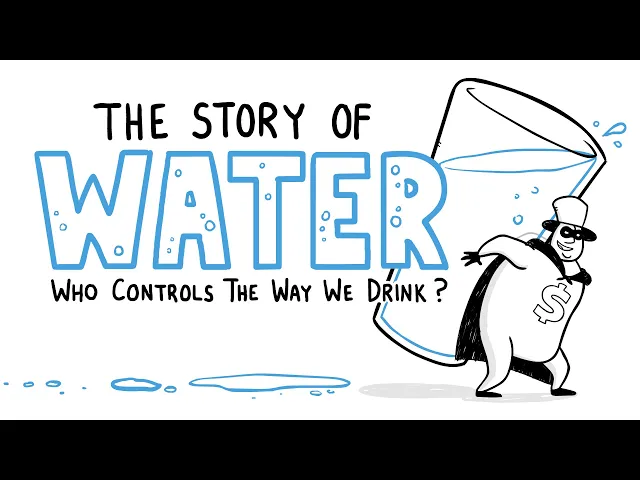
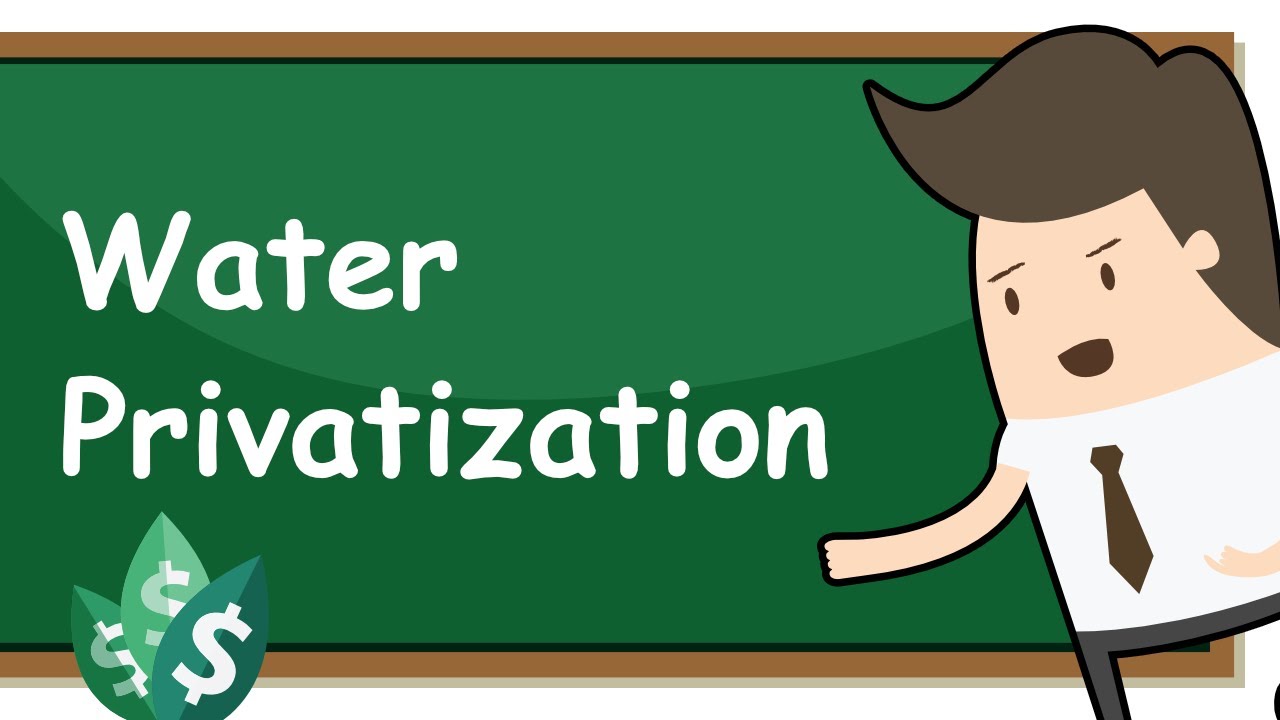
(thick fluid bubbling) You'll probably agree that access to clean, safe water is a human right, right? So why don't our elected officials seem to prioritize it? The federal government is investing way less in water services than ever before, thanks in part to the efforts of the private water industry.
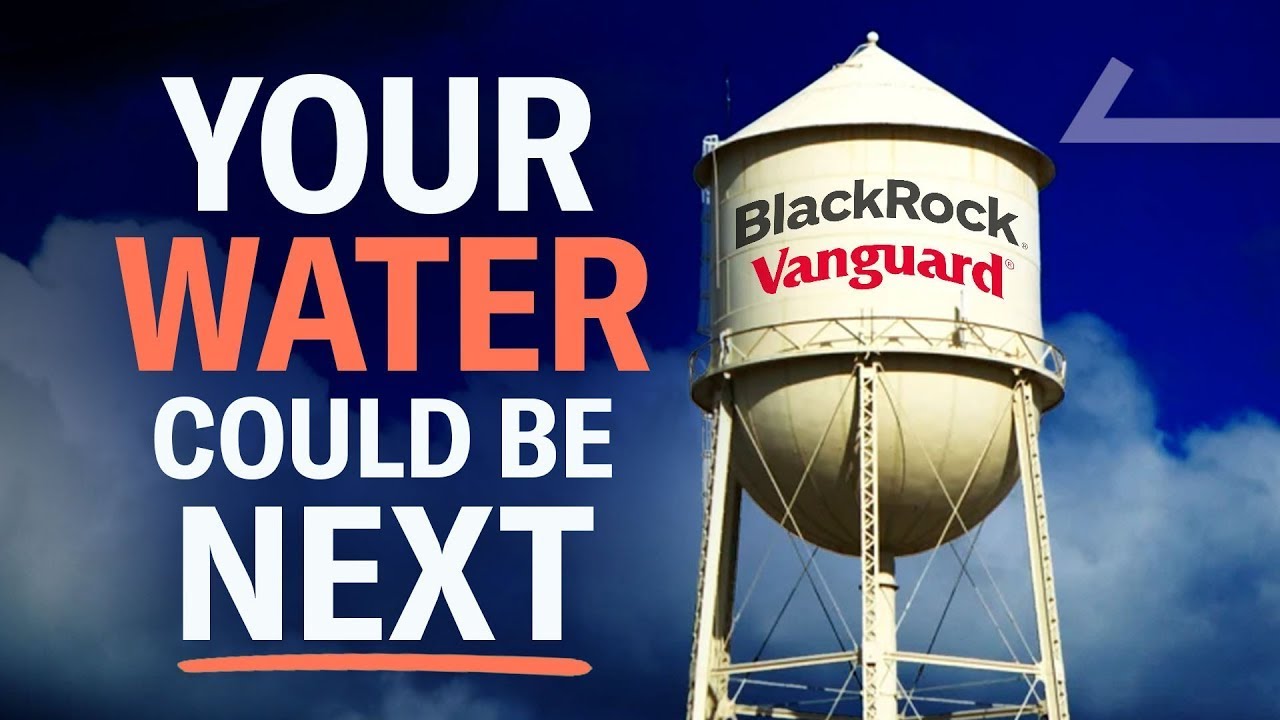
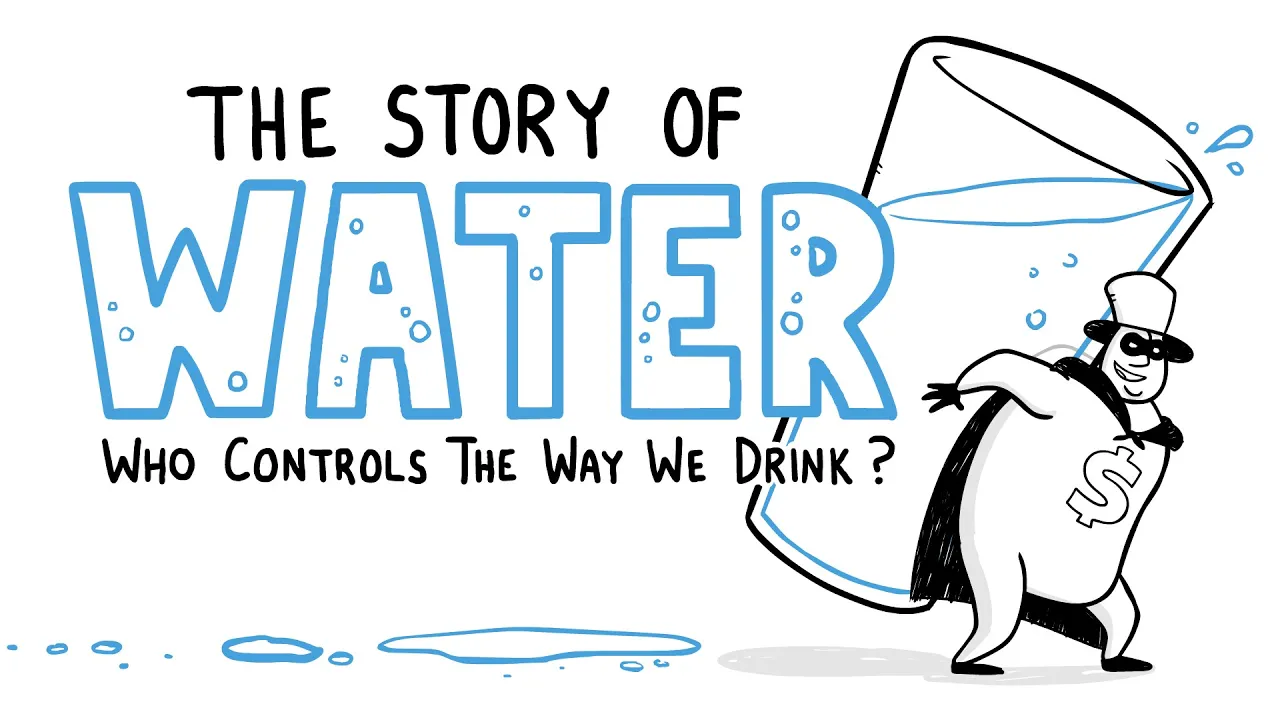
(cash register rings) While water is a public good that relies on public funds, so many cities across the US are facing significant water woes, short on dollars and stuck with aging infrastructure. These cities have become vulnerable to corporations. They swoop in with promises of new pipes and better services for their residents.
(cheering) All these cities have to do is turn over control of their public water system to a corporation that will run (laughing maniacally) them with little oversight. What could go wrong? A lot, as it turns out.
Corporations offer a variety of privatization schemes, promising they'll save city money, but when water is privatized, (gasps) water bills are often much higher than local government-owned utility rates. Corporations say they'll invest in our system and their service will improve, but cost-cutting to maximize their profit makes that impossible. Many systems experience frequent main breaks, service disruption, and even the drastic downsizing of workforces, meaning fewer jobs and people to keep things running safely.
(clanks) (water running) And those with the least ability to pay, they're hit hardest by water privatization. Higher income communities tend to have better access to services because they can afford rising rates which only heightens inequality. (military march drums playing) And what happens if a city wants to break free from a deal gone awry?
They often have to buy back their own infrastructure or pay millions of dollars in termination fees. (laughing ominously) But it doesn't have to be this way. (dings) Cities across the country are finding innovative new ways to publicly manage their water system so people come first, not profits.
Like Philadelphia, where 40% of households were unable to pay their increasing bills. They implemented something called a tiered assistance program where residents pay a price that's relative to their incomes. Now residents can afford essential water services and their infrastructure gets a much needed investment without turning to profit-driven corporations.
South Bend, Indiana also avoided privatization despite needing millions in system improvements. They integrated smart sewers that identify leakage areas and better manage the system, saving them $400 million, enough to keep public control. And my city, Baltimore, became the first US city to ban certain forms of privatization, making a long-term commitment to public water.
Let's spread the word about the hundreds of successful public water solutions being tested around the country. We know what really happens when a city turns over this precious resource to corporations. Let your local official know that you support public water solutions and urge your Congress members to reinvest in our water systems nationwide.
Let's send a message that water is a public good (cheering) and should not be privately controlled. Keep our water system in public hands.