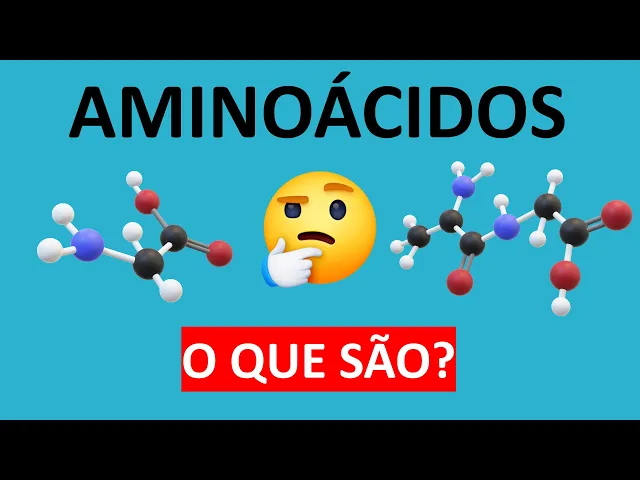
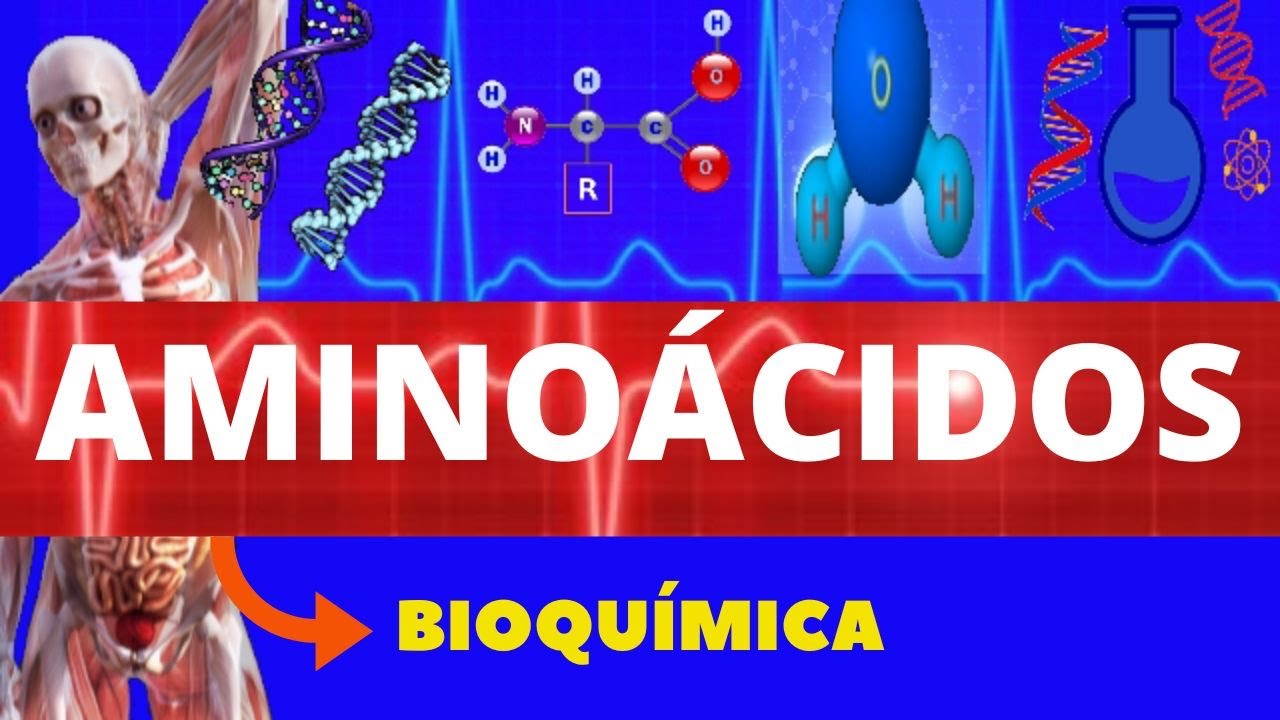
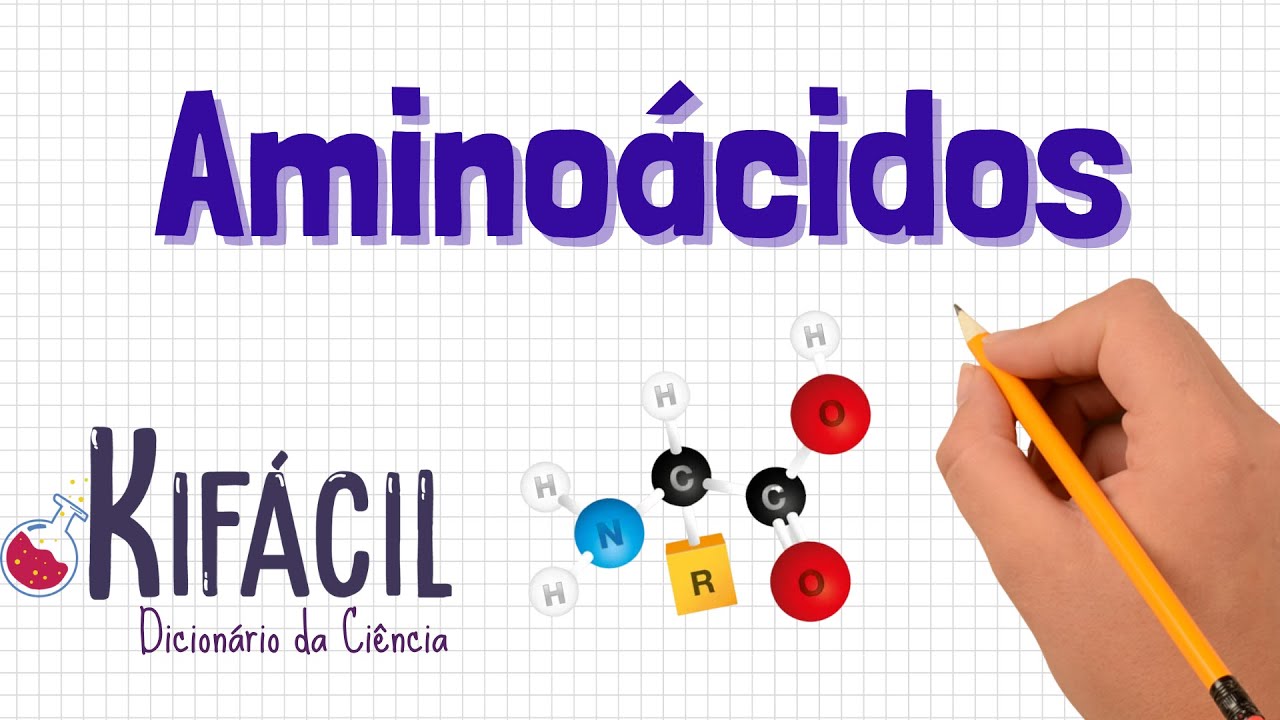
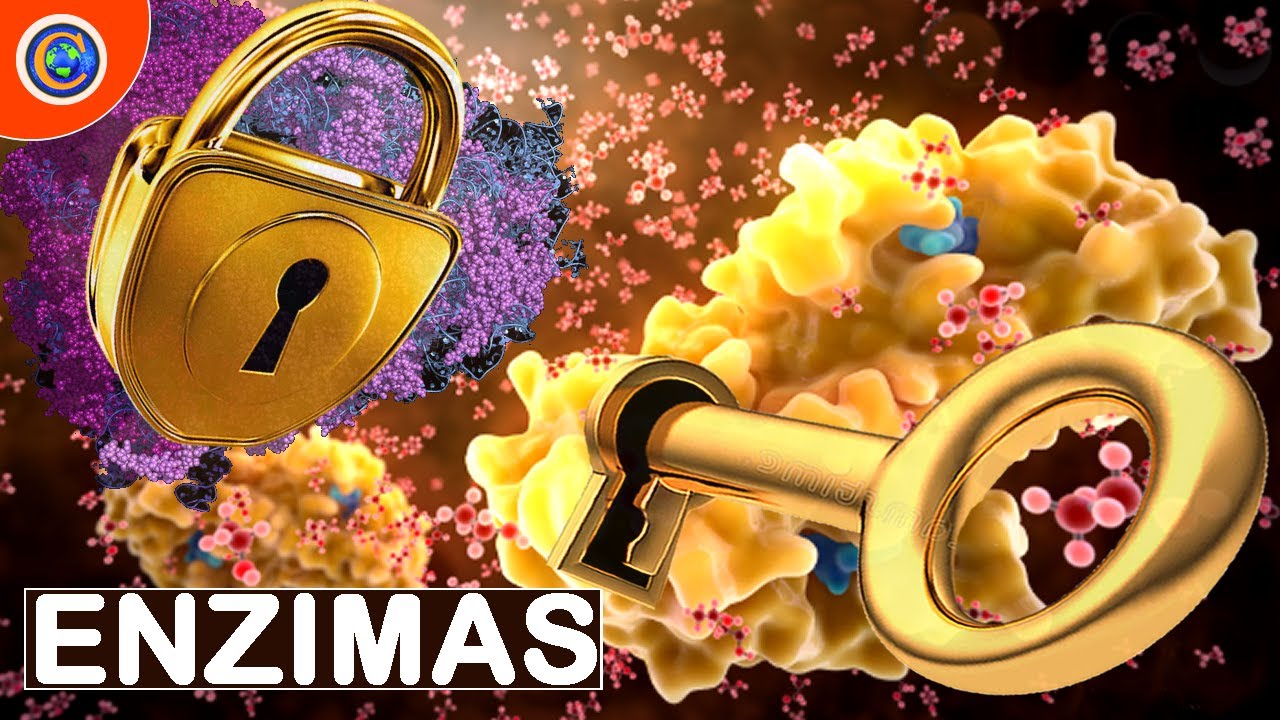
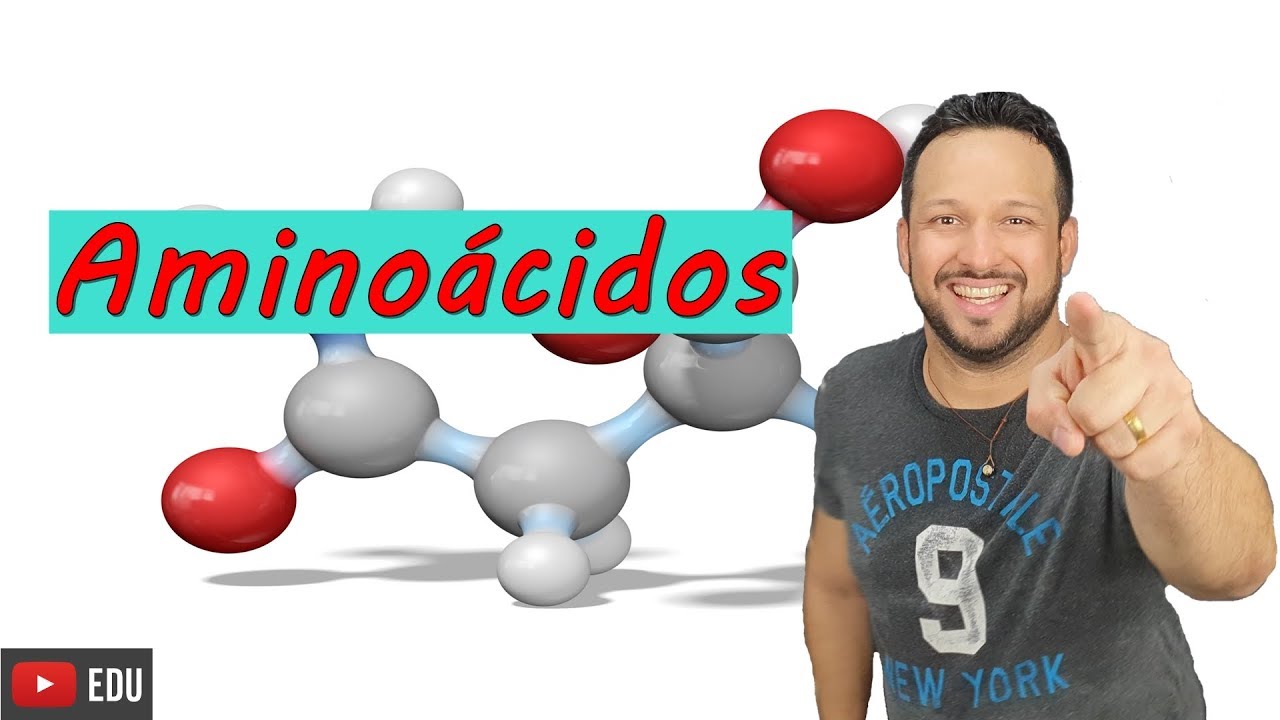
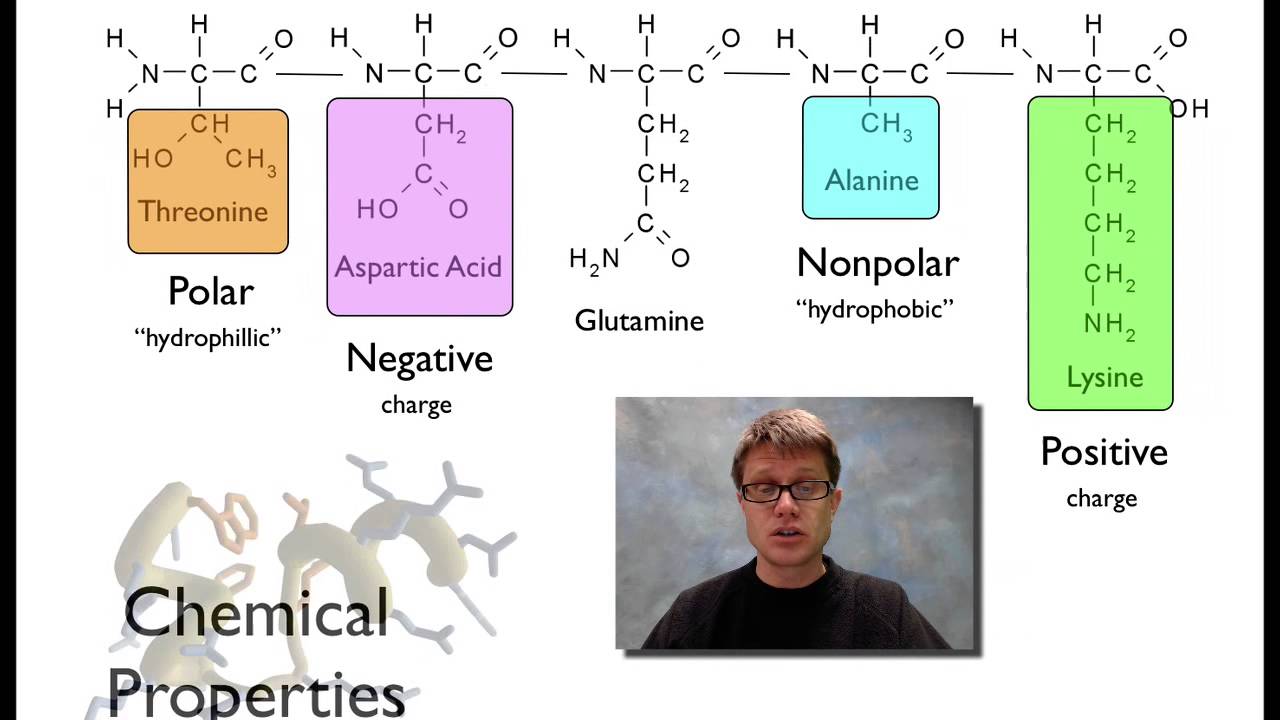
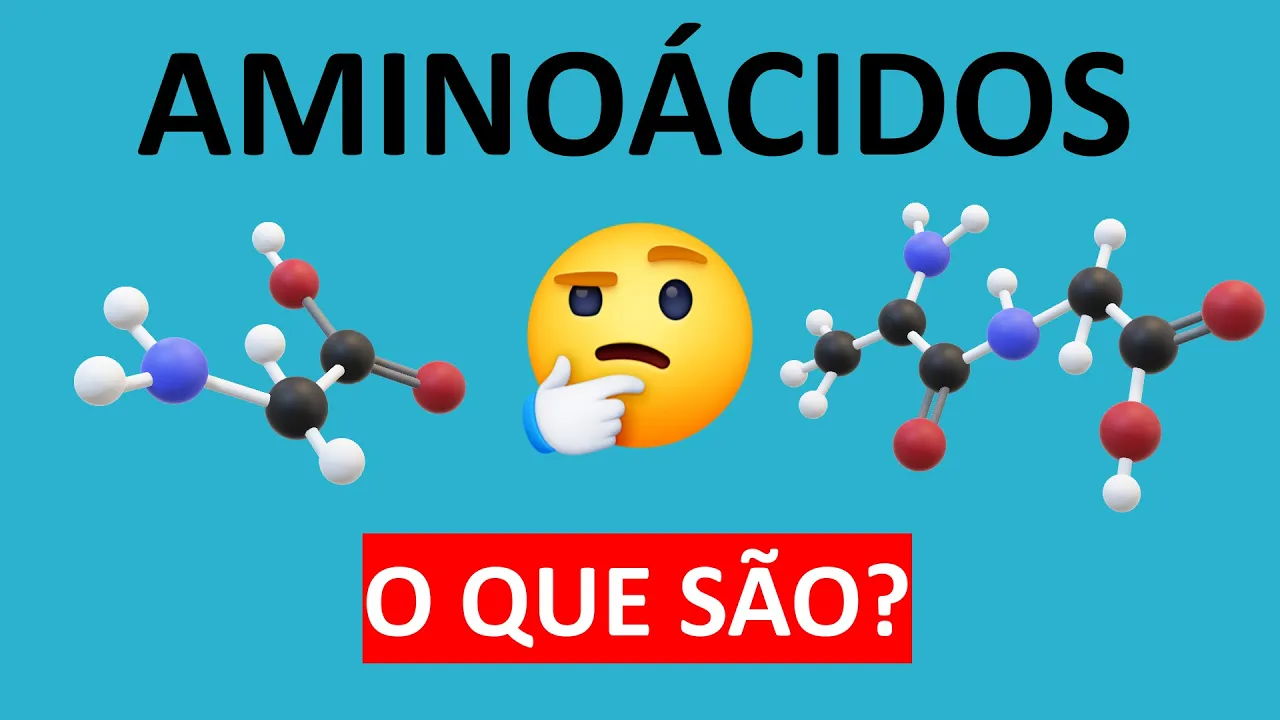
proteins are vital organic compounds found in all beings on Earth enzymes for example are proteins that command cellular metabolism and make cells be as they are there is no known biological process that does not involve a protein proteins are formed by amino acid molecules amphoteric in nature, that is, capable of reacting with an acidic or basic behavior, this property derives from two organic groups present in the structure of an amino acid, the carboxyl group responsible for the acidic character of the molecule and the Amine group responsible for the basic character, hence the name amino acid. have an amine group and a carboxyl group. In addition, they must have at least two carbons in their structure and can have different radical groups attached to the Alpha carbon than the one that binds to the functional groups.
The radical groups, also known as side chains, are what differentiate amino acids There are 20 types of radicals that can bond to carbon alpha and an amino acid, so there are 20 different types of amino acids proteins are polymers of amino acids the units of a polygon are called monomers in this video the monomers will be represented as a sphere each amino acid corresponds to a number between two amino acids a reaction can occur of condensation between the carbon of the carboxyl group and the nitrogen of the Amino group for this to happen it is necessary for dehydration to occur, that is, the release of a water molecule after dehydration the amino acids are left with atoms with free valence when the valence is free of the carbon of an amino acid finds valence free nitrogen of another amino acid a covalent bond occurs between them the peptide bond the reaction between two or more amino acids gives rise to a molecule called peptide in this specific case a dipeptide a new organic group also appears in the molecule formed as result of the amide group reaction. The fusion of two or more numbers like amino acids results in a dimer. Thus, several amino acids can be linked in an ever-increasing chain, increasing the level of complexity of the molecule.
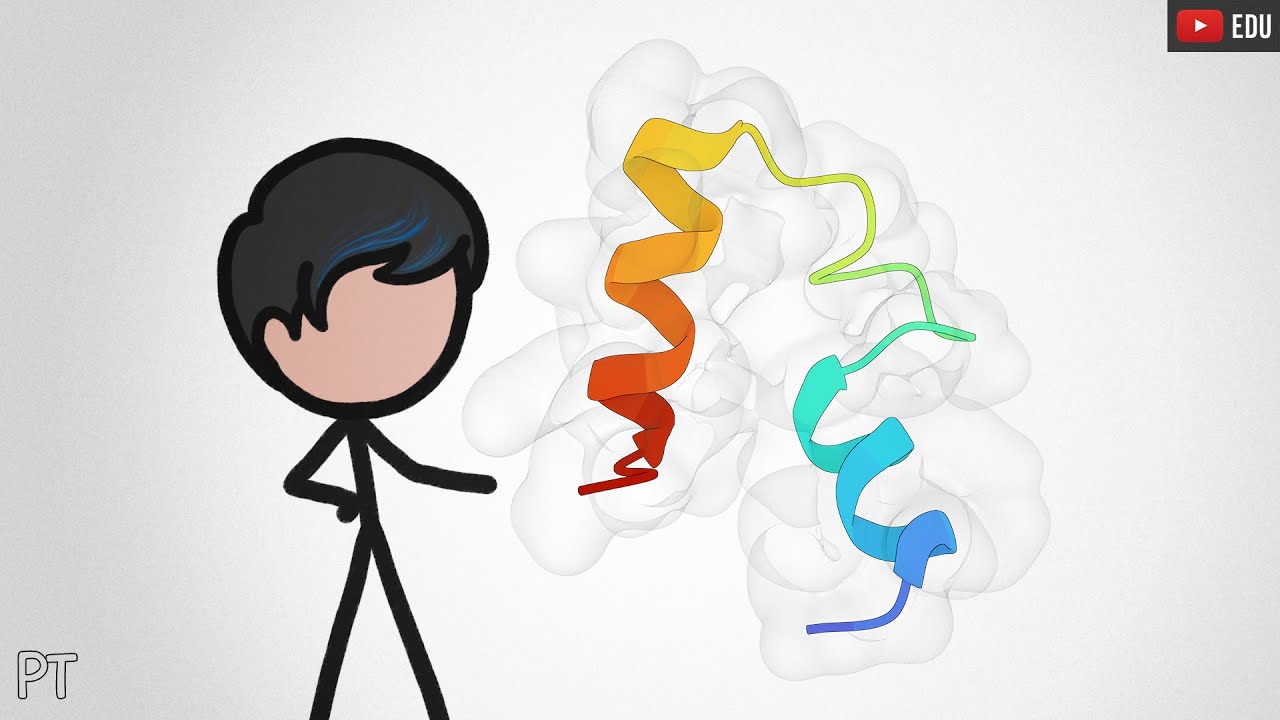
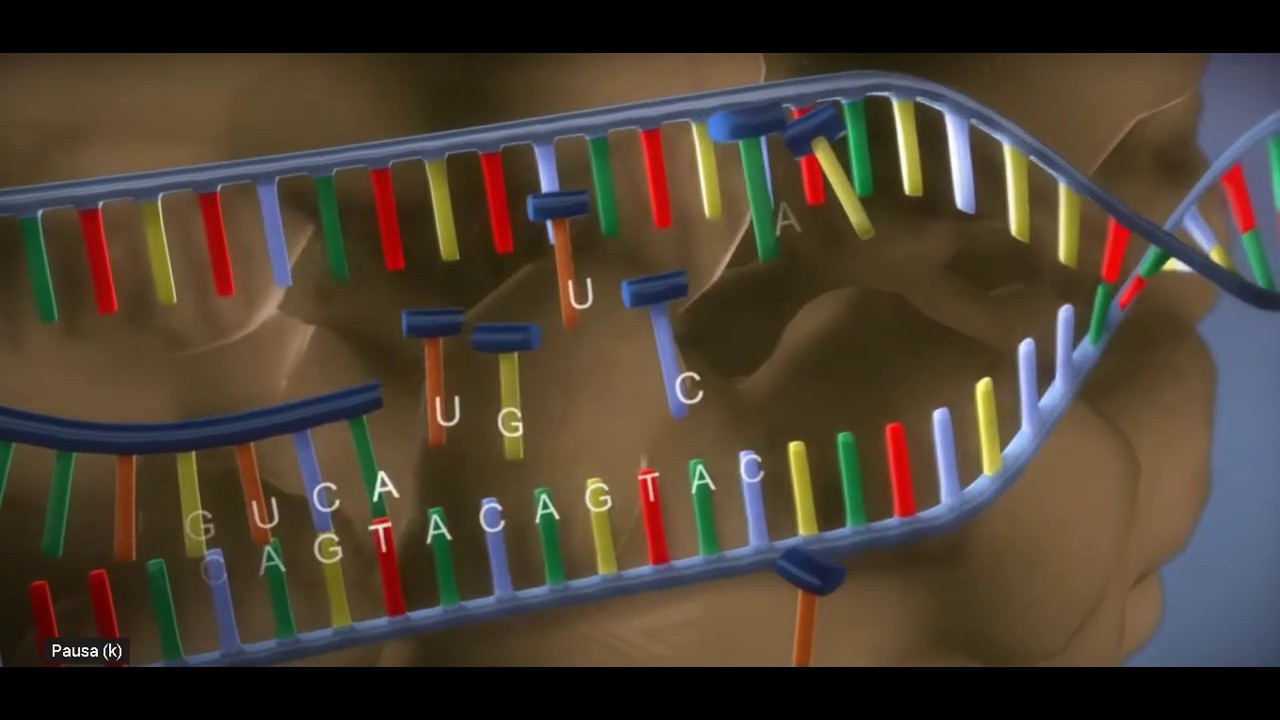
The types of amino acids and the sequence in which they are chained determine the characteristics of a protein and this sequence is determined by DNA through the genetic code as we'll see in a later video. This is the first video in a series on protein synthesis to accompany the continuation of this series. Subscribe and turn on channel notifications, until next time!