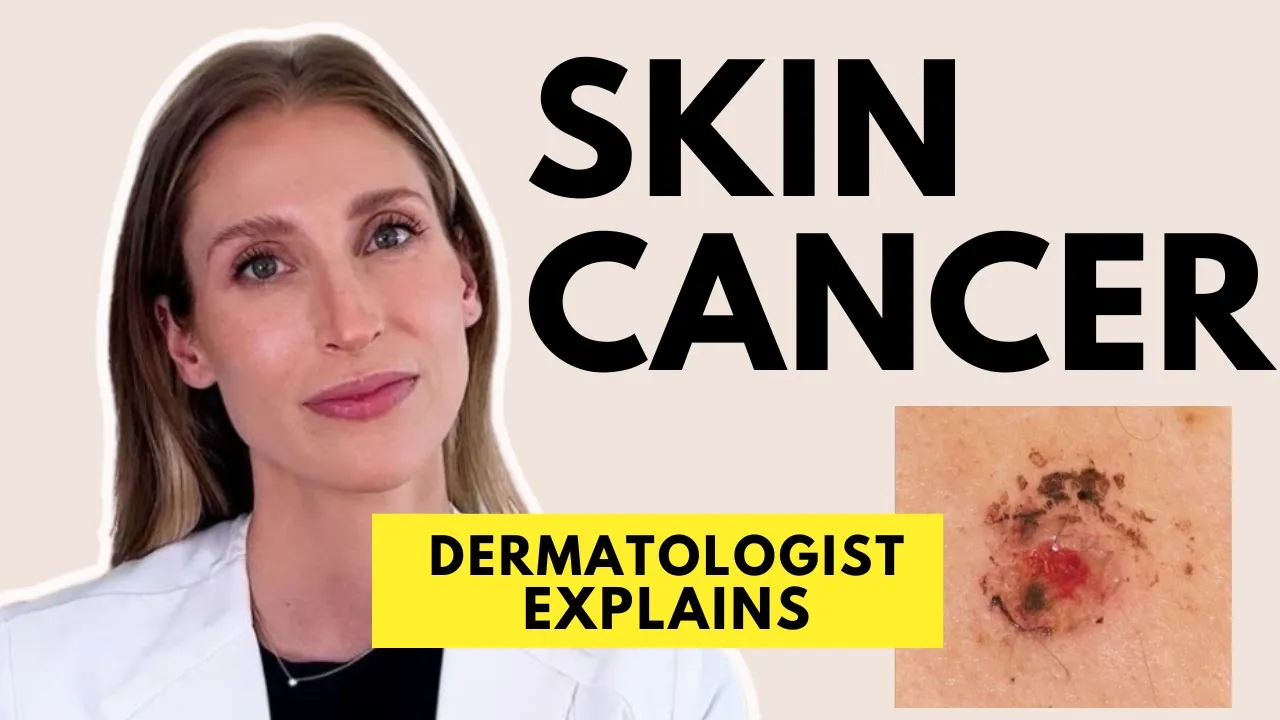
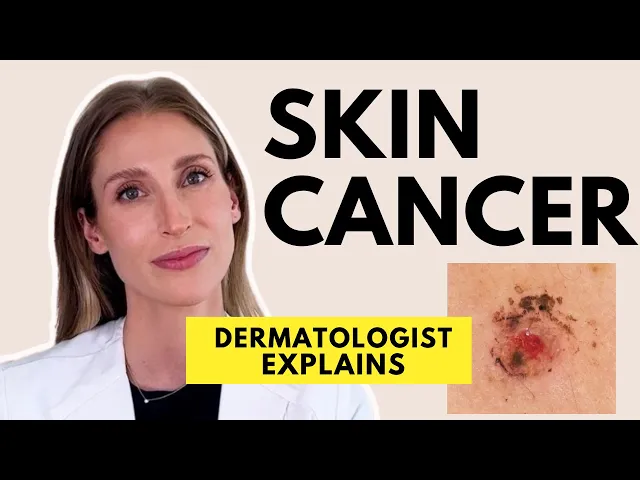
did you know that skin cancer is not only the most common type of cancer in the united states but also the most common type of cancer worldwide but when it comes to understanding skin cancer it can be a little bit overwhelming and kind of confusing so today i am breaking down skin cancer for you so you can understand it better if you're new here i'm dr sam ellis and i'm a board certified dermatologist i'm here to help you understand your skin and find products that work for you if that sounds good give this video a
thumbs up and don't forget to subscribe i wanted to make this video to not only raise awareness about skin cancer but also to serve as a resource if you've been diagnosed with a skin cancer or have a loved one that's been diagnosed the concept of cancer can be scary and overwhelming and sometimes having a little more information can be really helpful i'll be discussing the causes of skin cancer how to prevent it how to identify skin cancer on your skin as well as treatments very generally speaking skin cancer refers to the abnormal growth of cells
within your skin and there are different types of skin cancer based on which type of skin cell within your skin is misbehaving today i'm really going to focus on the three most common types of skin cancer because that's what dermatologists see in their clinic on a day-to-day basis and they're things you can really keep an eye out for at home so those are basal cell carcinoma also known as basal cell skin cancer squamous cell carcinoma also known as squamous cell skin cancer and melanoma i'm going to start out by talking about basal cell carcinoma this
is the most common type of skin cancer in fact one in five americans will get diagnosed with a basal cell carcinoma in their lifetime basal cell carcinomas really show up in skin that has chronically been exposed to the sun and instead of looking like that dark changing pigmented growth that a lot of us think about when we think of traditional skin cancer basal cell carcinomas tend to look like pink bumps or pink scaly patches sometimes they're just a little area that looks like it's bleeding or not healing for a while so they can be really
subtle the good news about basal cell carcinoma is that it is really not an invasive skin cancer it does not tend to move to lymph nodes or other organs and it doesn't affect someone's life expectancy if someone is diagnosed with a basal cell carcinoma it does need to be fully removed from the skin and i'll talk about ways we do that later on in this video because if you leave a basal cell carcinoma in place it will continue to grow in place and destroy the surrounding tissue so the earlier you catch these the less tissue
you need to remove to cure someone of their basal cell skin cancer and that's really true of all types of skin cancer the earlier they're detected the easier they are to cure the second most common type of skin cancer is squamous cell carcinoma and very similar to basal cell carcinoma it tends to show up in areas that have been chronically exposed to the sun some types of squamous cell carcinoma are also associated with hpv or the human papilloma virus that's the virus that causes warts so you can get squamous cell carcinomas in places the sun
does not shine like on the fingernails in the genitals and inside the mouth the vast vast majority of squamous cell carcinomas are detected when they are small and if they are removed early they don't really have potential to cause long-term problems however large squamous cell carcinomas those that are bigger than two centimeters or ones that are penetrating deep or are attached to an underlying nerve in the skin do have the potential to metastasize they can move to lymph nodes and organs and people can die of metastatic squamous cell carcinoma the third and final type of
skin cancer i'm going to discuss in this video is melanoma and melanoma accounts for about one percent of all skin cancers diagnosed in the united states melanomas originate from the melanocyte which is the pigment producing cell within our skin which is why most melanomas are dark brown or black however you can have pink melanomas too it's thought that about a third of melanomas come from a pre-existing mole meaning you have a mole on your skin that's been fine for many years and then it begins to change and that is a sign that it may have
developed into a melanoma but the majority of melanomas come out of nowhere they just start growing and they are in melanoma from the start although excessive sun exposure is a very big risk factor for developing melanoma people who don't have a lot of sun exposure can also get melanomas and that's because melanoma has a strong genetic component and it's why i always ask my patients if they have a family history of melanoma skin cancer one thing a lot of people don't know about melanoma is that it doesn't just develop on the skin you can get
melanoma in the eye in the urinary tract in the vagina and in the gi tract as well in men the most common place that you'll see a melanoma is on the upper back but in women it's on the lower legs and it's why it is so important to do a full body skin exam of yourself periodically to look for new or changing growths melanoma can develop on people with any skin tone but those with darker skin don't tend to develop sun induced melanomas but they can still get melanoma and they tend to be on the
palms and on the soles and involving the nail a lot of people don't know this but bob marley actually died of metastatic melanoma that started on his foot which brings me to my next point which is that melanoma has the potential to be a very deadly skin cancer there are different subtypes of melanoma and the ones that have the best prognosis are the ones that are very thin meaning that they only involve the very top layer of the skin the deeper the melanoma is at the time of diagnosis the higher the chance that it has
metastasized to lymph nodes or other organs and the higher chance of death if a melanoma is detected really early and it hasn't penetrated deeply into the skin it just needs to be removed similar to a squamous cell carcinoma or a basal cell carcinoma once it's excised from the skin the chance that that melanoma causes problems down the road is very very low if however the melanoma is deep at the time of diagnosis then usually additional testing needs to be done oftentimes the lymph nodes are evaluated to make sure that the melanoma has not spread when
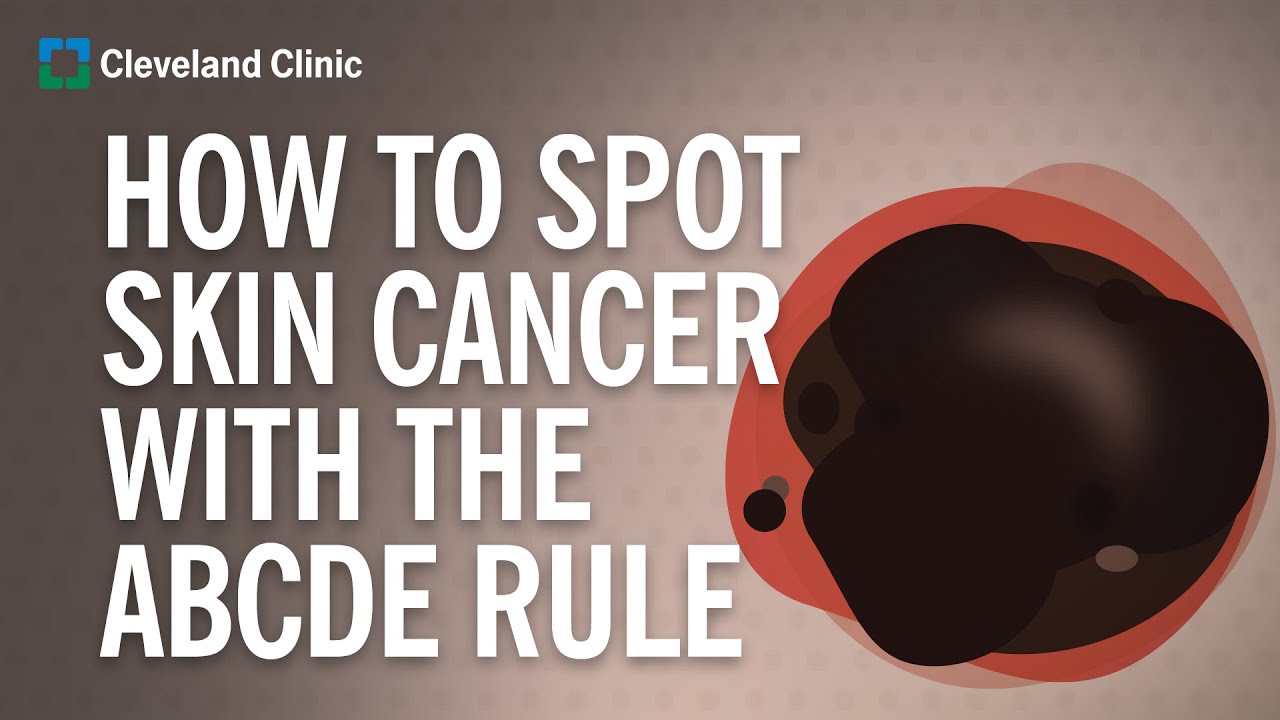
dermatologists teach their patients about what to look for when diagnosing melanoma we often talk about the abcd and ease of melanoma a stands for asymmetry meaning that if you are looking at a growth on your skin and both sides or both halves of the growth don't match it is asymmetrical b stands for border and this can mean a few different things one is an uneven or irregular border or a border that is very well or sharply demarcated on one side and tends to look a little fuzzy in other places so if the border is not
consistent that can be a sign of a melanoma c stands for color and you're really looking for two or more colors within a growth melanomas can be brown black pink white blue or gray d stands for diameter and you're really looking for a growth that has a diameter larger than six millimeters or the size of a pencil eraser this doesn't mean that any mole that's larger than six millimeters is going to be a problem and in fact the vast majority of growths on your skin that are larger than six millimeters are not going to be
a skin cancer but six millimeters is really where we start getting concerned that being said you also can have melanomas that are only one or two millimeters in size which is why diameter is not the only criteria we're looking at and finally e which stands for evolving so looking for a mole that is changing next let's talk about the risk factors for developing a skin cancer having fair skin and having the inability to tan absolutely puts you at higher risk so if you're one of those people that starts with pale skin and goes to sunburn
and then back to pale without any bronzing or browning of the skin you are definitely at higher risk of developing a skin cancer also people with red or blonde hair or people who have light colored eyes so green or blue eyes are also at higher risk excessive sun exposure of course is a risk factor for skin cancer and this doesn't just mean sunburns although sunburns are a risk factor but also chronic low-grade sun exposure over long periods of time so if you grew up in a sunny climate or you played lots of outdoor sports or
had a job like farming or in agriculture or a pilot or you used tanning beds all of those things can increase your risk of skin cancer too other external factors can also increase your risk of skin cancer so if you are on immunosuppressive medications you can have a higher risk of developing squamous cell carcinoma also if you have a history of radiation or arsenic exposure that can also increase your risk and then when it comes to melanoma skin cancer specifically if you have over 50 moles or have many atypical looking moles on your skin or
many large moles on your skin or if you have a family history of melanoma those will all increase your risk of melanoma now if you're reflecting on that list of risk factors and going huh i don't really have a lot of control over a lot of those things you are totally right the main thing that you can control when it comes to preventing skin cancer is your history of sun exposure and i don't want you or my patients living in fear of the sun i want you to be able to enjoy outdoor activities and enjoy
your life but just have a healthy respect for what the sun can do so let's talk a little bit about prevention one we are going to limit midday sun exposure if there is an activity that you can do outside the hours of 10 a.m to 4 p.m that's great because 10 a.m to 4 p.m is when the sun rays are the most intense and you have the highest uv exposure next try to get in the habit of wearing sunscreen every day this really limits your kind of chronic low-grade sun exposure and in case you've heard
somewhere on social media that sunscreen causes skin cancer just put that thought out of your head there is literally no data to show that sunscreen causes skin cancer that's like saying flossing causes cavities not only is it totally false it's literally the opposite of the truth i know sometimes it can be hard to wear sunscreen or reapplication isn't really feasible or it's annoying and that's where sun protective clothing comes in so wide brim hats long sleeves long pants when you're able to will help protect your skin without having to rely exclusively on sunscreen also you
absolutely want to avoid tanning there is no such thing as a healthy tan and a tan is truly a sign of skin damage just one indoor tanning session increases your risk of developing melanoma before the age of 35 by 75 and lastly if you have some risk factors for developing a skin cancer go and get a full body skin exam by a dermatologist early detection is essential and they can really help guide you in terms of what to look for but also maybe find things on your body that you're not even aware of yet when
it comes to making a formal diagnosis of skin cancer what a dermatologist will do is they will biopsy the spot on your body so they will numb up the area of skin that they are concerned about and take a small sample and send it to a pathologist to look at under the microscope that pathologist is going to evaluate the skin they removed for any atypical cells and then report that back to the dermatologist if there are atypical cells then the diagnosis of skin cancer and the specific type of skin cancer can then be made and
then treatment can be pursued treatment is going to vary based on the type of skin cancer it is as well as the subtype of skin cancer it is so a basal cell carcinoma may be treated one way if it's very superficial in the skin but may be treated another way if it's deep or if it's a more aggressive subtype of that basal cell carcinoma same goes for squamous cell carcinoma and melanoma not all skin cancers are treated the same way it's very much tailored to the very specific diagnosis as well as to the patient and
maybe other things that they have going on in their life or their other medical conditions for example some non-aggressive and superficial forms of basal cell carcinoma and squamous cell carcinoma can be treated with a topical chemotherapy cream this involves applying a destructive cream to the skin for several weeks in a row in order to wipe out all the cancerous cells in the skin there are also some forms of basal cell carcinoma and squamous cell carcinoma that are amenable to destruction meaning you can scrape out the skin cells from the surface of the skin and burn
the base of that cancer or even use cryotherapy so really cold liquid nitrogen to destroy the skin cancer if a skin cancer can't be treated with less invasive options like a chemotherapy cream or a destructive method that's when excision of the skin cancer becomes the treatment and that is probably the most common way that we treat skin cancers by cutting them out of the skin for most skin cancers once it is treated with chemotherapy cream or scraped or destroyed out of the skin or excised out of the skin that's the end of that skin cancer
it doesn't cause problems moving forward however if the skin cancer has metastasized meaning that it has moved to your lymph nodes or other organs at the time of diagnosis then in addition to having the skin cancer excised from the skin you also may need something like chemotherapy or immunotherapy to treat the cancer that is spread throughout the rest of the body but again this is very rare as a dermatologist i diagnose and treat skin cancer many times a day so i'm very used to having these conversations with patients and you should know that if you're
diagnosed with a skin cancer your dermatologist will be there for you not only to help you make the diagnosis but also guide you through and perform your treatment and that is your introduction and overview of skin cancer what questions do you have about skin cancer put them in the comments below and i will do my best to answer all of them don't forget to like this video subscribe to the channel share this video if you found it helpful and i'll see you next time [Music] you



![Squamous Cell Cancer [Dermatology]](https://img.youtube.com/vi/DYHImpEuAVM/maxresdefault.jpg)