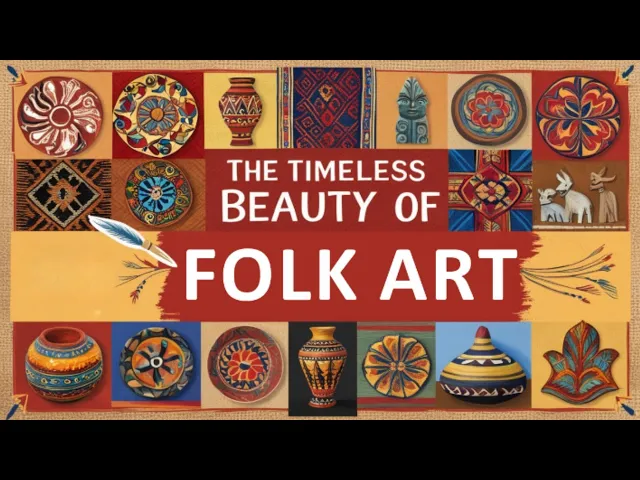
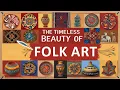
you might not realize it but folk art is woven into the very fabric of the world we live in today from the simplest handcarved figurine to the elaborate colorful quilts of old folk art carries stories that span Generations it's not just art it's a celebration of culture identity and craftsmanship that can connect us to the Past even in the modern world let's take a journey together through time and across the globe uncovering the roots of folk art we'll explore how this vibrant tradition emerged how it adapted and how it continues to impact us today you'll
come to see that folk art isn't just about decoration it's about people places and stories that have shaped our lives The Roots folk art began as the art of everyday life it wasn't about impressing galleries or following Trends it was about necessity tradition and personal expression the earliest examples of folk art can be traced back to ancient cultures where people created objects for practical use but these objects were never just functional they were beautiful too reflecting the uniqueness of the culture they came from take for example the pottery of ancient Greece while it served a
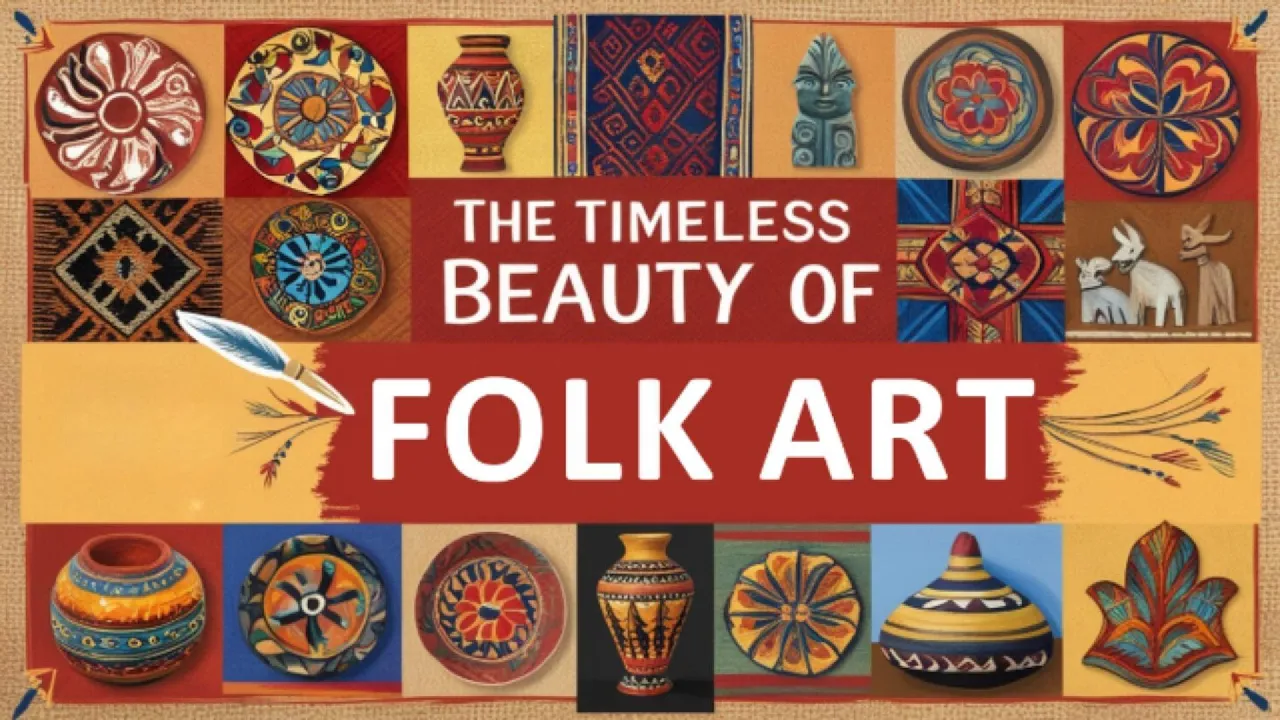
practical purpose it also carried intricate designs and storytelling motifs telling stories of gods Heroes and daily life this was Art meant to connect with others and carry meaning far beyond its use folk art in different cultures folk art flourished across the globe each region putting its unique stamp on the tradition in Mexico vibrant colors and intricate patterns characterize the famous taliva Pottery which is still made today using techniques passed down for Generations the designs were originally influenced by Spanish colonization but evolved into something distinctly Mexican representing both the indigenous culture and the blending of European
influence in Scandinavia particularly in Norway and Sweden folk art took the form of painted wooden furniture and decorative items these items were crafted by peasants Often by hand to make their homes more beautiful despite the Simplicity of these objects they were vibrant with color and many featured floral patterns or scenes from everyday life in Africa folk art was incredibly diverse and integral to the spiritual and cultural life of various tribes masks carvings and textiles weren't just artistic they were ceremonial objects used to honor deities Celebrate life cycles and symbolize societal values The Craft was an
expression of the community's identity with each piece representing a unique story that could be read through symbols and Designs the transformation as the world entered the Industrial Revolution in the 19th century folk art experienced a shift while mass production of everyday items increased many began to feel that the soul of craftsmanship was being lost in the machine this prompted a reaction from the growing middle class and artists known as the Arts and Crafts movement led by figures like William Morris in England this movement sought to bring the handmade back to the Forefront and rejected the
impersonal nature of mass-produced goods the Arts and Crafts movement was all about the beauty of Simplicity and function much like folk art itself it aimed to revive traditional crafts like weaving metal work and wood carving but it also brought new attention to the beauty in everyday items in a time when factory made Goods flooded the market these artists saw value in the history and personal touch that folk art represented in the US this was a time when folk art began to develop a more distinct identity with the blending of cultures from Europe Africa and the
Americas New forms of folk art emerged from Amish quilts to Appalachian wood carvings these art forms connected people to their Heritage and provided a sense of pride in their communities folk art was seen not just as a relic of the past but as a living tradition folk art in America one of the most iconic examples of American folk art is is the quilt quilting was originally a practical skill but over time it became a true art form each Stitch each pattern told a story of the Maker's life the community and even the larger social context
of the time the famous crazy quilts of the 19th century which combined random and often Whimsical patterns reflected a personal approach to Artistry that was unique to the maker The Works of folk artists in America continued to evolve in the 20th century as artists such as Grant Grandma Moses became household names Grandma Moses born Anna Mary Robertson Moses began painting in her late' 70s and became one of the most beloved figures in American art her paintings often depicted rural scenes with vibrant Landscapes and depictions of everyday life despite having no formal training her work resonated
deeply with people across the country and her art continues to inspire Oak art in the modern world today folk art continues to evolve and Inspire new generations of artists while many artists still work with traditional techniques folk art has also adapted to the modern world contemporary folk artists often combine traditional methods with modern materials creating new forms of art that speak to today's issues experiences and hopes think of street art for example while it's often viewed as modern graffiti street art has many of the same qualities as traditional folk art it's personal it's often a
form of protest or expression and it's deeply connected to the place where it is created street art might be more ephemeral than a carved wooden mask but it's no less an expression of the artist's connection to the world around them one of the most exciting things about folk art in today's world is its growing influence in mainstream Art and Design museums are increasingly showcasing folk art alongside more traditional art forms high-end fashion brands and interior designers are incorporating folk art inspired motifs into their collections what was once seen as a quaint rural craft is now
recognized as a powerful and Timeless form of artistic expression the power of folk art what makes folk art so powerful is its ability to connect us each piece tells a story whether it's a handp painted plate from Mexico a carved mask from Africa or a painted wooden chair from Scandinavia folk art reminds us that art isn't just for museums or galleries it's something that belongs in our homes our hearts and our everyday lives folk art is about culture about identity and about remember in where we came from it's not about perfection or technique it's about
passion creativity and connection it's about the person behind the artwork the community they're part of and the way their art transcends time and place and this is where folk art connects deeply with us as viewers it reminds us that we all have our own stories our own voices and our own Creative Expressions waiting to be shared why folk art matters as we look back on the long and diverse history of folk art it's clear that it isn't just about beautiful objects folk art is a mirror of humanity it reflects our Joys our struggles our beliefs
and our hopes it's a universal language that transcends borders and connects us all in today's world where technology and mass production can sometimes disconnect us from our Roots folk art reminds us to stay grounded it invites us to reconnect with the handmade with the personal and with the stories that make us who we are whether you're admiring a quilt a wooden carving or a piece of street art you're witnessing a legacy of creativity community and culture that continues to thrive so next time you encounter a piece of folk art remember you're not just looking at
an object you're looking at a story and maybe just maybe it's a story that will make you feel more connected to the world around you to the people who created it and to the history that shaped it what's your favorite piece of folk art do you have a story behind a handmade item that's been passed down through generations drop a comment below and let's keep this beautiful tradition of Storytelling alive and don't forget to subscribe for more fascinating Journeys into the history and art that shape our world