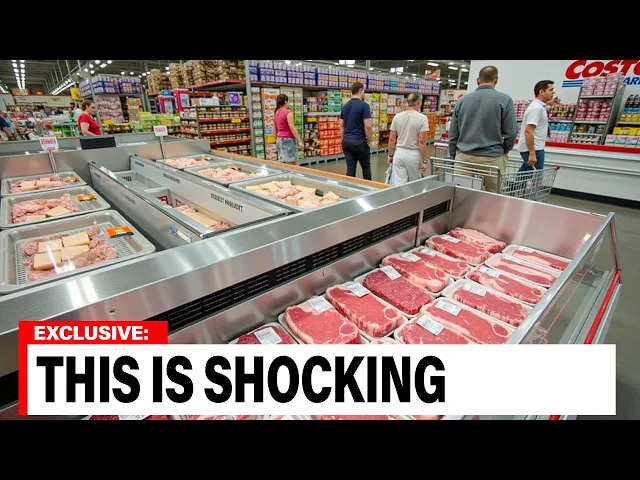
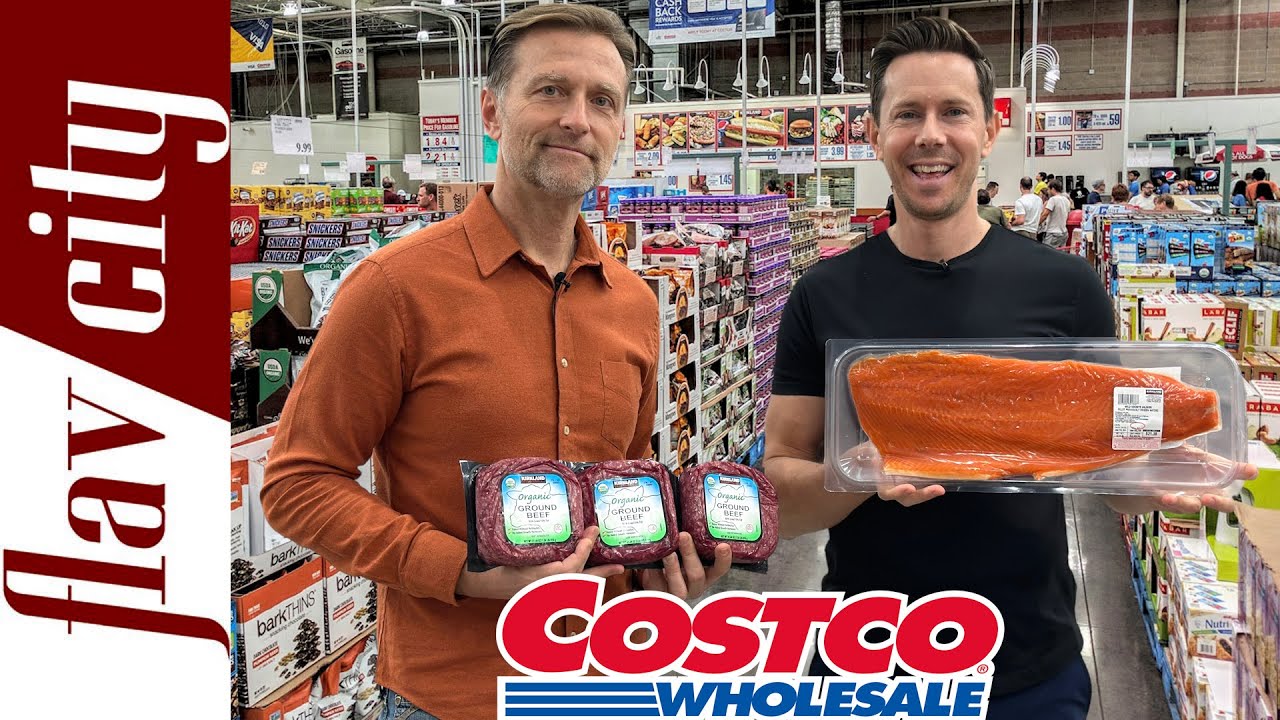
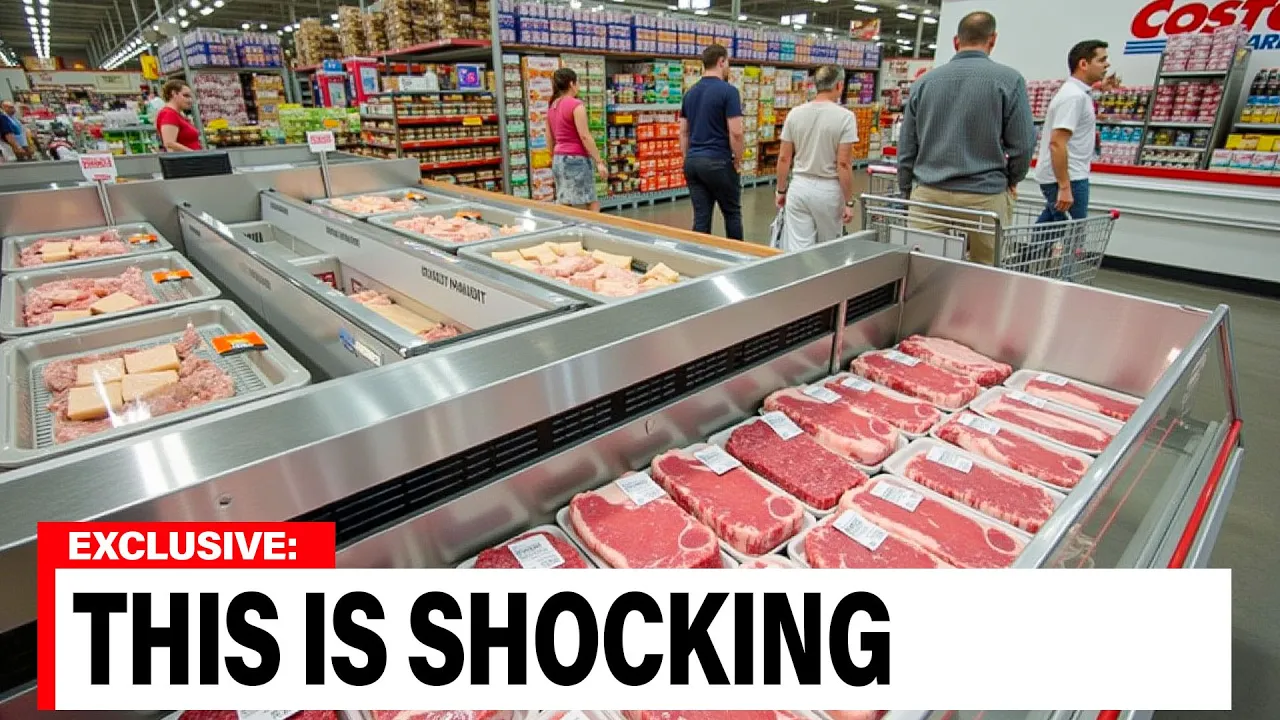
Costco is putting limits on how much fresh meat customers can purchase to try and make sure everyone gets what they need. There will be a total of three item per member limit on beef, pork, and poultry items. Costco's meat section seems like a great deal.
Big packs, low prices, and lots of choices. But there's more to it than meets the eye. Before you grab that meat, there are a few things you should know.
Let's talk about Kirkland Signature Ground Beef. That big plastic wrapped package sitting in Costco's meat section. You know the one, that massive 3 to 5 lb blob of beef that looks like such a good deal.
First off, that price tag is pretty sweet. Usually under $4 per pound, which beats most regular grocery stores where you pay $5 or more these days. The quality is solid for everyday cooking.
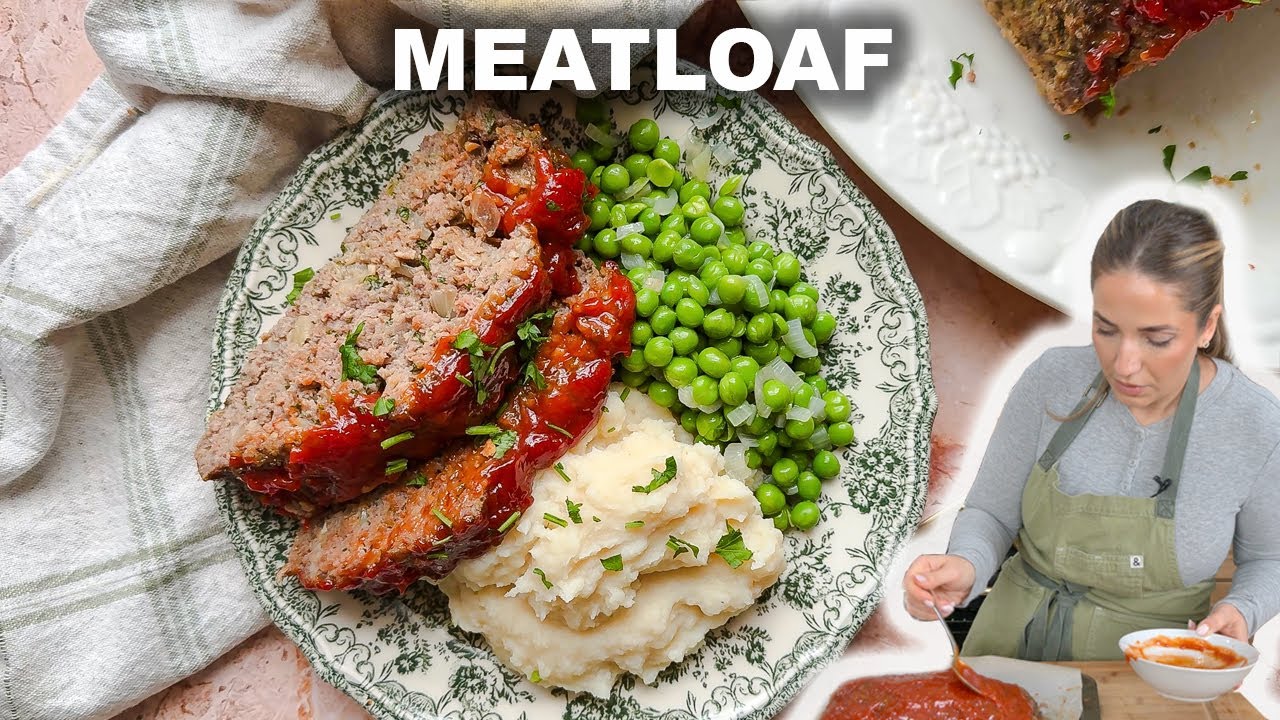
Whether you make tacos, burgers, or meatloaf, this stuff works well for most recipes. The fat ratio hits a nice balance. Enough fat to keep things juicy and flavorful, but not so much that your pan fills with grease.
It's the meat equivalent of that reliable friend who always shows up on time, but never gets invited to the cool parties. But here's what Costco doesn't broadcast. That ground beef could be a world traveler with more stamps than a passport.
The label doesn't have to tell you if it contains meat from multiple countries. Due to labeling laws changing back in 2015, beef can come from a mix of places like Australia, Canada, Mexico, or the United States. And the package only needs to say where it was packaged, not where the cows were raised.
Another thing to consider is what the cows ate. This isn't grass-fed beef, which has a healthier fat makeup with more omega-3 fatty acids. Studies show that grass-fed beef typically contains up to five times more omega-3s than grain-fed beef.
The Kirkland beef comes from regular farming operations where cattle mainly eat grain-based feed designed to fatten them up quickly. Then there's the size issue. That family-sized package is great if you're cooking for six hungry teenagers, but for two people, it's like buying a swimming pool when all you needed was a bath.
You need to divide and freeze it right away. Unless you plan on cooking all that beef within one or two days. The bulk packaging means you should plan ahead when buying this beef.
Make sure to store it cold on the way home and have freezer bags ready for the portions you won't use. right away. And once you've mastered the art of bulk beef buying, you might want to explore other meat options in the giant refrigerated section.
Moving on to the poultry section, you'll find Kirkland Signature Organic Chicken Drmsticks sitting there with that green organic label. These chicken pieces look pretty appealing in their neat packaging, promising healthier meat for your dinner table. The good news, these drumsticks are actually USDA organic certified, which means no antibiotics or growth hormones were used.
That matters because regular chicken farms often use antibiotics to prevent disease in crowded conditions. A report from the Food and Drg Administration showed that nearly 60% of all antibiotics sold in America go to farm animals, not humans. By choosing organic chicken, you avoid contributing to that problem.
The price is usually a nice surprise, too. Organic chicken at fancy health food stores can cost an arm and a leg, which is ironic since we're talking about legs here, but Costco's version typically costs 30 to 40% less than what you'd pay at Whole Foods or similar stores. The flavor holds up well whether you're grilling, baking, or throwing them in a crock pot for stew.
But here's what that organic label doesn't tell you. Organic doesn't mean small local farms with chickens running freely in green pastures. Most Kirkland organic chicken comes from large industrial operations that meet the minimum requirements for the organic label.
These are still big factory farms, just ones that follow organic rules about feed and medications. Another frustrating thing is the lack of farm information. The packaging tells you nothing about which farm or even which region the chicken comes from.
For all you know, those drumsticks might have traveled hundreds or thousands of miles to reach your store. Many food experts recommend knowing your meat's origin, but Costco keeps that information hidden. Stock issues can be annoying, too.
One week the organic drumsticks are there, the next week they're gone. It's like trying to date someone who only returns your calls every other week. This happens because Costco stores have limited cold storage space and rotate products based on availability and sales patterns.
If you're looking for more consistent meat options, maybe check out the other prepared meats Costco offers. Their refrigerated section has plenty more surprises worth exploring. A few months ago, I had no idea what a health ring even was until my fiance got me one.
And I have to say, I am shocked this isn't a widely known and used product. It tracks my stress levels. And what I found out is that each time I took certain medication, my body's stress levels went up two to three times my usual levels.
So I immediately stopped taking that medication. And I can honestly say this made me feel 10 years younger. My wife mainly uses it to track her menstrual cycles and she is obsessed with her sleep quality score.
I noticed they were running a limited 69% discount, but the offer is expiring soon. It's currently only $60, and it's clear this one is the best bang for your buck with other health rings priced around $350 with less functions. They managed to price it this low because they cut out the middleman like Amazon, Walmart, etc.
who drive up the price and take a big margin, ending up with the customer paying three to five times more. If you are on TV, you can check it out yourself by pausing the video and scanning the QR code with your phone camera or clicking the first link in the description of this video. Have you seen that enormous Kirkland signature spiral sliced ham in the refrigerated section?
It's hard to miss that massive pink mountain of pre-sliced meat that seems to be calling out to holiday dinner hosts everywhere. Let's start with what makes this ham worth buying. For starters, it's fully cooked and ready to serve.
Just warm it up and dinner is basically done. This makes holiday meals much easier when you've got 20 other dishes to worry about. The spiral slicing is another huge plus.
No more standing at the table with a carving knife while everyone watches you struggle to get even slices. The person who invented spiral slicing deserves a Nobel Prize in the category of saving family arguments at Thanksgiving. Price-wise, Costco delivers again.
The Kirkland ham typically costs between $2 and $3 per pound, which beats most name brand spiral hams at regular grocery stores by about 30%. You're getting a lot of meat for your money, which is great for feeding large groups or enjoying leftovers. Now, for what they don't tell you on the package, that glaze packet that comes with the ham, it's packed with sugar, around 30 g per serving.
The ingredients list reads like a chemistry experiment with corn syrup, modified food starch, and a bunch of preservatives most people can't pronounce. If you're watching your sugar intake or trying to avoid processed foods, this glaze is not your friend. Size is another issue.
These hams weigh between 9 and 11 lb. Unless you're feeding a football team, you'll be eating ham for days. Hope you enjoy ham sandwiches, ham omelets, ham soup, ham casserole, and eventually the inevitable ham fatigue that sets in around day four.
The sodium content might be the biggest health concern. A single serving can contain more than 1,200 mg of sodium. That's over half the recommended daily amount in just one slice of meat.
For people watching their blood pressure or heart health, this is important information that doesn't jump out from the label. Looking for something with less sugar and salt? The meat department has plenty of other options.
Bacon lovers unite. Kirkland Signature Bacon comes in those thick fourpack stacks wrapped in simple packaging. Each pack contains about a pound of sliced pork, ready to sizzle in your pan and fill your kitchen with that unmistakable bacon aroma that somehow manages to wake up even the deepest sleepers in the house.
The good stuff first. Value is where Costco bacon really shines. At usually less than $5 per pound, you're getting premium quality bacon for about half what you'd pay for bigname brands at regular stores.
And unlike those skinny strips from some other brands, Kirkland bacon slices have a good thickness that doesn't shrink to nothing when cooked. They fry up with a nice balance between crispy and chewy with that rich smoky flavor bacon fans crave. The bulk packaging is also great for families or dedicated bacon enthusiasts.
With four packs bundled together, you can keep one in the fridge and freeze the others for later. Bacon freezes well for up to 3 months without losing quality, making this a smart buy for anyone who likes to stock up. But here's what might make you think twice at the meat counter.
Despite its quality, Kirkland Bacon doesn't offer any nitrate-free options under their store brand. Nitrates are preservatives used in most bacon that some health experts worry about, especially when consumed regularly. Your breakfast might be delicious, but your arteries might be sending you angry text messages later.
The sodium content deserves attention, too. Each serving, just two slices, packs around 400 mg of sodium, which adds up quickly if you're trying to keep your salt intake down. And let's be honest, who stops at just two slices?
The fat content is another consideration. Regular Kirkland bacon isn't the leanest option out there. Each strip could have enough fat to make a cardiologist's eye start twitching.
While that fat contributes to the flavor we all love, it's not exactly healthy food. Perhaps most concerning is the lack of transparency about where the pork comes from. The packaging gives no information about the farms, how the pigs were raised, or what they were fed.
All you know is you're getting pork raised according to standard industrial practices. If you continue exploring the meat section at Costco, you'll find even more products with interesting tails behind their labels. The Kirkland Signature Beef Hot Dogs stand out in the refrigerated section with their bold packaging and jumbo size.
These quarter pound monsters are way bigger than the skinny hot dogs most people grew up eating. One pack gives you 14 hefty hot dogs that barely fit in standard buns. On the bright side, these hot dogs are made with 100% beef.
Unlike many cheaper brands that mix in chicken, pork, or mysterious meat byproducts, Kirkland sticks to beef only. This means a cleaner taste and no surprise textures when you bite in. Many Costco shoppers recognize these as the same hot dogs sold at the famous food court for just $1.
50 with a drink. A deal that hasn't changed price in decades despite inflation. Valuewise, these hot dogs deliver.
When you break down the cost per dog, you're paying around $1 per jumbo hot dog. Compared to premium beef hot dogs at regular grocery stores that can cost twice as much, that's a solid deal. They also freeze well, so buying in bulk makes sense if you enjoy an occasional hot dog without making them a regular meal.
Now for the not so great news. These hot dogs are calorie bombs. Each one packs over 500 calories before you even add a bun or toppings.
Eat two of these and you've consumed more calories than a full meal, which might explain why your belt suddenly seems to have shrunk in the wash. The sodium level should make anyone pause. A single hot dog contains nearly 1,500 mg of sodium.
That's more than half the recommended daily limit. For people watching their blood pressure or heart health, these numbers should raise serious concerns. The ingredient list reveals more issues.
While the 100% beef claim is technically true, the hot dogs still contain corn syrup, preservatives, and various flavor enhancers. The label might say all beef, but that doesn't mean it's all good for you. Some might argue that nobody eats hot dogs for health reasons, which is fair.
But knowing exactly what you're consuming helps make better choices about how often to include these in your diet. Looking for a leaner protein option at Costco? The poultry section offers alternatives that might be gentler on your health goals.
Want a healthier meat option? Kirkland signature organic ground turkey sits quietly in the refrigerated case, often overlooked by shoppers rushing for the flashier beef and chicken options. This lean protein comes packaged in those cylindrical rolled tubes that make you wonder if the turkey is planning an escape.
Let's talk about what makes this turkey worth adding to your cart. First off, it carries the USDA organic seal, meaning these turkeys were raised on feed grown without chemical pesticides or fertilizers. The birds are never given antibiotics or hormones, which is becoming more important as health experts warn about antibiotic resistance.
These turkeys also ate a vegetarian diet. No animal byproducts mixed into their feed like some conventional operations use. The price point is truly impressive for organic meat.
Usually around $4. 99 per pound, it costs about 40% less than organic ground turkey at specialty stores. This makes eating healthier, more affordable for everyday meals, not just special occasions.
The nutrition profile deserves attention, too. Ground turkey contains less saturated fat than beef with a typical serving offering around 20 g of protein. This makes it an excellent option for anyone watching their cholesterol or trying to increase protein intake without the extra fat.
But let's talk about the not so great aspects. First, those plastic tube packages make it impossible to see what you're buying. It's like buying a mystery novel, but instead of wondering who the killer is, you're wondering if the meat will be pink or gray when you finally open it.
Some customers report finding the texture inconsistent. Sometimes perfect, sometimes watery or mushy when cooking. Availability can be frustrating, too.
Many Costco locations don't carry the organic turkey consistently. You might find it for months, then suddenly it disappears for weeks without explanation. This makes meal planning difficult if it's a staple in your rotation.
The packaging also provides zero information about where these turkeys were raised. While they're organic, there's no mention of farm names, regions, or raising practices beyond the minimum required for certification. For those wanting even higher quality meat options, Costco's premium beef section offers some impressive cuts worthy of a special occasion.
When you stroll past the fresh meat counter at Costco, those thick slabs of USDA prime beef ribeye demand attention. The rich marbling running through each steak looks like delicious rivers of flavor waiting to be cooked. Prime beef is the highest quality grade given by the USDA, representing only about 2% of all beef in America.
Finding it in most grocery stores is nearly impossible. Yet, Costco sells it regularly. The price is impressive, typically between 13 and $18 per pound, while steakous charge 3 to four times more.
The marbling makes these steaks incredibly tender and flavorful when cooked properly. Those white streaks of fat melt during cooking, creating the rich, buttery taste that makes ribeye famous. But these premium steaks come with challenges.
They're cut from largecale suppliers, not small farms. The packaging tells you nothing about where the cattle were raised or what they ate. These steaks are so massive that they should come with their own zip code.
Most are cut at least 1 and 1/2 in thick, making them tricky to cook properly. You'll also notice they often need trimming. Many cuts have sections of fat or gristle that require knife work before cooking.
It's like getting a luxury car that still needs you to install the cup holders yourself. Despite these drawbacks, the quality to price ratio is unbeatable for special occasions. Just know what you're getting into before that impressive slab of beef makes its way into your cart.
Costco meats offer good value with hidden trade-offs. Know what you're buying, check labels, and shop smart.