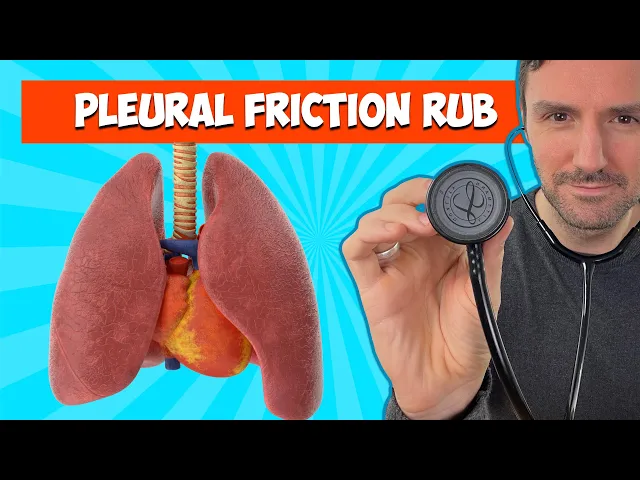
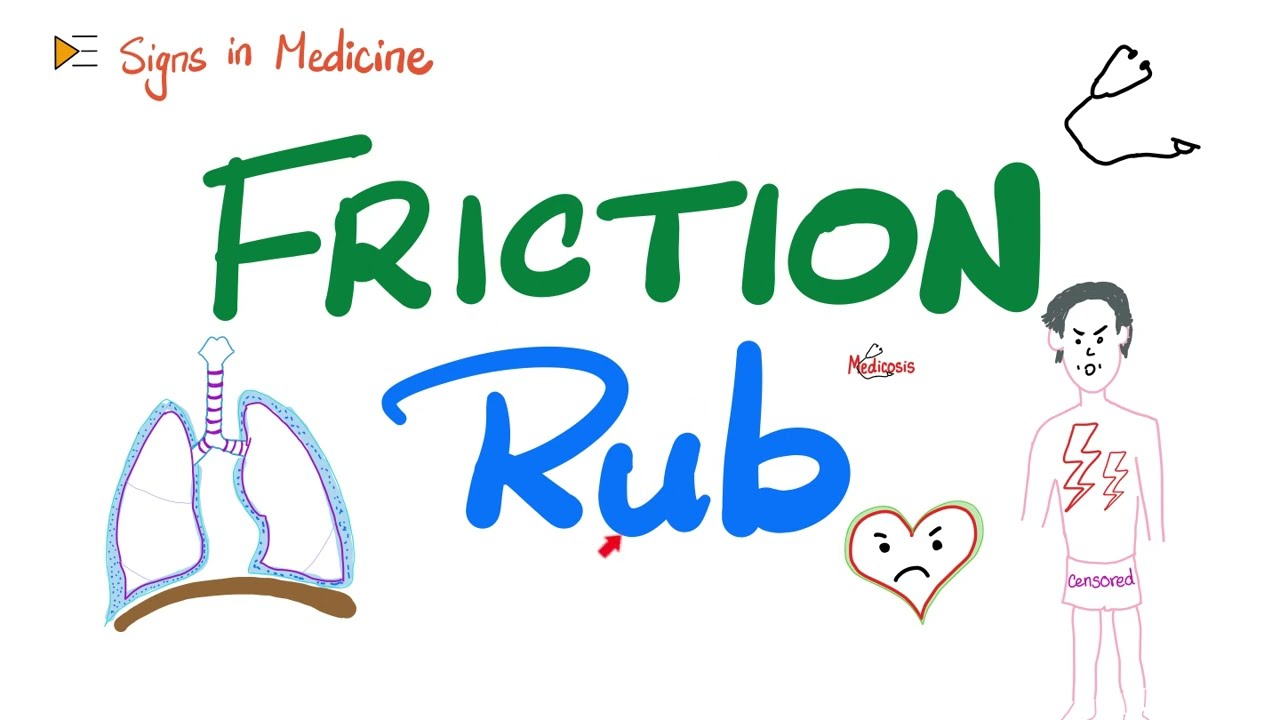
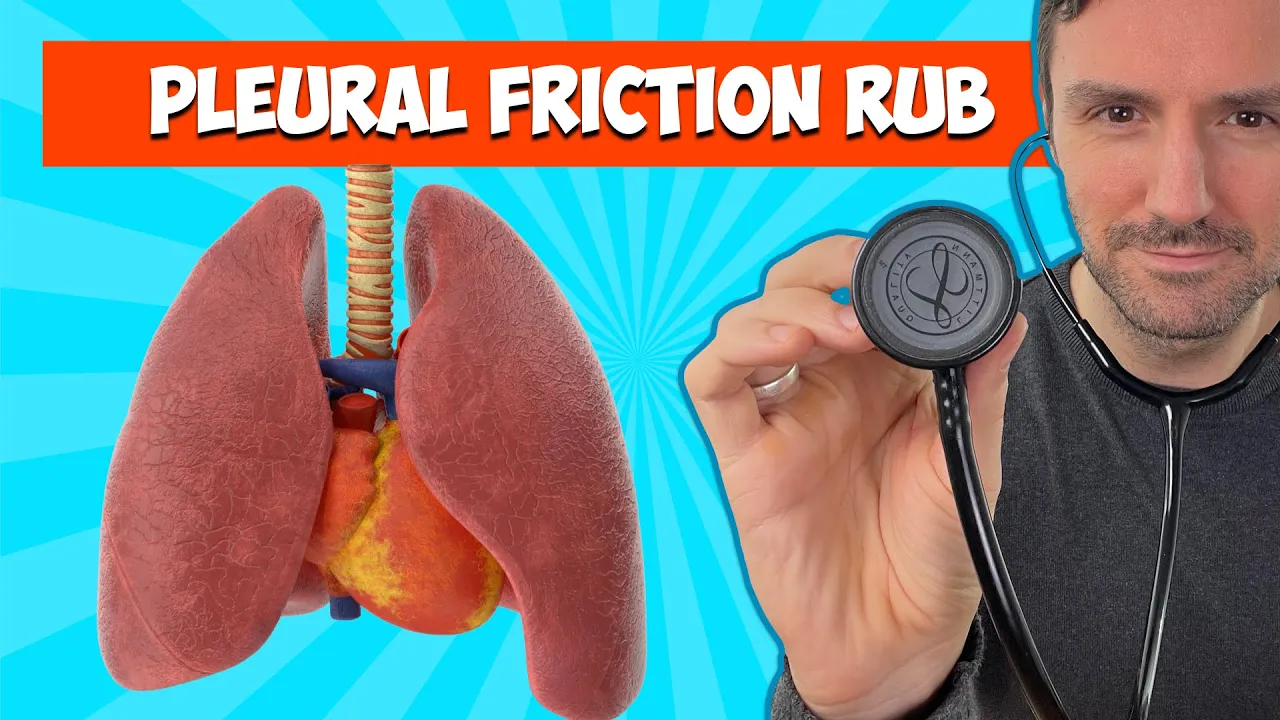
Pleural friction rub is a continuous, low-pitched sound that can be heard during inspiration or expiration. It is likened to the sound of footsteps in fresh snow. Let's listen to a real-life example.
Now, I think it is important for you to know that sometimes, The Pleural friction rub can have a deeper, creakier quality, which is likened to walking on creaky wooden boards. Let's listen to another real-life example. Now that you have heard two classic presentations let's learn about the causes of pleural friction rub.
Pleural friction rub is caused by inflammation of the pleura. The pleura is a thin, moist membrane that surrounds the lungs and the internal surface of the thoracic cavity. The pleura covering the lungs is known as the visceral pleura, whereas the layer lining the thoracic cavity is known as the parietal pleura.
The pleural membranes usually allow frictionless movement between the lungs and thoracic cavity during respiration. If the pleural lining becomes inflamed, the surfaces become rough. This friction caused by the two layers rubbing against one another causes audible vibrations, which can be heard as a pleural friction rub.
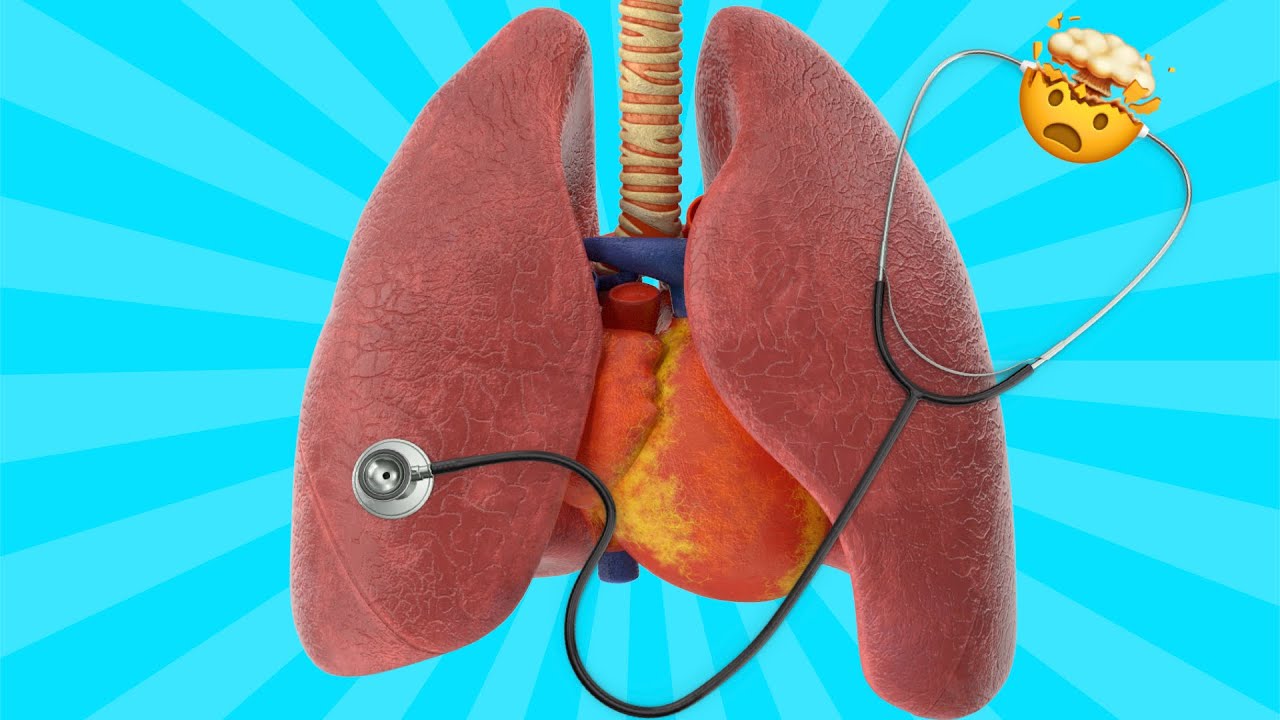
Let's listen to two examples now using our animation. We'll start with the example of pleural friction rub that sounds like footsteps on fresh snow, and then we'll move on to the example which sounds like walking on creaky wooden boards. In summary, Pleural friction rub is a continuous, low-pitched sound likened to footsteps in fresh snow or walking on creaky wooden boards.
It can occur during inspiration or expiration. Pleural friction rub can be highly localised on examination and is usually heard overlying the inflamed tissue. It can be auscultated at any location in the chest.
Pleural friction rub is caused by inflammation of the pleura, which produces audible vibrations when the pleural layers rub together. Pleural friction rub occurs most commonly due to bacterial or viral infections that cause pleurisy or pneumonia. Pulmonary embolism with infarction may cause a pleural friction rub.
Less commonly, friction rubs can be caused by plural tumours such as mesothelioma. This brings us to the end of this episode. Stay tuned because the next episode is about stridor.
I'll see you in the next show.