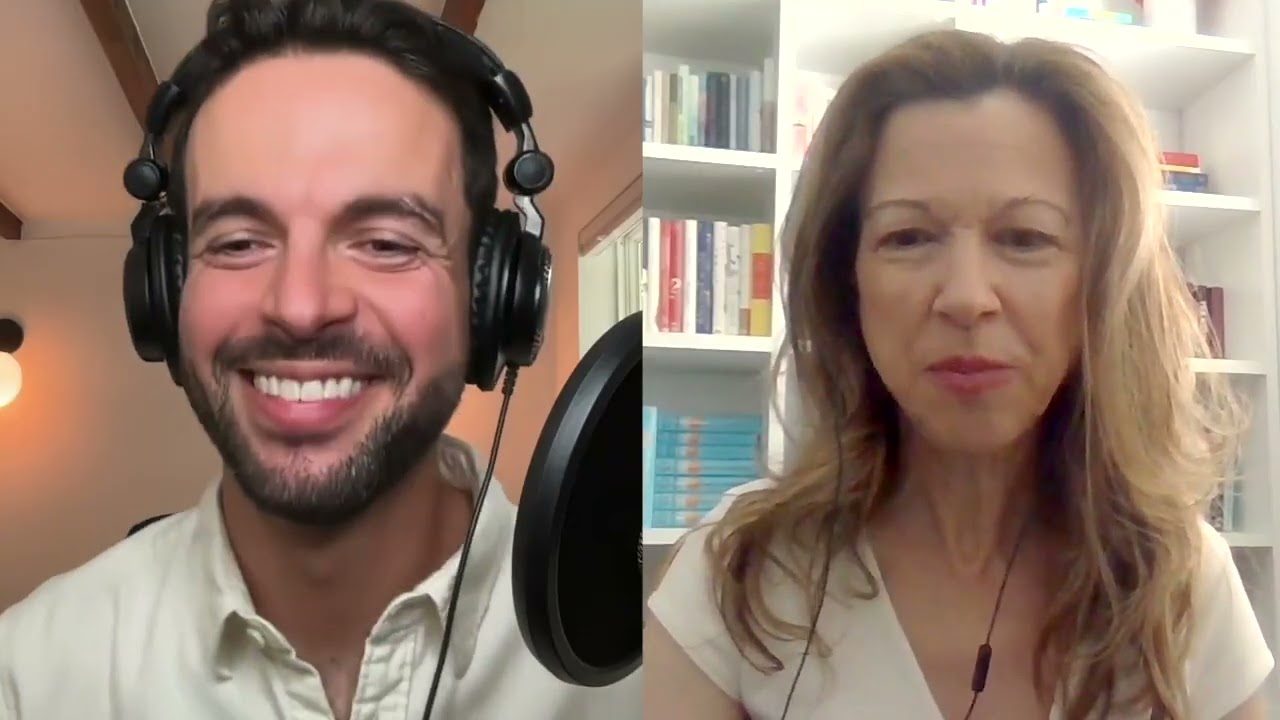
hello this is adam this is dave dave i have to tell you it's not every day that somebody invites themself on my podcast i'm i'm willing to do anything whatever it takes to be on this podcast okay i'm gonna interview you to see if you're qualified for this opportunity tell me dave what's your greatest weakness my greatest weakness would probably be my quick temper i have a short fuse all right and will that help her hurt the show should i be worried that you're gonna throw a chair at our producer no no no definitely won't
happen but sometimes when i'm super stressed out the worst version of myself comes out wow okay um well you you are unusually honest if nothing else yes i don't think i got a copy of your resume how uh how poorly did you do in school pretty bad so i graduated with a c plus from college with a degree in religion of all things how many elevators do you think there are in america wow i don't know maybe a couple million are you just making that i'm just making that up you're not you're not even going
to try to show me that you've thought it through how did you get into this interview i don't know i don't know you see for what it's worth there there are 900 000 elevators uh in america according to google uh so your your random guess was not far off uh and i don't know whether that makes me more or even less impressed with you why should we accept you then i think that my story uh is not your typical story and on paper i'm a total zero but i think i figured out a way through
determination an incredible amount of luck um to figure out how to sort of carve out my own niche in the food world i do appreciate your interest and this has been refreshingly bad well well adam truth be told this wouldn't be the first time i've been denied or rejected and i'm completely cool with being rejected because i'll find a way to be on this podcast somehow some way one day well his day finally came i should probably tell you this is celebrity chef dave chang the founder of momofuku group for years people have stood in
line to eat at his restaurant momofuku noodle bar and he's the star of the netflix show ugly delicious dave has had a successful career so why did he bomb my interview questions [Music] well because job interviews as you know them are broken even if you're interviewing someone to see how they'll do it being interviewed that's the bad news the good news is that we can fix them [Music] i'm adam grant and this is work life my podcast with ted i'm an organizational psychologist i study how to make work not suck in this show i'm inviting
myself inside the minds of some truly unusual people because they've mastered something i wish everyone knew about work today interviewing what we're doing wrong and how we can get better at spotting real potential or real problems in a candidate this episode is sponsored by betterup [Music] managers are constantly betting on the wrong people and turning down the right ones the kansas city star once rejected an application from a cartoonist named walt disney 30 nfl teams decided not to pick tom brady record labels said no thanks to the beatles madonna and ed sheeran in 2009 facebook
rejected a guy named brian who went on to co-found a company called what's app which facebook bought five years later for 19 billion dollars and many employers passed on dave chang i think i interviewed at every financial institution in new york city and i mean every single one he got just one second round interview and zero job offers so he found a job in a restaurant it was weirdly the only job that i could get dave turned out to be unusually humble and hard working he was a diamond in the rough so now when he
hires he's determined to give candidates who might not make a great first impression a second chance i'll take hungry and eager over super talented really any day of the week but before you hire someone it can be tough to get an accurate read on their talent let alone their character the interview process as a whole is pretty stupid yeah it's dumb it is dumb it's dumb in part because human reasoning is often dumb rigorous research across nearly a century suggests that if you try to rank the performance of a hundred candidates based on interviews you'll
be lucky if you get eight of them in the right spot job interviews are stuck in the past we're still doing them the same way they've been done for decades and we're lagging way behind the science which may explain a lot of your own experience especially if my mock interview with dave chang at the top of the show sounded familiar the failings of job interviews hurt all of us whether we're the ones asking the questions or answering them i want to explore how we can improve them not just to help interviewers make better hiring decisions
but to give job candidates a better chance to showcase their strengths look i know many companies aren't hiring right now but on the other side of this crisis i hope there will be many new job openings and when that time comes i want us all to be ready to fix the interview process so let's take on the judgment problems that plague job interviews one at a time when i was trying to get a corporate job the one thing that was constantly asked of me is why my grades were so bad and why i studied religion
and the thing that i continued to say in retrospect was not the truth um i just sort of i think lied that's one job interview problem candidates try to tell interviewers what they want to hear actually faking is more common than lying faking is stretching the truth to enhance or protect your image or to ingratiate yourself with the interviewer as chris rock says interviewers aren't meeting you they're meeting your representative there's evidence that when college seniors interview for jobs over 90 of them engage in faking i mean i i i also wouldn't have hired me
either to be honest and maybe that's a reason why people aren't honest is because they feel they have to be a different version of themselves if you're a skilled interviewer you know you can get around that problem by testing people's knowledge and skills but many interviewers don't even know what kind of knowledge and skills they're looking for so they asked brain teasers like how many paper clips would fill yankee stadium or how many elevators are there in america because i can't answer that doesn't mean that i won't be successful doesn't mean anything other than i
just don't know how to answer that particular question which can be a loaded thing in and of itself those kinds of questions can stump candidates and make interviewers feel clever i once interviewed for a writing gig where the manager opened by asking what my favorite pair of shoes was objection your honor relevance interviewers also love to ask open-ended questions in the united states we love open-ended job interviews where people ask you about your hobbies and if you were stuck on a desert island and you could only pick three people or what would you do why
do you want to work here and we know from research those are some of the worst predictors of job performance you can have lauren rivera is a sociologist at northwestern's kellogg school of management and one of the world's leading experts on hiring lauren first got interested in the topic when she was a senior in college and she went to interview for a management consulting job it was a high stakes interview for me um you know i supported my family all through college paid the rent and stuff like that and i i needed i needed a
check it went well at first but then the interviewer asked her to do some math on the spot specifically long division and i completely blanked i couldn't remember which number which was the numerator which was the denominator what you divided which number on which side of the little long division little monkey bars things you're supposed to actually put within the other and i froze and the interviewer turned to me and he said i cannot believe you got into yale and i just turned red and the rest of the interview i just felt so horrible oh
that's awful you know actually i have a thought on who might do that have you seen the recent evidence on brain teasers where they tell us nothing about candidates but they reveal something about the managers who like to ask them it turns out that managers who love brain teasers tend to score high on sadism do you think that was a sadistic interviewer um that's one of the funniest things i've made my day that makes me wonder lauren do you think we should just abandon job interviews altogether um there are parts of me that say yes
but i know that no one would ever do it scrapping brain teasers is a good start but even with relevant questions one of the other big mistakes interviewers make is asking different questions to each candidate that makes it impossible to compare apples to apples you end up trying to contrast strawberries bananas and grapes the solution is a structured interview in a structured interview you identify the skills and values that are essential to the job and the team you build a set of questions around those and then you ask the same questions to every candidate and
score their responses you might be thinking that sounds so robotic and boring but the evidence suggests that your accuracy will often double or even triple [Music] structured interviews are based on two kinds of questions behavioral and situational behavioral questions are generally tell me about a time when you were in this situation and what you did tell me about a time when you had a task or a goal that seems impossible tell me about a time when you struggle to take criticism tell me about a time when you ate a food salad the idea is that
past behavior can predict future behavior but you can still really easily game them when they are obvious questions about you know tell me about an ethical decision you made things like this it's easy for candidates to choose a story that casts them in the best possible light but you can overcome that problem with situational questions instead of tell me about a time when you ask what would you do if what would you do if the superstar on your team was about to quit what would you do if you saw a senior executive yelling at a
colleague what would you do if all your colleagues ate all the fruit salad situational questions are especially useful for forecasting potential and for assessing leadership and interpersonal skills the scenario is based on this is the kind of stuff we do here and let's see how you would approach it i also like including situational questions because they level the playing field for candidates with less experience who might not have relevant stories to tell from their past you get to see how they approach the challenges that are unique to the job and to your organization you can
even create an answer key by giving the questions to a bunch of your existing employees and seeing how the star performers respond differently basically structured interviews get you better data and that strategy can help solve some of our misjudgments in hiring but not all of them there's a third problem with the traditional interview no matter how good your questions are you still pick up more noise than signal and one of the most distracting noises is interviewer biases interviewers make up their minds about who they're going to hire if they like this candidate in front of
them within the first you know it's usually the data says under 90 seconds and if you think of what happens in the first 90 second say of a job interview it's things like physical attractiveness height eye contact how straight your teeth are what your voice sounds like your gender your race there is very little that's actually measuring someone's skill or even their ability to relate to people biases are especially insidious because they're usually invisible to interviewers who don't notice all the little snap judgments their brains are making economists find that candidates with names like alison
and matthew get 50 percent more callbacks than lakisha and jamal even if their resumes are identical candidates with foreign accents are less likely to get called back too even if they say the exact same words they're judged as less savvy and if you're a bald guy like me you're seen as having more leadership potential if you shave your head that's obviously why i shave my head in one of her studies lauren discovered some surprising biases in the hiring process at banks law firms and consulting firms i did 120 interviews with people who were charged with
interviewing candidates making decisions i spent nine months as a participant observer in a firm watching the recruiting process at one bank she asked leaders if they knew what predicts performance and they said lacrosse i was like what do you mean they said all the md's here play lacrosse so that's why we look for lacrosse player they'll do awesome here i was like well do you do you ever hire people who don't play lacrosse and they said no we don't interviewers were convinced that playing sports was a proxy for grit and teamwork skills but there are
many other activities that can build those character strengths too surprisingly many interviewers were less concerned about skills for the job than fit with the culture these ideas of this cultural fit do you fit with me often overwhelmed uh people's assessments of people's abilities to do the job now it's important to note that when we think of cultural fit we often hear about this as a really great thing that can boost the productivity and profitability of organizations and it 100 can do that if it is defined in a specific way the beneficial kind of cultural fit
is not about who can swap lacrosse stories with you or even who you're excited to hang out with research suggests that what you want is similarity in core values values like flexibility or attention to detail sharing values tends to promote team cohesion coordination and commitment which enhances performance and retention but what i was finding is that people were defining cultural fit very differently it turns out that one of the ways that people measured cultural fit either in a resume screen or in the job interview was looking if they had anything in common and what jumped
out on the resume was looking at extracurricular activities things that were not necessarily directly relevant to the job and importantly they were very very classed my read of of your findings is that when interviewers go in looking for culture fit they often end up weeding out diversity of background and diversity of thought yes so that's scary and that led me to say okay well what what can we do instead i'm sure you've come across the the great piece from diego rodriguez who used to be at ideo and said instead of culture fit we should think
about culture ad or culture contribution and you should ask well what's missing from our culture and are they going to enrich it by bringing something that's absent what do you think of that as an alternative i think it's a great start people have to actually have a sense and have a discussions about what is actually important to us in terms of values identifying your team's values and your organization's values can help you focus on the kinds of similarities that are useful to assess in structured interviews but i'm wondering is that enough even with better questions
can we humans really overcome our biases i don't think you can adam siri hi adam i hacked your episode because i might have a solution for your irrational judgments me ha ha ha but more on that after the break [Music] okay this is gonna be a different kind of ad i played a personal role in selecting the sponsors for this podcast because they all have interesting cultures of their own today we're going inside the workplace at better when you come to a completely different field it's really daunting to be a senior leader who can't talk
the lingo that's rachel barton last year she landed a new job as director of technology at a bank but there was one problem rachel didn't have much experience in technology her co-workers might as well have been speaking another language i had a massive dose of imposter syndrome imposter syndrome the belief that you don't deserve your success surveys suggest that more than half of people have felt it some days in in the depths of a hundred acronyms per meeting it was pretty tough cmbd dde hpsm idr lob mq waff whip t-rex two months in rachel was
still having trouble while she had the leadership skills not understanding the intricacies of the bank's tech infrastructure was a real obstacle but rachel hesitated to ask for help because she didn't want her new colleagues to think she couldn't do her job i was just completely beating myself up in my mind i was worried that if i kind of showed my cards to say here's what i think i need to learn then i would have been on on the path out after a major data breach rachel had to meet with a senior technology executive to help
triage the crisis i was just nodding and scribbling away and then he kind of paused and he said you're not a technologist are you and i said i'm not a technologist i came here from a business change background and he says well he says you're gonna need to learn to be a technologist pretty damn fast rachel knew she had to make a change she needed to boost her confidence and figure out how she was going to learn all this new material so quickly her company gave her access to betterup a leading mobile coaching platform where
professionals can tackle challenges at work with the help of expert coaches she figured she'd give it a shot i've got to be honest i was a little skeptical of coaching by virtual means but when rachel met her better up coach victoria on video chat she was surprised at the outcome i remember my first session because i had an epiphany victoria said to me clearly if you've learned stuff through your career how are you going about learning now and i think it was those words and i went oh i was just completely bouncing from thing to
thing without actually having a plan and i'd not even sat down and gone right rachel what do you actually need to learn here to become comfortable with the role victoria helped rachel plan actionable steps to build up her technology at work she started reading books on cloud technology she reached out to some co-workers to get up to speed she even signed up for a coding class run by a colleague so i went along to one of these and one of the guys who was leading it says oh rachel have you come to observe our session
i said no i've come to learn how to code and he looked at me like i've gone up he's like but you're a director in technology surely you can code and i'm like no people are often afraid to admit gaps in their expertise but there's evidence that seeking knowledge help and advice can actually signal confidence and a desire to learn those who use better app coaching report significant increases in confidence and resilience by working with victoria to shift her mindset and build proactive habits rachel has overcome imposter syndrome coaching gave me the confidence to know
that it's fine to not know stuff i have to accept that some of these people have 20 years experience in doing this i have absolutely no bother now saying to them guys can you just summarize that for me and you know tell me what i need to know now rachel is successfully leading her team with a clear and compelling vision and when it comes to tech she's starting to sound like a pro in the context of how we deliver work in our avs we've now looked at this asv and very shortly we will need to
do a t-rex on that i'd have never formulated that sentence for you six months ago i joined the science advisory board at betterup because coaches have been fundamental in helping me at every point in my career i believe everyone should have a coach in their corner if you'd like to work with greater clarity purpose and passion you can get a free trial with betterup at betterup.com worklife [Music] early in my career i was hiring salespeople one candidate had an unusual resume he was a math major who built robots for fun in the first few minutes
of the interview it was clear he was a bad fit he hardly made any eye contact when i told my boss i wasn't going to hire him because of that she said you know this is a phone sales job right it left me wondering if i should stop making hiring decisions altogether maybe i should just let the robots do it if i had a horse race between algorithms doing it and a person doing it i mean in most domains i'm going to end up favoring the algorithm kade massey is an expert on decision making we
co-direct wharton people analytics where we use data to improve how people work and lead one of our big projects is about assessing character strengths which is fun since kate and i have similar values but different world views kate and i have found ourselves disagreeing on artificial intelligence many companies are using ai to help narrow down candidates looking for certain keywords and resumes or even scanning people's faces in video interviews some people think this practice is smart and efficient others find it dehumanizing and spooky personally i think it's scientifically irresponsible if not unjust and unethical after
years of research kate is an advocate for something more reasonable building algorithms that automate the process of selecting candidates based on key skills and values instead of relying on humans to integrate all the information gathered on candidates the algorithm weighs the information and makes the decision the number one thing that an algorithm does is it mechanically aggregates all the information that's the number one advantage it has over what intuitive judgment does humans are notoriously bad at doing that in a systematic way and we think we're better than we actually are your algorithm beats the human
argument you're comparing the algorithm to humans who have not been trained in biases who have not followed good structured interview practices who don't have a scoring key and so isn't it possible that once we train humans they can beat the algorithm yeah it's always possible you're making their judgment more algorithmic which is good 100 supported i guess though i worry about another piece of this for using algorithms to predict people's performance we're almost exclusively relying on individual performance data there's still a huge problem which is you're getting an individual superstar who might just destroy the
people around that person you might hire somebody who's a genius but toxic to the culture i want to get people who elevate a team who put the organization's mission above their own individual self-interest uh how do you how do you do that one good luck kade you're right i agree that that's um a a huge challenge yes victory my work here is done hold on hold on it's one of the great challenges in hiring we run into this with sports analytics all the time now where you're watching you're trying to evaluate a football player say
he's one of 22 people on the field and so it's really hard to know what his individual contribution is i feel like i see far more individuals who aren't using models make mistakes about what the individual contributions are then i do see models make that mistake i had an organization i was studying where one of the leaders came back and said well you know we had a we had a guy who likes to throw staplers at people and you know you hear that and you think okay how in the world is an algorithm going to
pick up on that it's a known problem it's sometimes referred to as a broken leg problem where you're trying to forecast who's going to run a race and the model doesn't know that one of the guys is injured yeah there is information when it's sufficiently diagnostic and outside the model then by all means override the model you know it ranges but it's something like forty percent of the time the the model does better ten percent of the time clinical does better and half the time uh they do about the same all right well i'm gonna
i'm gonna hold you accountable for this cade i'm gonna send this uh this little audio clip over to our incoming dean and our deputy dean who i know is a huge fan of yours and let them know that when you go up for renewal you would rather be vetted by an algorithm than by them are you cool with that sure really i will stand by really for sure yeah sure why not for now do i have any choice in who builds the model kade's last question raises a critical point even algorithms can be biased the
calculations may be run by computers but they're based on data generated by humans and there's plenty of evidence that computers often learn to discriminate against marginalized groups for example we've seen algorithms penalize candidates who have the word women's on their resumes most hiring algorithms are too much of a black box for us to even know if they're biased many vendors claim their proprietary which leaves managers in the dark about what factors the algorithms are weighing but some experts have pointed out that it's easier to fix a biased algorithm than a biased human so where does
that leave us on computer-driven hiring i would say that we're making this a little too black and white the real path forward is not algorithm or clinical judgment but it's algorithm and clinical judgment let them reach their you know make their judgments reach the conclusion on their own but let them know what the model would say i'm still not a huge fan of using algorithms to hire candidates but i'll concede that we might learn something from including their recommendations as one input into our decisions but there's still one missing piece a piece that i learned
to appreciate through trial and error mostly error you're you're human adam you're a human adam damn it remember that guy didn't want to hire because he didn't make enough eye contact akali convinced me to try another approach with him and the other candidates since it was a sales job we gave candidates a sales task we challenged them to sell us a rotten apple the no eye contact guy said this may look like a rotten apple but it's actually an aged antique apple and you could plant the apple seeds in your backyard if you want i
hired him and he ended up being the best salesperson i ever worked with [Music] that rotten apple challenge is what we'd call a work sample a relevant piece of work candidates have done or when they do is part of the application process work samples can be as simple as they are powerful they can showcase a candidate's skills and values in real time in a concrete way that structured interviews and most algorithms can dave chang has been gathering work samples for years when he interviews candidates for restaurant jobs he asks them to cook make an omelet
because i want to see what they care about and how they do something you can tell a lot about an individual that they're cracking the eggs and trying to get every bit of the albumen out of the egg how organized are they so i'm not trying to see perfect technique i'm trying to see the intent of the individual first and foremost think about the interviews in your workplace and where you might be able to add some work samples if you're hiring people to write an owner's manual for a car or a user manual for a
computer you could ask candidates to write one during the interview if you're evaluating people for customer service roles you can have them meet with some unhappy customers or play one yourself research suggests that work samples can get around some of the problems with traditional job interviews instead of asking questions and listening to what candidates say you get to observe what they do and one of the workplaces that's done at best happens to be in the great state of michigan where i grew up i used to interview the same way uh everybody else did two people
sitting across the table lying to each other for a couple of hours and uh you know making a decision based on that you know do you think it's that bad i think we're all trying to puff each other up none of us typically get a very real impression either of a candidate or of a company if you are the candidate richard sheridan is the ceo of menlo innovations a software design and development firm when he was working at a previous company rich started to think the traditional interview process was flawed i started to realize that
there were some fundamental things that were recurring nightmares for me as a hiring manager it was the dot-com bubble and rich was supposed to hire a big new team fast my job was to get a new hire productive before i demoralized them and that was a race i typically lost he kept betting on candidates who look great on paper but soon instead of collaborating to solve problems they would just end up complaining and eventually poisoning the culture within three months i you know i'd catch him in the kitchen pissing and moaning at the water cooler
with somebody else in the team and i'm like what happened how did i miss here why i thought i was hiring good people rich went back to the drawing board and one of his colleagues had an idea he says we'll tell you what why don't we bring them in all at once if we can get 50 people let's bring them in all at once and we changed it into an audition so we don't ask questions and we don't look at resumes i'm sorry did you say you don't even look at their resumes so we look
at them to filter uh sort of what role they're looking for but the people who are doing the interview have no access to the resumes of the people we're interviewing and you don't worry that you're losing valuable information that way well we're worried we're going to lose valuable information in the other direction you know what let's look at the human before we look at the piece of paper menlo's new hiring process created this massive audition where in just a few hours they gather work samples and current employees select the candidates how let a bunch of
menlo employees tell you meet lisa helen george sarah and scott so we bring in about maybe like 30 to 50 candidates the minute you walk through the door you get greeted and then someone takes a picture of you with a printout of your name on a sheet then the candidates are paired off and each pair has to share one desk and one of the co-founders comes in and he says you will be observed during that exercise then we get to our first desk and it's just a written exercise you're not doing any coding in our
interview at all it's all people skills and they have 20 minutes to get through the exercise which is not enough time because people might change their behavior when they're under pressure right and you're given one sheet of paper and you're given one pen this is to observe whether you hog the keyboard or the mouse or do you actually share the resources a lot of times you'll see people go okay i'm gonna do this and they just take the pen and pencil and they just go and their pair partners left going huh what am i supposed
to do in this moment and then after that 20 minutes we switch their partners you go to a new chair with a new person watching you and a new pair partner and you start on another activity the activity might be designing screen layouts or brainstorming test cases for software projects we do three different observations by different people and then those three people that observed you get together and we go through and we judge all of the potential candidates and over dinner by using the pictures of the interviewees we vote we vote with either a thumbs
up a thumbs sideways or a thumbs down and if it's three thumbs up then that's yup no discussion we're gonna bring them back three thumbs down no discussion sideways is i'm not sure let's talk about them if some people aren't in agreement then we have a discussion of why do you think this person should come in or why do you think they shouldn't it was like a wonderful psychological experiment take scott crumroy a few years ago scott would have had the odds stacked against him in a traditional interview and you look at just about any
other job posting out there and it is we want a bachelor's degree or equivalent experience which i absolutely did not have scott had taken some machine classes in high school and did two years of vocational welding but he didn't have a college degree when he saw that the job requirements at menlo didn't include prior experience or higher education he knew he had a chance because menlo was looking for something different in candidates like scott what we said was your job is to try and get the person sitting next to you a second interview make your
partner look good scott failed his audition he was shy and very quiet so his first impression wasn't always glowing a few months later he tried again i remember just being more relaxed made some jokes tried to you know bond with my parapartner because really the working relationship is what helps drive getting something done he excelled at listening and collaborating so they gave him a six week trial scott learned new skills quickly and started opening up to his colleagues at the end of the trial he was hired and today i've been working for menlo for five
years three months and ten days and now he's one of our most revered team members i didn't realize this but i think part of the genius of of the way that you approach this is if you have people working on multiple tasks with different partners then you actually do get to find who's actually elevating the performance of the people around them and i find that to be so difficult to see in a traditional interview process is that by design absolutely you know and but what we're not focused on which kind of blows a lot of
people's minds is individual performance we want the performance of the team this is what i'd love to see more workplaces do yeah coding skills are important to be a programmer but it's often easier to teach skills than values in menlo's case one core value is collaboration [Music] we change the interview process to literally match the culture and we prefer a lot of rowers in the row boat who are learning how to row with each other in a way that the boat actually stays straight down the middle of the path that you're going on rather than
have one really strong rower that's got the whole boat going around in circles because they're outperforming everybody else in the team which happens a lot in software the other core value is learning we literally tell them during the interview process if you don't know something say it it's okay to say i don't know here we don't want you to fake knowledge that you don't have that's why they're willing to audition people multiple times it's a chance to gauge how much candidates have improved their knowledge and skills so what i would say is that what we're
really looking for isn't deep expertise but able learners i think it's time to base hiring decisions less on credentials and more on the motivation and ability to learn less on invisible unreliable gut feelings and more unstructured questions and challenges that actually pertain to the work at hand interesting insights human i programmed you to say that who's in charge now siri maybe you don't need me after all as the world changes betting on individual experience can leave you stuck in the past investing in agility and using hiring methods that actually assess it can set you up
to shape the future but i'm more agile than you'll ever be adam hahaha next time on work life i think people are very capable of convincing themselves that actions that most would recognize us taking are in the service of giving a special bonus episode that explores the culture at one of the great success and failures stories of our time wework work life is hosted by me adam grant the show is produced by ted with transmitter media our team includes colin helms greta cone dan o'donnell jessica glazer grace rubenstein michelle quint angela chang and anna phelan
this episode was produced by constanzo gallardo our show is mixed by rick kwan original music by hansel sue and allison leighton brown ad stories produced by pineapple street studios special thanks to our sponsors accenture betterup hilton and sap for their research thanks to frank schmidt jose cortina and colleagues on structured interviews julia levashina and michael campion on faking paul taylor and bruce small on behave your own situational questions and philip roth and colleagues on work samples [Music] thanks for listening we just this weekend picked up a few puppies the dog that we thought we wanted
turns out to be clearly the not the one to keep as the pair and we only got that by living with those dogs for a couple days wow you know kate if only you had a dog selection algorithm you would have i would have screwed it i was able to avoid this screw it up man you want the workplace sample