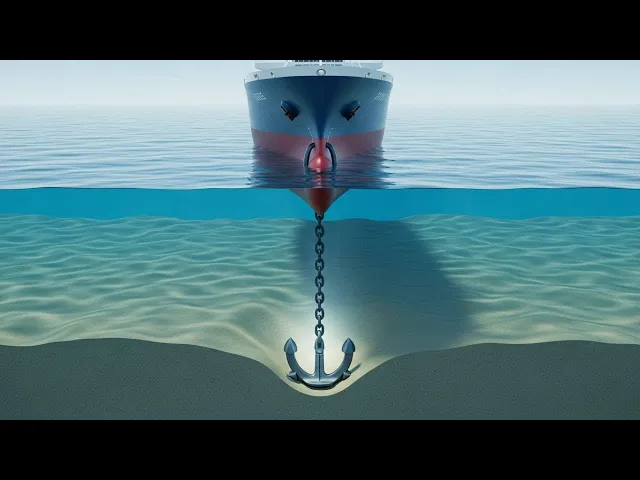
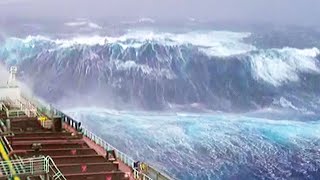
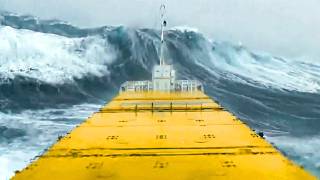
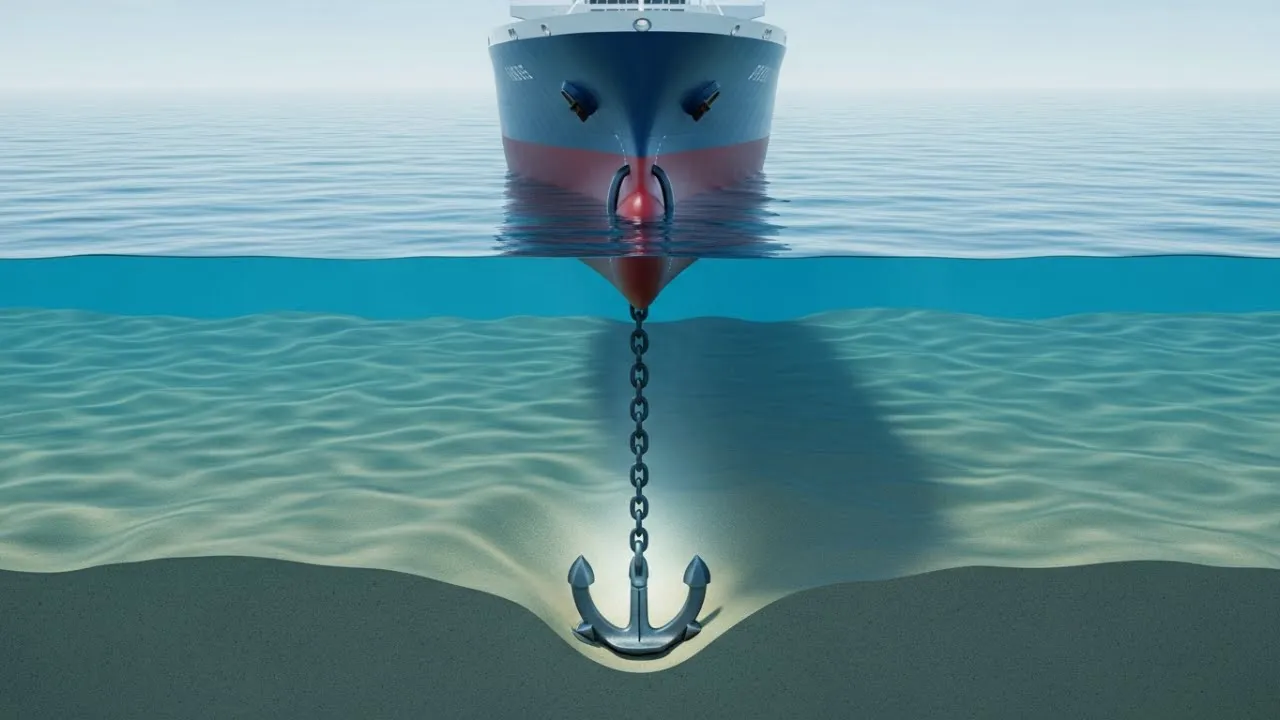
A modern container ship can weigh over 200,000 [music] tons. When the wind howls and the current rips, the force pushing against that ship is colossal, [music] enough to snap steel cables like thread. Yet, these floating cities are held in place by a single [music] metal hook that looks tiny in comparison.
But here's the thing. If you dropped that anchor in the middle of the deep ocean, it would do absolutely nothing. And if you tried to pull it up the wrong way, [music] you'd sink your own ship.
How do captains know how much chain to use? How do they possibly lift a 20 [music] ton anchor out of the mud? And what happens when the water is too deep?
Today, we're answering the questions you didn't know you had about [music] the heavy engineering of anchors right here on Simple Things, Surprising Histories. To understand how an anchor works, you first have to respect the chain. On a large vessel, we aren't talking about a chain you buy at the hardware store.
A single link of a cruise ship's anchor chain can weigh over 300 lb, more than a large refrigerator. The anchor itself might weigh 15 to 20 tons, but the chain attached to it is often much heavier than the anchor itself. This weight is the secret weapon.
When a captain anchors, they don't just drop the hook to the floor. They lay out a massive line of this heavy chain along the seabed. This creates a catinary curve.
The weight of the chain sinks into the mud and acts like a spring. When a wave pushes the ship back, it has to lift tons of heavy steel chain off the floor before it can even tug on the anchor. By the time the pull actually reaches the anchor, the force is horizontal, driving the anchor deeper into the ground rather than pulling it out.
But what about the deep ocean? If a ship breaks down in the middle of the Pacific, can it drop anchor? The short answer is no.
Commercial ships generally cannot anchor in water deeper than about 100 m or roughly 300 ft. If you're in the middle of the ocean where the water is two miles deep, the chain itself would be too heavy to hold. The sheer weight of hanging that much steel vertically would snap the windless, the winch that holds it, or even rip the bow off the ship.
So, in the deep ocean, ships don't anchor. They drift. Or if they're modern drill ships, they use dynamic positioning using computers and thrusters to constantly swim against the current to stay in the exact same spot without touching the bottom.
So when they are in shallow water, how does the captain know how much chain is out? It's not like they can stick a head out the window and look underwater. It's done through a very old school system of measurement called the shackle.
A standard length of chain is called a shot or a shackle, which is exactly 27. 5 meters or 90 feet. These sections are joined together by a special detachable link.
Crew members paint these joining links in bright colors, usually white, red, or blue. They might also wrap stainless steel wire around the links so they can be identified even in the dark by touch or flashlight. When the chain is flying out of the hawpipe, and officer on the bow counts the flashes of color, they radio the bridge.
Three shackles in the water. That tells the captain exactly how much weight is on the bottom and if they have enough scope to hold the ship safely. Finally, the hardest part, leaving.
Remember, a 20 ton anchor buried in mud creates a massive suction seal. You can't just winch it up. The motor would burn out trying to fight the ocean floor.
To get the anchor back, the ship actually drives slowly, moving directly over the spot where the anchor is buried. This changes the physics. The chain goes vertical, pulling straight up on the shank of the anchor.
This vertical force breaks the suction, a moment the crew calls breaking out. As the anchor rises, it's usually covered in tons of sticky, smelly mud. before it enters the ship.
High pressure water jets inside the hawpipe blast the mud off so the chain locker stays clean. Once the anchor is secured against the hull, the ship is free to move again. From the massive weight of the links to the color-coded paint, anchoring is a mix of brute force and precise calculation.
If you enjoyed this deep dive, hit that like button and subscribe to Simple Things to uncover more surprising histories hidden in plain sight. Thanks for watching and I'll see you in the next one.