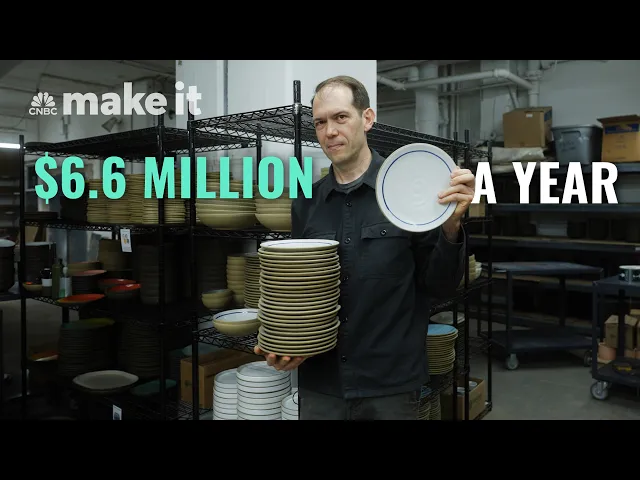
I think it's safe to say that it's pretty hard for a ceramic artist or someone who studied clay to build a business that's bringing in over $6 million per year. As someone who now has a 30 person company, I have 13 kilns, we're making over 1,400 pieces per day sometimes. I feel like I'm living the dream of a ceramic artist.
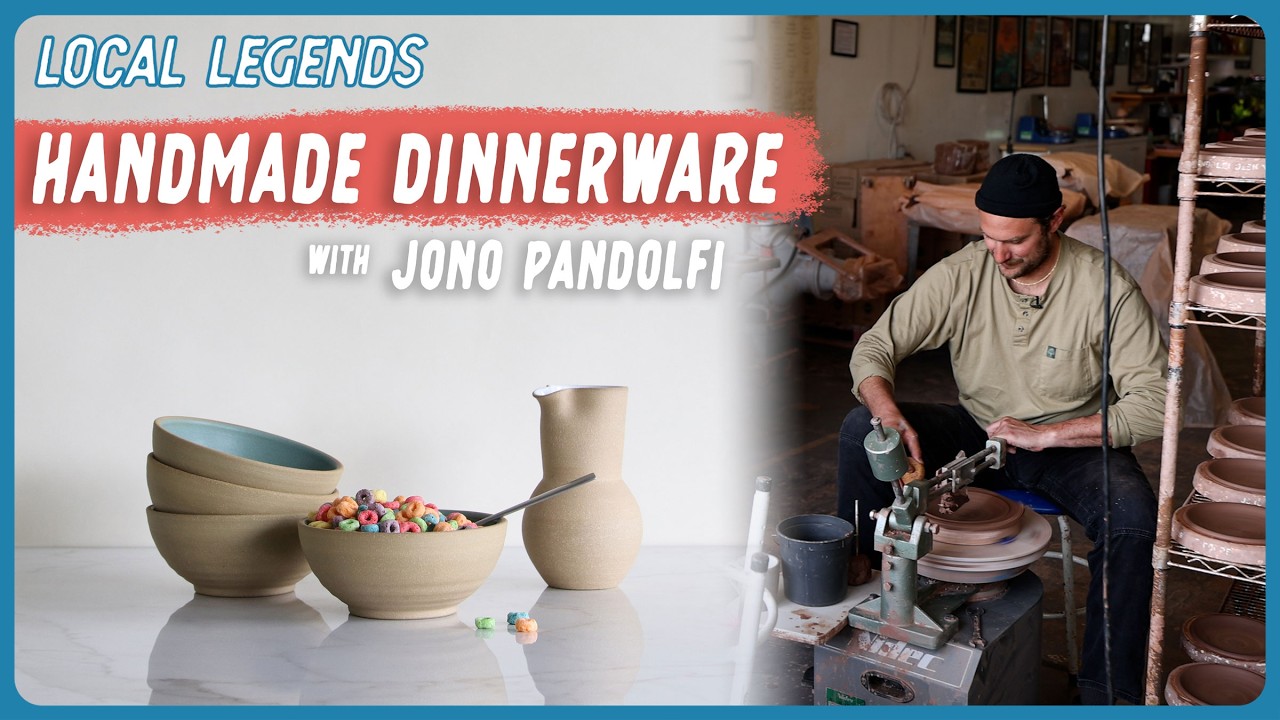
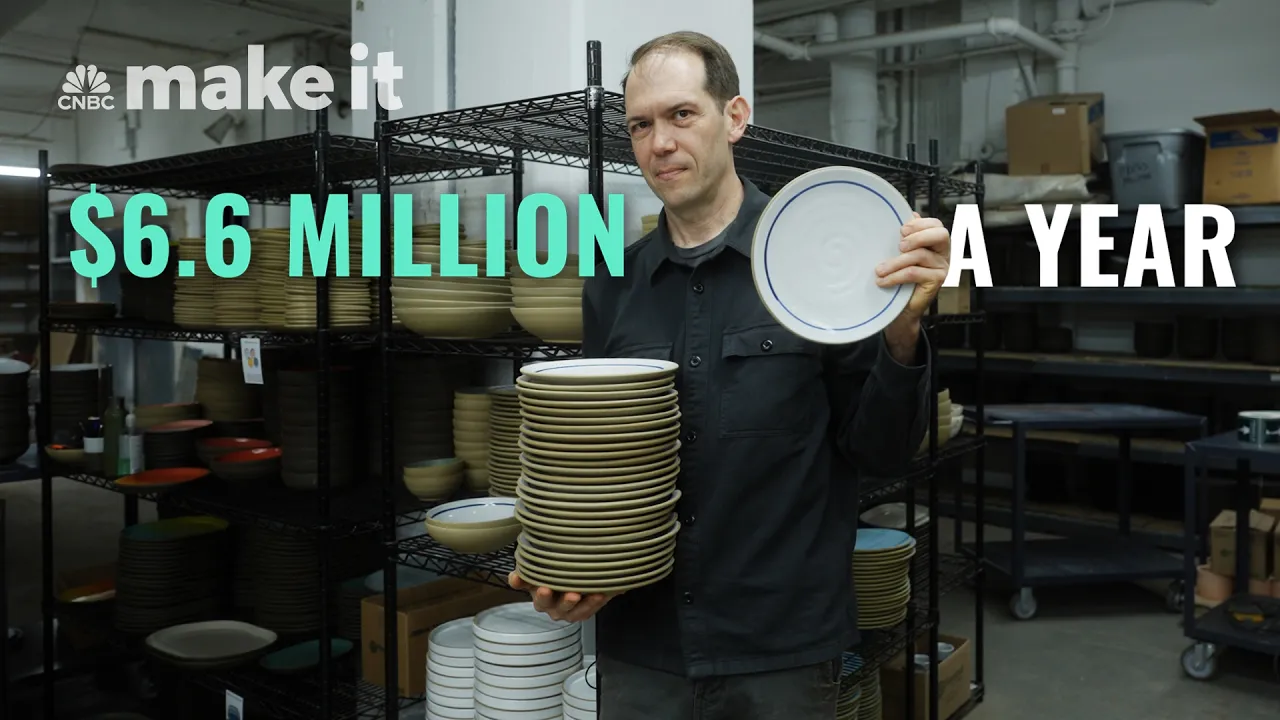
My name is Jono Pandolfi and my business brought in over $6 million this year selling handmade dinnerware. So over here we've got some of our toasted clay with white glazed dinnerware. This is actually the collection that Carmy used on The Bear season three.
My favorite part of my job is knowing every day that I come in, that we're going to unload over a thousand pieces out of our kilns, and all of those pieces are going to head out almost immediately into restaurants all around the country. People are used to just sort of generic plates. They don't really notice the plates they eat off of.
And then once upon a time they come across our product and it's different. They flip it over, they discover our brand, and it's a professional chef or someone eating at home. I think people really do find that their food looks better and it puts some fun back into cooking.
This is our Union Bowl, which I designed collaboratively with our friend Missy Robbins. So this is like a really perfect pasta bowl. We retail a dinner plate for about $50, and that plate is made out of about $1 worth of clay.
But the labor is the greatest cost by far on a piece like that or on all of our pieces. So I think the really beautiful and unique thing about Jono Pandolfi plates is that it's stoneware, which is a very humble product that's elevated and made so beautiful, and it pairs so wonderfully with what we do here, and having these beautiful plates be the canvas, so to speak, for our work is just really wonderful. Since we've grown, we've become a little bit more adept at selling to the direct-to-consumer market.
My company is on track to bring in over $6. 5 million in 2024. So this is where the clay comes in.
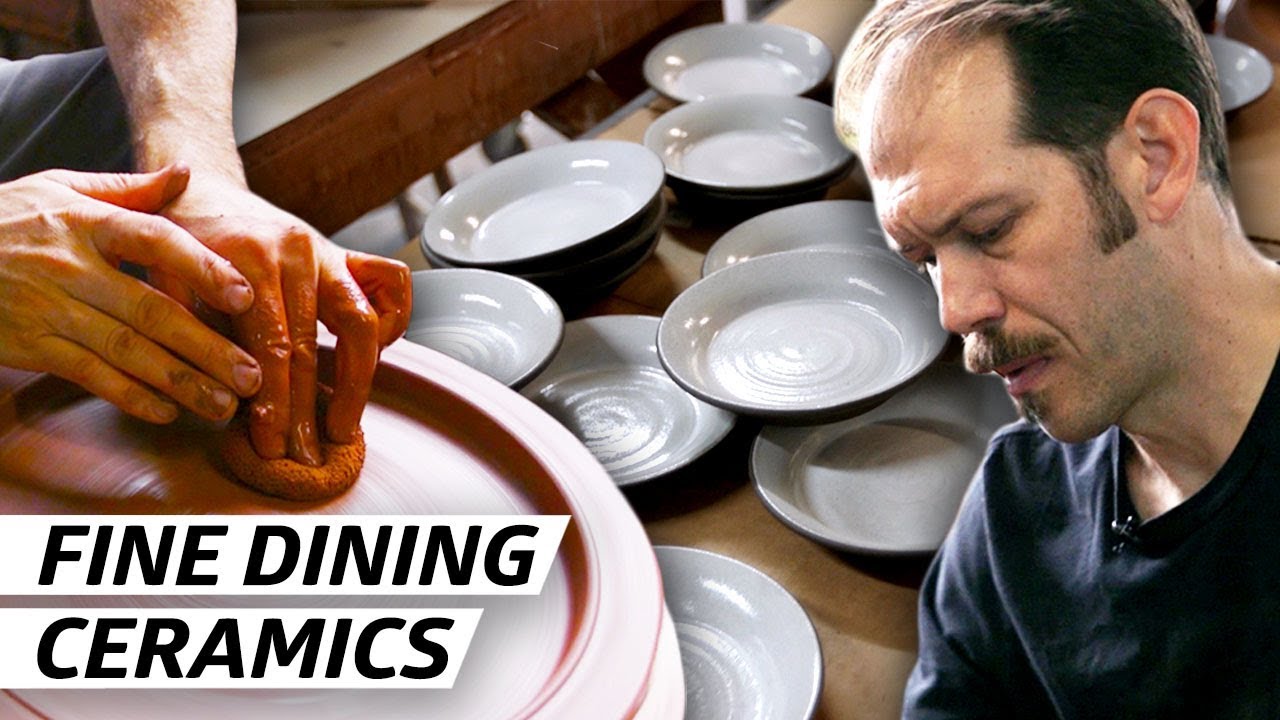
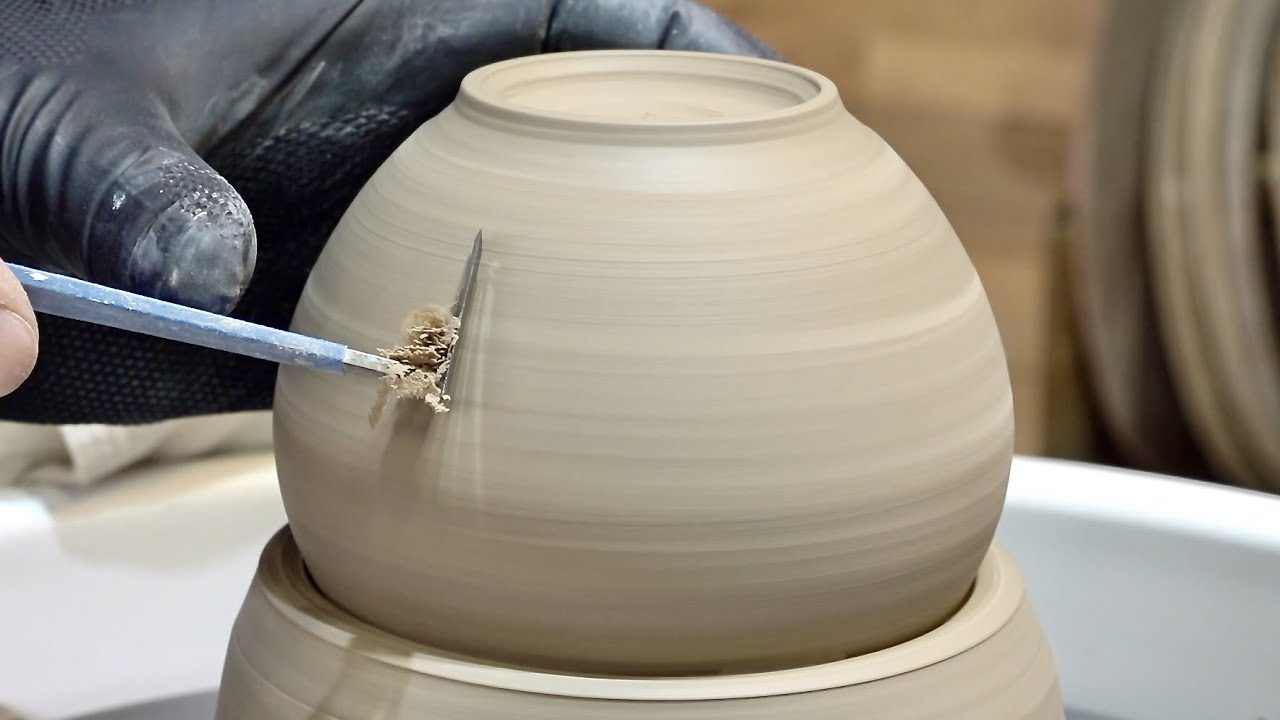
This is where we shape it into plates, cups, bowls, all that stuff. At this moment, we're making about 1,200 pieces per day on average. I think one reason why my company has been really successful and continues to be successful, is that we occupy a pretty unique niche in our marketplace, and our marketplace is hospitality dinnerware.
We're small, but we're able to compete with the bigger companies, and we've built this business entirely on our own cash flow. The only loans we've ever had to take were for our biggest investments, which are our gas kilns. And those kilns pay for themselves relatively quickly anyway.
We've raised our prices about 7% this year, even though a lot of the prices of some of our inputs have gone up a lot more than that. So we try to build more efficiency into our system as much as we can to keep our prices low. So this machine takes new clay and scrap clay, mixes it, takes all the air out of it, plugs out these logs which we slice into pucks, which make all of our different pieces for the roller department.
I'm originally from New York City. I was born here. I grew up just north of the city in Westchester.
I discovered ceramics in high school and I really fell in love with it. It was sort of an escape for me from more of a typical academic path perhaps. For me, working with my hands almost felt like a non-negotiable.
Working a desk job didn't fit my personality, didn't fit my vision for how my life was going to play out. So this is our dark brown with white glazed stoneware. This is definitely our core of our collection.
I really didn't have the big picture figured out. And in 2010 I was let go from a tableware manufacturer, and it was a pretty scary moment for me. I had a new baby on the way at home, but ultimately I felt a lot of relief because I wasn't happy there.
I'm really an entrepreneur deep down, but when I did lose that job, I felt really freed up and I was excited to kind of explore what came next. My first big handmade order for Anthropologie was about a $40,000 purchase order, and that was about 400 teapots. I was the only employee here.
I was definitely working probably 50, 60 hours per week, spending a lot of time on the weekends. I was really looking for any avenue I could find to pursue and find ways to make work and get it out there into the world. So it was very serendipitous that a good friend of mine, who was also here in the city, was working for a pretty big restaurant company.
It was over 6,000 pieces in the order, and it was over $100,000. So I knew that it would be worth almost any risk we could take to get that job done, because I knew it would put us on the map once we started producing bigger dinnerware orders here in New Jersey, from 250 to 500 to 1,000 pieces, I knew we would need our first full-time employee. A lot of business owners, especially small business owners, especially people with only 1 or 2 employees, it's difficult to let go of certain parts of the job or the process that you feel connected to or really in touch with.
And I think the more you can let go of those things, you're going to be able to focus on the neglected parts of your business. When the pandemic came along and it was our first chance in years to really slow down, take a step back and say, okay, this is actually a chance to reconsider our product offering. And by doing that, we were able to make 2020 a fairly successful year.
So a little over half of our business is hospitality. The other half is direct-to-consumer through our website. If you look back at the way that I've built the business from the get go, it's always been incredibly important to me that every little bit of growth that we have and that we attain is not something that we're going to have to undo.
So I feel my biggest approach as a business owner from day one has been to kind of build this in a bulletproof way, in a long lasting way. Ideas can take off and can take flight. And if you pursue it with gusto and you feel excited about the mission that you're on and you have a product that people are excited about, things are going to continue to develop as long as you are willing to facilitate that.
So it's really incredibly gratifying. I feel incredibly grateful to be doing it.