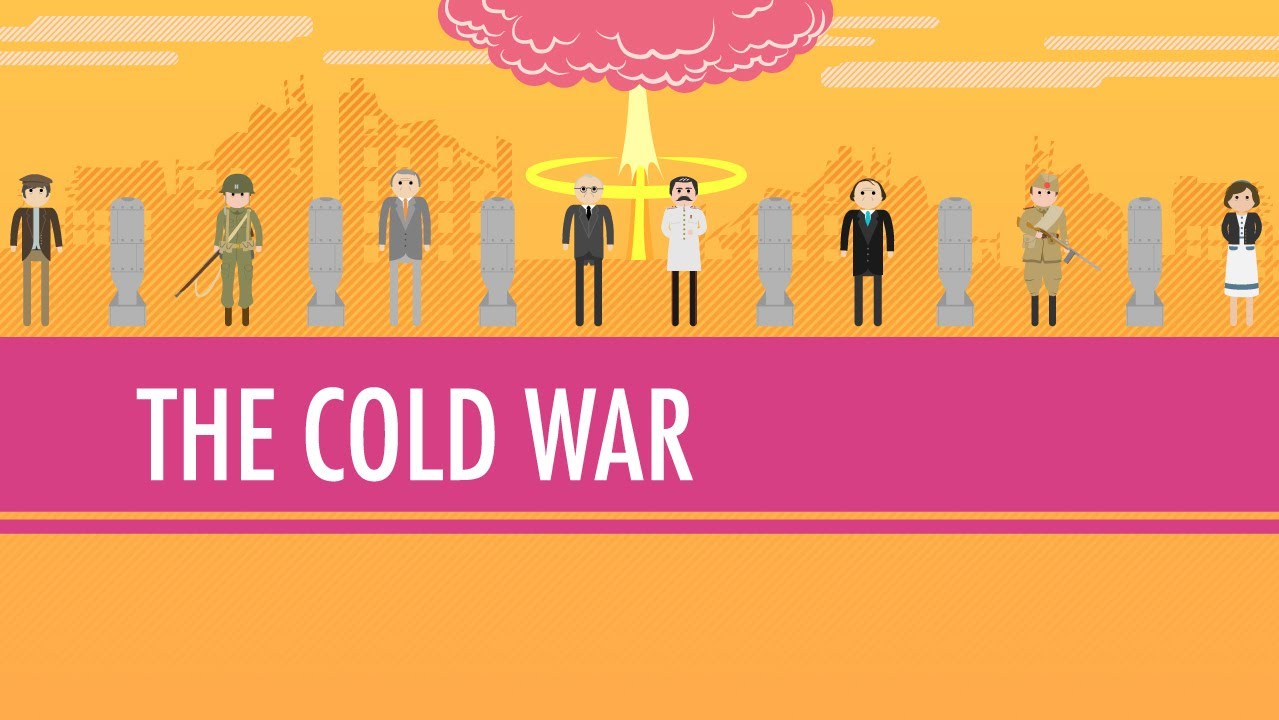
hi I'm John Green and this is crash course European history so obviously the allies of world war ii were a diverse bunch when it came to big questions like whether democracy was good and also whether capitalism was good but while fighting the total war that was world war two they managed to hold themselves together as an alliance and negotiate with one another on the conduct of the war but as we've seen again and again in history once a shared enemy is vanquished friends discovered that maybe they aren't so friendly after all a post-war conflict was brewing between the United States and the USSR which would come to be called the Cold War [Music] so in February 1945 as the war was drawing to a close in Europe and the defeat of Germany looked certain Allied leaders Franklin Roosevelt Joseph Stalin and Winston Churchill met at Yalta this was followed by a final meeting at Potsdam outside Berlin in the summer of 1945 after Germany's surrender but before Japan surrendered that August so Churchill and Stalin in Roosevelt's absence had already made tentative agreements to divide Europe into eastern and western zones but at the Yalta meeting the big three agreed that the German surrender needed to be total and unconditional by that time Soviet forces were within 40 miles of Berlin and the Soviets gained concessions from Churchill and Roosevelt on Soviet influence in Poland which had after all frequently been adversaries main invasion route to Russia unless you're the Mongols or the Japanese sorry Stan you ran the Mongol Taj too soon but speaking of Japan the United States was also keen to compromise with the Soviets because the u. s. wanted help in defeating Japan then at Potsdam the status of post-war Germany was finalized the defeated nation was divided four ways among the three main powers and France Berlin deep in the Soviet zone was similarly divided into four sections and the agreement also decreed that German leaders would be tried and punished if found guilty which many eventually were at the Nuremberg trials as Allied leaders hammered out these both were Arrangements their representatives created the United Nations to replace the League of Nations the early alliance against the axis had also called itself the United Nations and the name stuck as the title of a new institution for global cooperation because you know branding is hard the idea for the United Nations is that it would like the league adjudicate disputes but unlike the league the UN would also be able to take collective action in case of aggression threatening member states both through international economic sanctions and via a truly global armed force which had never existed before the UN's ruling structures however were of course created via international negotiation and during that process Stalin got the group to agree that any permanent member of the Security Council would have veto power and even today China the US the UK France and Russia are the five nations that can veto any measure put before the UN Security Council which has limited its power dramatically still the UN created many important documents and guidelines in its early history perhaps most notably the Universal Declaration of Human Rights which sought to enumerate the rights every human should have including the rights to be free from slavery torture and the right to equal protection under the law after the war the Soviet Union and the United States emerged as powerful military States replacing the dominance of Western European nations in global politics because those countries had collapsed economically and suffered massive destruction to their agriculture transportation and industrial capacity not to mention loss of life in contrast the United States was less in harm's way during the war and post-war productivity boomed making the u.
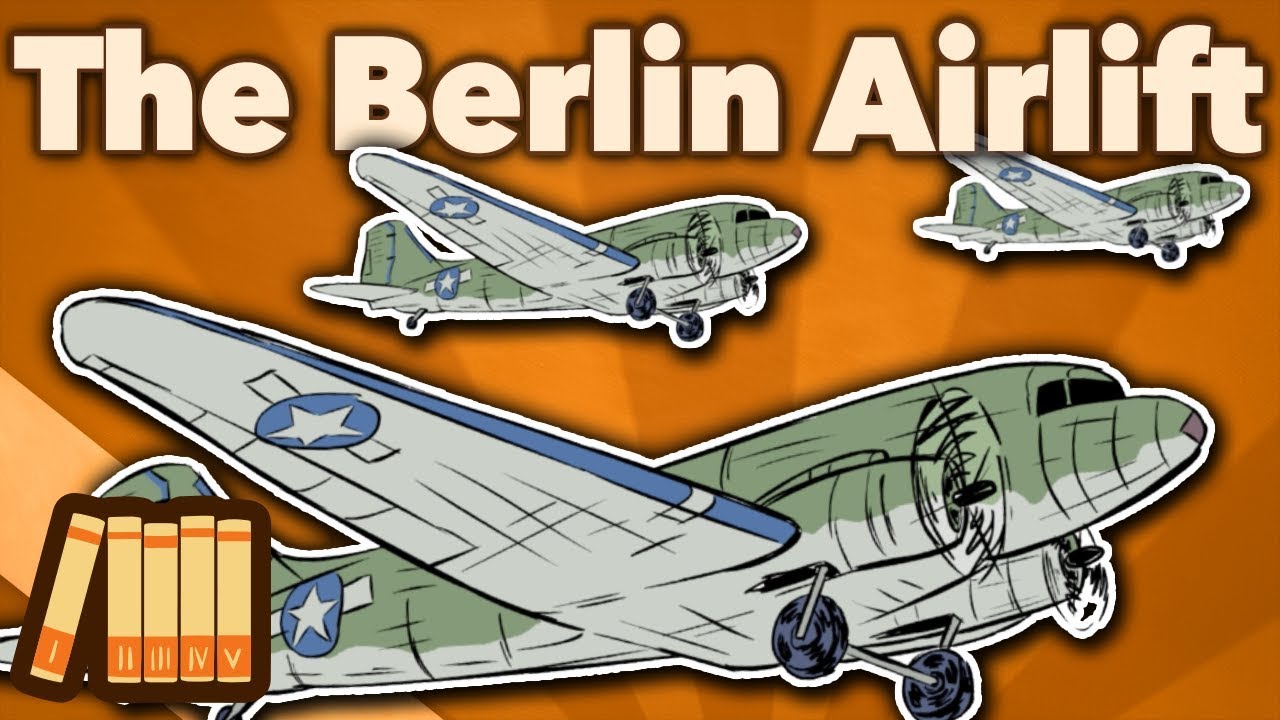
s. the wealthiest country in the world I mean the United States gained two-thirds of the world's total supply of gold through sales of military equipment and other products the USSR also became a militarized state with powerful weaponry but Soviet losses had been immense in the war not just in terms of damaged infrastructure I mean recent studies show the Soviet Union may have suffered as many as forty seven million wartime dead but it had growing industrial capacity lots of Natural Resources and of course was able to draw a lot of support from Eastern Europe many in Europe credited the USSR with having contributed the most toward defeating the Axis powers on the continent but the costs not profits like in the United States had been huge and even as the war ended these two powers were already facing off both of them racing in the last year of the war to take as much territory as possible and thereby to block the influence of the other with victory declared US President Harry Truman immediately cut off aid to the USSR whose people were literally starving due to the massive destruction and the USSR believed that the United States was weaponizing food in an attempt to destroy their access to it for their part US diplomats interpreted the Soviet move westward as a step toward taking over all of Europe which seemed plausible on a couple levels first off the world was just coming out of a war in which one state had tried to take over all of Europe but also the USSR had forced the ejection of non-communist politicians from Soviet influenced governments in Eastern Europe by 1950 communists backed by the USSR were more or less running major states in Eastern Europe such as Poland Czechoslovakia and Hungary that task was made easier for the USSR by the fact that the Soviet army still occupied much of Eastern Europe the USSR also began seizing industrial machinery from its zones of influence in Germany scientists industrial workers engineers and other prized professionals were also taken forcibly to the USSR to help rebuild and that violated the Allied plan that the eastern zone would provide agricultural products to the Western zones and the Western zones would produce industrial products for the eastern and so the Allies decided to combine their zones and plan the creation of a West German state hardly to advance the recovery of Western Europe so that it wouldn't be susceptible to Soviet influence the United States began sending vast funds and goods to help war-torn nations in the West rebuild in what would be formalized as the Marshall Plan in 1948 from the Soviet perspective this seemed like a bribe to gain European support for America which it sort of was and the USSR was too impoverished by the war to provide similar bribes it's also worth noting that throughout this period in Europe communist parties did have some popular support many saw the Soviets as the major liberators from German fascism and felt that communists were attuned to the needs of the poor and hungry while some argued American capitalism seemed mostly to benefit the rich and well-fed so it wasn't as simple as east communists west capitalist it never is that simple in June of 1948 Stalin fought back against the Marshall Plan with his only ace of display of military might he blockaded goods and aid from entering the city of Berlin which you'll recall was deeply in Soviet held territory Americans British and other allies responded with a massive airlift of food and fuel nicknamed operation vittles now there is a good name for an operation at any rate Stalin claimed the entire city of Berlin as fully part of the Soviet zone of influence and expected the u. s.