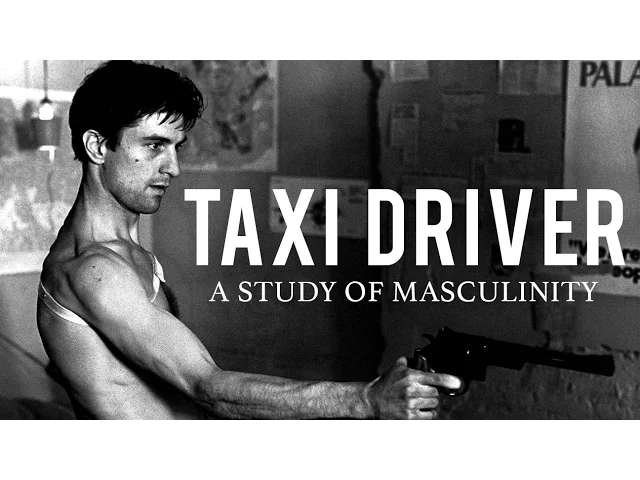
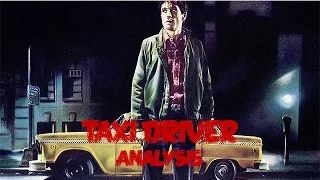
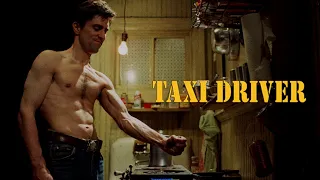
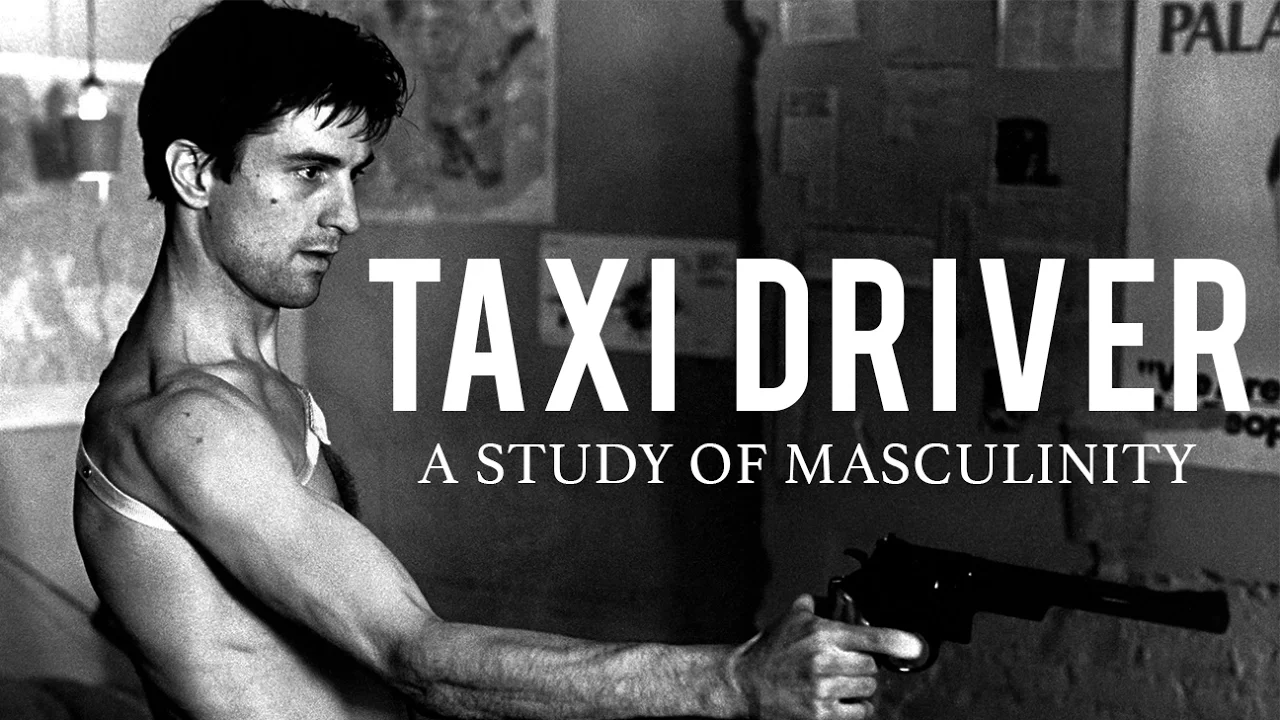
[Music] the first thing that people often note about taxi driver is how hypnotic it is the film depicts a nightmarish portrayal of mid1 1970s New York City with its Stark use of Shadows vibrant Reds and omniscient camera movement director Martin soresi has explained that the idea for the film arose from his feeling that movies often behave as dreams or drug induced reveries and that the hypnotic sensibility of the film operates as an attempt to incubate the viewer with the feeling of being in a limbo State between sleeping and waking in writing the script Paul Shrader
has cited the Diaries and assassination attempts of Arthur Bremer as inspiration for Travis's destructive ambition as well as dov's Notes From The Underground in which an isolated and bitter narrator delivers rambling monologues much like the diary entries that are ever present throughout the film and Trader states that he saw the script as an attempt to take the European existential hero and place him in an American context and by doing so the subject matter devolves to become more juvenile in nature and if you listen to Travis's journal entries you'll often find that they're childlike and contain
little or no actual substance all my life needed was a sense of someplace to go I don't believe that one should devote his life to morbid self- atttention I believe that someone should become a person like other people his world view isn't intellectual but rather shallow and conceited Travis struggles with existential grief but isn't smart enough to recognize the source of these issues his biggest problem is he can't understand the source of his turmoil and this causes him to project his anguish externally through Strokes of brutal violence now soresi has remarked that much of the
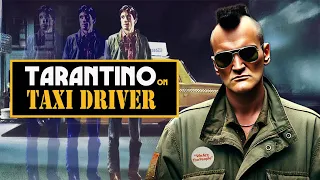
film was inspired by John Forge the Searchers and that Travis in many ways is a contemporary manifestation of Ethan Edwards a character who was also narratively focused with rescuing women let's go home Debbie and there's tons of Western and Native American imagery littered throughout the film Travis dresses and behaves like a cowboy his taxi cab operating as his horse metaphorically speaking [ __ ] you're a real cowboy sport can be noted as wearing Native American clothing and Travis Dawn's a mohawk haircut in his most destructive phase of the narrative and like the Searchers racism plays
as a subtle backdrop to the film stoking Travis's violent nature you see much like Ethan Edwards Travis is a societal reject in fact Betsy remarks on his strange personality early in the film he's a profit and a pusher partly truth partly fiction walking contradiction and she's right Travis is a walking contradiction he hates the scum of New York but frequents porno theaters and drives around prostitutes he talks about maintaining a good diet but he pours Liquor on his breakfast and Pops pills constantly the truth is Travis is lonely and as a result he's a mish
mash of various ideologies for example note how even though Travis mentions he isn't political he puts palentine stickers all over his apartment why because Betsy the woman he's attracted to is a political supporter of him so he latches onto this his whole courtship with her is based around this notion that Travis is desperate to fit in to reassimilate himself into a normal life after his time in Vietnam and this Segways into what I want to talk about the women of taxi driver because this film is at heart about Travis's relationship with these two women and
whether it be the violently sexualized world of Iris or the politicized superficiality that Betsy surrounds herself with the lives that these characters lead are paralleled and furthermore mirrored by Travis's clouded attempts at heroism so let's begin by looking at Betsy she is first introduced to the audience in an Angelic manner as a woman who is pure Travis remarks on this in one of his first journal entries saying they cannot touch her and notice how this shot in specific makes an overt attempt to display the distance between the two Travis only at her from afar as
if window shopping on a lifestyle that he can never truly be a part of but while Betsy is pure iris is anything but she's dumped into Travis's car like a Lost Child come on man get me out of here all right but for Travis the bridge quality between these two women is the men in their lives what Travis notices and clings on to with Betsy and Iris is that both of these women are puppets to social and political figures but this perception is largely formed after Betsy rejects Travis romantically you're in a Hell and you're
going to die in the hell like the rest of come on now there's a cop across the street you're like the rest of them he's incapable of seeing Betsy's dismissiveness as anything other than a superficial perception of his Persona and this is key to his character Travis develops hatred for the lifestyles that reject him I'm hip but you don't look hi and as a result his repressed egotism grows he labels palentine in sport as figureheads for his Vic ation Travis expresses this frustration early in the film ironically to palentine I think that the President should
just clean up this whole mess here you should just flush it right down the [ __ ] toilet and palentine's reaction is to feed him a political lier to flex his personality well uh I think I know what you mean Travis but it's not going to be easy we're going to have to make some radical changes damn straight now if you compare the scene to the one in which sport is first introduced the framing demonstrates just how different these men utilize their strengths palentine was in full view in Travis's cab using his power of speech
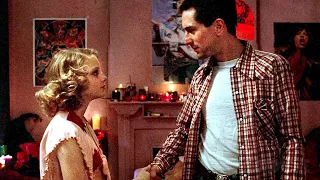
and Charisma alternatively we aren't shown Sport's face only his torso is shown through Travis's window and scorsi Frames this strategically because sport is a man characterized by his physical qualities whereas palentine relies on charm and this contrast of physicality versus personality is is demonstrated in other ways throughout the film as well for example take this scene in the beginning of the film with Betsy and Tom that taxi driver has been staring at us notice how when Betsy is initially bothered by Travis's presence she sends Tom her guardian to verbally excuse Travis hey you're blocking our
doorway you think you might want to move the cab she uses politics to dismiss her problems on the other hand when iris is bothered by Travis's presence she grabs the arm of a man to protect her want to take a walk yeah and so these themes of status and masculinity begin to sink into Travis's psyche triggering his destructive Rampage he decides that he must defeat Sport and palentine in this pseudo westernized battle in order to give his life a sense of purpose as he puts it in a 1976 interview with Roger eert Scorsese and Trader
explained that taxi driver in many ways is a feminist film and that Travis is an exploration of the confused m masculine character Scorsese remarks that Travis exhibits the goddess [ __ ] complex a psychoanalytic condition first identified by Sigman Freud in which men cannot achieve Intimacy in a loving relationship and thus tend to Define women as either madonas or [ __ ] in Travis's mind Betsy and Iris become symbols of status and Purity and so he deludes himself into believing his avengement is motivated by altruism to rescue them from oppression but in reality it his
actions are larger attempts to display his masculinity towards the aggressors in his life and because he was romantically rejected by Betsy he resorts to expressing his masculinity in a psychosexual form of violence suck on this now what's fascinating about the Final Act of the film is Travis's immortalization he becomes an accidental hero and it's no secret that he's monstrous in his intentions in bets's World Travis is a vigilante eager to advance the decay of society in iris's he's a cowboy A Lone Ranger ready to rescue a captive and in this regard Travis is mistaken by
the public as a hero ironically the film fulfills Travis's self-declared Destiny in an accidental and superficial sense I read about you in the papers how are you now many have speculated that the film's final scene is a dream sequence but I take issue with this for a number of reasons because while this scene has a dreamlike tone there is an underlying hint of unease that to me defines the ending more definitively The Narrative perspective of this film is singular and because of that we view the world through Travis's eyes and if you study this scene
you'll find it's entirely composed of tight close-ups of Travis Betsy is only framed through his rearview mirror as if to present her a step removed from reality but none of this is to say that what we're seeing is a dream sequence Betsy's presence in this scene makes sense narratively speaking the surreality is simply a product of Travis's fractured view of reality and the pivotal moment is after Betsy leaves when we see Travis's manic being show up again it's in this moment that we see Travis is still deeply unstable he's a ticking Time Bomb waiting to
blow again this film is in essence a study of what happens to man in solitude how loneliness shapes him drives him to to points of insanity and to me the most interesting facet of Taxi Driver is how scorsi fools us as an audience we're seduced into liking Travis into finding his condition relatable in some senses but at some point he betrays us and it's in this trick that scorsi forces us to look inward at [Music] ourselves