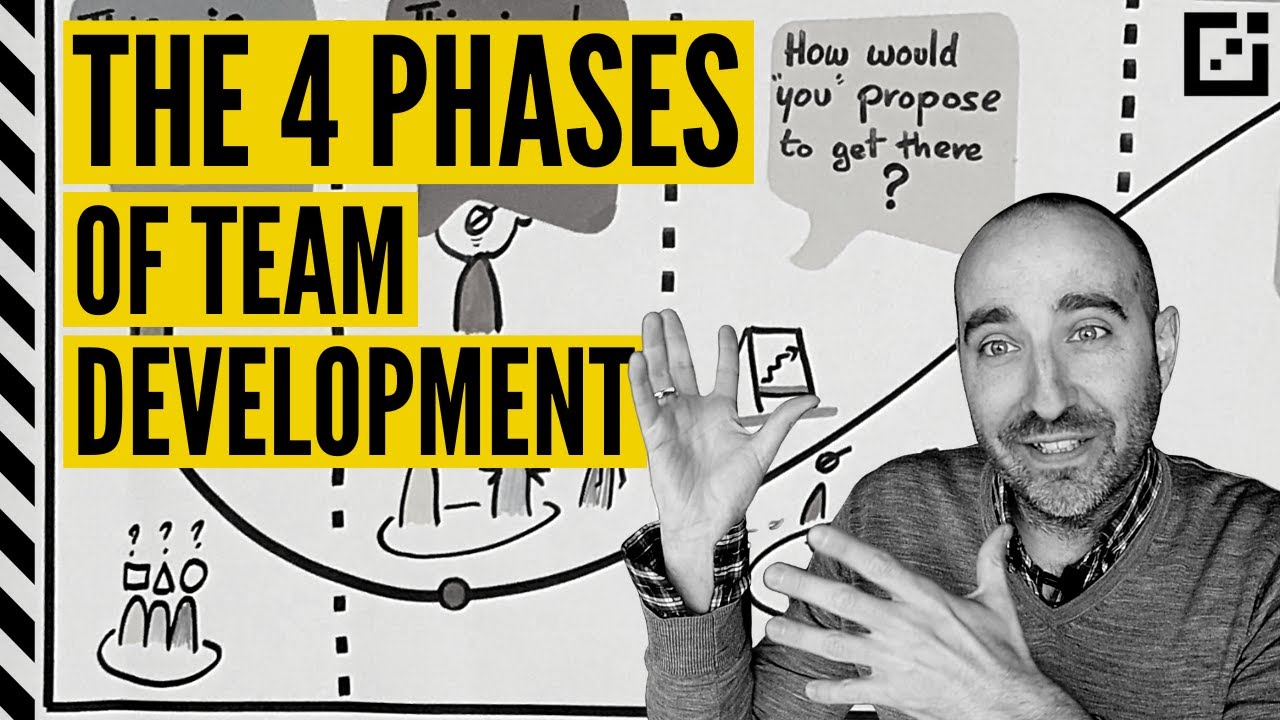
perhaps the best known and most widely used model for how groups develop into a team is that developed by bruce tuckman the tuckman model so in this video i'm going to explain how the tuckman model works the tagline model was developed in the 1960s by bruce tuckman and then further refined in collaboration with mary ann jensen in the 1970s it's a hugely influential model and by all accounts my favorite model of team development tuckman said that the success of the model was almost certainly due to the fact that they chose rhyming words for the different
stages of the model which made it easy for people to remember and whilst i think there is definitely something in that i would also say that the tuckman model is almost the perfect model and that it strikes the ideal balance between simplicity and sophistication it is simple enough that we can easily understand it and memorize it there aren't huge numbers of stages and components that make it complex to understand but on the other hand there is enough in it that it carries the sort of sophistication and subtlety that we need to explain a broad range
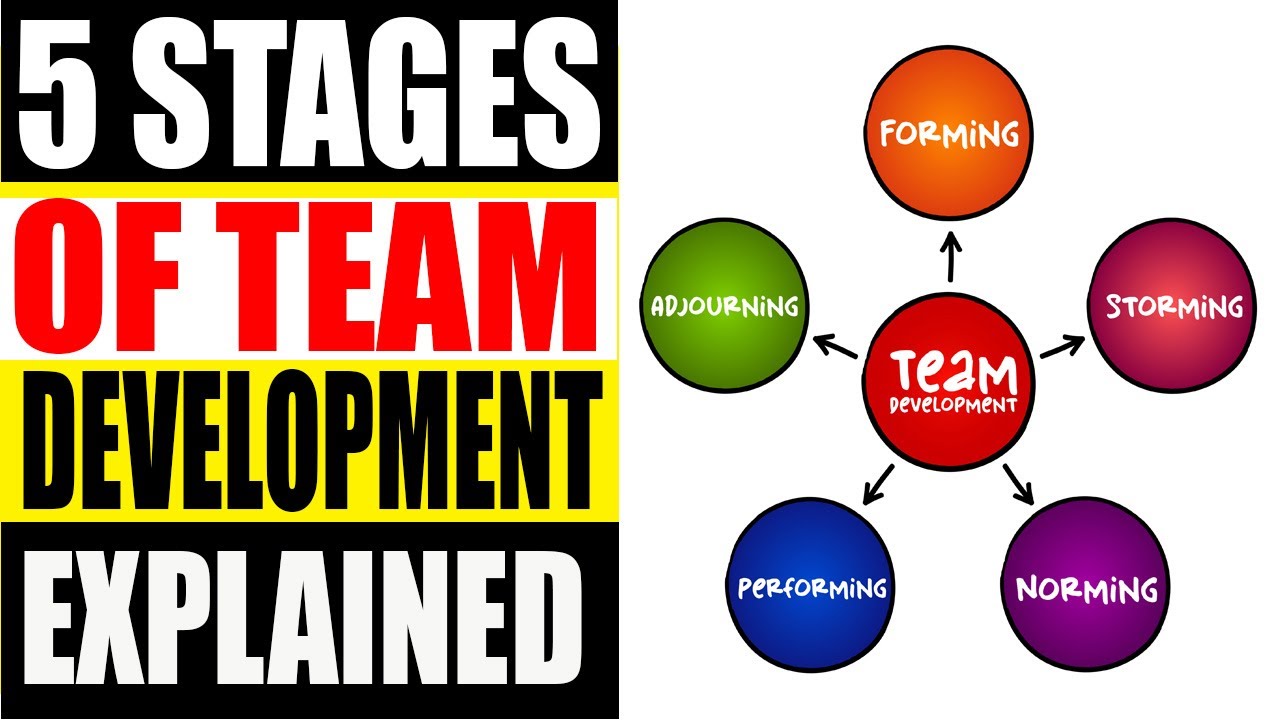
of experiences and to accurately predict what will happen in many cases building is difficult getting that balance between simplicity and sophistication is hard but tuckman has hit the nail on the head so let's have a look at tuckman's model which some people call the warming model and you'll know why when you hear the names of the stages and that first stage is the forming stage the forming stage is when the team first comes together at that stage they are not a team they're just a group of people who don't know one another or who may
know one another a bit so at this early stage what people will do is try to get to know one another they will ask each other simple questions their conversation will be at a superficial level what they're trying to do is to get some measure of each other and to get a sense of where they have things in common what the team will really want to do is to get on with some work so your job in leading the team is to keep them active and in doing the work they will start to get to
know one another but of course once people start to get to know one another personalities will start to emerge at the early stages we're kind of suppressing elements of our personality because we want to see how it fits in with other people but as we feel more confident our desire to fit in is exceeded by our desire to be true to ourselves some people of course will push for a dominant role within the group they will try to assert themselves others will be less confident less assertive and will be looking for a niche they'll be
looking for allies and with whom they can get on and also roles that they can feel comfortable in you will find that this is the stage where people start to argue they will argue with the tasks they are set they will argue with the leadership they receive and they will argue with one another this is the stage that tuckman called the storming stage it is intensely psychological the team has moved from a very low level of confidence to enough confidence to assert itself and yet still they are not completely comfortable with the work that they
need to do but this intensely emotional stage is draining on people and eventually they will settle down people will start to feel that they've got a place in the group and once they feel they've got a place in the group they can retreat into getting their work done so the next stage which tuckman called the norming stage can be highly productive what we tend to find in the norming stage is people settling down and getting on with their work in the background people are also trying to find ways of working with one another the team
will move towards a consensus of the kind of behaviors that work for it and this is what psychologists call norming they are finding norms of behavior patterns of working which work for the team if your leadership is effective then you can move the team on from the norming stage to the final stage of tuckman's original model and that's the performing stage if people have found good ways to work with one another and they have started to build good relationships then they can start to help one another they can provide creative input support in problem solving
guidance support with difficulties as well and that means the team will work as one they will start to collaborate they will be working on their shared goal together and now the level of performance of the team will take a jump if you've ever worked in a team where it has been a joy to be part of that team even though the other members of the team may not be your best friends you felt that you were achieving great things together this is a team in the performing stage it has achieved a high level of performance
and it's huckman's original work this was the end of the story but in the 70s working with mary ann jensen they re-examined the model they confirmed that the forming storming norming and performing stages were still consistent with all the most current research but they also identified that there was another stage because a team that has worked well together and performed well together and formed productive workplace social that is then split up to go its separate ways we'll find that disruptive they called this next stage the adjourning stage the team adjourns but many people like myself
prefer the term mourning because although it would be crass to think that a team splitting up is rather like a personal loss and a bereavement the sensors in our brain that cope with it are the same ones they just cope with it at a lower level of intensity and therefore the right thing for the team to do when it splits up is to do the sort of things we do when we are mourning the loss of a loved one we need to acknowledge that something valuable is being lost and celebrate what we had if the
team does not mourn then the individuals may not comfortably move on to their next team role now in the 1990s i worked on a lot of teams on a lot of projects in different organizations and i saw the tuckman model play out i saw the forming storming norming performing and mourning stages all play out in my experience however i also observed that something else happened sometimes the team would be working well it would be in the performing stage then one or two people would leave new people would come in or maybe the same team would
be re-tasked from this job to another job and strangely this high performing team stopped performing as well at least for a while i refer to this as the transforming stage and it reminds us that we need to remember that when people from the team leave when new people join the team when the team has different work to do it changes enough that the team may no longer be in the performing stage it may slip back to a norming stage finding new ways of working with the new people in the team or new ways of working
together on the new task if it's a big enough change there may be arguments about the new roles that people have on the new task or filling gaps for people who have left and those arguments can feel a lot like the storming stage if the change is huge then people won't really be sure where they sit within the team and what it's all about and it might even feel like the forming stage all over again so that's the basic tuckman model i wonder if you recognize it from your own experiences because i certainly do from
mine we'll develop our thinking about this more as we go through the next modules in this course but for now the important thing to remember is that a team will storm it will go through the forming storming norming and performing stages if led well but even if it jumps straight from coming together to performing well under pressure to perform after a while the team will storm when the pressure comes off personalities without and people will start to argue so don't necessarily think that the cycle of forming storming norming and performing is a rigid one the
tuckman model is a hugely flexible model and it's one that i believe every manager should know should understand and be able to call to mind when they are working with a group that needs to develop into a team please do give us a thumbs up if you like this video there's loads more great management courses content to come so please subscribe to our channel and hit the bell so you don't miss any of it i look forward to seeing you in the next video and in the meantime keep learning
![Team Development Stages [TUCKMAN MODEL EXPLAINED]](https://img.youtube.com/vi/Eq-4kZ5IVGY/maxresdefault.jpg)


![Team Development Models [Compilation] - 5 ways to understand your team](https://img.youtube.com/vi/ST6tnz5CAPg/maxresdefault.jpg)