I have this idea that I call the the feather brick dump truck phenomenon and basically what that means is when we are showing early signs of burnout our body will give us feedback usually in subtle ways in the beginning so the feather might be waking up in the morning and feeling a little bit tired a little bit maybe a little bit exhausted the brick you know maybe you ignore that or you don't notice it and then three or Four weeks later you you have like a fight with someone or an argument or you just you
just feel fr gred and terrible and you you lose your lose your cool and then maybe the the dump truck is a month later or even a year later there's like a full-blown Health crisis or you develop type two diabetes or you know there's a whole range of things or maybe you get fired like ideally you want to notice when it's the feather and then make adjustments or shifts then and not Have to wait until you experience the the full-blown pain of the of the dump truck which unfortunately is what happens to a lot of
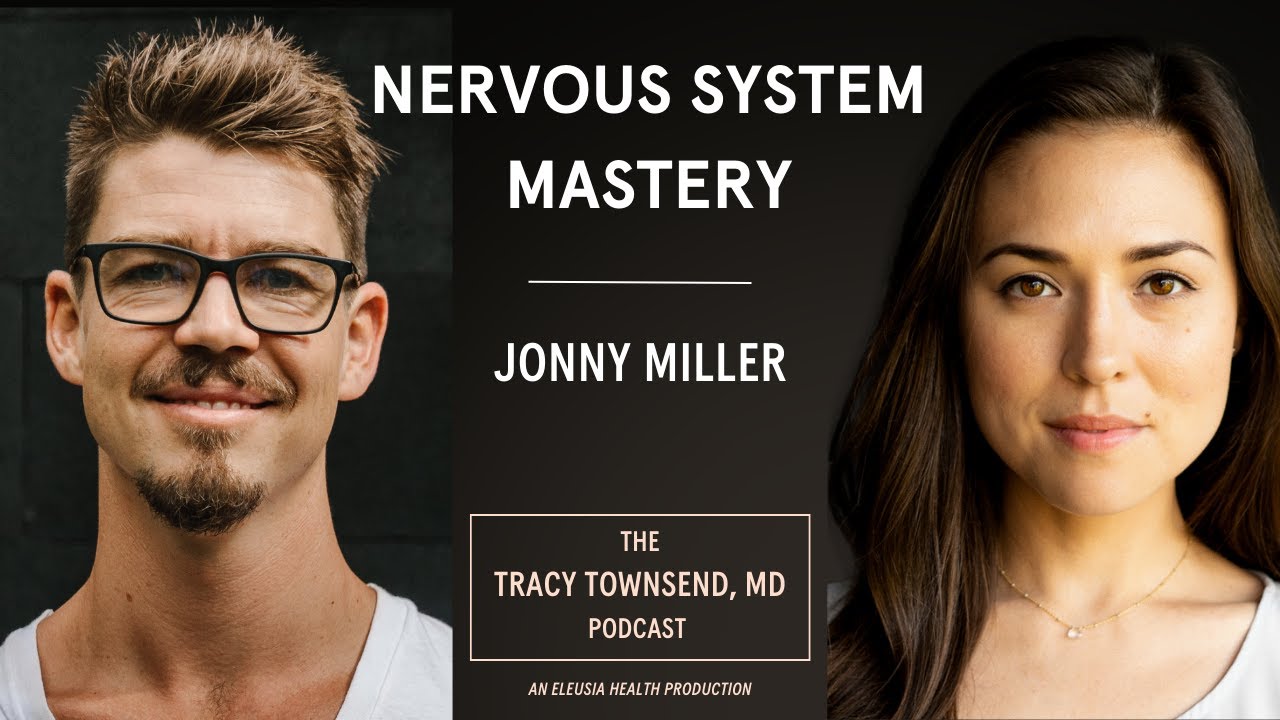
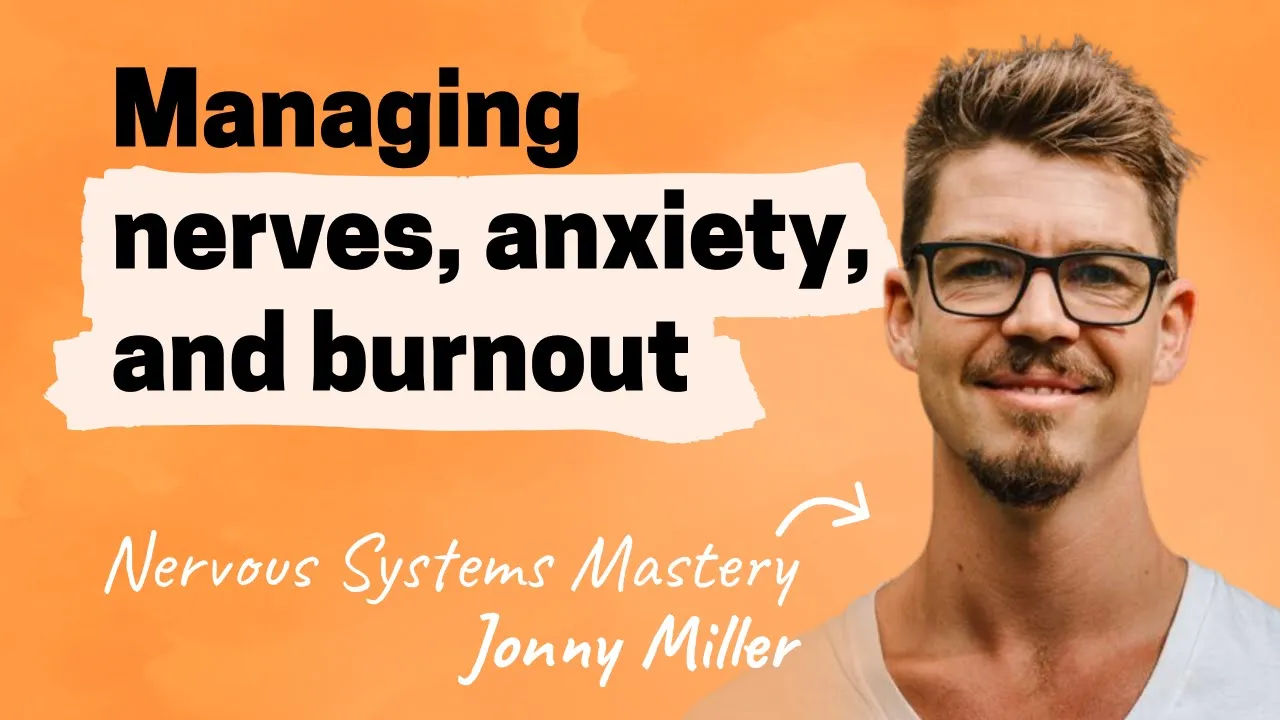
people especially when they experience burnout for the first time today my guest is Johnny Miller Johnny teaches courses and does one-on-one coaching with tech professionals helping them with something he calls nervous system Mastery which is essentially a set of tools and techniques for Cultivating calm upgrading your resilience and increasing your aliveness if you can get better at dealing with stressful situations avoiding burnout and being more confident in meetings and big presentations it becomes a superpower and a huge advantage in both business and in life I actually read a post by Johnny about a year ago
and it totally changed the way that I think about nervousness and stress and I still apply many of his lessons today in our Conversation we dive deep into Johnny's key insights we talk about why the best way to stay calm in stressful situations is to focus on the state of your body and not your mind how to create calm and confidence by changing the state of your body through breath Johnny shares a bunch of very specific breathing exerc exercises for creating calm and also for creating energy that we actually try out on the podcast we
also get into a bunch of advice for how to tell if you're Seeing early signs of burnout how to release emotional debt that you may be feeling also why feeling the feels gives you a competitive advantage in business also a practice called ape which reminds you to focus on your awareness your posture and your emotions that I've started practicing ever since our chat and so much more if you enjoy this chat definitely check out Johnny's full course at nsasy docomond Us this time of year is prime for career reflection and setting goals for professional growth
I always like to spend this time reflecting on what I accomplished the previous year what I hope to accomplish the next year and whether this is the year I look for a new opportunity that's where today's sponsor teal comes in teal provides you with the tools to run an amazing job search with an AI powered Resume Builder job tracker cover letter generator and Chrome extension that integrates with over 40 job boards teal is the all-in-one platform you need to run a more streamlined and efficient job search and stand out in this competitive market there's a
reason nearly 1 million people have trusted teal to run their job search if you're thinking of making a change in the New Year leverage teal to grow your career on your own terms get started for free at TL hq.com Lenny that's Tal hq.com Lenny this episode is brought to you by vanta helping you streamline your security compliance to accelerate your growth thousands of fast growing companies like Gusto Comm Kora and modern treasury trust Vana to help build scale manage and demonstrate their security and compliance programs and get ready for audits in weeks not months by
offering the most in- demand security and privacy Frameworks such as sock 2 ISO 2701 gdpr Hippa and many many more Vant helps companies obtain the reports they need to accelerate growth build efficient compliance processes mitigate risks to their businesses and build trust with external stakeholders over 5,000 fast growing companies use vant to automate up to 90% of the work involved with sock 2 and these other Frameworks for a limited time Lenny's podcast listeners get $1,000 off vanta go to v.com Lenny that's v.com Lenny to learn more and to claim Your discounts get started [Music] today
Johnny thank you so much for being here welcome to the podcast it's great to be here Lenny so I read this post that you wrote I think it was over a year ago at this point it was called the operating manual for your nervous system and first of all blew my mind when I read it second of all I always think about it when I get nervous or anxious in a situation it's like really stuck With me and I know that people in the workplace often get nervous and anxious doing all presentations meetings performance reviews
all the things so I thought it'd be awesome just to dive into the stuff that you've kind of uncovered about how we can become less nervous and less anxious before we get into the meat of it I'd love to just spend a couple minutes just getting a sense of why you got into this stuff what actually got you to spend so much Of your energy and life force trying to understand how nervous system works how to get people to be less nervous and anxious my story starts in I was kind of have a background in
Tech I had a startup um we went through Tech Stars back in 2012 about 5 and a half years into that experience I went through burnout which is you know pretty common in the in the startup world but that actually wasn't the trigger for me um I find that usually people that get into This type of work there's some kind of catalyst or some kind of challenging life event and for me that was uh October 23rd 2017 and my fiance at the time had an anxiety attack and she took her own life and that kind
of completely just just destroyed me at the time and I realized that I'd been so disconnected from my body and my emotions um and it kind of sent me on this this five plus year journey to uh to kind of discover all of this this inner landscape that I'd been numb from the neck down and I I went into breath work meditation Retreats uh did you know hundreds of breath work Journeys researched with a breath lab over in barley and basically just kind of directed all of my focus and attention onto understanding this this inner
landscape that I'd been pretty much oblivious to and since then I've been you know working with Founders Executives running courses and and teaching what I'm learning and hopefully Still researching at the same time as well wow and I imagine the thinking was that if your wife had these skills she would have had another path yeah that was that was definitely part of it yeah and and also just since realizing how many people are struggling with with anxiety depression all of this kind of constellation of mental health challenges both in the workplace and and at home
as well and yeah it's been a very rewarding Journey all right this This episode's already gotten very heavy and uh and I'm sucked in I'm excited to learn all these things that you've uncovered so let's just get into the meat of it just talk about this kind of General method that you've found for how to help people become less nervous and anxious yeah so I I find this um kind of top down bottom up distinction to be incredibly helpful most people when they try to calm down the they use kind of tactical reframes or maybe
mindfulness Or maybe you know reframing the situation in the positive light there's lots of different practices that people use which do have some effect but in my experience working with with the physiology using what's known as a bottomup approach primarily using the breath although there's also other approaches that you can use it's just such a like rapidly more effective way at shifting your state and to kind of give a little bit of context and maybe Some science as well we have what's known as afferent and efferent neurons kind of going up up and down our
body and there's four times more afferent neurons going from the body to the brain as from the brain to the body so you can almost imagine there's like a Super Highway of traffic of information going up to the brain and much less four times less going from the brain to the body and so by learning how to kind of pull on the levers of our physiology we can Rapidly change our state and then from there by changing our state that impacts the thoughts and feelings that we have so so instead of kind of trying to
change the story or trying to fix something or trying to solve something which is what you know most people do by default myself included in the past if you change your state first then there's a cascading effect which changes your your thoughts and your feelings okay amazing yeah and just to like share how I felt when I was reading this and trying to understand this approach is whenever I get nervous there's always this like oh my body is starting to feel anxious and then I think of a reason like often times I don't know why
it gets nervous why my body's starting to create this feeling of anxiety and then I often realize I'm just now trying to just explain why happen oh I have this like big meeting coming up or I have this podcast episode I'm nervous about Or I'm not going to make a deadline for my newsletter like I often experience this where it's just like oh something feels nervous and then okay here's the explanation so maybe just along those lines what else is there that might be helpful for people to think about in this context I mean I
think it's helpful to um understand the process by which by changing the way that we breathe for example it shifts our physiological State and changes our nervous system so if you're if you're listening to this maybe youen you can try this as well if you if you start breathing into your upper chest of shallow um fairly fairly rapid maybe even through the mouth that will then there's a part of your brain called the insula cortex which is basically constantly spying on the way that we're breathing and it will register that change it will then send
information to activate the the Endocrine system which then creates shift in our in our blood chemistry these sympathetic nervous system gets activated and that increase in Adrenaline and cortisol you know starts to flood flood your body everyone's probably very familiar with that feeling and then that will then have a a cascading impact on the thoughts that you're having and the way that you feel and so like like you like you just shared we have a tendency to kind of Confabulate or make up stories that match the state that we're that we're in and so that's
that's kind of what happens when we're breathing in that way and then you can also consciously change your breath to breathe in a different way which has the reverse effect which which I can go into but I'll I'll pause there yeah so I think one of the big actionable takeaways here there here is that instead of trying to convince yourself no this talk is going to go Great I don't need to worry about how I'm going to look in this meeting basically instead of going top down trying to calm your body through thought your advice
is calm your body first because then your mind will notice hey I'm actually not as nervous as I thought maybe things are going to be okay is that right yeah precisely and um I mean I've used this myself many times before presentations I I gave a tedex talk a Few years ago and I was like my entire body was I was just terrified and I did 15 minutes of of this breathing practice before and walked on stage kind of almost cool as a cucumber it's it's very effective sounds too good to be true but we're
going to do some of these exercises for people before we get into why why is it that breath specifically so powerful it feels like such a strange thing to work so well just this idea of breathing in a different way you talked A bit about this uh I forget what you called it that kind of watches how you're breathing but I guess what else can you share about just why is breath so effective in changing our state sure well it's one of the few things which happens automatically but we can also control it consciously and
so what scientists have discovered that when the exhale is twice as long as the inhale it has a calming effect and when the inhale is either more intense or twice as long As the exhale it has an activating effect so you can kind of think of this as like a like an up or down lever on the nervous system you also have this really clever way of describing this system you call it State over story essentially focusing on the state of your body versus the story you're telling yourself is that the way to think about
it and can you just talk about that concept yeah so it's basically a short hand for for what We've just been talking about which is most people tend to approach the problem or try to solve things on the level of story so there's multiple ways you can do that through the breath as we just talked about you can also defocus your your gaze and kind of relax your eyes and that has a similar effect it can expand your awareness and kind of bring your awareness to behind you the Sid of you and Below you or
you can breathe in in these ways which emphasize the exhale So when we breathe in a way with say the the exhale twice as long as the inhale that part of the brain the insulin cortex then sends signals to the parasympathetic nervous system which then has the cascading effect on our endocrine system and calms us down and and what I usually find as well is that the the the kind of reactive thoughts and feelings that we have when we're in that kind of anxious Loop they can be self-reinforcing and so you know if Someone has
a thought of like oh no I'm I'm nervous before this important presentation then that exacerbates the breathing pattern and then the whole thing just goes into this spiral which can end up in like fullblown panic attacks if it's not if there's not an intervention of some sorts yeah that's what I find with my n like I hate talking on stage I I get nervous before every podcast like this is not my natural state interesting yeah and the I Hide it well is that is that still the case with podcast today absolutely um and it's like
different levels of nervousness but it's always just like oh there we go like I'm not a performer person even like I kind of push myself to do this podcast as a way to get better at this to be honest and so it's still a thing that I think about and what I find is the nervousness comes from exactly what you described it the nervousness of being nervous it's lot Like I don't know there's no reason specifically to be anxious but it's I don't know how I'll be once I do the thing so it's like nervous
of what it might look like or act end up being like so that's exactly what I R into yeah and and there there's obviously you know people say mindfulness meditation things like that that that can increase the the psychological space between stimulus and response and that is something that obviously does help over the long term But it's in my opinion no nowhere near as kind of rapid and effective and efficient as is just changing the way that you're breathing awesome so let's let's get into it I know you have a couple exercises specifically for this
and then and then we'll go from there we can stack a few of the exercises and I'll try and keep it to like a minute or so um so yeah if you want to get comfy in your chair and sit up straight feel your your butt on the seat and I find it Help helpful to kind of be aware of the space behind you and above you as well kind of expanding your awareness so that you're you're aware of the space behind to the sides and above and should we close our eyes yeah and close
your eyes down if you're listening and driving obviously don't do that but yeah closing closing the eyes down for sure helps and now we're just going to do a simple breath going to inhale in through the nose for four we're going to hold the Breath at the top for four and we're going to Exhale for eight and then we're going to repeat so let the breath go and inhaling through the nose inhale 2 3 4 hold the breath 2 2 3 4 and exhale eight 2 3 4 5 6 7 8 inhale 2 3 4
hold the breath 2 3 4 and exhale 2 3 4 5 6 7 8 and now you can let go of the breath completely and we'll end with with one round of humming which is um surprisingly effective at calming as well so take a full breath in and Humming through the nose all the way to the end of [Music] exhale let out a sigh if that feels good and open open up your eyes I feel extremely calm I should do this every every podcast episode before we start and note on the the humming it also
releases nitric oxide which is a Vaso dilator and that helps to create that kind of calming effect and it also reduces eye Tension as well so I'll do it if I've been looking to screen for too long it's really good for kind of reducing eye fatigue as well and there's also like a veg nerve component to it because your body's vibrating is that true yeah precisely so it it kind of tones or stimulates the vegus nerve which stimulates the parasympathetic nervous system what's your advice for doing this is this like before you go into a
big meeting or presentation how do you apply This I kind of like to like to share building a toolkit of different practices that are appropriate for different contexts so something like the the 448 breathing you could do pretty much anywhere without anyone necessarily noticing humming is slightly more obvious but you know if if you're about to jump on a zoom or something you can you can totally do it with your eyes closed things like expanding your awareness or bringing your awareness Down to your feet and your hands which creates a kind of grounding calming effect
that also you can do if you're in a busy room maybe you have social anxiety even orienting and kind of labeling things that you're hearing and feeling kind of bringing the awareness and attention back into the body that also has an effect and then there's longer practices for say non-sleep deep rests belly breathing things that you can do if you have 10 20 minutes and You're at home and and you want a downshift so I I like to kind of give people a a big toolkit to see what works for them and then cherry pick
which ones are suitable to different situations and and another way that I I like think about this is I call it if this then breathe so it's like if I feel overwhelmed then I do the humming if I feel anxious then I do 448 breathing or alter a breathing and kind of having my own little like recipe set that I have For different context is is really helpful and I work with people to kind of build those tool kits for themselves this sounds like uh it needs to be a website where people can go with
these list of if then then that is there a place we could send people in the show notes and if not you should make one before we go live there is not currently it's part of the curriculum in in the course that I have but it's I can I can maybe see if I can spin one up as well But yeah okay cool we'll link to the course of nothing else amazing okay along this line of uh calming breath exercise huberman also has a different version which I've tried and I'm going to do both now
of you breathe in fully and then you breathe in a little bit more imagine you've seen that piece of advice that's also fantastic it's he calls it the physiological sigh and it um it's both very effective especially if you just have like you know 5 seconds And you just take a take a full sigh it's great it I'd also add that the Sigh happens naturally as a result of doing these downshifting practices so if you notice after you do let's say the 448 breathing at the end you might naturally just want to let out of
sight and that's a signal that your body is naturally downshifting or if you're if you're with a friend and you feel just like comfortable and and relaxed then your body might sigh and it's it's something That we do a lot and as you say you can consciously do it and that that will help as well that's another one of the practices awesome so link to that and I think throughout this episode as you said we're going to give people a bunch of tools that they can use and it feels like some are like in the
moment I need to feel calmer right now here's thing you could do and then there's things you can do ongoing that build I guess another way to think about is just make Your body more calm as a baseline I'll practice to work on there yeah precisely awesome okay I think the other breathing exercise we're going to do is uh the opposite get you all excited is that right yeah sure let's yeah we can do that as well I call this expressor breath so this is the opposite this is very activating um I would only recommend
this if you're feeling lethargic or maybe instead of drinking a coffee in the afternoon you could do This for a minute or so in the uh in the scientific literature it's it's Bell's breath or Breath of Fire and it basically looks like a series of Rapid excels through the nose I like to keep it through the nose only because if you do it through the mouth it can be very you know too activating and it can kind of overwhelm people obviously this's the Wim Hof practice that I'm sure many people are familiar with so this
is like a a more gentle version of if Wim hoof Is like Red Bull this is kind of like a a more coffee I like that and you call it the espressor breath espresso so yeah that's a good metaphor there yeah yeah so um yeah let's let's do it so again kind of sit up straight and this time you you want to be pumping the breath from your from your lower belly and you pump the breath on the exhale so I'll demonstrate it briefly it's like breathe in okay so yeah take a full breath in
and Begin and let go and full breath in and sigh on the exhale I already feel a little bit tingly I'm energized let's do this go go go go that was great okay look at that we're back to where we started the full circle of energy that was great up and down and then how long do you recommend doing that one for so um it kind of depends on how activating you find it but I usually find 30 30 breaths per round and then kind of take a breath Have a long pause on the exhale
and then if you want to do another round or two amazing and the cases where this might be helpful is maybe you're about to give a big talk like I guess in a talk you both want energy and you want calm that's kind of complicated you can certainly especially if you're if you're kind of meetings early in the morning and you haven't quite got going yet you can do the espressor breath to begin with and that activates you and then do Some of the downshifting practices to kind of ground and stabilize that that aliveness are
there any other tactical breathing exercises that are worth doing real quick I know we'll get into some longer practices and deeper stuff but is there anything else that would be helpful here no I think we've covered kind of the bases I don't want to overwhelm people too much just as a takeaway there's kind of these two Techni One to help you get more calm when you need to be calm in the moment the other is to get energy and then I guess is are these things that you recommend doing ongoing to build this muscle in
your body or are these mostly for you need this now in the moment and it's not worth just doing a few times a day even when you're fine yeah great question so I like to kind of recommend both a morning practice particularly to kind of build the the muscle of just of just Doing it and getting used to it so um you know maybe 5 minutes in the morning before you start work um before breakfast something like that and then you're more likely to remember that you kind of have access to that in the moment
because usually the challenge is that when someone is kind of in that like flustered State remembering to do the practice is often the last thing that comes to mind so by kind of having a deliberate practice for you know at Least kind of seven to 10 days and so that you get get the hang of it then it feels much more natural to do it when you're feeling like that's kind of like playing the game on hard mode when you're when you're really stressed and anxious it's like that's when you need it the most but
it's also when you're least likely to remember to do it awesome okay so the first exercise to calm you down is essentially breathe in 4 seconds hold it for 4 seconds breathe Out slowly for eight seconds and do that for about 30 seconds is that right or for a minute yeah I'd say for at least a minute or two we kind of did a short shorter version um I'll also add that the important thing is that the exhale is twice as long as the inhale so if exhaling for eight is too long you could do
336 or even 224 or even 5510 depending on your your lung capacity essentially and your CO2 tolerance okay good to know and then the espressor Breath when you need energy where you just kind of pump air out of your belly through your nose and you do that for how long would you recommend two to three rounds of 30 okay 30 pumps yeah and again the reason this is effective and Powerful is coming back to your original big Insight that the our state is driven by what our body is doing and our mind often explains what
we're feeling based on what our body is doing so that if you can change the state of Your body and become less nervous in your body your mind will be like all right everything's fine yeah and and maybe something that we haven't touched on yet but I think is important to add in is this idea of interception or sematic awareness and the reason I bring it in is because if you you do this practice but you're not really aware aware of your body and how you feel then it'll be less compelling to you but if
you're kind of tuned into like Sensations in your body what's going on you're more likely to notice the difference in the shifts great so let's get into that that was something I definitely wanted to touch on you have this awesome acronym to help you with this process of introspection so talk about what that is and then how to actually go about becoming better and being aware of what your body is doing yeah so it's it's this this idea of interception which is um known as like a Six sense and basically it's our ability to kind
of sense track and feel our internal landscape and I like to use the metaphor of a chef in the same way that you you train your flavor palette for kind of sweet spicy Umami things like that you can also train your in interceptive palette and become more aware of the the internal Sensations whether that's your breath whether it's tension whether it's moods and emotions whether it's the quality of your Awareness the quality of your thoughts and the more kind of in tune with that you are the more likely you are to notice the kind of
early warning signs of something like anxiety because usually certainly a panic attack doesn't come out of nowhere there will be a kind of cascade of subtle things that happen in your body that eventually result in in anxiety and so if you can catch those things early and kind of like like nip them in the bud and and do one of these Practices then you can avoid the kind of 10 out of 10 worst case scenarios okay awesome so I know that there's also specific things you recommend people pay attention to to understand what their body
is doing in this process of inter intraception yeah intra okay what is it interception interos as opposed to exteroception which is awareness of all the external stimuli got it I guess before we get to that so you mentioned that it's like another sense we have and I think that's a really important point that I think maybe people didn't catch so we have these five senses obviously taste and smell and vision and a touch but you're finding and research showed basically this is another sense people don't really know we have right yeah exactly and it has
been studied you quite quite a lot especially in the last decade or so and there's a number of interesting kind of findings from the research that I found one being that um ADHD tends to correlate with low levels of interception as does if people have PTSD or trauma again interception is lowered and I'd certainly say for myself you know for the first 25 years of my life I was fairly numb from the neck down I was not very aware to what was happening in my body in real time I was also reading a book recently
called the hour between dog and wolf which looked at uh Wall Street Traders and they correlated Higher degrees of interception with basically making more money and making better decisions and and I I think the the thesis was that by tuning into what their body was doing in certain moments they they could pick up on things on like more intuitive decision- making essentially so I think there's like a specific list of things that you recommend people pay attention to their posture their breath things like that what is that list and then how do we Actually do
this better yeah so I I simplify this to ape which basically is an acronym which stands for awareness posture and emotion so to kind of go through each one by one awareness is uh to give an example like I could narrow my awareness and become kind of really focused and just you kind of tense up and it also it's quite activating some times or you can relax and expand your awareness and be aware of like the space above me the space behind me the space Below me and that is generally kind of a calming thing
posture is fairly self-explanatory but again our posture affects kind of how we how we feel shifting there y um and then and then emotion um which I include kind of symatic or body based Sensations which arise so both kind of what what is the overall mood and the flavor or the texture that that I'm feeling like right now maybe it's it's like excitement maybe there's there's some Joy I'm Noticing some like there's some like heat in my belly probably from the breathing yeah there's like a little bit of tightness in my lower back from working
out yesterday so just kind of sense kind of mapping that um landscape of sensation and and for most people it's almost like it's like like a terror in Incognito like you have those maps of like hiby dragons and for a lot of people there's just these big kind of blind spots in their body and the advice Here is so there's This Acronym AP and the advice is think about this these three things when you're feeling something that you may not like basically something's going on slash just often come back to this I imagine just like
whenever you can think of oh ape awareness posture emotion is that how to use this yeah exactly so again it can be something that you do kind of before you start your day maybe like W with a cup of tea I I like to drink tea And just kind of do like like a body scan essentially and just check each of those three areas and it's also it's it's really valuable particularly if you're if you know if you're having racing thoughts or something doesn't feel quite right instead of just tackling the problem on the L
the the level of the mind kind of dropping down into the body and um bringing that kind of into into the picture as well I find to be really helpful basically As often as you can and generally when things are feeling a little off just remember ape what is my awareness how's my posture and then what am I feeling am I feeling sad am I feeling happy excited angry things like that I think you also talk about breath like you have a list you wrote about this of other things that you might want to pay
attention to actually finding paying attention to my my breath is doing is really powerful too so I'm gonna try like a b Vape Version of this I'm going to try to think about what am I where's my breath coming from what am I feeling there yeah so so the breath the breath and Sensations are two other ones that are really helpful the breath in particular often people will there's there's an idea of of like email apnea when people are checking their emails they will without noticing it start to hold their breath which is generally a
very activating thing to do or as I Mentioned earlier if your breath is through the mouth and shallow and into the upper chest that will also be very activating versus is your breath through the nose is it kind of into the belly and into the sides of the rib cage and does it feel easeful basically like breathing without tension is is ideal what I think about when using this practice is if I were sitting in a meeting and just like not like not feeling like amazingly confident just Like come back to This Acronym Bape or
ape whichever one you want to choose just like how am I feeling right now oh wow my whole stomach is clenched because I'm maybe nervous about what might happen or I'm not breathing at all or my posture is really bad so I think in a meeting would be really helpful here maybe you're about to get on a zoom or an important call or something like that maybe on one-on-one is there anything else any other moments that might be Good that kind of triggers for people of like oh I should really be aware of what's happening
right now let me do an an AP exercise yeah well just to kind of um piggyback on what you just said if you're about to jump on a meeting and you're noticing that your stomach is clenched like that's actually really useful data to kind of be like like H like why am I like why is this happening is the like is it your intuition kind of saying that You know maybe you shouldn't do this deal with someone or maybe like something is off and so it's a sign to kind of explore that more um or
it could be that you've been triggered by something or something that someone said and you've only just realized it and then that's again like more information or something that you can you can reflect on or go into is there anything in your life recently that is an example of this where you're feeling unsure and Maybe you realize oh here's what my body's doing maybe I should pay more attention to this actually last week I I did a podcast conversations where I have a podcast myself and I got off the call and I remember I felt
or got off the podcast and I felt pretty like exhausted and I felt like my there was this kind of tension in my chest and this and again my breath was kind of all over the place and I realized that I had I'd very much overcommitted myself For that week like I'd scheduled back-to-back podcast interviews the podcast wasn't even the priority for kind of you know what I'm focusing on in this in this quarter so I then made the decision to just push back all my episodes until uh until the summer basically I love that
example I know that feeling very well I'm sure when you wrote about this idea of interception you connected it to burnout And I think you talked about how this is one of the best tools to avoid burnout is that is that right am I remembering that right and if so how do you think about this and burnout and avoiding burnout in general something a lot of people experience yeah so I have this idea that I call the the feather brick dump truck phenomenon and basically what that means is when we are showing early signs of
burnout our body will give us feedback Usually in subtle ways in the beginning so the feather might be waking up in the morning and feeling little bit tired a little bit maybe a little bit exhausted the brick you know maybe you ignore that or you don't notice it and then three or four weeks later you you have like a fight with someone or an argument or you just you just feel frustrated and terrible and you you lose your lose your cool and then maybe the the dump truck is a month later or even a year
later There's like a full-blown Health crisis or you develop type two diabetes or you know there's a whole range of things or maybe you get fired like there's a bunch of different things that can happen but normally depending on how attuned or depending on someone's interceptive capacity like ideally you want to notice when it's the feather and then make adjustments or shifts then and not have to wait until you experience the the full-blown pain Of the of the dump truck which unfortunately is what happens to a lot of people um especially when they experience burnout
for the first time this is such an important point and such a good way of thinking about it reminds me of Andy John's in the episode we had there of just how long and willing to the episode there of just like how all these little things came up along the way and then eventually just became incredibly unsustainable to live the Life that he was living MH this episode is brought to you by Meo do you ever feel like your projects aren't as organized as you like them to be or it's way too hard for people
on your team to find all the documents and files and context that they need for their project Miro helps you streamline your workflows organize information and get your whole team on the same page if you want to see what miror can do for you check out my miror board board that the mirror team Helped me create which includes all of my favorite plug-in-play templates like a user Journey map my favorite one pager template plus a brainstorming guide my board also has a place for you to share suggestions for this podcast and also answer a question
that I have for you you can then take my mirral board and easily create your own to see how it feels make sure to check out some of my favorite features like the sticky notes the inline comments and charts and also Their really cool diagramming tools check it out at mirro.com Len your first three mirror boards are free when you sign up today at mirro.com Lenny find Simplicity in your most complex projects with mro that's m.com Lenny what are some examples of this feather so your advice here is just like pay attention to these little
signs that like you're not living a sustainable life right now what are some examples of These kind of feathery signs of like maybe I need to change something yeah so I'll tie this in with a concept that I call emotional debt which is basically when our when our nervous system experiences stress there's what's known as a mobilization cycle and if that cycle isn't completed or we don't get to downshift or relax on the other side that gets stored in the body as allostatic load um which I call emotional debt and over time that Creates fragility
in the nervous system and so what that fragility can look like is anything from being impact by small things in a kind of disproportionate way so noticing that you're more reactive than normal maybe you're a little bit more Snappy maybe you get frustrated by little things maybe your sleep isn't as good maybe you wake up not feeling fully rested may maybe kind of relationships are often like especially intimate relationships are usually a place that The shows up or relationships at work so those are kind of the classic early warning signs and then as that emotional
Deb threshold increases in the same way that say with technical debt if you're building a product in the beginning it's fine and in fact it's even necessary in the beginning like it's great that our body can buffer this stress response um because it allows us to function but if we don't pay off that technical debt or emotional debt then over time it Accumulates and it's um it can also come out through kind of Health crises health challenges um the it just gets basically progressively worse until until that debt is paid off feel like a lot
of people listening are like yes I know exactly what you mean how does one notice that you're building emotional debt and then how do you start to release this debt and pay off this debt what what I've seen with um some of some of my founder clients And in in the research that we did where we we interviewed 260 leaders what can often happen is that emotional debt will increase in increase and increase until it gets to a point where we are well outside what's known as a wind of Tolerance and at that point there's
like there's like a crash it's almost like the fuse switch blows and there's there's exhaustion maybe there's like complete inability to get up off the couch and for some people people with You know large nervous system capacity they can keep going for five years maybe 10 years and they can kind of like keep building this up and and it becomes normalized to kind of live in a way where you're always on and never really relaxing or coming down or what what one really key sign actually is if you're not able to kind of naturally downshift
or downregulate your nervous system at the end of a day without something like wine or or CBD or some kind of like External substance that's a sign that you're you kind of reached a certain threshold of emotional debt and then how does one start to pay off this debt if you've spent years just working way too hard you've had relationship that just isn't working great I don't I know like I imagine most people go to therapy and just kind of talk through all these things and try to work through their challenges what do you recommend
if you're just like man I feel like I have This what should I do yeah well it's I mean that that's a big question um I'm actually I'll probably get some push back for this but I'm not a big fan of talk therapy alone or at least therapy that doesn't have a sematic or body based component and um from my understanding of the nervous system and and how we store this this stress just talking about things and keeping things on the level of the intellect doesn't actually address the Root of the challenge what what we
need to do is create a certain sense of of safety to kind of go into those buffered emotional responses and feel them all the way through and allow that mobilization mobilization reflex to complete and so um to kind of give a personal example I uh when I was living in barley I did kind of several hundred breath work Journeys where you kind of breathe in a certain way to get into an altered state and then in that place These These Memories would arise of these these things that happened you know 5 10 years ago and
my body would like it would either move a certain way or the anger would come through sometimes it would be sadness or grief often there's there's a lot of uh stored emotion that's held in our body that just needs permission to kind of be felt through and be released and so for me it was a journey of coming into like right relationship with my with my anger and And my grief and honestly my shame as well like giving myself permission to feel this like Gunk that had been stored in my in my pelvis so I'm
not saying you have to go to Barley and do 200 breath work Journeys like that's definitely not that's I mean that's that's that's a path but first it it begins with as I said cultivating interception and even being aware that there is this tension there is there are these things in your body Secondly having the practices of self regulation so that if these things come up you don't get overwhelmed you're able to downshift in ground and then thirdly it's the practice of what I call emotional fluidity which is basically creating the conditions of welcoming the
full spectrum of emotions as they arise and often it's very helpful to have a a guide or or a sematic practitioner I like sematic experiencing homi a two modalities I'm a big fan of and yeah That's that's a journey and a process and it depends you know how many years you've been operating in a in a slightly numbed way um and it's it's different for everyone but it begins by tuning into and listening to the body and then having honestly curiosity about what is what is there and just following that Curiosity and the body starts
to kind of show you what is what is ready to be seen I love that it always comes back to kind of the original place we started Which is that the way we feel as a very bottom up body body based system it's not we feel something and our body gets nervous it's our body gets nervous and we're like oh here's why I'm nervous and your advice is just focus a lot on helping your body release the stuff that you've built up this debt and then also just when you're nervous in the moment focus on
getting your body to a state versus trying to convince your mind now everything's going to be Okay exactly and specifically on the therapy route just to touch on that so your advice there is if you were to work with a therapist and you feel really you feel a lot of this uh stuff that we're talking about is focus on a somatic oriented therapy where it's body oriented not just thinking about it and talking through stuff it's actually convincing your body this is going to be here's a way to helping your body release this debt Essentially
yeah I mean you can you can understand in you know precise detail about whatever the challenge was from 5 10 15 years ago but if you're unable to connected to the the correlating like Sensations in the body like usually if if say I don't know if I was to imagine someone shouted at me yesterday and I I think about that there's usually a correlating kind of um sematic sensation the the neuroscientist Deasia calls it a sematic marker so by tracking the Sematic markers and then either on your own just kind of following that sensation and
allowing whatever emotion was present at the time to complete that is the way that we kind of by we slowly pay off that emotional debt by like one one process at a time so maybe coming back to this question of say someone is listening and wondering am I building emotional debt am I ignoring things that are these feathers what are signs and just I don't know Examples of this of emotional dead being built up of this trauma whatever you want to call it being built up in the body I don't know is it just like
anytime you feel really nervous that's emotional debt is it any time you push something down that you are pretty sure you should deal with in the moment that's emotional debt or are just like some examples of what that feels like and looks like yeah so it's typically different forms of nervous system Disregulation and that shows up as you know it could be someone's breathing pattern like if they're constantly in this sympathetic or hypervigilant state if they're always you know tracking for things looking for the worst case scenario another common one and this is particularly true
in the tech sector is um being very much in the head and living in the thoughts and the mind the entire time and there's a form of disassociation that happens as a kind of Protection mechanism essentially because it's it's uncomfortable to be with the sensations in the body and because our society tends to reward people for solving problems and being in their mind that is a a pattern that continue for many many years or even decades other ones are I I think the most obvious one for people is emotional reactivity where your response to a
certain situation is disproportionate to what what's happened so so like for example if you said Something to me of like that doesn't make any sense and and I was like I I freeze maybe and this is another important point that most people have two two versions of reactivity some people will kind of freeze withdraw shut down and disconnect and other people will like become more aggressive become bigger and attack and like fight back and kind of knowing which way you tend to orient most for me it's usually shrink and freeze and and shut down um
Knowing what your pattern is and and also knowing what the sensations are when this happens it's really helpful for you to be like oh that thing's happening my priority now is to downshift and kind of find a sense of of of of safety basically in the body and then interact then make the decision then have the conversation because if you can keep going from that place of reactivity like nothing good happens from that place no great decisions were Made from that place so again that's a place where having the interceptive awareness oh this is what's
going on being able to then downshift your system kind of access the sense of oh like I'm I'm okay that actually this isn't so bad and then moving on from there is is a profoundly like practical and just useful skill kind of along these same lines youe somewhere uh this idea that you have a big competitive Advantage if you feel the feels is the way you Described it does that ring a bell and and if so what can you share around that just why this is so powerful especially in the workplace yeah so I think
I read about this in one of the every essays I think the title was the best decision- making is emotional and I basically wanted to kind of poke out the phrase I I think I saw someone on Twitter say facts over feelings like like don't let emotions ruin good decision-making and yeah there's so much that I can say About this but basically there was a um a landmark study by this guy deasio who's this kind of famous neuroscientist and he studied a patient called Elliot and Elliot had a tumor in his brain that was removed
and it basically meant that he was unable to feel emotions so his entire emotional capacity was removed and Elliot went from being a successful married businessman to divorced broke and unable to like choose what he could have for Lunch like he was unable to make the most basic life decisions and it's because he didn't have access to that emotional Center in his brain and so our brain is is like a prediction making machine and as I mentioned earlier there's this highway of sensory data that's coming up through the body and if we don't listen to
that when we making decisions then we're we're losing out on a lot of information and what what tends to happen I see this in Clients that I work with is if they are avoiding feeling a certain way let's let's say that they don't enjoy feeling um conflict or anger then they will make decisions subconsciously to avoid feeling that way and it it becomes you know a huge bias and a huge problem because people make decisions because they're afraid of feeling a certain way and if you're on the other hand able to just like welcome and
be with whatever emotions would Arise on the other side of a decision you're able to kind of decide clearly instead of being skewed one way or the other easier said than done yeah do you find there's ever a downside to being too in touch with what you're feeling like find like I'm actually not like a feeler of what I'm feeling kind of person like I'm pretty stable partly because I'm not like super in tune with what I'm feeling a lot of times and maybe this is a huge problem that I need To deal with but
I don't know it's worked out okay so far I guess do you ever find that sometimes it's okay sometimes like you don't need to know exactly every moment anything that's hurting you causing you pain yeah it's it's a good question and some people do have you know a very high interceptive capacity and that can be overwhelming in which case I would recommend focusing on the breathing practices to to build that capacity to downshift so you're able to Just function and you know there's definitely people who um are overwhelmed by the stimuli of day-to-day life you
know being out in traffic like they're very easily overwhelmed and for those people working on increasing nervous system capacity to kind of hold that amount of stress maybe it's through saer and C plunge or maybe it's through like gentle titration of of stress and then and then downshifting like that's actually really valuable I'd also say That the the ability to kind of function well or or this applies to kind of like high like a lot of high functioning people which is is probably honestly a lot of your audience it's it's very helpful kind of in
the moment to kind of let's say something comes up you you want to be able to buffer intense emotions and say get through the meeting get through whatever it is like that's it's a very helpful skill but if you don't then give yourself spaciousness Afterwards to shift and allow yourself to feel whatever was brought up by that experience you're going to be adding to this emotional debt over time and as I mentioned some people they might only it might be a year before there's some kind of breakdown burnout other people it might be it might
be longer and usually it's more unfortunate in the longer case because it creates like a long-term Health crisis and then no amount of money or time is able to repair the Damage that been done which is um can be really tragic M out with Andre John as a great example of that happening yeah and and he's and he's a superb example and you know I I love his vulnerability and honesty and what he's been through yeah I think if you're interested in this topic definitely watch that episode Another exercise that you talk a lot about
is this idea it's called nsdr I Think talk about that and when that might be useful how to go about using this tool yeah so nsdr was a practice coined by Andre hean who you mentioned earlier and it basically uh it's a more scientific lens on the practice of Yoga Nidra which is kind of an ancient yoga practice but I I'm a huge fan of it and I do it myself most days for kind of 15 to 20 minutes basically what it looks like is you you lie down put on an eye mask or blindfold
and you listen to a Guided audio I can I I've recorded some myself so I can share these in the in the show note link your voice would be so good for these by the way I this you found your calling nice yeah it's it's really fun for me to do but basically what it involves is a a guided body scan so this is also a great way to practice interception because it's something I didn't mention earlier was that when there's cortisol present in our body the cortisol basically acts as a numbing Agent so it's
much harder to kind of tune into those Sensations but using this I I think it's a 14 minute guided nsdr practice you're basically lying down there's a there's a guided body scan there's like relaxing music in the background and by the end of it you you feel you feel like you've had like a 2hour nap like it feels incredible and particularly for people who like myself tend to get tired in the afternoons if you kind of space this out usually Between like 1 and 3 p.m. for me that will give you a second wind in
the afternoon and it'll mean you won't kind of end the day collapse on the sofa so I think it's great for improving interception it's it's good for allowing your body to downshift and relax instead of being in that kind of high tone sympathetic State all throughout the day so it gives you gives your body a break and it's just it just feels really good like honestly it's it's probably my most Played practice of everything that I teach it just people listen listen to it every day so I'll I'll share that in the show notes as
well and I imagine if you feel like you've built this emotional debt this would be a really good exercise to start to do is that right yeah it's it's fantastic I mean most people there's some people who struggle with you know having enough energy to kind of get get out of bed and function but again G I I imagine listeners to Your show people that live in Silicon Valley their challenge is is the downshifting without external substances and so nsdr is a really great way of strengthening that vental vagal tone which is our body's capacity
to go from like on kind of go go go to then relaxing um there's a quote from Kevin Kelly that I I interviewed recently and he said if you have a great work ethic that needs to be matched with a great rest ethic and I think that that kind of Piece of of actually training our capacity to downshift after stress is just completely missing from most people's uh playbooks I think with a lot of the sort of advice if you listen to Tim Ferris and huberman and everyone's got this like stuff you should be doing
every day list and it ends up being so long and there's so many things to do cold plunge SAA uh what is it that you practice or come back to slash what would you Recommend people try to do daily that is most impactful of all the stuff we've talked about first experiment with a bunch of different practices and see which you enjoy and and notice how you feel before and then how you feel afterwards that's kind of the key because once you once you know that it feels good you're not going to have to like
force yourself or motivate yourself to do it you'll just do it naturally because you know if you great afterwards I would recommend starting really simple so starting with like the the 448 breathing um or humming doing that in the morning for like just just like two minutes like two minutes in the beginning is enough and I would also recommend listening to the nsdr practice at least once or twice if you work from home it's it's pretty easy you know after after a lunch break something like that could also be in the evening when you get
home as well some people use it To to help fall asleep and then the final thing that I would recommend is is if you're if you have the resources and you have access finding a sematic practitioner or sematic therapist is is so life-changing I mean I I emerged a completely different human on the other side of the kind of 200 breath word Journeys like I have a different experience of of Life basically released so much T even my voice sounds different like if you listen to the podcast Episodes I recorded four or five years ago
my voice is is higher pitched it's like um it's it's it just sounds different it has like a different resonant quality to it wow okay awesome so you've kind of summarized I was going to try to summarize all the advice you've given but if you were to do the bare minimum next steps based on this advice try this 448 336 224 does 224 work too if you just like go real fast like yeah okay okay um so do that for a Couple mornings see how that does try this nsdr practice you'll link We link to
a recording of how to do that and then was there something else you recommended oh sematic uh worker like basically a maybe a therapist maybe not someone that helps you with your body yeah and I'd add in the the eight practice for even you know 15 seconds before the breathing in the morning and after just so that you notice the difference and if you do the nsdr that Is uh basically a a 15minute interception practice as well so you're kind of getting two birds with one stone with that practice what's your perspective on meditation does
that fit into this do you find SDR replaces the need for meditation that is a big topic um I I I I am an avid meditator what I've done you know many 10day silent Retreats I was in a dark room for 10 days um with meditation I think it really depends on what you're training Like it's like saying you know what's your opinion on exercise well are you training Mobility or stamina or strength it's the same with meditation you could be training loving kindness you could could be training your focus and attention you could be
training spacious awareness so I'm a big fan of of of embodied meditation practices so this is often um the classic Vass body scan is a good example again I mean that's basically interceptive practice right Where you're you're just moving your attention through different parts of your body over and over and over again for like days on end in the case of past and Retreat um meditation is helpful for the specific skill of increasing the psychological space between a stimulus and your response so if you have some degree of meditation practice instead of getting wrapped up
in a certain emotion or or even believing a certain thought pattern there's usually an ability to Kind of step back a little bit and see if what it is so there definitely is a place for meditation but my my viewpoint is that we've kind of over indexed for mindfulness and meditation in in over the last 20 years like it's there's so many apps there's so there's so much talk about it and we've completely forgotten the the body based approaches so I'm not saying don't meditate I think meditation for sure has its place especially if your
goal is more more of The traditional waking up and like seeing through the the nature of the self like that's that's a different kind of path in my opinion but if you're looking to to function more effectively and kind of be more in tune with your body then there's a whole different category of practices in in this bottom up variety that we've we've touched on today on the topic of bottom up I imagine you're a big fan of this book that everyone always talks about the Body keep score I think it's called would you recommend
that book is it connected in large part to the stuff you talk about what do you think of that that book specifically because I hear about it all the time yeah it's it's a good book um it's by Bassel vul and there's there's another right I think Peter LaVine says the issues are in the tissues is basically is basically the concept and this is the idea that we have these incomplete mobilization Reflexes that are stored in our body and often held us tension it's not strictly true to say that the the trauma is in the
body is's actually a cortical map in the brain which kind of tracks these things but for for kind of practical purposes it looks and feels as if there is stored grief in my right hip or anger in my solar plexus like that's that's the experience that we have and the more that you become aware of these Sensations and start to yeah develop Emotional fluidity essentially the more that that tension is released and the less reactive you become and the more emotional debt you pay off so I I think the body keeps the score I I
I think a more accurate way would be the body is the score card in a way I think that's kind of a a slight reframe um and if you're interested in this the work of Peter LaVine waking the tiger is kind of the seminal book on on this like mobilization reflex stuff that I'm I'm Describing I never knew that part of it and basically it's actually kept in the brain but it comes across as somewhere in the body yeah exactly fascinating I want to spend little time on a new segment that we have in this
podcast that I call contrarian corner so let's visit contrarian corner I feel like you will have something interesting here so the question is is there something that you have a very contrarian opinion about something that you believe that a lot of Other people really don't believe we've already touched on I'm not a big fan of talk-based meditation which will probably get me some comments I would imagine um I'd say the other one that's worth mentioning is I think that we vastly underestimate the impact of burnout particularly on a kind of from a like bottom line
perspective there was a research report that I did a couple of years ago where we interviewed these leaders and they'd all experienced Burnout of some degree and we we said if you were to estimate like how much this cost your startup a business what would you say and the median response was $100,000 which I I imagine is more than most people would would would think and you know most people aren't actively investing in Burnout Insurance like it's not something that's on many people's radar besides meditation practices and and things like that and and I think
part of the reason that the cost is high Is because there are these second and third order consequences of of like Talent attrition of opportunity costs loss productivity you know you lose great leaders make shitty decisions in the runup to the burnout itself there's also this idea of emotional contagion which there's some research from Warton I believe and they show that the the leader of or the the CEO has a disproportionate impact um or their emotional state has a disproportionate Impact on the people in their team so um something I like to say is the
the nervous system of an organization is a reflection of the nervous system of a CEO and so I think that's just something which uh I would like to see talked about more just on this idea of burnout I don't think you're saying don't work really hard if you want to work really hard it's that you need to maintain your body and mind and nervous system if you're working insanely hard like if You're working long hours you feel free but just know there's debt you're building up and you need to be doing things to pay off
that debt as you're doing that precisely it's it's very much like building technical debt in the early days of a startup like it's it's worth doing but just do it intentionally like know that you're doing that and that so let's say you you work really hard for eight months you know give yourself a month the two off to like Really downshift and it's also really worth building that nervous system capacity like it's great to be able to push it really hard and focus and then combine it with that rest ethic as well so do nsdr
kind of find a way to downshift so that that way of working can be sustainable Johnny we reached our very exciting lightning round are you ready let's do it first question what are two or three books that you've recommended most to other people I had a Sense this question was coming and I have the books with me here the first book is uh Constellations by by David White um this is the book that I've I've gifted most to friends I think more than any other book and he basically has 52 definitions of words like ambition
is is I think the first word and his writing is just it just blazs me away I I open this to a random page read the definition and it's just it's probably affected me more than any Other book so that's that's one that I love 15 commitments of conscious leadership which is I imagine has come up before in your podcast um this is by Jim death and Diana Chapman they have the conscious leadership group and this is basically in my opinion it's it's the best leadership book that I've come across and it's it combines practicality
with a lot of great Theory so this is this is awesome and then finally this is a bit out there but recapture the Rapture by by Jamie wheel um big fan of Jamie's work Jamie's writing this is is kind of three books in one the beginning is like kind of addressing the meta crisis and a lot of like the craziness that we're seeing in the world the second chapter is very related to what we've been talking about he calls it honic engineering and it's basically practices for accessing shifting shifting just your State of Consciousness and
the third is ethical Cult building which I'll just I'll leave that there amazing do you have a favorite recent movie or TV show you really enjoyed my wife and I love animations and we saw Kubo and the two strings recently which was fantastic so so great and that and also wolf Walkers which was an Apple TV series um yeah those have been my two favorite movies I've seen recently if you like animated uh content check out scavengers rain on HBO I've mentioned it on this Podcast before but it's incredible incredible it's a TV show on
HBO so I usually ask do you have a favorite question you like to ask candidates you're interviewing but I know you coach people so to kind of turn this question a little bit around do you have a favorite question you like to ask Executive coaching clients that you work with I stole this question from a guy Jerry Kona who's who's here in Boulder and the question is amazing it has it's So good um it's basically how are you complicit in creating the conditions that you say you don't want and so the word complicit there is
key because it's not saying like in what ways is it your fault but it's like in what in what ways were you complicit in creating the conditions for anxiety for building up emotional debt and just the question kind of opens up the door to ways in which you're like an active participant in creating these Challenges in your life and that's a it's a really rich Journal question or a question to explore with with a friend co-founder colleague I I remember him sharing that on the Tim Ferris podcast many years ago and I stuck with me
and I often think of it but I I never am complicit in anything that goes wrong it's never my fault he has nothing on me just kidding excellent do you have a favorite product you've recently discovered that you Really like one is uh these blue blocking glasses um these are raw Optics blue blue blocker glasses they they block out 100% of blue light and they are a lifesaver if I'm ever um going out of the house basically after dark I'll wear these to drive I'll wear these to even like dinners with friends sometimes and it
basically means that uh I'm able to then sleep well that evening um so that's that's one and then the other thing I'll briefly share this is this Came through the other day you mentioned the Vagas nerve earlier and that that device I have three devices here that are all Vagas nerve stimulation devices this one is called neuroim this one I believe is petto and I think this is a Apollo strap I haven't used them that much yet but they basically work by sending lowlevel Electric electrical stimulation directly to your Vegas nerve so this Clips on
your your ear because the vas nerve goes Through the the right side of the neck same with petto and I'm really curious to kind of compare the effect of these versus say breath work humming the other body based practices obviously you can do both at the same time but I'm I'm just interested in playing so I wouldn't recommend them yet but I think it's interesting that they exist how cool would that be we just put these things on we don't have to do anything else we just get up right slap on our device and Life
is amazing have to meditate don't have to breathe in a different way I'm gonna yeah to do this while I'm on the podcast just wear all these devices see how that goes awesome well I guess somehow report back to us uh how these go because sure that feels really great next question do you have a favorite life motto that you often come back to share with friends either in work or in life a state over story would be one which we've touched on state over Story and then I think the other one which I think
about often is uh I say I like to say make generous assumptions and by that I mean in any situation like what is the most generous story that I can tell of this person of this situation not kind of naively fabricating something but like usually there's a spectrum of of like I can assume that they're a bad person and they did this thing out of spite or maybe they had a bad day maybe they have A lot of emotional debt you know there's there's many stories that can be told and I usually try to have
a practice of of telling the most generous story that I can I like that a lot another way of describing that is just assume good intentions which I often think about exactly final question you seem extremely calm always and very centered and stable what still gets you riled up and unsettled and what do you do when that Happens um well I was I was nervous before this podcast um so I did some I did some breathing practices uh and some stretching and some humming before jumping on here I I still at times notice ways in
which I'm conflict avoidant I've been working on it for a while but there's a part of me that can sometimes avoid conflict and so I I've actually noticed how there's a relationship between that and having a healthy relationship to anger so Basically giving myself permission to express frustration not at someone but like just allow it to be there and then from that place set better boundaries with with my time with what I'm doing saying no to certain things I think that's that's the practice that's most alive for me right now Johnny you are awesome two
final questions working folks find you online and explore the things that you offer I think you teach a course whatever else you offered talk About that and then how can listeners be useful to you yeah well this has been so much fun um I am I'm very active on Twitter or X the my handle is Johnny Miller it's j o n n y M1 l l e r and yeah if this was interesting or listeners would like to dive deeper I teach a course uh our next cohort is is running in the spring the end
of March applications are now open and the website is nsasy docomomo discount for listeners if they If they want to sign up I'm gonna I gotta sign up for this myself I didn't know you were gonna do that that's awesome yeah and NS Mastery stands for nervous system Mastery exactly amazing anything else and then the second question of how listeners can be useful to you well well firstly if if any of this resonates I'd love to hear from you on on Twitter um or or email me as well I can I can pass pass over
my email and I would just love it if if you Experiment with with the stuff like I I I love this idea of just being a a scientist of life um so if anything that we've talked about resonates or any of the practices you want to try just just go out and try it and and see how it feels I think that would be um and and then tell me about it that would be the the greatest gift I think and best way to tell you about it is tweet at you or there something else
tweet at me or my email is Johnny curus humans.com so feel Free to email me as well all right I'm gonna use all these things Johnny thank you so much for being here you're awesome I'm excited for the show notes we're going to have to give people actual tools to use to become less anxious and nervous in their work in life thank you again for being here amazing thanks so much Len this was super fun same for me bye everyone thank you so much for listening if you found this valuable you can Subscribe to the
show on Apple podcast Spotify or your favorite podcast app also please consider giving us a rating or leaving a review as that really helps other listeners find the podcast you can find all past episodes or learn more about the show at lenp podcast.com see you in the next episode