today we're going to talk about seven ways to boost your vitamin d levels why majority of the planet earth is low in vitamin d and vitamin d is so important not just in bone health but for immune health cardiovascular your blood sugars and the list goes on and on and on in fact almost every single cell in your body has receptors for vitamin d and the rdas the requirements for vitamin d are way too low they're like 600 ius okay now that was based on preventing bone loss but they didn't take in consideration all the
other functions of vitamin d to protecting against inflammatory conditions to having an immune system and based on all the research and what i'm going to talk about i recommend the average person get about 10 000 ius of vitamin d every single day as a maintenance dosage especially in winter now if you're getting a lot of sun you definitely don't need that now at first glance 10 000 iu seems like a lot of vitamin d right well we're talking about international units and if we convert this to a micrograms okay not grams not milligrams but micrograms
it's 250 micrograms okay that is only 0.25 milligrams that's one-fourth of one milligram okay so that doesn't sound like very much does it now as far as the toxicity levels of vitamin d um the studies based on that and i did a separate video on this are based on people taking hundreds of thousands of ius for months and the biggest side effect is hypercalcemia which is too much calcium in your blood which could increase your risk for kidney stones so if you have any thoughts at all about you know toxicity levels of vitamin d just
consume 2.5 liters of fluid every single day why because that will prevent kidney stones okay i mean that's really easy to do and also just don't take calcium supplements in any large amounts so you wouldn't want to take the typical one a day with the calcium carbonate okay if you did these two things you would greatly reduce your chance of the biggest side effect from vitamin d if you're concerned now when i talk about 10 000 i use a vitamin d i'm talking about a maintenance dosage if you're trying to use that for certain conditions
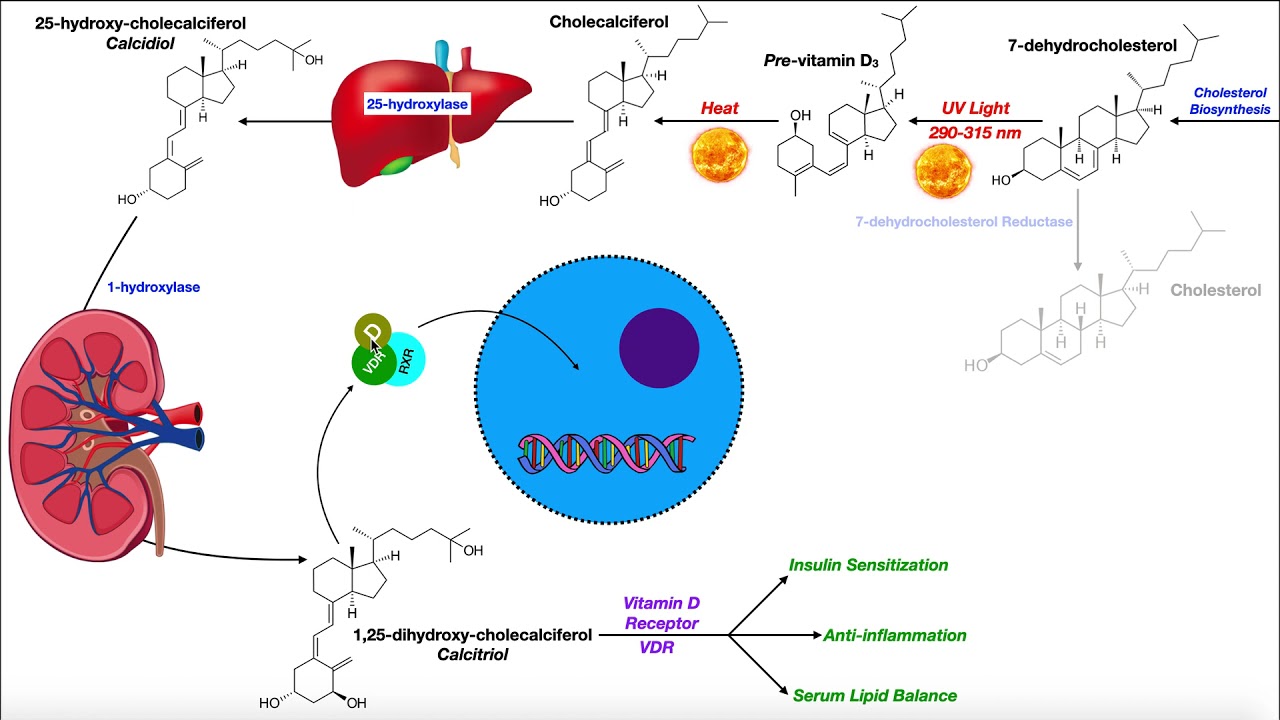
i would recommend going up to maybe 20 to 30 to 40 000 ius now the other thing you need to know about vitamin d is these requirements that you need you just cannot get it from your diet okay you just can't get it from your foods there's just not enough vitamin d in foods to get what you need so you're really dependent on the sun and the sun will give you all the vitamin d you need if you're out there long enough and if you expose your skin to it because it is a certain wave
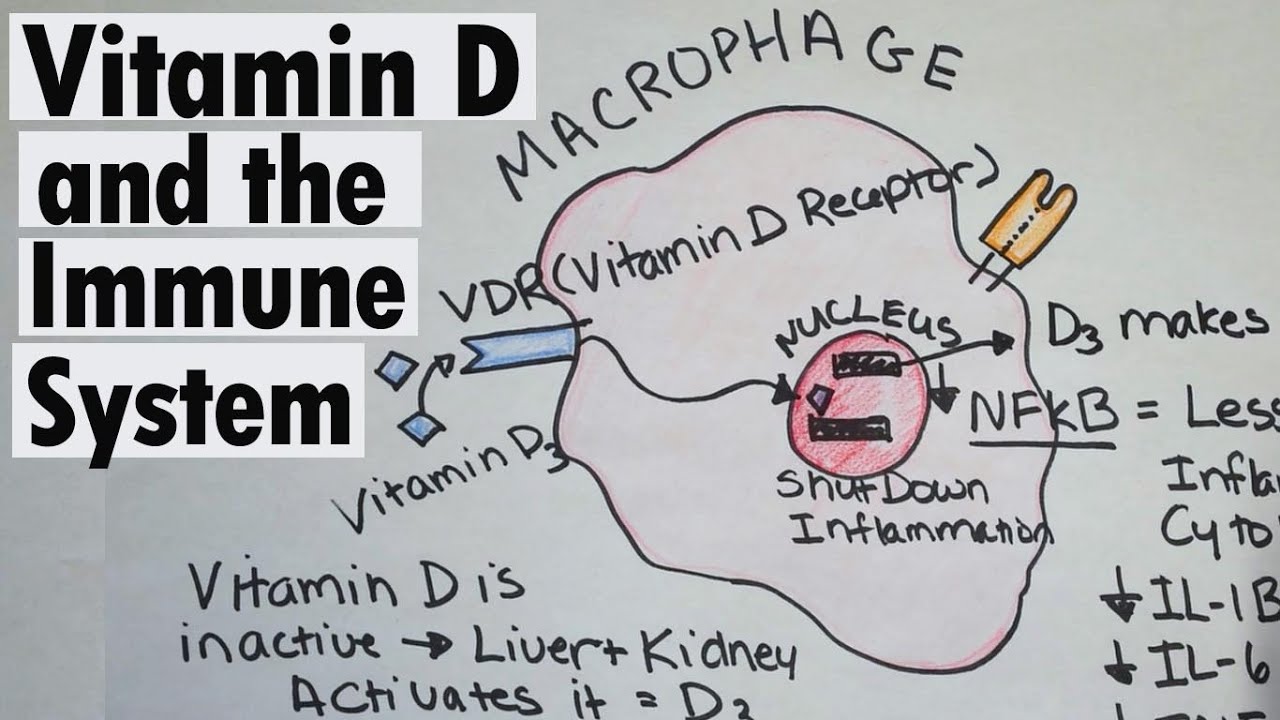
ultraviolet rays that interact with your skin that convert the cholesterol into vitamin d so that being said let's just talk about the other barriers that people run into with absorption we have body barriers we have your stomach ph if you don't have a strong acidic stomach you're not going to get the vitamin d absorption if there's gut inflammation that's going to be a big big barrier if there's any problem with your kidneys let's say you're a diabetic and you have kidney problems well the kidney and the liver are two organs that help you convert vitamin
d into its active form so kidney problems equal low vitamin d and of course if there's liver problems whether you have a fatty liver hepatitis or cirrhosis that can inhibit your absorption of vitamin d not to mention this one right here if your liver is damaged you're not going to make the bile bile is absolutely essential for absorbing vitamin d if you have insulin resistance like the majority of the population you're not going to absorb vitamin d and of course that comes from a high carb diet and of course if you're a diabetic you're greatly
limited with your absorption of vitamin d now more and more people are getting their genetics tested and there's a certain condition it's called polymorphism where the receptor for vitamin d doesn't really absorb vitamin d too well in which case you just need to take more vitamin d so you can get that tested just to see because i met this gal who got a test and here she was taking vitamin d the normal amount of vitamin d and it wasn't even working because the receptor wasn't receiving because there was some genetic defect the more weight you
have in your body the less vitamin d you're going to get and the more vitamin d you require if you had gastric bypass surgery your ability to absorb vitamin d is less if you have low diversity in your microbiome you can't absorb vitamin d as much the more stress you have the less absorption of vitamin d you're going to have so you can see there's a lot of barriers but there's even more let's say you go on a low fat diet or a low cholesterol diet or even worse you're on medications like statins that's going
to limit the raw material that vitamin d is created from now vitamin d is a fat soluble vitamin so when you take vitamin d it might be a good idea to take it with some oil or fat or a meal now another barrier that people have is they for some reason can't swallow vitamin d capsules let's say they're a child or an adult that just can't get the capsules down now if you have this problem or you have children that can't swallow capsules i have a very good solution i put that in the description it
not only has vitamin d3 but it also has vitamin k2 zinc as well as mct oil for absorption now the other barrier is skin color the darker your skin the more vitamin d you're going to need and then we have age okay so your skin gets thicker as you age and also you absorb less vitamin d and your location where you live is important too it has to do with latitude if you live in the northern part of the planet not close to the equator you're going to have a difficult time getting enough sun to
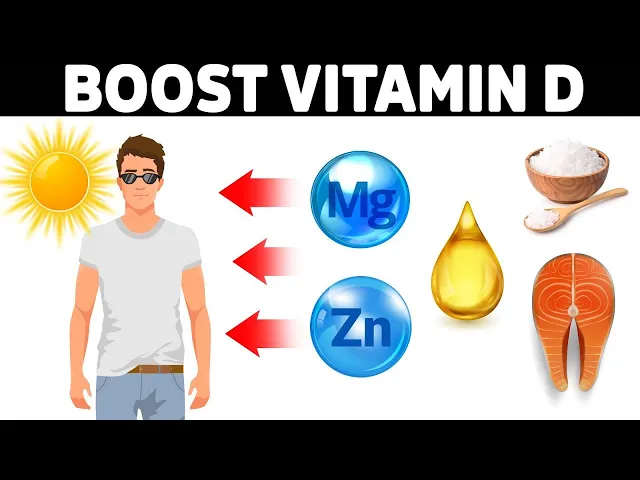
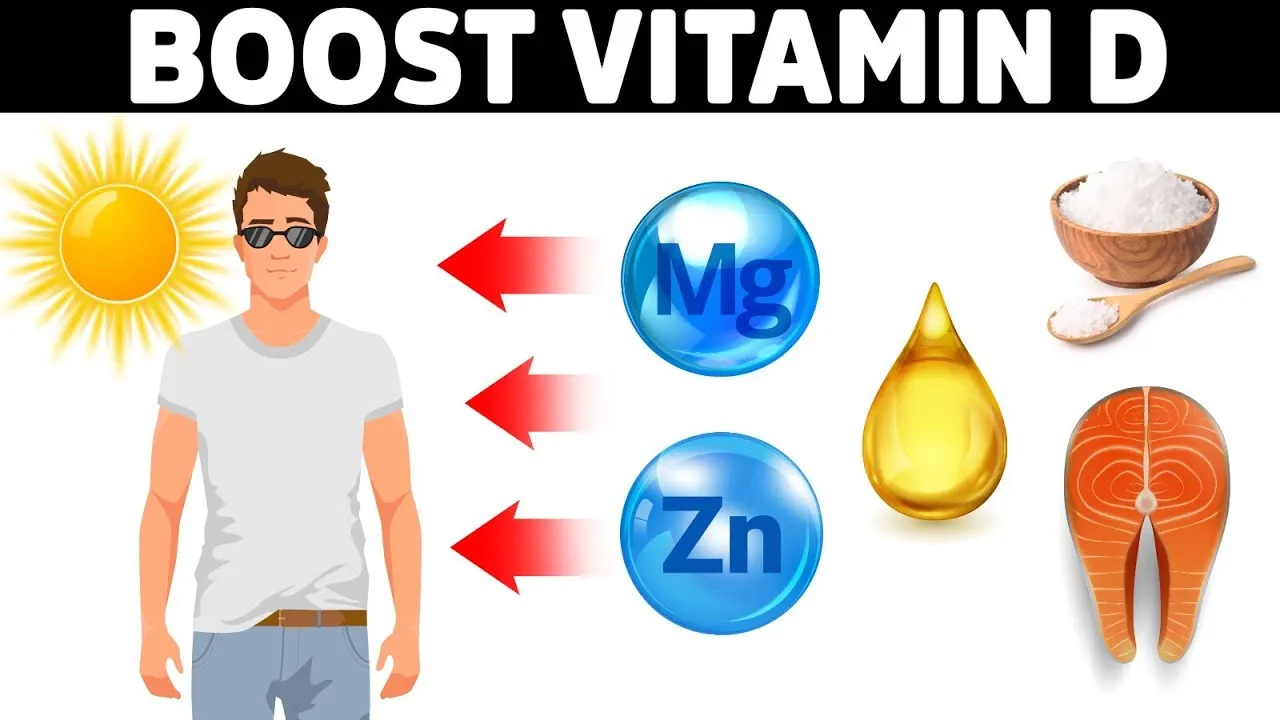
convert your cholesterol into vitamin d and then of course we have the seasons okay you have the winter even if you lay out in the sun in the winter okay you're still not going to get enough vitamin d simply because where the sun is in relationship to how much rays you're getting vitamin d absorption is also dependent on your magnesium level and your zinc level two other things that can limit your absorption and anytime you take vitamin d3 you always want to take vitamin k2 because they work together vitamin k2 keeps the calcium out of
the joints and the arteries okay and the last variable that is a big variable is just being outside in the sun enough more and more people are inside especially children and so that is really why we are deficient okay so let's take a look at how you can boost your vitamin d levels get at least one hour in the sun every single day okay of course not in the winter but during the day and expose your arms and your legs to the sun directly that would be a good thing of course expose your skin but
not to the point of being burned all right number two take your vitamin d because it's fat soluble with some fat some nct oil or when you eat a meal and also when you eat the meal to get your magnesium and your zinc make sure you consume food high in magnesium as in big salads now of course with the zinc you can get zinc from a trace mineral supplement or you can get it from shellfish or seafood as well number three go on keto and intermittent fasting so you have more ability to convert into the
active form of b3 also you'll have more bile to absorb vitamin d3 also you're going to decrease insulin resistance and help your absorption and you're going to lose weight which is going to directly increase your ability to absorb more vitamin d not to mention you reduce your gut inflammation from the fasting and absorb more vitamin d so this is very very important number four consume more fatty fish on a regular basis or cod liver oil the cool thing about cod liver oil compared to like fish supplements is that cod liver oil not only has the
omega-3 fatty acids but it has vitamin a and vitamin d okay so it's unique in that it's different than fish oils okay fish oils don't have vitamin d fatty fish does but not fish oils so that's why i recommend the collard oil number five if you take vitamin d in a liquid form it tends to absorb better especially if there's gut issues if there's stomach issues and there's intestinal issues and i will put a link down below in the description for a good brand number six if you have a genetic factor related to um the
receptor for vitamin d the only solution you have is just to take higher quantities so you wouldn't take 10 000 ius you would probably take 30 000 ius as your maintenance dosage and number seven increase more bile generally speaking if you have more bile you can absorb more vitamin d now how do you do that well you can either take a purified bile cell product or you can do things to the liver to increase the bile and on that note i think the best video to watch next would be on how to increase your bile
salts i put it up right here you