Utilizing the whole strategy and school of thought of ICT and condensing it down to a simple Edge it's a double-edged sword how much trading education is out there now because 80% of it is trash like right now there's 50 different people teaching the same thing and then it becomes really confusing when you're starting because you watch this guy you get this dopamine hit when you watch it on his charts it looks so good and then What happens when you get in front of the market it's not the same ICT Concepts we've had traders who love
ICT we've had traders who hate ICT well today's guest Jesse Rogers otherwise known as Casper SMC is one of the most prominent ICT traders in the whole industry building a name for himself for not only making hundreds of thousands of dollars from the markets he's also helped hundreds of Traders get funded you can't learn from just watching or Getting lectured you see these guys who have spreadsheets of thousands of Trades worth of back test and you're like oh how much money have you made trading oh well you know I'm still testing it people have this
like this [ __ ] about mechanical strategies and you know why it's cuz they don't want to think because it sounds easier than having to actually learn and have experience if a trading strategy is truly mechanical then why are you trading it humans Aren't mechanical no matter how much you back test how many spreadsheets you have I promise you you're not getting the same results I've heard qbanks for example kind of say 1% is for brokies or something to that effect even Alex G lately on my part was just basically like how rich do you
want to be what is your views on risk and tolerance risk what's a sustainable approach for you it's a great topic so really easy way to do it and this is going to be very high Level ladies and gents welcome back to another episode this one is I'm I'm particularly excited for I've been following Jesse goes by Casper for a while and I've seen the detail you have in your training career and and how you explain things to such high levels that I don't have the luxury with every guest to go in detail in the
way we we will and I hope and I pray this episode goes crazy because I'm sure there's going to be so much value so bro Jesse thank you For joining me today flying in all the way to Miami to make this happen um but for those few people that don't know who you are just a brief explanation on who you are what makes you you and yeah just your trading credentials yeah first off bro thank you for having me with Carr I appreciate it um it was a pleasure man it's it's it's finally nice to
meet up I know we've been going back and forth on WhatsApp a little bit just trying to make something line up but we're both Busy so nice to finally be here make it happen so for those of you who don't know me um I've been trading for eight years I've been in the trading you know I guess online space since it's like late 2022 2023 um I'll kind of just give a real high level overview so started trading um eight years ago took a long time to become profitable um when I started to become profitable
I was in a Discord group ended up doing pretty well they wanted to kind of elevate me to a Coach or Mentor role from there we did a lot of streams in Discord and back then that was when you can only have 50 people in a Discord uh you know a video right or a video stream so I made a YouTube started streaming live just to have enough people in there and went crazy pretty much all she wrote so we've had on the show quite a lot of uh successful ICT Traders uh just now I
had with Kyle jadec cap D derivative of ICT I think for example Android nfx so Plenty of qualified successful SMC IC Traders despite that there's still been a wide hatred or or you know just polarizing with this topic of ICT so it seems like you are very well versed in ICT you're utilizing it I just want to understand to what extent you use it uh within your own trading and um yeah just the reality of what it's like to be behind the scenes as an ICT Trader and um if it what a cracks out to
be yeah so um I use ICT pretty extensively I think That the way to put ICT it's almost like a language that you kind of have to write your own book with if that makes sense like it it's very spread out it's very uh confusing and overwhelming there's so many different moving parts that there's no way you could use them all so he you know he put out everything and it's a mix of Concepts from you know other schools of thought like we know like turtle soup he didn't come up with a lot of the
stuff he didn't come up With okay but he put it together though so credit to him for that and that's at the end of the day what I've done with ICT that's what every Trader does they take everything they learn from multiple different sources and then combine it into their own strategy right so you know I use it's really simple it's like fair value gaps liquidity and then time right the highs and lows of certain time periods I believe that business trading life anything like you have to have Simplicity because if you don't have Simplicity
every step of the way where there's friction there's more likely to be error so that's the big thing with me is just taking what actually resonates with you from ICT and then simplifying into my strategy right I think touching on the the point point you said you there's like a lot of hatred for the ICT you know Community or whatever but it's more of a cult than a community and that's why there's hatred cuz any person That has created that form of a movement they did so by being very polarizing MH right it's like similar
to Tate it's similar to a lot of people you see online who have this cult like falling they had to create that hatred in order to have that the tribe yeah yeah the tribe right so and I think that was all intentional by ICT you know he he's very calculated he knows everything he does he like a master marketer Master marketer um but That that I think is why there's the hatred on it and I think a lot of it too is people when they get very uh consumed by you know I they find security
in it because the whole thing is pitching against retail trading where people come in they've lost all this money and they feel at home right sounds more like a cult the resonate with the pain that he's yeah yeah yeah and it's like this is this solves it I figured it out all you dumb other Traders and then It becomes that you know like that uh there's like an animosity in the air yeah yeah exactly so it's like politics almost how crazy it gets man so within within the realm of the concepts I like the way
you described it it just seems like it's a catalog of confluences it's a whole school of thought but the reality of building it together is the journey is the important thing and that's what every Trader has you come to the internet and you say okay I could Learn OT wave or I could learn trend line Fibonacci SMC there's so many things to learn try and learn in all in hopes of navigating it correctly so you kind of have a condensed view of let's say I start off with everything that is SMC or ICT and then
you sift through to find what resonates with you so I want to hear that building block process and and the analogy of what you gave of the language when I was learning a language when I was in Spain it wasn't Effectively learned through the lectures or you know the vocabulary list that I was given it was through conversation and therefore emotion was the way I learned the language as opposed to in theory land so I want to kind of use use that as an anchor to say okay how can you navigate ICT Concepts the whole
school of thought to the building blocks then the immersion and application I think you sum it up in one word and that's application because you Can't learn from just watching or getting lectured it's kind of like swimming right like let's say or any skill anything that's a amorphous skill which is trading you don't learn it just by the lectures or the direct education like if Michael Phelps wrote a book about swimming and he told you everything you need to do in order to become the best swimmer how to you know all the form like how
to keep your how to train your body all these things you Could read the book a hundred times and if you could jump in the water you still have to learn how to swim so that's how it is with anything man and I think that um that's that's a big big realization that all Traders have to have when they go from you know most Traders start they lose some money or they lose a lot and then they get really reserved and they're like I'm going to do this right I'm going to educate myself but then
they go on the they swing the pendulum Too far and they just start focusing only on you know education you see these guys who have spreadsheets of thousands of Trades worth of the back test and you're like oh how much money have you made trading oh well you know I'm still testing it right and I think that um you know it's just like learning a language you have to go out and apply it and you're going to mess up like if you learn a new language and you go try to speak it in that country
or wherever That's the you know vernacular you're not going to sound good until you go through it and realize where you make mistakes and the constant iteration process so but it all comes back to you know the the people make the reason that people make mistakes in trading is just because of fear right so they they fear losing so whenever you fear losing and you're just in this preparation mindset forever you never go out and actually apply it m and People are looking for some Mentor some YouTube video or some Holy Grail strategy that's going
to push them to be successful and that's I think that's the biggest problem with ICT Community is that and that's where the bridge of application people don't ever really travel that because they're so afraid to lose there's a very common bridge that we see with all Traders regardless of the school of thought which is you can be a back testing Warrior you can you Can make huge p&l gains in the simulators and then you get to a live account and you just can't do it or you in in the challenge process with prop firms through
the evaluations you make it through the moment you're funded I've seen so many people blow it that week I'm like what just happened you know so that that kind of bridge is is something everyone has to get over and I want to hear your thoughts on how to best achieve from back testing to live Trading how to actually be an effective real life Trader yeah so to go from back testing in theory to actually making money number one you have to remove whatever the goal is from a pedestal like if you're trading on something where
you look at it like oh if I achieve this it's I'm finally going to make it I'm going to be able to make it out I'll be able to make this money and it's going to all be okay right when you place things on a pedestal like that it Puts everything you're looking at in a different filter where now you're nervous and if you're nervous makes you stressful and stress makes you stupid so number two um is you you really just have to understand that risk and what you're risking is a big part of it
so let's just say you know whenever I'm working with people who they just can't get over like the stress part I say okay like if you cut your risk in half do you feel that way well if they say no okay Cool well there's your problem and if they say yes okay cut it in half again until you don't have any kind of stress because it's one of those two things right either you're valuing the outcome too high or you're putting more money than you should like if if you're trading with more money then you
could just leave it let's say the bar or wherever you're at or the restaurant like you say you you leave your wallet there and if you go home and you you Lost that amount of money imagine you know an amount of money where you just be like ah you know you're kind of upset about it but you're not like panicking your rent's not now uh going to be do and you can't afford it right and that goes for trading a funded challenge like how much money did you buy the challenge with and a lot of
people I think think that they're not over leveraging themselves but they are because truly if if you detach from the outcome you don't Really care right you don't value it like it's this you know you've won the Olympics or something for getting a funded account or a payout and you limit your risk to a point where it does doesn't really phase you to watch a trade go to your stop loss I mean that's half the battle right there I'd say almost more than half the battle you know so with regards to I think every emotion
in trading you can boil it down to fear of an unfavorable outcome Whether it's greed of not have so you want you don't have enough money so you get greedy or fear of loss or whatever it may be and the way we well even an emotion is not wrong the emotion is actually a signal from our body to say hey here's an issue our Behavior towards it is what we have to modify but um upon this topic of risk I've heard let's say Q banks for example kind of say um 1% is for brokies or
something to that effect even uh Alex G lately on my Part is just basically like um how rich do you want to be it seems like you're taking the opposite lead which is you know be in that conservative area so what is your views on risk and tolerance risk and it's not about necessarily how confident you are it's like what's a sustainable approach for you so to be clear I do agree with what they're saying in terms of you have to be more aggressive but if you're learning that's when I say okay cuz let's be
honest like If you're risking a lot over 1% or whatever it doesn't really matter how much you're risking if you're to that point where you're still nervous mhm you know what I mean um but now if once you get to the point where you trust yourself you've proven like hey okay I know what I'm doing now it's just you know kind of rolling with the punches and keeping it moving once you get at that point yeah you should risk more so out of the dozens and dozens of prop Firms that exist in the whole Space
who can we really trust whether they use slippage whether they use types of draw down unrealistic trading conditions every single prop firm has hidden tricks so after thorough research and speaking to a lot of TR Traders Alpha capital is definitely the best prop firm in the space so apart from there no commissions low spread no slippage great reputation never denying a payout because you are a Titans of Tomorrow viewer you get a Special discount on every evaluation just using the link or using the code to for Titans of tomorrow and I also think risk is
subjective to the account size like for example if I go put $50,000 in a trading account I'm going to risk more per percent than if I go went and put $250,000 in a trading account and that is dependent on an IND individual's financial situation right you know what I mean so it's it's a very subjective thing it's there's no end all be all Like just risk 1% but I think that when you're learning the goal really shouldn't be to make money and if the goal is not to make money and the goal is to learn
and get used to it okay well put yourself in an environment that's cohesive to that which that is when I you would cut risk right because I think that's one of the biggest um widespread lies that gets thrown around because prop firms have brainwashed people everyone's like oh 1% that's just what You risk why people sit there think oh this what some said nobody's even thought about it you know okay so upon this topic of risk so there there's a few Avenues or pillars of risk one of them is going to be to modify your
rate of return so let's say you're going through the year you start off to build your buffer so you're conservative in the opening months and then as you buildt the buffer you can start to scale in more risk and try and get an Exponential curve so therefore the outcome of modifying risk is to increase your rate of return that's one area the other area is modifying it in periods of loss and and some people would say you know scale up your risk so you can get back into the positive I don't know some people say
standardize your risk and just manage your emotions other people say cut your risk but then you've your ho the hole you're in it takes longer to climb out of because you're you're Slowly climbing out of it because you've reduced your risk so I want to kind of hear your practical approaches on risk management depending on the account situation as a professional not just a a Learner in the beginning yeah it's great uh great topic so I'm actually developing a software that does this because it is such an important topic so really easy way to do
it and this is going to be very high level there's aund ways you could explain this and it's Always going to be subjective based on an individual's statistics right so let's just say if your average risk to reward is three okay and you're at starting account balance well you shouldn't let yourself lose more than three trades in a day and if you go into draw down you should cut your risk right cut it in half let's just say but if you go into a buffer as soon as you get up into a buffer of let's
say you're up three uh 3% on the account right so You're up one trade okay well now you can um risk more right so you could scale into risk so the way that I do it a is it's a pendulum right like as you go into a surplus you scale into risk right and this works very well for prop firms especially Futures firms which is what a lot of people are tra and your audience is mainly Forex I think but um with Futures firms the reason that people um find difficulty is because they're trying to
have static risk when There's a trailing draw down so if the trailing you see what I mean so like it's important to take advantage of risk when you have it so for you know and your win rate is a big part of it too like let's just say if you have you know a 70% win rate maybe like a 1.5 r or two R well you're going to risk a lot more early on right and there's there's again there's like a hundred different explanations this could go down depending on what the win rate is what
Uh the average risk reward and realized risk reward not the position tool on trading lot of people be like my average R is five but they trim like three times on the way but you know that that's the big thing is is scaling risk as you build a surplus and it's going to all be dependent on your position size and your average risk reward but now um or not your position size it's going to be depend on your risk reward but the other end of that is if you are in a surplus There has to
be a point where you start cutting off because if you risk more as your neur Surplus let's just say you know you can easily blow that up right and you don't want to just give back money so what I like doing is if I am up three times my average RIS reward whatever that is and that changes from around two to three um at times it's a little higher but usually in that ballpark I'll stop if I'm up three times that on the week now I'm not going to like exit a trade in the middle
of it like I'll let winners run that's another huge huge thing that it's another topic but a lot of Traders don't do is let winners run they just take profits at their target when in reality you should have a way of letting something go like if you read in like Market Wizards the commonality is in every single interview right one of the biggest ones is just holding on to your winners longer so M you it's another Topic I don't want to get off track but essentially if you get up um certain multiple of your average
risk reward you do have to cut if you're being more aggressive on risk or you risk giving it all back and I think that's another thing too that people have to get better at is understanding when to push the gas when to completely let off and when to kind of like peel back on the gas when you're in draw down be a little bit less aggressive with risk right I don't think The Martingale strategy is good that's just me personally like I'm sure people do it successfully right but I think that when you're in a
draw down like what else you most like not most likely but more likely to be in emotional yeah exactly so I'm like I'm going to cut back on risk if I go into a draw down um and if it takes you a little longer to get get back so be it it's not the end of the world market will always be there right yeah when it comes to the the Reference I wanted to put off like increase your rate of return and that's why we try to modify risk in in a winning period or when
you have that confidence in a certain setup let's say the the other alternative which is what I usually do is I do standardize my risk but I'll increase my risk through through types of Trades so I have my A+ setups but I I would like I yeah if if my a plus setups are around 75% I know I can comfortably bring my win rate down To 50 and and not feel bothered because I have a very respectable risk reward let's say so if I have a solid risk reward I can increase it to taking counter
Trend trades taking those B+ setups let's say those hedge positions and therefore take more riskier setups but with standardized risk so my overall risk is is up but not in in uh in the terms of you know risk per trade what is your thoughts and Reflections on that because a lot of people have many trade Types they probably haven't even defined what is a A+ and what is a subprime setups and so forth just have Clarity on this idea of risk versus trade types and you know meshing them together yeah I know that's a great
great uh topic so I that's actually an interesting way of doing it that makes sense because like you said risk is multifaceted so you can increase risk in position size or by the trades you're taking um what I usually do though is if I'm trading and I'm Let's say counter we'll just use that term cuz that I think that can be subjective forever counter what you usually would look for like your higher time frames aren't necessarily aligning with the lower time frames like you have the idea but it's a pullback let's just say and those
times I'm usually more picky with my trades in general and that's just it's not so much as I'll start you know risking the same on them even if I'm in a surplus usually those Are the trades that I either just don't take at all or I'll cut back in risk and put a feeler position on so that's another thing that I do as well is like let's just say especially the futures um if if we have a setup where maybe it has a very small stop loss where I like let's say okay we have a
I have a a trade entry that's very aggressive like we're at a pivotal point where I think that we could pull back but it's not my normal setup but the risk reward is Really good like let's say it's like 10 R right because a lot of times you'll be able to get that if you're very early I'll risk way less on the trade because I'm going to still net the same amount of average risk reward does that make sense yes so that's how I usually handle those is I try to get a much better entry
and I'll do a much smaller position size right and I'll usually so I use opening price a lot so like 730 opening price I'll extend it out and I Use that as kind of like a Time based level of premium and discount or a Time based like level interesting yeah not based on the previous impulse oh I mean it's it's based on that as well I mean but that's that's more or less like let's just say okay if the Market opens and let's say I am bullish like the 4 Hour is bullish I'm waiting for
the 15 minutes to go bullish and let's just say we go into the 7:30 open and from that is the area I look at Okay well if my bias is correct we should make a move here and if the market starts rating highs um showing signs that it's still bearish I'm like okay well maybe if I'm wrong here what's the next level we're going to go to and since that's kind of counter idea I'm trying to trade like a failure call it a fail flip is like the model I I call it but that's where
I'll I'll enter with lighter risk because it's like okay well usually when that happens the market Makes a pretty explosive move when it's at an area where everything's aligned and you're just watching those lower time frames for confirmation and it's not giving it and it's just not adding up you're like okay maybe I was I was wrong you start looking at things at a different different angle but that's where I would look at as more of a a B+ or whatever you know however you great it setup I know you use the low time frames
a lot too and and it does tell You everything you need to know okay let let's jump into that right away um what is your beliefs on M1 being noise or low time frame in general TR that's all I trade M1 yeah that's all I ever enter on I mean every once in a while enter on a f minute like I'd say 5% of my trades and it's really I don't really enter on it I just use it I'm might use it for a stop you know what I mean like let's say if we have
a 5 minute fair value Gap or a level nearby I might use it as a stop But the one minute's all I trade I don't know I mean to be honest um I mean whatever whatever suits you right like people make money on the 4 Hour people make money on whatever there's always somebody out there but I think it's ridiculous when people say m1's noise I'm like okay like you lost money in the M1 that's fine it doesn't mean it's noise it was a skill issue probably yeah yeah yeah or like it's just like it
doesn't suit you right cuz some people Some people just and I think that there is a duality of things like there's yes you have to like learn and kind of get used to things but also there's a point where you might realize like maybe this just isn't for you right like some people that are just really like an they're just they have that kind of overtrading tendency and they they just see the first inclination of something on the one minute very impulsive yes yes maybe pull peel back a little bit and if You revisit it
later whatever but um uh yeah I think that when people say that I'm never going to be the one like I know there's people out there that are trading bu Flags making money right you know what I mean like there's no one right way to trade I'm never going to be the one to be like oh that's a stupid strategy I think that's just a sign of like immaturity or people just use it for marketing like a lot of gurus will say that just to attack people they try To build a cult right so yeah
yeah yeah so when it comes to desires to go down to M1 the few reasons I can think of is like you're seeking more Precision uh meaning like a sniper entry or knowing when the market is going to flip uh accurate accy is just having the correct zone or better win rate actually accuracy is more reflection of a win rate you're more accurate in your outcomes another one is just more detail more information and um I want to kind Of hear your thoughts on the analogy I give is if you're trading only daily and 4
Hour you're watching a movie in 360p but if you go down to M1 you're just getting a level of clarity 8K Ultra HD let's say you're just seeing so much more that for me is crucial and and if I was forced to trade only 1 hour and above I would feel like I would lose out a bit more or just not be able to do it in the same way so I want to kind of hear what is the reasoning on going down To M1 for you and and where you find its utility so basically
everything you describe but and it's less time like I don't have time I run multiple businesses I don't have time to trade for five six hours a day you know what I mean like I don't have that time so if I can extract the money that I'm going to make trading a higher time frame because it's all about risk reward in an hour to an hour and a half why would I not do that that's the biggest one for me and With Futures too with Futures the way that risk is you know what I mean
um unless you want if I'm trading NASDAQ if you're trading a 15 minute I mean those are going to be some you know you're not going to be able to trade many contracts and be able to scale out as you'd like um but you know that that's the main thing man is just time like I mean yes you get more opportunities you get more clarity and all that but there's no way that um that I would I mean I trade Crypto so like I do trade crypto on the higher time frames but it's like four
hour entries and then I hold it for like I've been holding I've been holding a lot of crypto swings since right after the FTX stuff literally I've barely sold any on on most of them right because it's just I'm using those higher time frames I don't even look like I don't even go I don't I haven't looked at a Bitcoin one minute I don't since probably like 2020 just because and you Know um and there's situations like that where I I don't think it would make sense to look at the the one minute on bitcoin
for me for my strategy I'm sure there's some out there making money but I don't know how fa so when it comes to um setups and and building plays and so forth are you proponent of having confluences having good ideas that you know work uh and then just coming to the market and based on what you see deploying what you know so kind of a More discretionary approach based on experience Market IQ and information and a bit of data let's say or are you more on the side of no it has to be as mechanical
as possible you have to have predefined rules predefined checklists and then wait for the market to present what you want to see where do you lie on that mechanical checklist of discretionary items so the leaning towards the beginning and what I mean by that is people have this like this [ __ ] About about mechanical strategies they just want something that's mechanical and you know why it's because they don't want to think because it sounds easier than having to actually learn and have experience and people will sell them all day here's and there are mechanical
strategies that work like I literally put out a video back testing a strategy over hundreds of Trades that it did work but like what are you getting a year not The kind of returns that most people want to get trading you know what I mean and also if you if a trading strategy is truly mechanical then why are you trading it that removes humans aren't mechanical like no matter how much you back test how many spreadsheets you have I promise you you're not getting the same results mhm and if it's truly mechanical by definition then
it would be coded yep yep you know what I mean so I I lean Towards a disc now you need to have mechanical uh checklist like for example am I clear on the high because lot of people say oh I have a mechanical strategy what what are your steps well you know am I clear on the high time frame okay Define that they're like well you know the daily bias is that's not mechanical right so I think but I do think you should have like requirements so for me I you know have to be clear
on the higher time frame and then I have to Be clear on like a medium time frame and I need then two to three different things on the lower time frame to confirm it right like I might use um just a market structure shift if everything aligns with but then it's like let's say if I don't have clear Market structure and then we tap into like the 7:30 open or um take out like London low if there's more things stacking up to the same thing then I'm going to say okay cool well I'm you know
Willing to put a trade on here and that kind of goes back in before some of those trades where I'm more aggressive like if I'm just looking at and this is where discretion comes in if I'm looking at it and I see I just kind of you just kind of know sometimes you know that's where I'll start putting a feeler in and I think a lot of people are scared to do stuff like that because they get shoved down their throat all the time like that's that's like degenerate right but I always try to tell
people I'm like look do you want to make money or do you want to like make yourself feel good that you're being like responsible or something you know so I want to touch on this word um let's say intuition now we we used a reference earlier of like if Michael Phelps had a book on how to swim and it wouldn't be an effective way to learn but also wouldn't be effective way to teach for him either because I'm sure a lot of the things he Does is just subconscious competence he doesn't know why he's so
good at it but if you were to sit and observe him every day you'd pick something up that you didn't know and that subconscious competence or intuition is a real thing but I don't know where it sits in the market there this ability to have a gut feeling and actually be the right thing to do to actually take action on that gut feeling so I want to kind of hear your thoughts on U because you're adding An element of discretion into your system uh and then naturally comes with emotions naturally will come with fear and
greed mixed on top uh but then there also is power of I've seen thousands of candles I've seen years of trading data I have this muscle that I've developed how do you navigate intuition in trading great question so I think that this is where being an educator helps a lot and makes you a better Trader because if you are educating people and you do have That level of intuition you're forced to materialize it mhm and you all you know a lot of the time you won't do that on your own because you don't necessarily need
to but doing that is very powerful because you start realizing things that you know like you said were just subconscious and once you materialize them and bring them to the front of mind they become even more powerful y right so um trading in front of people like that's how I originally like I got you Know whatever like came up on the in the trading space I just traded every single day in front of people at first whenever I would do that you know like you lose in front of like hundreds of people they're like you
suck this guy you know then you win next to everybody's excited but that teaches you a lot like that that that was really um one of the things that like numbed me to caring so much about things but it also forces you whenever you're taking a trade if you're Taking intuitively like wh why did you do that right there well this and this and this then you you start realizing like oh I didn't I didn't necessarily realize that this was something that's so consistent in the logic you know so you for it forces you to
bring it to top of mind that's that's also why journaling is so important um like I always tell people back testing I mean I'm not going to it's not useless I won't ever say that and if you're Validating mechanical strategy then that's where that hits but if you're trying to learn how to trade like back test a little bit to prove maybe a proof of concept but journaling is where you're going to learn because journaling is where you reflect and you learn why did I take this trade that's where you materialize that intuition right um
so that's huge on this note of journaling so is is a buzz word it's what everyone's told to do but I don't know If everybody knows how to get the most out of journaling and the reference I gave previously watch want to repeat is when I was a university student and I was learning I would have my lectures in front of me or I've had the the book in front of me and I'd write everything down and I would do it in a sense of condensation or I do it in a sense of just writing
help me learn so my format was let's say journaling or writing down the notes and that was my learning Medium other people would take the notes and they would condense it and then reflect on it and they would just keep reading again and again until it sticks in their mind so some people learn upon reflection some people learn in the act of doing and I think in journaling there could be either way where some people Journal just habitually and don't really do anything with it so I want to hear your thoughts on what's the best
way to journal that is truly effective is it Upon reflection and how do you reflect or is it in the act of doing to build good habits so I think it's a lot of questions it's a lot of asking yourself questions for me at least like you said I think with everything there's always going to be a better method for some people than others but I think An important method this is what I teach people to do you start the day with a series of questions and it makes you you know what the real benefit
of journaling Really comes down to is forced awareness because a lot of times when you're learning when Traders are learning they're just pushing buttons they they don't even know what the hell's going on like how many trades you take they they're going to be like uh [ __ ] you know what I mean you know what mean so it like forces you and you also act different during the market once you have to go back and you reflect on something you're like wow that was Stupid I'm not going to you know what I mean but
I think you have to ask yourself a series of questions before like okay well what is my plan for the day what do I think the Market's going to do why do I think it's going to do it what key areas am I watching as a Trader it's very simple you have to find an edge and then you have to have a mind so you can follow that edge but how do you know if you're performing correctly or not you have to know your data and trade Zeller is going to show you everything that you
need beyond the surface level win rates and performance and Equity curve it's going to show you detailed reports it's going to be your back testing tool strategy testing tool playbooks notes and it's going to be a full Journal it makes your journaling easier faster and more meaningful whereas if you were just documenting on Excel spreadsheet or taking screenshots on your iPhone you wouldn't be able to Pull out the data that you need the correlations that the AI within Trad Zella is pulling out for you there's so much variety and utility within the software that I
think it's essential for any Trader so the link somewhere below is going to take you directly to the trade Zella website I'm not getting paid this is for you if you want it if you like it go ahead and explore it and probably you'll be using it for years to come then after you're done trading Review your trades see like did this align with that right and and sometimes it's not that's okay like that's where you're going to learn um as yourself what did the market actually do try to figure out why it did it
and if you sit there and spend an hour or two Trading try to spend an equal amount of time reflecting right um so I think that that's huge as that and because a lot of people like you said they don't journal the right way they're like oh I I I got Everything hooked up I'm looking at my data it's like okay well if you're unprofitable like yeah you have negative expectancy good job like you know mean it's not there's no benefit in that so it's about the it's about the the review it's about the reflection
and again it's forced awareness like there's a there's a whole scientific principle in this called the Hawthorn effect so if you it's the same the same goes with measuring your calories your Macros and Weightlifting like if you go to a real personal trainer that's like a weightlifting coach they literally will track everything you're doing and go in increments up small as of two P 2.5 pounds and they'll measure everything they're doing right because the hawthor effect what it states is What's um when people are under scrutiny scrutin being scrutinized they are more whether it's them
or someone else doing it they're more likely to uh perform at a higher Rate right so it's even if if you're forcing yourself to be accountable and you're measuring things scientifically the human brain will just act differently even while you're doing the thing you know so that I think that that's that's huge and a lot of people say trading's hard or like trading so hard I don't know if I'm be able to do it and then if you really ask them like what are you doing they're not even actually trying they're just gambling You know
so the the the portion of journaling I think is definitely effective definitely needed once you have a working strategy because then the purpose of journaling is probably to have this account ability to have a dose of reality forced awareness and then also just analyzing is it my Edge that's the issue or is it my performance that's the issue and then you know what to address later on but if you're in that stage of your career where you don't Even have an edge yet you're not even profitable you're in that strategy curation phase obviously journaling is
not going to suit you too much because you're just going to find out that I'm not profitable and you probably already know that so I want to hear your thoughts on actually going from learning watching YouTube videos watching podcasts and so forth to actually having a assemblance of a profitable Edge what does that window look like so I think There's a good saying for this you might not you probably won't be profitable trying to implement what you've learned in watching a 100 videos but you might be profitable trying to implement what you learned in five
oh I like that you know what I mean because like if you just it's like a leaky bucket right if you have a bucket that has holes in it and you pour water into it depending on how big the holes are no matter how much you turn that faucet on it will always Run dry at some point right so it's the same with you just inputting all this information and all this you know education right if you don't just go out and just apply it and try to figure out okay you know what am I
doing wrong what is maybe this strategy doesn't work and that's another thing too that it's I think it's it's a double-edged sword how much trading education is out there now because 80% of it is trash and whenever I was learning I Didn't really learn from you know I tried a lot of different sources but it was it wasn't nearly as many of like right now there's 50 different people teaching the same thing and then it becomes really confusing when you're starting because you're watching it you watch this guy you know you get this dopamine hit
when you watch it on his charts that it looks you know so good and then what happens when you get in front of the market it's not the same That's where people are like I just wish I could ask this guy a question you know all that but um I think it's really about just getting honed in on a couple things that resonate with you like finding someone that that resonates with you because you're going to listen to them more and then just getting off of social media a little bit and just giving it some
time like 15 30 days at least of trying the same thing that's why I was saying earlier about it's so Important to like Risk such a small amount because if you remove the psychological filter of it then that's how you build that edge because you're now you're in the sandbox mode right like if you're not in sandbox mode then it's going to be hard to determine whether or not the strategy is the problem or you're the problem yeah you know so I think that's that's a big thing is just ch and also too like in
companies right um if you have you Always set a North star where it's lead leadership companies setting your goals anything you have a North star you put people on missions and whatever the mission is is what everything else work back Works backwards from like if you set projections for Revenue okay what are the kpis that lead into those projections then you break those down now if you set in trading when you're first starting before you have an edge before you've built your psychology Before you are a Trader essentially to make money if that's your North
Star it's never going to work and you that's what people come in for and they're like what do you mean why would I not set the goal of making money well you need set the goal of learning the skill and then the money will come and learning the skill does not always equate to risking a lot or doing all these things it comes down to you know limiting your risk finding something that works getting a Proof of concept and then scaling into like you said after you have an edge start to journal and start to
find holes or find your strengths in your strategy and and whenever I say like that a lot of people listening are going to think oh my God that's a lot well yeah it's not supposed to be easy nothing good is easy yeah you know so so I like the sent you said of like instead of watching 100 videos and being like a self junky or an information junkie rather just focus on Five credible and and try and apply it and see where you get with that and there's also that saying of like don't fear a
monk that knows a thousand kicks fear the one that's knows one kick but done it a thousand times and to that effect I know that in the markets it's a guarantee you'll take a winning trade you so guarante take a losing trade but winners come but the problem is when you're looking at who you want to learn from based on just winning trades it can Be quite misleading because even a dog can get a winning a trade it's not it's not a determining Factor let's say so what are usually fall back and say is a
restricted Trader is a profitable Trader and I think I can probably judge someone's overall performance just by seeing a winning trade of theirs because I know if they're entering that as a winner and they deem that a winning trade then I know that their strategy is a bit a bit fial let's say so I want to Kind of hear upon that what is your restrictions what what do you like to limit yourself towards to have a profitable Edge so I think the main thing is removing the need to trade like that's the that's step one
and and I know that's a very vague broad way but I'll get into it so for example like most of the time when you're talking about like being restricted I mean of course that is just limiting what is going to be the the the criteria for you To pull the trigger you have to get clear on that like a lot of times whenever I'm trading with people I'll see I'll you know people everybody's oh one One Minute Market structure shift oh and you could find like you said I mean anyone can make money right like
um like let's say if if you know somebody sitting there and they say oh I think it's the Market's going to go up oh why do you think that and it's just like there's it's like a baseless thing even If you make money there it doesn't really matter so I think it's get getting clear on your criteria like a lot of people don't have entry criteria and really understanding that it's okay to not trade now if you sit there for like a week or two weeks you know never trading that's that's the other end of
that spectrum and yes you probably need to reevaluate but a lot of people act like they're going to die if they don't trade for one day like I Always say people will say that they want to be a career Trader but treat every damn trade like their entire career depends on it right so so I think that reshaping that mindset and getting clear on what causes you to pull the trigger and holding yourself accountable and and that's where journaling comes into play like okay let's say if you continuously see yourself going out of that criteria
whenever you review your trades like okay why did I take this Trade was it aligning with what I said that I thought was going to happen or was it you know part of my strategy did it make sense no okay well if you see that happen like all the time okay boom there you know your problem is right so now you know what to attack and then you just F just focus on that one thing mhm um that's another really key thing too is just focusing on you know the same principle it's like a universal
law like focusing on a couple different concepts Or you know things you've learned also you need to make sure that you're focusing on one or two problems at a time okay you know what I mean like it's like if you're in a business let's say if you come into a business that has multiple different metrics that need to be repaired or fixed do you just try to focus on all of them at once no of course not you focus all um activity or all energy on the highest leverage thing and that's the same with trade
like Recently for example um whenever I started reviewing a lot of my trades I know noticed that a ton of them went way farther than when I was taking profit so then I say okay cool like I'm going to focus everything that I that I have on just holding my trades longer like finding a way to do that like there's a criteria and a structure okay and that alone has helped more than trying to go learn you know some new fan things yeah exactly so it's about identifying the Highest leverage highest Roi stuff okay yeah
so these are the things I actually wanted to get into which is when you have a strategy you have two types I want to put it which is one is correlation based so for example Le a support level I don't think the market reverses because of a support level or head and shoulder pattern I don't think the market reverses because of rather The Head and Shoulder is a nice reflection of a a reversal so when I Look at all of the strategies around majority of them are correlation based a trend line is a correlation a
a Fibonacci level I don't think the market is reversing because of the 61.8 rather the 618 is a nice bell curve normal distribution it's a statistical Edge whereas when I see other things that are primary drivers causations of the market for example liquidity time and so forth that's where I like to hold my strategy because I'm always in tune with the Essence of the market and I know you're doing something similar so I want to hear your main pillars of what is an effective building block of a strategy so I think you know number one
you you do have to pay attention to liquidity but it's which which highs and lows right that's that's really important so I think an easy way to do it and this is what I do is I try to pay attention to like session highs and lows or quarter highs and lows right so like high and Lows of any defined range of time or previous day high previous day low so I always watch you know has the market provided some kind of manipulation during the session because on every good trading day you're going to get that
now whether it goes and sweeps out all like a lot of people misunderstand and they look for it to just go take clear out the entire asent session in Reverse you don't have to have that much right but is it taking out some kind of time based Low and also is it trading into opening price so a lot of it's timebase for me now the reason I think that's powerful is because time you know no matter how you map Market structure no matter what you deem as the right highs and lows high and low of
a certain time session that's just that's just that there's no arguing that there's no overthinking it opening price is opening price right so you add in those constants and then you use variables to Kind of confirm that so really it's it's all comes down to a key level a narrative right like on based on the higher time frame and then some kind of lower time frame confirmation right now a lot of different pieces can fit and fill those roles but it's having both of them or having multiple things aligning on either side and then those
are the trades that you're going to end up risking a little bit more or maybe scaling into and those don't come that Often so essentially it's just identifying where the market has given some kind of manipulation during the session like where it's given some kind of move that has stopped a lot of people out essentially right from there it's just watching how we reacted and another big thing that I do differently than a lot of people like let's just say you have your your key level for Simplicity like we'll just say a key level it
could be a lot of things once the market gets To that level I then go to the lower time frames okay I'm looking for one thing to happen which is you know sweeps in the lower time frame and displacement to the upside like big energetic push showing that it's coming away from that level but what happens when that doesn't happen most Traders they just like oh I didn't get a trade but think about it you're trading from what higher time frame key level you're trading from different areas of interest to different Areas of Interest essentially
no matter what strategy you're trading if you're wrong and the market is clearly disproving that there's another trade mhm so that was a big big shift for me is when I looked at things like that and I started to take trades where you know you're wrong on your bias but you're able to quickly be nimble and quick on your feet to then shift directions right that that was a huge huge step for me um was was being able to do that and do it In a mechanical way because that's a a slippery soap right because
then a lot of people start overtrading trying to do that but as long as you have a structure to do it um it it's because you you know that that you have to have frequency everything's a dichotomy in trade and you can try to overtrade too much frequency or you can be too reserved right so that that's in a nutshell that's that's what I look for so the the kind of things you're mentioning and I Know a lot of Traders will just be like I do this and I end up with i i Market all
out so I have Asia High Asia low then session High session low previous day pre previous day low week high week low structure points trend line and then you have like 20 lines on your chart so how do you turn and we also know like let's say we have a liquidity pull up here let's say it's a 4our high for example and then price goes up towards it therefore internal price action is Bullish leading towards it naturally so and then we start to clear it so when we're in that clearing portion you could one person
would say that's a bullish break of structure I should look to buy another person will say yeah with the session volatility and and whatever it should be a buy other people say no that's a sweep of a high and we should sell so in these inflection points I think the most important points in the market which is around liquidity how can You not get caught out in saying this is a sweep therefore sell or this is a bullish breakout I need to buy how can you differentiate that intent in the market two ways so number
one is is that once once you reached the structure Point did it displace past it like was there an energetic push past it on your higher time frame so let's just say you know if you hit a high and you create a fair value Gap through it okay well it's probably going to continue right that's That's first and foremost even if the lower time frames confirm it like oh the lower time frames it's probably just going to go in that fair value Gap and move up side again now once you start running out of gas
like once you stop creating fair value gaps that's whenever I start to look for a sweep but then like let's just say if we didn't create a fair value Gap through a point of liquidity or it barely you know didn't even close Beyond it that's the Strongest sign for me then I would go to the lower time frames and say okay like are we starting to put in bearish characteristics right are the lower time frames signaling that the the markets kind of rearing back there's a two-part so so meaning say like let's say we're in
the portion of the sweep or the bullish breakout we're unsure and it and it's in a sweep of a supply Zone and you're seeing bullish uh fair value gaps that's showing you that there is still Buyers in control therefore it doesn't matter what the sweeps are saying until you see the bearish fair value gaps develop and then you'll look for a model to get in am I correct saying not a bearish Val the lack of bullish fa value gaps okay got it so or some and sometimes of course anything's wrong so like going back into
that fail flip model I was talking about let's say if it comes into that higher time frame fair value Gap but the lower time frame Isn't doing what a bullish Market would do like I always am ask myself okay like what's the narrative and then once I establish that well if that narrative is correct what should the lower time frames be doing because if they're doing the exact opposite okay cool you have a trade in the opposite direction down to the next key level yeah it's essentially waiting for a very clear um sign the market
is going to reject that high or is going to you know it is a sweep Because that's another thing I think that I used to fall into a trap of you know once you learn this concept of liquidity everything just becomes a liquidity like and that's very dangerous because I mean think about it go look at a chart like anyone who's watching this pause this go look at a chart and tell me on a higher time frame how many candles are part of a continuation versus a reversal way more right so getting this Kind of
like idea that you're just going to trade reversals that's just the most toxic thing you can do because if you know yes you trade lower time frame reversals that go with the higher time frame you know what I mean so many people like you kind of plot out the road so to speak on the higher time frame then zoom in and figure out where the the price almost needs to like go get fuel I I like think thinking of like this like let's say if you have like a Road trip right if you zoom in
you're going to have to like stop at gas stations you have to stop and get fuel it's funny I use the same an really that's crazy yeah yeah it's I might I can't remember if I heard that somewhere or not but it's it's just a good way to remember it cuz you don't get you don't just cuz you're stopping for gas you're not changing up the whole direction right a lot of get sucked into those lower time frames and everything's a Liquidity sweep everything's a reversal right so on this analogy because this is the one
I also use you can get to certain points in the market where well at each stage there's probable road maps that could happen and there are certain points where it's too confusing and that's when you shouldn't take action because there's too many potential equally valid options but then in other areas there's only a few let's say we swept a 4our high and then we're getting M5 bearish it's okay we had a high time frame sweep we've got that fuel and the road maps therefore are more likely to be towards towards the bearish side but then
when we get to the day okay I know it should be bearish because the higher time frame is swept I've seen a few bearish candles maybe I've seen rejection on the lower time frame cool I should that daily buyas for the next day is more orientated or more likely to be sellers so I've got road maps there but There's plenty of ways because you have the Asia range Sweep High go lower like that or it could just not sweep Asia High it could also Sweep High induce previous day high and then go lower so when
you platter out all these road maps even though you though the daily bias should be bearish most likely the way to get there can be many many roots and usually what I do then is use uh markers of time so I okay I say checkpoints checkpoints based on time so therefore Time based road maps I want to hear your thoughts on time because you mentioned it was one of your key pillars on how you're bringing in time with this kind of intent a liquidity yeah so it's really like time based liquidity and then also the
opening price so again it's just that's those two things like a lot of people misunderstand like the the power of three with ICT like the whole like manipulation they'll look for it to always like this be this perfect Accumulation sweep the whole one side of it and then you know that's just easy that what that happens is like okay well it's obvious and I've noticed that guess ran again so many times because it becomes such an obvious model that you get the equal highs you get the fake outs you get even a some sort of
rejection maybe even a break of structure and I've seen it so many times on London open that whole thing gets run by three four Pips and then the market Moves and I've seen that exact model so many times like I've just labeled a smart money trap yeah yeah yeah yeah yeah that's I've seen you use that term I figured I I have never seen like what you would but I literally in my head that that name just made me think of exactly that like where it's it's too obvious but that that that same concept I
was saying before with the fair value gaps right so let's just say like the market is you know sweep or it hit these Levels where it should reverse okay well if it doesn't start like if it first of all it creates a fair value Gap through it that that's a sign okay like it's going to make at least one more low so like let's just say if the market and again it goes back to if the Market's bullish what should be happening here if the Market's bullish like at that moment and we hit into like
the London low and it just just rans sacks it fair value up in the 15 minute like okay the market Might not be bull like in a bullish Market that usually doesn't happen so then if we come to that fair value Gap I'll usually get a scalp down to that next low oh okay so little trades like that too like with Futures especially trading the low lower time frames um you can extract a lot but it's all about understanding how to be wrong and still make money because because a lot of the time like like
daily bias I think the reason that people screw this up all The time is they think that they just have to look at the chart the day before and be like like gun to my head are you bullish or bearish oh and if you switch out of that you're being irresponsible that's stupid right like you you should have contingency you should have like okay well you know if I'm wrong on my bias if the market clearly is telling you you're wrong listen to it right because because a lot of people too they they try to
build ideas um like for Example like let's say if the market you know they they were bullish in the day and everything sets up perfect and the market you know sweeps out the Asian low or whatever and it's just clear it's not reversing they won't take a cell because they're saying I'm being reserved I'm being I'm sticking in my plan but a lot of times if you you can't do that you know you have to be fluid you have to be quick on your feet and be willing to to to switch up what you're doing
you know That that was a huge thing for me too because I think everybody goes from being like a degenerate Gambler to like they become too reserved they become too rigid and then you have to kind of come out of that shell and realize like okay I kind of know what I'm doing there's new in the market right and just use common sense too like that's another thing but yeah I want to tell upon now uh this word liquidity which is you know I think a super important word but it's Maybe not well defined so
I want to kind of hear your thoughts on what do you see as these manipulations these sweeps and and we've spoken about like the rejection the intent the fair value Gap after it but how do you define before like what is a true liquidity pool is it just session highs and lows or structural highs and lows or do you see anything more so usually it's it's mainly session quarter and days and then also weeks What do you mean by quarter so like 600 to 7:30 um or 7:30 to 9 okay okay just the highs and
lows of that yeah yeah so like Trader day like I didn't I didn't come up with that but that that guy started putting it I mean a lot of people said it's been out whatever A lot of people hate on it I mean it works it literally does work um so it works very well but I've always used session like that's always been what I've done and then I Started paying attention to the 6 at 7:30 dude go go plot it out right like charts don't lie but that's the big thing and then also like
on a higher time frame what I'll do is let's just say we're in CU because everything on the higher time frame is going to be going either to a fair value Gap or a high or low that's the way I look at it at least right of course there's other ways but for me I look at it like lower time frame Market maker model inside of That higher time frame fair value Gap so let's just say if we have two consolidations and then you you're expecting that last jab up like I'll look at that high
as even if it's time based or not most of time it will be but I'll look at that as a valid High because there's context around it I think just looking at every single high and low like as liquidity it's just like anybody could do that if it was that easy you know everybody would just be Everybody be doing it you know is the relevance of so that brings me to the next question which was once we've identified valid zones and there are many how do you go about um analyzing them and specifically in Futures
you have access to order flow and therefore real lifetime liquidity I want to see how you utilize that to your advantage whereas in FX we don't have that yeah yeah so this is another thing that is going to piss off a lot of ICT Traders Volume like cumulative volume and all that stuff is very real like I know that's like a big thing and I like volume isn't real yeah it's definitely real like right go because what what are you looking at most time what is a fair value Gap well what they say is is
that it's you know an imbalance and there's going to be orders left in that it's going to act as a all that stuff right but like go look on a chart on like a TPO chart it's going to be a single Print right there's usually going to be a high injection of volume in those areas if it's going to hold so with Futures you do have the blessing of having access to that kind of data and a lot of people don't don't use that that's fine you don't have to use it but um it's it's
Monumental in terms of being able to hold trades longer being able to um trust that a continuation is going to happen like a lot of times it whenever you're holding on to a trade And you see increasing volume you can pair that with what you're using in price action to tell you like okay like hold on to this trade a little longer right and just a one or a couple of those like over the last 20 trading days 80% of the profit has been from four trading days right and that and that's simply because those
days I held the winner like usually where I would cut like what I do is something called price waiting so I just named it that because It's a mechanical way of doing it let's say if you hit your your target right so what I'll do is you have that area where you that that candle that took your target out one candle before that put your stop on that candle oh and just keep doing that every time that it takes a new low out you'd be mind blown it's a candle based trailing stop yeah yeah so
it's one candle on your entry time frame and I recommend using this in like a 15 minute or anything it's for the one Minute because if you use in a higher time frame it's going to be way too much of your you're going to give back too much right but if you do that because think about it out of let's say a 100 of the last trades that hit TP how many of those trades kept going and then how many of those trades that kept going kept going very viciously right like a lot of traders
that is the difference in them being profitable and not profit I like this so this is going to be a a Trailing uh stop or break even and whatever on um candles preceding the move but is it only on liquidity pools or is it every candle as it follows so no so it's on so like let's just say you hit your target okay cool until it forms another low like just any swing low once it forms another swing low cool once that is taken again you move the stop back down so it's just all the
lower highs in a barar scenario M1 lower highs that form lower not highs just candle Like the candle High doesn't have to be a swing high so like let's just say like if you you you had you made a low you swept it and whatever candle swept that second low okay then you move it the one candle behind that that way you don't give cuz it's not designed to like it's going to get hit a lot like it's it's designed because it's designed to get a little bit juice out of it yeah exactly but sometimes
you will see I mean like I I like the other day I had a trade that Was it was going to be a three hour trade ended up being almost a 10 hour trade because the market just viciously pushed past it happens all the time and that's see it's not designed to make every trade go longer and sometimes your trades will you'll get less like there's I'm never going to be the one to be like oh this is a perfect way of doing it it's just way better like sometimes it will come back on you
a little bit right that's okay because if you can increase Your average R reward like d like I know that my average R reward over the last um 20 trading days is almost eight R now that's not usual right it's not usual but I don't want to sit here and say that that's usual because it's not but the reason of that is because of using that price waiting right um so and again like this goes back to what I was saying earlier like so many Traders don't understand how to be effective right it's like the
book The Seven Effective or seven habits of highly effective people first things first what that means is you figure out what is the highest priority thing and this goes in business this goes in trading whatever and so many people have their priorities completely mixed up they think that they need to learn more they think they need to watch another video or another strategy or buy another thing when in reality they know everything that they need to know you just have to actually Go in and figure out where the holes in your system are plug them
and then watch everything change and that's the easiest way to do that is okay like like you said most of the time when people are unprofitable it's not like they're just winning no trades right so if you think about okay out of the last 100 trades if I would have held the winners the ones that did explosively win just a couple of them probably would have made that trade a profitable you know so that's One thing um also the risk management we were talking about ear those two things there's G to be some people that
are watching this podcast that hear that and they see the value on that and they go back and try to figure that out and then there's going to be the 95% of traders who just watch a 100 more videos and say they're trying but that that's how you really pull the lever that's how you move the needle and and really see an improvement and it's the boring stuff Like that it's the stuff that takes a lot of thought a lot of patience and really like redesigning your true strategy and not just a freaking Market structure
shift or something you know we we spoke about U RIS reward and that's kind of the long short tool and and what that shows versus return on investment actualize risk reward I want to hear your thoughts on maximizing that I know you said leave a runner but in terms of partials or you know all the liquidity Pools that exist hedging that you you can also do all these kind of characteristics you can have how do you differentiate the risk reward and Roi so you still should be partialing out of these trades like for example let's
say if um if I have a main target because the way I do it is I I would look at my trade and where is like the actual end Target like just just looking at the trade itself right there you're going to take 60% of the trade minimum right then You would leave the rest as a runner so you have to take profits like you do have to take but I think that taking partials to our like if you have I can't remember the math of it I don't want to say it wrong but if
you have a it's like a a five hour trade and people will take profit three times they would have ended up with a 2.5r you might as well like you're making it harder on yourself it's way harder to catch 5 R than 2.5r you may as well just cut it all there so That's another thing that trading can can help people with is um realizing you know because a lot of people that aren't profitable they could be with very small changes to what they're doing you know so a big breakthrough that I had a year
and a half ago that have been quite vocal about is profit taking systems because you can have the same psychology same Edge same technical same everything but the way you manage that trade can be make or break it can be from Non-profitable to profitable as you said and for me what I found most effective was I used to be discretionary based on structure based on XY Z I'd have exit points on targets but as we know a news event can change that or just liquidity pools and every there's so much um changes that can happen
along the way that what I thought on Monday by the time by the time it's Thursday my opinion could have changed based on new information that's come so what I Started to do is just base it on uh fixed data points and it ended up at 1 to3 1 to10 it's just my fix points based on the average stop loss that I have and the type of Trades I take when I looked at it a little bit further I started to realize that what I'm actually doing is optimizing for the session volatility the average movement
of session usually aligns with my first TP so I want to kind of hear your thoughts knowing that you're an M1 Trader and utilizing time And manipulation and therefore volatile moments is there any correlation between that volatile session movement and overall profit taking systems um I would say there are days where if I'm looking at a session I'm just like this is one of those days I just kind of know like everything the stars are aligned I'm like this is you know going to blow right like there's like for example another thing that I do
Um like let's say and this is another thing a lot of ic2 Traders will the pitchforks will come out on this one um if you have like CPI and it's bullish let's say that the numbers come out and it's supposed to be bullish and you get a huge fair value Gap that's on 15 minute I will literally bet you almost every single time you're going to get a trade out of that like it's insane how but people would be like no no I'm going to fade it I'm going to fade it it was Just a
manipulation now you know what I mean like but so when the news aligns with the with price um those are days that I I look at for very explosive days so getting off topic the reason that I was bringing that up those are days that I would look for more volatility but other than that um and then the higher time when the higher time frames are very clear I just look at it in a pretty mechanical way of like how I take profits so I usually use 4 hour for like Narrative like overall you know
higher time FR I look at the weekly and daily too but then the 15 minute for like my kind of like navigation so it's like the 15 minutes like the you know I'm trying to trade those price legs and then use the one minute to navigate them but I'll hold past like I try to like because I mean how many times does the market you know make a bigger price leg so that's where I'll use that one minute to try to price weight and hold the trade for Longer so I don't really switch up too
much on that but I mean I'm sure that like there are ways to do that it's just not something done what are your thoughts in general I know I've seen a few stories lately on your opinions on Prop firm so I want to kind of hear your thoughts on theall industry the opportunity that is for for newcomers and the General Health of the industry yeah so I think that it's a great opportunity when used correctly it's not A long-term thing it's something that you should use as a tool to grow your Capital um and if
you do it correctly you can do just that right I think that you should go for payouts you should be very aggressive taking your money you should never try to scale up the account right like get your you know with with Apex for example um it's probably one of the highest Roi if you do it correctly um get 50 accounts it's around 2,300 bucks the minimum pay you're going to Want to go for is 40k it's just a numbers game at that point I mean unless you blow your account 20 times in a row and
don't get a payout if you're doing that then obviously you're not ready for it but as long as you can just get that payout take all of it okay cool maybe buy a couple more challenges but once you get to a point people almost forget that real trading is still a thing and then it comes back to that risk like let's say if you have a 70k account well Most people are brainwashed to think like oh I'm only going to risk you know 0.5% or 1% I mean if you have that and you you have
an edge and you've proven yourself to be profitable with prop firms you can risk more than 1% to grow that account more aggressively right so that's that's the way I think that people should go with it is using it as a stepping stone now is for the industry so this is where you know it gets it depends on what company but I Think there there's a book that explains what's going on right now very well it's called misbehaving and it's just about economic Bubbles and just how humans will be completely irrational in the face of
an opportunity the reason that markets collapsed it's the reason that crypto has Rose and collapsed and with prop firms the barrier of Entry is so low and it's a business model that everybody is sold on this idea that it's you know infinite money essentially oh Dude you know they they look at it like they can start this prop firm and most Traders are going to fail so they can just take money from the losing Traders and they're going to be able to make all this money but they don't understand how business actually works that's why
you've seen all these guys that at one time were looked at like oh that guy's doing you know five 10 million a month like that's what some of these prop Firs were doing and they collapsed why is That well it's because people don't understand there is something called marginal costs with business so whenever any business starts out your profit margins are going to be much higher than as you scale now some businesses like software have a very very good marginal C they don't they don't get exponentially higher because it's software you're not having to scale
into all your systems and employees and all these different things or funded Traders Which are the expense for props but with props they have a linear at best a linear um progression of Revenue and profits at best takes one thing for that to nose dive but the marginal cost marginal expenses goes up to the ceiling that's why it's like laughable to me when people talk about exiting these things or monetizing data or all these the things that is just like a pipe dream now some people are doing it correctly I'm not saying that there are
None but when you have like very young people who have no experience in business starting what is effectively a casino it's literally a time bomb you know and then another thing goes into it too like I I've been posting recently I posted some stuff like I have an announcement coming a lot of people ask me about a prop firm I will never start a prop firm because at the end of the day like the way that I came up was helping Traders not taking their money And yes do prop firms give opportunity to some Traders
100% but who are those people they're the people that are exploiting the system and those are the enemies of a prop firm because when you start a prop firm you are incentivizing yourself to make people fail that is the truth of the matter everyone can sugarcoat it you see these influencers um like recently there's people that they come out and they they talk about all this how prop firms Robb them how All this I'm this fun you know and then they go out and start a prop firm and they're going to do the same thing
and it's because it shows the immaturity and the depth of these people have in the way that they want to make money they'll do anything to make money right but the truth is you don't have to start that kind of business model to make money you can make money by helping people but what's funny is the people that make money by helping people a lot of the Time will get labeled a scammer yeah you know what I mean but that's just that's my take on it like I would never start one um now you know
has the thought ever crossed my mind yeah 100% there was a point where I wanted to start one but you know it's just not something that I ever follow through with because you sit there and you really think about it how did you come up like who are who you are right and I realized that my brand has been built on helping Traders since day One and not you know who am I to go out make all this content on you know helping Traders and talk about all the stuff that I talk about and then
go out and start a business that literally prays on traders that effectively at some point we'll have to screw Traders over to keep their doors open that's what you've seen with every single prop firm every single one either they have extremely difficult rules or they've built up such a big Bank of money like ftmo that they have that that leeway but you've seen all these other firms that at one time were the favorite they were the favorite the hero then what happens one bad software mistake one bad PR event and then that linear curve of
profits nose Dives but guess what doesn't the marginal curve and then you get inverted and now boom you're in solvent and that's and it's so obvious like when you look at the business model it is a ticking Time Bomb By Design now if you have other ways of monetizing like like they start a real fund or all these things then that's different right but that's why you see every every single prop for you can go find where they've like denied people's payouts and a lot of the times too um like you'll see a lot of
influencers that they'll they won't get denied because they have that they're an influencer yeah right so am I saying that prop Firs are all bad no I think That you should trade them but you should trade them in awareness of what they are and that is a tool to grow more Capital you shouldn't throw your entire life savings into a prop firm you shouldn't think that because you're a funded Trader that you're now like have built a career you're literally learning how to count cards you're going in a casino and making money and building a
bank roll right that that's essentially what it is so I want to finalize the Episode with seeing your brand grow very very quickly with is value orientated you're not doing the lifestyle you're not doing the flexing or the Vlogs or anything it's just pure education and youve built a huge name for yourself and I see you're going very far and it kind of brings me to the question of what is your overall goals with the industry what what do you want to do for Traders and um yeah what is the purpose of your brand I'm
going to start the largest not Start build and continue to build the largest trading education company that ever was because when you look at trading education you know you come into the market and you come into this through like what you said lifestyle marketing or you come in through some very beginner basic base level education now how many Traders start with the same source of Education that they end up becoming profitable with yeah I don't think any I don't know anyone right I Don't know anyone so why is that well the reason is there's no
clear Bridge from getting introduced to trading to actually succeeding at trading so I'm going to bridge that Gap and that's going to come from a variety of different ways there's a lot of cool stuff coming soon that's what I've been talking about um on socials I don't know when this episode's going to come out maybe it's came out by then but um really things are about to start Changing uh things that people haven't never done before and the key is just understanding like you said like having the Northstar is very clear like I said having
the Northstar is very clear and that is the Northstar is just creating the biggest trading education company this Service as people from day one all the way to becoming profitable there we go well this is why the show is called Titans of tomorrow I think I think you got a bright future ahead of you and a Lot of things to conquer and Achieve and I think you're for so good in the industry so bro thank you for coming on the episode a lot of value dropped and hopefully it wasn't too valuable that went over people's
head and they can watch it a few times and and made the most of it Jesse my man thank you very much car thank you brother appreciate it do it oh yeah my man


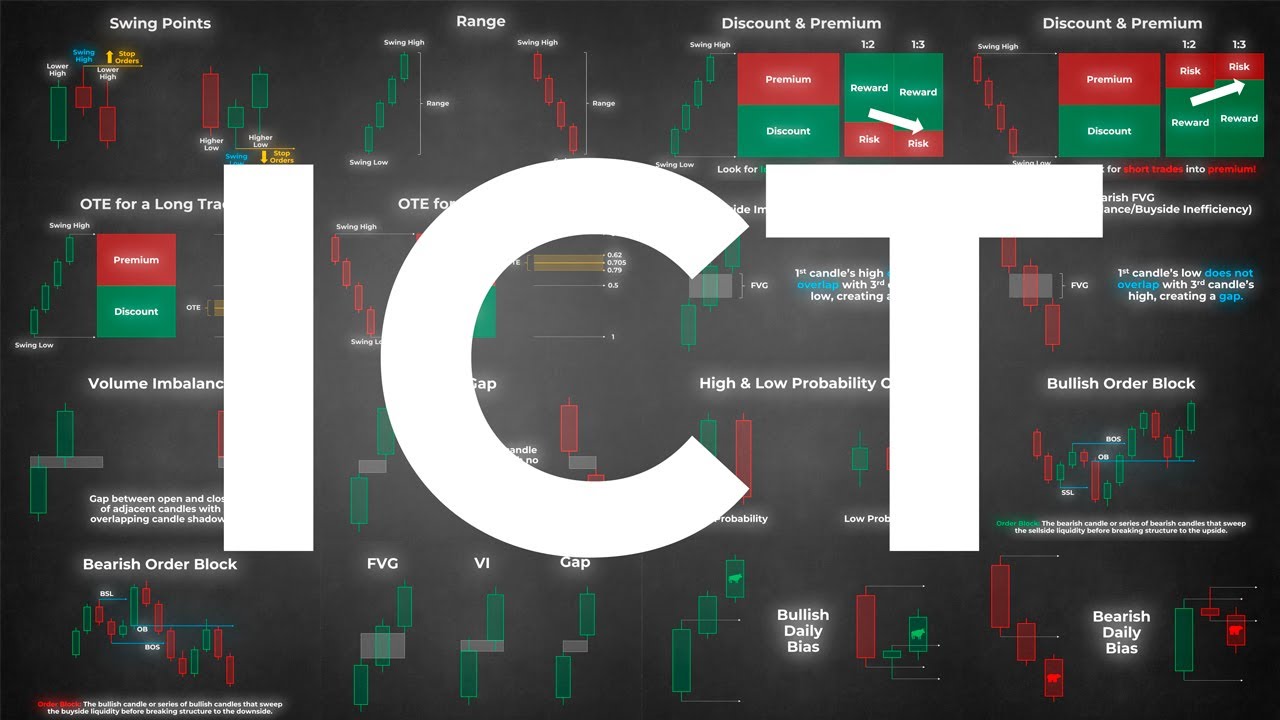





![How I Beat the Mental Game of Trading [After 5 Years of Failure]](https://img.youtube.com/vi/4gaaGDldQwY/maxresdefault.jpg)