The earth is covered with many mountainous areas that look like ripples and wrinkles on its surface These mountain areas cause biodiversity to be distributed unevenly across the planet In and around the mountains in particular high levels of biodiversity are concentrated If we look at the red areas around the earth These places show us the main centres of high biodiversity on the planet as it happens in the northern Andes Mountains in South America, in the African Rift Valley and in the eastern Himalayas, which are fine examples of species rich areas But how can we explain these
high concentrations of biodiversity? Let us focus on the northern Andes to explore this question All along the coastline of the Americas Mountains rise high into the sky creating a landscape of many peaks and high elevation plateaus in a topographically rich landscape In the Andes in South America is a long stretching mountain chain that was shaped by millions of years of uplift The northern Andes stretches over Venezuela Colombia and Ecuador and is geographically speaking a young mountain range Formed between 10 and 3 million years ago It's topography is shaped by parallel running mountains that are divided
into three mountain ranges Nowadays, these mountains reach elevations of almost 5,800 meters and glaciers occuppy the highest breaches or ruptures of the Andes The highest and coldest parts of the northern Andes are home to open grasslands with a high diversity of plants called "páramo" The páramo is an extraordinary ecosystem Because it is an area restricted to the top of the mountains It is a remarkable unique and fragile system on our planet The páramo has a great biological diversity of endemic species with a limited distribution It has the richest high mountain flora in the world The
páramo is dominated by grasslands and large woody plants in the form of rosettes Evergreens woody and flexible shrubs and cushion-shaped plants The para mo includes almost 4,000 different species of vascular plants Including 22 families of ferns 100 families of flowering plants or angiosperms and one family without flowers or gymnosperms The genera with a remarkably high biodiversity are Lupinus Hypericum Bartsia and Puya among many others The most striking diversity is in the group of Espeletias also called Frailejones These are only found in the high mountains of Venezuela, Colombia and Ecuador The Espeletias are easily recognizable as
woody stem rosettes that vary from individuals at knee height to giants of 6 metres tall At present the páramos form a refuge of unique species which are only found in this part of the planet Due to the result of an exceptional history of ecological diversification at present-day páramos are like islands in the highest parts of the Andes forming an archipielago shaped by numerous peaks plateaus and high mountain passes The topography of each mountain is area specific and can be seen as a fingerprint with a unique identifier for example, the geologically ancient mountains, like the table
top mountains of Venezuela have been eroded and lost much of their topography This is expressed as a unique mountain fingerprint This fingerprint is essentially different from the geologically young mountains that still retain much of their rough original topography such as the Andean mountains Hence the fingerprint of the mountain is the stage on which the theatre of climate change of the Pleistocene and the drivers of evolution acted Scientists have discovered that during the last two million years cold and warm periods of climate caused the paramotor migrate upwards and downwards Hundreds of times Especially during the last
million years These changes could even have been so much as 1,500 vertical meters When climate was warming the páramos moved upwards and its distribution broke up into isolated fragments but when climate cooled The páramo moved downslope and the topography of the mountain offered much more space for connections interestingly These cold and warm conditions were distributed unevenly in time These scientists discovered that during the last two million years the period of the Pleistocene Ice Ages, warm global temperatures like today Only took about 20% of the time while cold and cool conditions dominated for over 80 percent
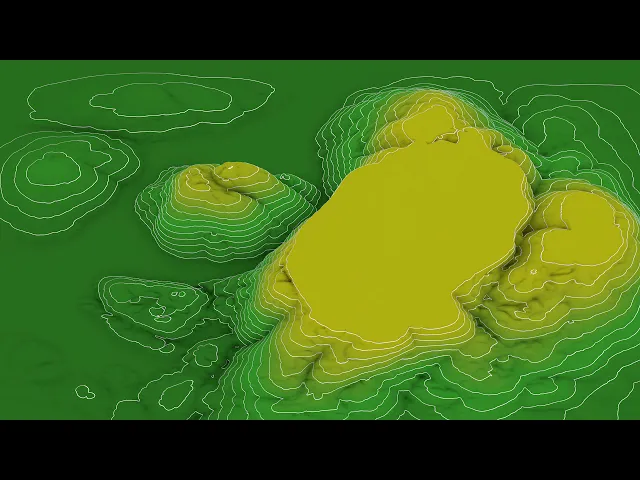
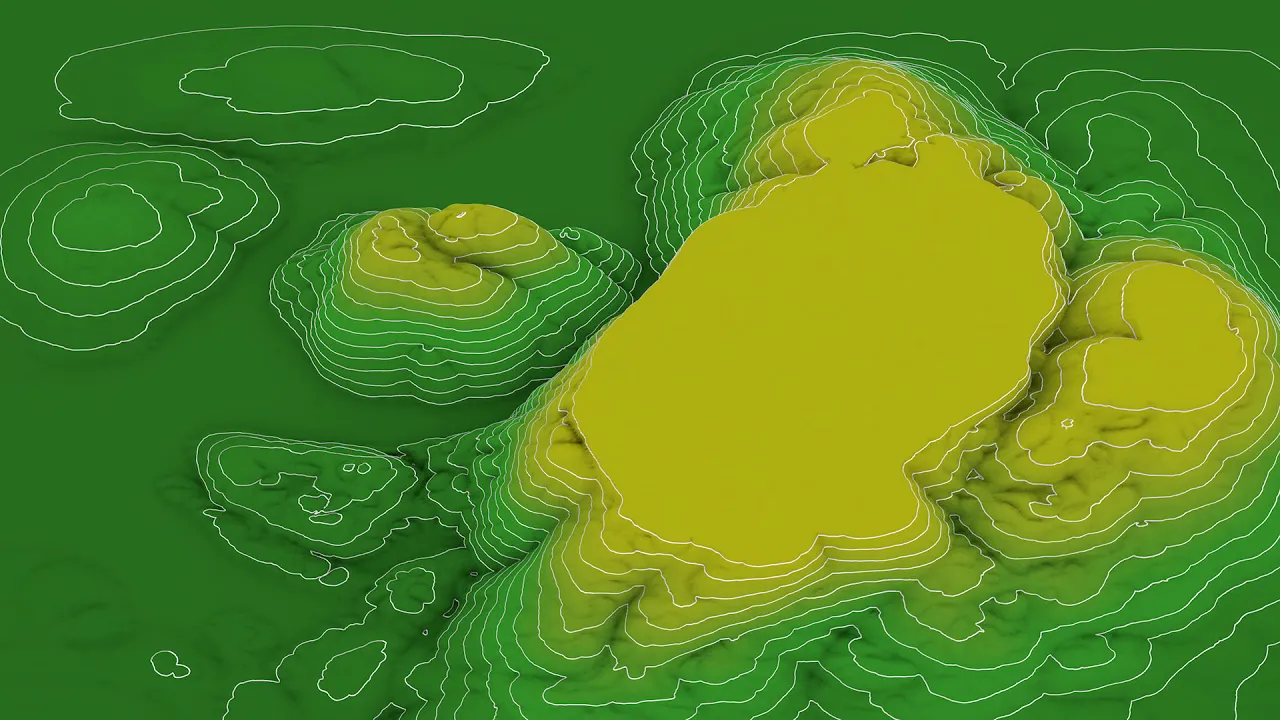
of the time as a result the páramos were often much larger than what we see in the present and the populations of plants were much more connected this long dance of connectivity and disconnection is an important mechanism Which we call the flickering connectivity system But thanks to the differences in the topography of the Andes, each páramo was connected and disconnected in a spatially and temporarily unique and different way In the case of the Puracé, in the Colombian Andes, the current area of the páramo is only 5% of what it was 20,000 years ago As you
can see during cold periods the páramos connected along lower elevations Becoming the most dominant ecosystem of the Andean mountains However, the process of connectivity between páramos varied dramatically, because if we compare mountains at different times the connection and disconnection occurred at different elevations Depending on how far the páramo extended and the presence or absence of plateaus But what happened at the level of species one of the consequences of the changing connectivity, is that the populations of species became isolated and intermixed to numerous times this connection and disconnection of species populations is an important mechanism for
speciation and generates new branches in the tree of evolution Phylogenetic studies investigating these trees of evolution, have shown that the páramo hosts many lineages of plants that diversified rapidly these diversifications or radiations in the evolutionary tree occurred especially in the last two million years and it is believed that these flickering climatic conditions played a key role in these diversifications As a result The páramo has been called the world's fastest evolving and coolest biodiversity hotspot in the world Then the paramo has been dancing up and down the mountains while the set of genetic features or better
known as genetic pools of páramo species are repeatedly fragmented and connected in the flickering connectivity system This is how during periods of isolation different species appear in different regions The repeated fusion and disconnection of populations is the mechanism of speciation That is represented in the branches of evolutionary trees of diversity Today we have the privilege to witness the existence of páramos They are ancestral sacred places for the aboriginal humans Giving a peaceful sense of being part of the long history of nature and the planet But also because they act as sponges absorbing moisture from rain
and fog, for subsequent use by plants animals and humans The páramos are like large towers of water Which maintain life in the andean mountains and earth as water is the vital element that sustains life on this planet Furthermore, The páramo is an essential ecosystem for the survival of people that depend to a large extent on the facilities and goods that it has to offer Such as production of food, medicines, spices, building materials and firewood But also numerous cities of Venezuela, Colombia and Ecuador are supplied by the páramos water However, major threats are currently affecting this
rich ecosystem large mining multinational companies have discovered substantial amounts of minerals where páramos reside and this economic sector is rapidly expanding and now threatens the páramos ecosystem their unique species and the livelihoods of local communities Nevertheless, communities from the Andean regions are now fighting back to protect their ancestral territories and stop the expansion of mining to safeguard their livelihoods for present and future generations But will we be on time to protect this unique Andean ecosystem? We have the responsibility to conserve and restore this highly diverse ecosystem and avoid losing more than 2 million years of
evolution within a few decades of human intervention