hello everyone welcome back to healthy care the liver a resilient and quiet organ that performs hundreds of tasks every day from detoxifying the body and metabolizing nutrients to regulating our energy yet it rarely sends clear signals when things go wrong making it easy for us to overlook potential issues this is why liver disease is often progress silently within the body for many years in the United States alone over 4.5 million people are affected by liver issues but the majority only Discover it when the disease has reached Advanced stages causing significant and sometimes irreversible damage to
their health did you know that by the time clear symptoms appear the liver may have already lost up to 75% of its functional capacity this is a reminder of just how essential early detection and liver care are in today's video healthy care will help you understand the early warning signs of liver disease and share practical liver care methods from leading experts whether it's small lifestyle changes or important dietary adjustments you have the power to protect your liver early and support a long healthy life don't wait until it's too late start taking action today to protect
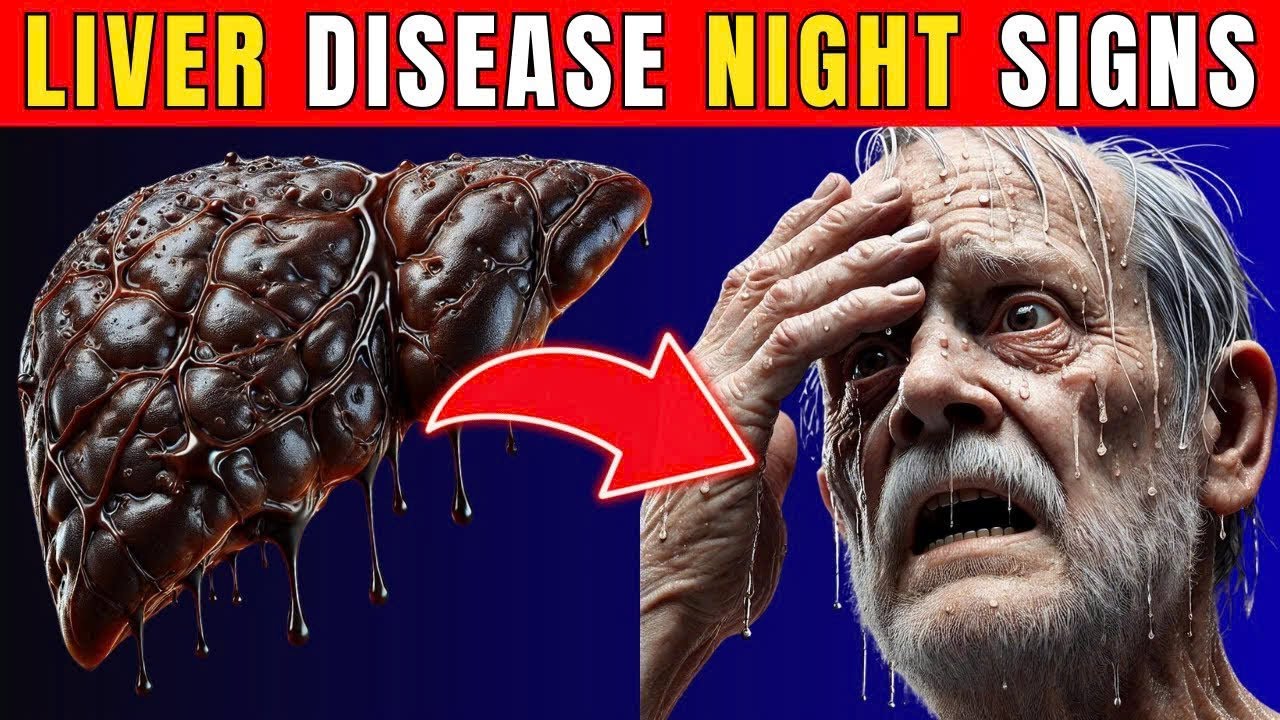
your liver and your overall health one sensitivity to temperature sensitivity to temperature is often an overlooked symptom yet it's a significant sign in individuals with chronic liver diseases such as therosis or hepatitis when the liver's function declines it struggles to regulate metabolic processes and blood circulation efficiently impairing the body's ability to maintain stable temperature as a result patients may feel unusually cold even in warm environments or they may experience excessive sweating when the weather is only mildly warm this makes daily life uncomfortable as they frequently need to wear multiple layers or constantly use fans or
air conditioning to stay comfortable according to the American Institute of tropical medicine and liver studies a survey of 1,500 curosis patients found that up to 38% reported difficulty controlling body temperature with 15% saying they had to modify their lifestyle to stay warm or cool Emily Sanders a 59-year-old teacher from Houston Texas is a typical case she constantly wears extra layers even when the temperature is moderate and keeps a warm blanket around the house year round initially Emily thought her sensitivity was due to aging but as her symptoms worsened she sought medical advice test results revealed
she had curosis a condition that had developed over several years without her awareness Emily's temperature sensitivity was her liver's way of signaling its distress emphasizing the importance of paying attention to subtle changes in the body two foamy urine foamy urine is a symptom that many might dismiss yet it can be an early warning of liver dysfun function when the liver is weakened its ability to process and metabolize proteins becomes compromised leading to excess protein that can leak into the bloodstream and be filtered out by the kidneys as the kidneys work over time to remove these
proteins urine appears Foy is seemingly Minor Detail that actually signifies important information about Liver Health a study from John's Hopkins University found that among 1,200 patients with non-alcoholic fatty liver disease nld 12% reported persistently foamy urine surprisingly 60% of these individuals were unaware that this could be a liver symptom with more than half only recognizing the issue once the disease had progressed John Brown a 50-year-old truck driver from Los Angeles California initially ignored his foamy urine attributing it to dehydration or the effects of certain supplements but as the condition persisted Jon decided to check in
with his doctor who discovered he had fatty liver a silent condition that had been slowly worsening thanks to the timely detection prompted by his foamy urine Jon realized the importance of his liver health and made lifestyle changes to prevent further progression of the disease three tightness in the neck area a sense of tightness or mild pain around the neck and shoulder area is often mistaken for musculoskeletal issues but it can also be a sign of liver problems the liver plays a vital role in maintaining blood circulation through the portal vein system when the liver becomes
damaged this function weakens causing increased pressure on large blood vessels surrounding the neck and shoulders resulting in a sensation of stiffness sometimes spreading to the upper back a study published in the international Journal of hepatology found that among 850 curosis patients involved in the research 22% reported experiencing tightness in the neck and shoulders with most initially attributing it to prolonged sitting or stress Anna Williams a 48-year-old office worker in New York exemplifies this symptom she frequently experienced neck and shoulder stiffness particularly at the end of her workday initially Anna assumed it was due to prolonged
Des work but even after adjusting her posture and incorporating light exercise the discomfort persisted after a full health check doctors diagnosed her with chronic Hepatitis B which had impaired her liver's ability to regulate blood flow effectively the tightness in her neck and shoulders was her liver's way of signaling its distress though it had been misinterpreted for a long time four excessive hair loss and thinning body hair hair loss and body hair thinning may seem related to stress or aging yet these could also signal underlying liver issues the liver is essential for regulating hormones chemicals that
play a major role in the health of hair and body hair when the liver cannot balance hormones efficiently levels of estrogen and testosterone may be affected leading to significant hair loss and thinning body hair a study from the Texas Institute for health research found that 18% of therosis patients reported severe hair loss and body hair thinning many of whom initially Mis interpreted the symptom as stress related or due to poor nutrition Mary Thompson a 53-year-old sales associate in Dallas Texas noticed an alarming amount of hair loss during showers and the hair on her arms and
legs began to thin At first she tried anti-air loss shampoos and increased her nutrient intake but the condition did not improve finally Mary went for a full health screening and discovered her liver was at the early stages of fatty liver disease doctors explained that her liver's weakened state had led to hormone imbalances causing her hair loss and body hair thinning by changing her diet and adhering to a treatment plan to support her liver Mary helped prevent her hair loss from worsening underscoring the liver's importance in overall health five chronic fatigue and lack of energy chronic
fatigue and lack of energy are common symptoms but few realize they can be a warning sign from a damaged liver the liver is the body's main organ for energy metabolism helping to break down glucose and fatty acids to provide essential energy when the liver is Dam damaged this process is disrupted reducing the liver's ability to metabolize and store energy leading to a persistent feeling of exhaustion even when the patient is well rested moreover when the liver's ability to filter toxins is weakened toxins accumulate in the blood putting pressure on the central nervous system and increasing
feelings of fatigue and and physical weakness it is estimated that up to 75% of patients with non-alcoholic fatty liver disease and afld reports symptoms of chronic fatigue and lack of energy Alison guian 46 an accountant in Los Angeles is a high-performing worker who suddenly found herself exhausted every afternoon despite trying to get enough sleep and reduce her workload she often lost concentration and felt as if her body was out of battery after a medical checkup Alice discovered that her fatty liver disease had been developing over the years due to a sedentary lifestyle and a diet
high in sugar and fat fatigue was the first sign her body sent to warn her about the condition of her liver six joint and muscle pain joint and muscle pain is often mistaken for typical joint problems but in cases of autoimmune hepatitis it is an important sign warning of liver damage autoimmune hepatitis is a condition in which the immune system mistakenly attacks liver cells causing inflammation and damage to liver tissue however when the liver becomes inflamed due to immune system attacks this inflammation can spread to the joints and muscles causing prolonged pain and soreness patients
often experience severe joint pain especially in large joints like the knees wrists elbows and sometimes fingers accompanied by swelling and stiffness particularly in the morning statistics from the National Institute of Health show that about 20 to 30% of autoimmune hepatitis patients experience joint and muscle pain with varying degrees of severity from mild to intense Linda Martinez 52 a primary school teacher in Seattle Washington frequently suffers from joint pain in her wrists and fingers making it extremely difficult to write on the board and perform daily teaching activities initially Linda thought she just had arthritis due to
age and work pressure but the pain did not subside even after taking pain relief medication after a medical examination the doctor discovered that Linda had autoimmune hepatitis causing her immune system to attack both her liver and joints her autoimmune hepatitis required her to adjust her diet rest more frequently and take medication to manage the pain seven loss of appetite loss of appetite is a symtom few people associate with liver disease but it is an important sign particularly in patients with therosis and non-alcoholic fatty liver disease the liver plays an essential role in digestion helping to
produce bileo substance necessary for digesting and absorbing fats when the liver is damaged its ability to produce bile decreases causing patients to feel bloated have indigestion and lose their appetite prolonged loss of appetite can lead to nutritional deficiencies resulting in unexplained weight loss and malnutrition if left untreated a lack of appetite can weaken the immune system making the body more susceptible to infections a report from the American liver Association shows that nearly 50% of patients with therosis and fatty liver disease experience loss of appetite with 30% facing sudden weight loss issues this Factor increases the
risk RK of malnutrition and adversely affects disease progression William Adams 62 the owner of a bookstore in Portland Oregon noticed over a few months that he began to lose his appetite even for his favorite foods initially William thought this was due to aging and work pressure but when his weight dropped by 8 kg 17 PBS over 3 months without any clear reason he decided to see a doctor after testing doctors found that he had curosis due to long-term fatty liver disease his loss of appetite was not only a sign of serious liver damage but also
resulted in a loss of essential nutrients since then he has had to adjust his diet and take supportive medications to restore liver function and maintain a stable weight eight abdominal swelling asites abdominal swelling also known as asites occurs when fluid accumulates in the abdominal cavity due to the liver's inability to effectively filter blood this condition typically appears in the later stages of liver disease especially therosis when the liver is severely damaged and pressure increases in the portal vein system the fluid buildup not only causes a feeling of tightness and discomfort but also leads to a
distended belly resembling pregnancy which can impact breathing and daily activities aites is a serious warning sign that the liver has suffered significant damage and requires urgent treatment to manage according to the American liver Association approximately 50% of seros patients develop a sites within 10 years of the disease's onset this statistic highlights the severe progression of the disease and the level of damage to the liver David Rogers a 60-year-old Carpenter from Phoenix Arizona noticed that his belly began to swell despite no weight gain initially David thought it was just abdominal fat accumul ation but as the
discomfort grew worse he decided to seek medical attention the doctor diagnosed him with aites due to endstage curosis the result of years of hard labor and frequent alcohol consumption his aites affected his breathing and daily activities requiring immediate treatment to reduce fluid accumulation and help improve liver function I easy bruising and bleeding the liver is essential for producing clotting factors necessary to control bleeding in the body when the liver is damaged the production of these factors decreases making individuals prone to easy bleeding or bruising even with minor impacts unusual bruises can appear on the skin
and individuals may experience bleeding gums or nose bleeds without a clear cause this is a sign that the liver is in a weakened State and unable to produce crucial clotting factors posing a risk for bleeding in minor bumps or injuries according to the National Institutes of Health about 25 to 35% of patients with curosis or chronic hepatitis experience easy bruising and bleeding due to impaired blood clotting functions of the liver Sarah white a 55-year-old homemaker from Chicago Illinois frequently noticed unexplained bruises on her arms and legs additionally she often experienced gum bleeding while brushing her
teeth at first Sarah thought this was simply a sign of Aging or a vitamin deficiency but as the condition persisted isted she decided to see a doctor and was diagnosed with chronic hepatitis her liver function had deteriorated significantly reducing its ability to produce clotting factors making her body prone to bruising and bleeding 10 skin darkening skin darkening in areas such as the armpits neck and face is a common symptom in people with liver problems especially when the liver is severely damaged or loses its ability to regulate hormones and Metabolism when the liver can no longer
effectively control hormone levels and detoxify the buildup of these substances in the blood can cause the skin to darken creating areas of hyperpigmentation this darkening or hyperpigmentation results from disrupted melanin production due to the liver's reduced efficiency in managing hormone production this symptom is commonly seen in skin folds like the armpits and neck as well as on the face causing patients to feel self-conscious and often misinterpret it as a Dermatological issue according to a study published in the international Journal of hepatology involving one 1,200 chronic liver disease patients up to 30% experienced skin darkening among
these 70% reported that the dark patches primarily appeared on the neck armpits and face highlighting these areas as the most susceptible when the liver's functionality declines Jennifer Collins a 44-year-old marketing professional in San Francisco Isco noticed her neck gradually darkening over a year even though she rarely exposed herself to sunlight initially she thought this was due to aging or the effects of skin care products however as the condition became more noticeable and spread to her armpits Jennifer decided to consult a doctor she was diagnosed with with early stage curosis caused by chronic Hepatitis B and
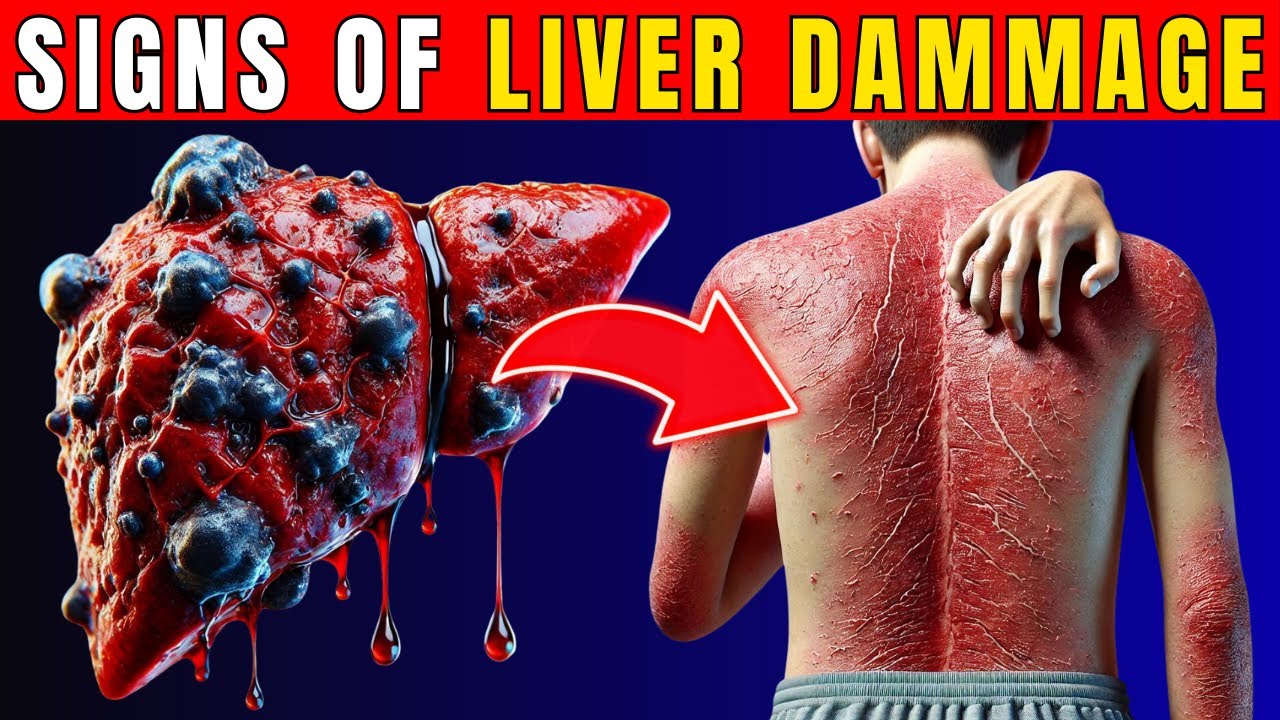
the skin darkening was actually a sign from her liver caused by hormone imbalance and toxin buildup leevan rash or pimples liver dysfunction can make the skin more sensitive and prone to irritation leading to symptoms such as rashes pimples or an itchy sensation the liver plays a key role in removing toxins from the blood but when it can no longer perform this function effectively toxins accumulate in the body causing allergic and irritant reactions on the skin these symptoms often appear on the face arms or other sensitive skin areas and may be accompanied by pimples or prolonged
itchiness such signs indicate that the body is reacting to toxin buildup because the liver cannot process and eliminate these toxins efficiently a condition common in patients with curosis or chronic hepatitis A study from Harvard Medical School shows that about 20 to 30% of patients with curosis or chronic hepatitis experience rashes and pimples primarily on sensitive skin areas George Miller a 51-year-old Transportation worker in Boston Massachusetts frequently experienced rashes and itching on his arms and face initially George thought it might be due to a skin care product allergy or changing weather conditions however the rash persisted
and did not improve despite trying various anti-itch creams after Consulting Consul in a doctor and undergoing necessary tests it was discovered that George had curosis due to prolonged alcohol use his liver function had deteriorated causing toxins to accumulate in the blood which irritated the skin and triggered the rash managing his liver Health helped George alleviate the rash and improve his skin condition your liver is a quiet Guardian working tirelessly each day to keep your body balanced and healthy yet when it starts to struggle subtle signs May emerge that are often easy to overlook or dismiss
throughout this video we've highlighted key indicators that could suggest your liver needs more attention along with simple actionable steps you can take to protect and support this vital organ by being aware of these early signs and making small but meaningful changes you can truly make a difference in your long-term Health a healthy liver is foundational to overall Wellness impacting everything from energy levels to immunity recognizing these early signals allows us to be proactive rather than reactive in protecting our health if you found this video valuable please consider hitting subscribe to stay connected with us at
healthy care together let's build a community focused on informed and preventative health empowering ourselves and those we love to lead healthier lives thank you for watching and we look forward to seeing you in our next video with more tips for a healthier happier life