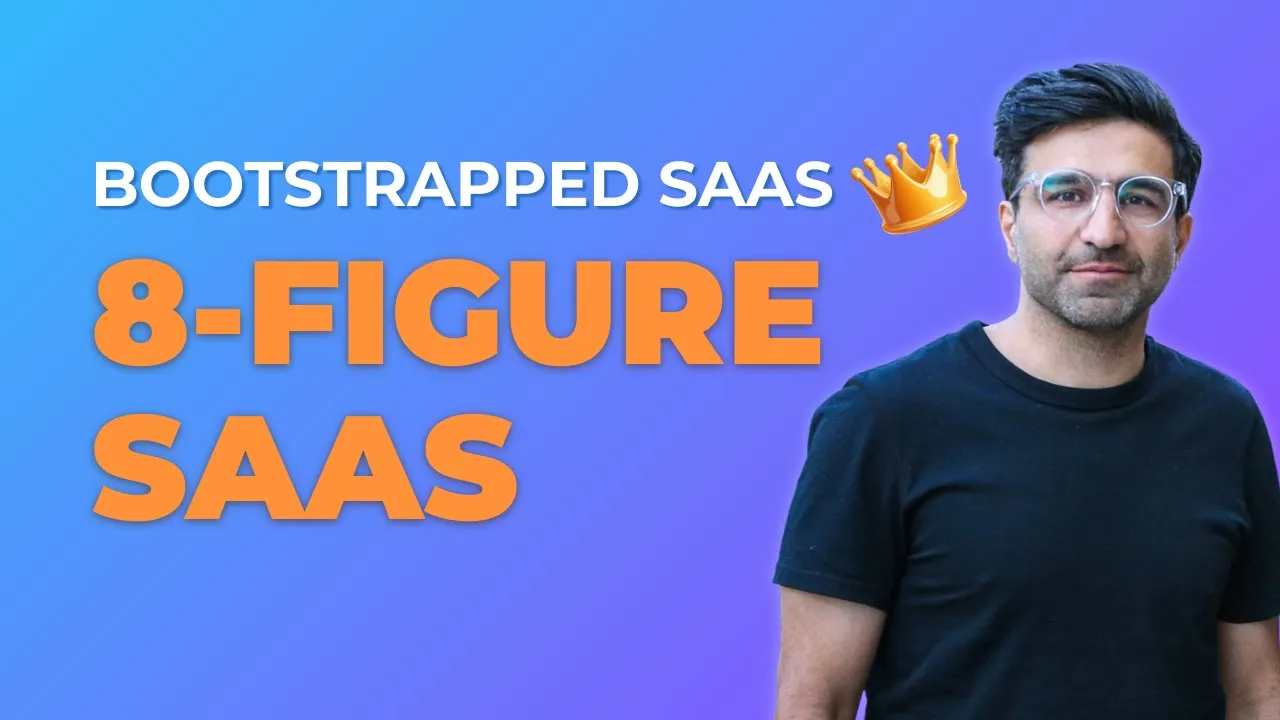
K welcome to the show thank you thank you Omar do you have a favorite quote something that inspires or motivates you that you can share with us yeah I actually don't I'm not big on quotes um but there's one I think is very good that we think a lot about when thinking about planet building planet and it's we say that nothing of value comes easy and I think that is very true at least for from my experience and experience with building this company so tell us about plan hat what does the product do who's it
for and what's the main problem you're helping to solve so planet is a customer platform uh built to retrain retain and grow and service your customers so you can think of it as like a post sale CRM uh that we built um U maybe a bit more nerdier way of thinking about it is that it's a Time serious CRM uh built for customers to understand their full sort of customer license cycle and give give help give their customers a better experience yeah who are your typical customers maybe some some logos so well you know we
um uh we sell to data driven companies so we're starting out we sell a lot to sth software companies uh but we also have a lot of customers in healthcare msps services companies uh service security companies and whatnot um and interesting with our platform and our business is that we serve sort of both theb fairly smaller smaller companies uh up to very big large uh Enterprise companies cool and give us a sense of the size of the business where you in terms of Revenue number of customers size of Team yeah so we are roughly 200
people um you know split between both revenue and employees is uh in both uh inia Europe and North America we're eight figure business in ARR and um we're growing and I think you guys have raised about 50 million now right yeah yeah so we um the background of the companies that we were bootstrapped for a fairly long time uh raised the $50 million um few years ago and but sort of the bootstrap mentality has not disappeared so Company still has roughly $50 million in the bank and you know operating similar to bit to before so
when you say bootstrap for a long time how how long are we talking about oh man the first six years of the company was a bootstrap so a fairly Fair long time that's a that's a bootstrap business right like some people say uh we bootstrap for the first six months right but yeah the first two weeks yeah exactly cool okay great so before we get into like where the idea for this business came from maybe you can tell us a little bit about your background because I think that's pretty relevant to like how you know
plan hat came about so like where what were you do doing before this business what's your background I work for um so I've done I I say to people um kind of done two things in my life one is that I was used to be a fighter uh before studying and go to school um at University but um after school University I joined a you know software s startup a fairly small company back in the day from Scandinavia Swedish myself and um this is now I think 19 soon years ago uh so yeah that's how
I learned business U by working in software assess I joined that company when it was fairly small and I was there for a long time and helped to grow the company uh it was a yeah it was a s business fairly early on you know thought about um you know fighting churn selling deals entering new markets and whatnot for for for a long time so you founded plan had with uh your co-founder Nicholas where did the idea come from yeah so um as I said so I was working um in assass business right um and
I was in charge of go to market teams I was in charge of the customer success team there and at a fairly young age uh I was managing you know hundreds of millions of dollars in in ARR and try to fight churn and reduce reduce churn do more upselling grow grow revenue from existing customers and whatnot and um um you know they're thinking about the problem a lot that um the problem of gross and net retention or problem slash opportunity of of improving gross and net retention becomes bigger over time um and um you know
try to solve this by a bunch of different things I don't have a technical background so you know try to solve it by you know addressing it through different salary models for postale functions from you know bunch of different playbooks and just trying a million different things to solve gross and net retention um so you know identifying like like at the core this problem has to do with customer centricity uh you know where companies typically when they're growing they're thinking that you know sales is typically King in a company sales is you typically see L
companies as they're growing and scaling quickly selling bad deals or non bad fit deals to their customers uh and as the company grows you know net revenue retention becomes this key metric in companies uh sort of seeing that and also seeing that this is very much a technology problem um a Time based problem that you need to sort of understand your customer data uh over time uh I need to make sure that everybody in the company have access to custom data and whatnot so um so that's sort of from um thinking about this problem and
also Nicholas is my co-founder he's an amazing guy um you know has a mat background National chess player uh went on to be a Management Consultant and done a lot of really interesting things um and he sort of came to this a bit more from a technical perspective he also worked in SAS and software for a long time and try to solve for similar things but by thinking about technology first and building products and technology for these things so you know you have one from co-founder coming from the sort of from a commercial background the
other one from a technical background and uh be like hey like this is a this is a problem like a lot of the crms and Technologies out there they're sort of mainly transactional systems build to help companies close deals not necessarily to uh grow existing customers over time okay great so youve you've seen the pain firsthand you guys feel that this is a problem worth solving how did you get started did you go out and do the whole let's let's validate this idea let's find you know customers potential customers to interview or was it more
about let's start building the product like how did you guys start yeah no it wasn't a research based for sure it was Nicholas was we met many years ago Nicholas was on paternity leave and they were like yeah this is a problem and and Nicholas you know being a Ticky he he was like I'll start building on this thing and let's see what comes out of it so validating I would say that no like we weren't out there researching and interviewing companies because we sort of felt this ourselves firsthand for many years felt the pain
deeply right so it was very pragmatic like hey let's start to build first version of this thing if we like it ourselves if it works uh and then sort of take it to market now what was interesting for us was that very early on we started to get a lot of inbounds because you know it was obvious that it wasn't only us thinking that this is a problem um that the CRM sort of weren't sufficient enough for this for this problem so bunch of inbounds and you know plan has had this bootstrap story but we
had a I remember we had a very important customer really early on that invested in the company by buying their product and helping helping to sort of shape the product so that came from from fairly early days we had customers signing on and and T of you know address this with the product that we started to build how are they finding you uh yeah it's a good question website SEO I us to say that if you um if you build a good product people will find you in the era of Internet um but yeah but
yeah so it was I I can't think that of that we did there wasn't much SEO or paid advertisement that we did it was we had a website out and you know maybe there was some blog posts out there but you know yeah people people people found us yeah so I I know that in in the early days I mean one of the the the the biggest challenges that Founders have at this stage is is figuring out who is their ICP and and you know what's the target market and I know you guys got to
a point where you were very focused on who that buyer was and a very specific problem in terms of like uh you know net revenue retention but H how did how did that come about like how did you figure out who your ICP was what industry you were going to go after like um it again it's it's a pretty broad problem you're solving here and there's a lot of you know SAS businesses out there and and or you know already doing any kind of subscription type business how how do you how do you how do
you focus in so they know when they come across the product that this is what they need like how did you go through that process well we started out we thought about the the product and we still sort of think about the product as a as solving something much bigger than solving for churn right we thought about like hey you know you have this big uh you know big big uh company Salesforce with their CRM sitting in all these companies it's a big system it's clunky it's super expensive and uh like we're like hey the
world needs something else and uh let's build some a platform you know inspired by Salesforce but that where we look at in sort of having sort of the opportunity being center of the business and sales being King making sure that the customer is center of the center of the business and making sure that everybody in the company can access information about the customers is the most important thing you have in your business so um that's how we started and then we said that okay so let's start with sort of selling this thing to SAS B2B
companies that are scaling fast so today we have customers you know Telos Healthcare businesses service businesses using Planet but when we started that we were thinking that hey our ACP is just SAS B2B businesses that are scaling fast and the problem we want to help them with is only to solve for uh CH prevention you know um so that's how we started out and that was a big and still is a big enough problem for us and for our industry s to to to tackle um so so that's that's how we started and that that
was sort of the pitch that was the that was what the product was about dir on or whatnot but but you know obviously as we grew we saw that hey this customer centricity and having access to customer data and managing customers giving customers a great customer experience throughout the full life cycle this is not just something that is important for SAS B2B businesses it's everywhere like it's yeah how long did it take to get those first 10 customers a good I think they within the first year we got the the first couple of the customers
uh but I say like say 12 months six 12 months the first 10 customers and obviously what's fair to say too right is that uh plan is a bigger company today but like when you're a small company you sell to other small companies that's what you do when you're a bigger company you sell to bigger companies and um so so so yeah and I you know I think the you mentioned earlier about that you sell to smbs and to Enterprise businesses was that something that you set out early on in in terms of thinking about
this as a Enterprise type product or at least was that the vision or did that come later and and in those early days it was like our customer is like whoever will buy this thing from us yeah no I think that when you just when you know day one which is start out the first couple of weeks months obviously whoever is willing to buy from you your happy um right uh but but that said we were I mean we when I said that we sell to SBS we don't sell to you know 10 man companies
20 man companies we our our product is not necessarily super cheap so so uh we don't s sort of solve the very small companies out there um and early on we we did speak about that hey we we think that our experience and knowledge sort of fits better if the company has a some scale so you know today I think the planet is good if you at least you know 00 employees and up uh that was always been sort of that we that that's where we want to operate but don't if you're 100 people or
less then maybe planet is not always a good fit for you so so so you know yes early on we said that we want to build an Enterprise grade product so that's always been important for us um you know which is why we spend just all this time building out the technology and and product and security and all the things that comes around it if you want to serve uh larger companies let let's talk about that that Journey to the first million in ARR 99% of the time when I talk to Founders and I'll say
how did you grow or or what worked what didn't work paid ads is always like top of the list we tried paid ads didn't work um and I asked you that question and paid ads was like top of the list in terms of one of the things that did work for you guys so just tell us about what like you know how how that worked for you and and uh you know how easy or hard was it to to get that working as a growth channel for your business yeah so pay that is definitely somewhere
you can just spend a lot of money and don't see it's easy to spend money when it comes to pay that um so I I mean obviously I I know about our business I know about all the out there that that you speak to but in a B2B setting typically you're building a software for some that you're sort of selling to some division head of a company you know you may have you sell something to head of engineering head of Finance head of head of something right and I think that uh what help what helped
uh in this case was that we sort of deeply understood the people we were selling the product to so and if you fully understand the sort of the challenges or if you deeply understand the challenges that the buyer of such a product would have or the department head of that function would have then it's easier I would say to sort of tailor your messaging uh both SEO and paid advertisement for for that for that buyer and the the sort of more specific use cases you can you can connect your messaging to the better and the
more outcome based you are the better so I think that for us that was that was I mean that that helped a lot you know and and I say to a lot of people I meet that say that hey nobody you know nobody says that hey I don't want to invest in improving my nrr nobody says that all I'm not interested I want to improve my n like no that that that's not a that's not something that we that we hear a lot so I think that that that that helped you know that together with
like timing targeting these ads and and and what also we're not selling a product that is super cheap either right so if you pay X dollar to get the person to do a demo with you and your contract sizes are fairly big again it's not $10 per month or something then then you can get get the math to work so so back in those days like typically what was the average contract value of this type of deal uh early maybe first one two years $10,000 is uh per year um and then yeah so I would
say around around 10K and and and then up from there yeah so so you're using paid ads and you mentioned SEO so uh basically the hypothesis being that you know your ICP they have this pain they're probably searching for some kind of solutions so let's spend some ad dollars to get in front of them let's also do a great job with Organic search um because then we don't have to pay for for those clicks and especially as a bootstrap business right this is not like you don't have a lot of money to blow on on
paid ads once you were getting leads coming through these channels what was happening uh how easy or hard was it to to close these types of deals and and who was doing the selling you know we one thing that I mean obviously I'm bias here and but I think that we we have a great product we've always had a great product always vious ly it's way stronger today than it was day one or year one uh but product has always been something that we have wanted to lead with we say that you know we're a
product company first and foremost we take great pride in our technology so we always say that hey if we get somebody to just see this damn thing then they will buy like it's a good product it creates a lot of value and you know it's uh as I said like if we help you to improve your net revenue retention get faster time to uh value to hire less people in your Postell function uh and and scale well you know with our product more than you would do without our product you know it's it's an easy
investment it's easy to justify the investment so um I think that getting if you get to we got people to to view the product and get a demo of it and try it out a bit then um then we typically always have done uh really really well the the times when we have not you know still today we don't do well is you know if it's more around brand recognition or not getting the foot in the door in the F in the first place um so let's say that in the early early days who sold
like I know Nicholas CTO co-founder he sold deals even though he's an engineer um so that's cool I've sold deals obviously uh so anybody we had a very slat organization early on so you know anybody that uh we had people in customer success support selling deals early on so and that helped but obviously for myself and Nicholas being you know senior in the space and understanding the problem deeply and and product really well it's very easy to sell a deal a $10,000 deal uh in in early stages and you know so yeah cool I know
the other growth channel that worked well for you guys was just doing direct sales and coal calling and you made the point that calling is not dead um so what what were you doing there and and why do you feel that you you were able to have some success with just calling people so again like you know what problems you're solving you have a pro hopefully a very good product competitive product and you have a buyer there you identified you know I this is the person that's head of this department or function or the workflow
that we can help or reduce cost or whatever it is that you can help the customer with just getting the fastest way from point A to point B is to get a hold of that person and get the person on a call or on a zoom meeting and describe what you're doing and see if you can you can be helpful so that has worked well for us and yeah um you know personally I've been involved in a bunch of different companies throughout the years as board members uh you know early early employee of U companies
that grow to be very big public companes private companies whatnot like direct sales works really well it's a very efficient if you get it if you get it to work but but as you're saying like you know it typically obviously starts with having a good product and two that you know who you're going to talk to uh about what I think that it sounds very basic but it's a surprising how many companies I think or people struggling with with yeah I you know I think that's one of the biggest things where whether you're in cold
calling or cold email is like just just the relevance right if if you're if you're talking to the right person about the right problem it's a much easier conversation than you know just kind of you know what do I say like spray and pray right in terms of I'm just going to try and contact everybody and and and hope that there's somebody out there who might have this problem and then the on on that too right it is if you're ah head of a function like your job is to find ways of creating more efficiencies
in your business part of the job is to buy software is to implement methodologies or whatnot to just make your team more efficient and grow faster more profitable and and whatnot so if the uh yeah if you speak to the right person about the right things like it happens all the time yeah people call me all the times it it it sometimes it works how did that play out once you started building a sales team you're starting to hire sales people um was code calling still part of the kind of the the the plan yeah
so um yeah yeah of course yes but I would say that majority up until maybe just two one two years ago majority of our sales was on inbound H still um so again right so we're we're solving this fairly starting out we starting to solve this very Niche problem which is to improve their net revenue retention we have a very good product uh great reviews customers speaking well about us customers changing jobs and buying our product again and again and um and uh we are I think what's important is that we're sort of operating in
different markets so we don't have a sales or go to market team City sitting in California where I live and try to sell to companies all over the world or all regions or all you know countries uh we have sort of this go to market motion where and this is start we started to hire uh people on the salese that you know if you're buying plan hat today in France you speak to a French AE you speak to French speaking customer success managers or people that Implement your software there's a person that speaks French that
is head of that market uh same thing if you're in Germany or you're in Scandinavia or in the UK or us and whatnot so that localized approach has has always helped us a lot you know so so that that that has helped um I think that's one and and then second thing is that like when you're doing when you're looking to buy software like this if you again like if you if the people you speak to and is servicing you is local to you that that's something that we experien is is helping a lot um
so so was out bounding a strategy from early days yes but it was enough you know obviously when you're a smaller company that if you do inbound well there's enough to just um focus on for for this for the sales team in the early in the early days but then yes as you know we're hitting scale you need to uh have other channels helping out too when I talk to Founders who are you know on their journey to let's say the first million in AR there's often this assumption that you know you've got to be
you got to have a ton of different growth channels you got to be trying you know seven eight nine things and and working all of these channels to to acquire customers and one of the things that you had said earlier on when we kind of preparing for this was you know focus on like just one or two channels and you know even to get to like the first 10 million in in ARR so just just kind of tell me about that just just just help help kind of rationalize that for somebody who's thinking sort of
very counter to to that that that kind of point of view I think it's easier when you start out that you have these uh I don't know um that you listen to all these advice from different people and there all you know somebody was very successful with Partnerships from inbounds outbound Enterprise sales plg and you and you get excit and you think that well it works for those people so you should work for me I think that that's um I think focus is extremely important yeah so I think so I think that two channels for
the first $10 million in Revenue absolutely I think that that's uh plenty um I do think that again like the the the place to start is to think about like hey like who am I solving a problem for you know and that needs to be extremely clear and it shouldn't be a problem that only I think that I'm solving for the person but the person is like yeah I'm head of whatever function a company like I think that is a problem I want to have a product or service that you know help me reduce cost
doing this thing or or grow faster or or whatever it is that that that they try to do right that that nailing that early on is very important and then nailing sort of the product making sure that the the product is actually creating value and it's not something that you think is creating value that like it's actually creating value and I think I think I think I mean I appreciate that it sounds very basic but like get spending time getting that right then experimenting with 10 different channels I think that I would focus more on
on the first uh now um the in a B2B setting again in a B2B setting I think that um you know there's a lot of companies going plg some people companies starting out they just want to serve the Enterprise or midm Market or whatnot um I think that like companies should um I think it's good if you sort of focus on the segment where you feel that you have maybe as the founding team or the first couple of employees in the in the company we feel that hey we understand the segment really well so if
none of us have ever done LG before and we all you know in our entire careers we've been doing Enterprise B2B software sales you know if feel like hey let's do a plg motion like we've never done it like it's not it's not as easy as you may read about in a blog post and the same thing if you have a plg experience and background as a founding team and be like hey let's start selling to the Enterprise like it's a stick to what you know really well and start to do that do that well
did you try doing plg no we never done the plg and um again like it's not a core experience in our sort of management team today and we said that like until we have we have people that are you know have deep understanding of the plg motion we're not going to sort of do that stick with what you know right yeah yeah let's talk about I want to go back to this thing about serving smbs and Enterprises and one of the the the challenges of of that is like how do you build the right product
for two very different types of customers I think right so was this a struggle for you guys oh yeah man it's still a it's still a struggle you know um because at the end of the day like it's about how do you prioritize your resources and resources are always limited you don't have you know unlimited resources to to to serve both Enterprise customers and smaller company so I I feel that it's still a challenge with our company um um you know as the years past we sort of getting closer to picking lanes and saying no
to business uh which is obviously hard to do uh especially if you have a a bootstrap background um but yeah I think that um you know it has a lot to do with the depth of the platform that you have um Enterprise functionality just build out the security layers and and all just all the things you need for Enterprises it just takes time to do but once you've built it and if you have a sort of modular platform where you can sort of make it be also easy to use and just fit for smaller companies
uh if you can I mean then you can obviously serve both um but that's that's just on the product and product side right I think that is an equal Big Challenge on the go to market Sid if you have say sales people that again like have a Enterprise background Enterprise sales motion background to hire those people and say hey go out and sell 10 $20,000 contracts like that that's that's hard and the same thing if you have very transactional sellers in the business saying that hey go and chase this big uh you know public company
I think that that's equally hard so so getting these things right is I think it's a I think for us at least it's still something that is hard that we struggle with how do we organize the teams how do we package the product how do we charge for different things how do we let people companies that are fast scaling to scale with us you know and maybe bring them on board even though they're small um and and yeah just just be able to sort of um live up to the promises that we make to both
big and small companies it it's hard I mean somebody listening to this might be wondering like why not just like what's holding you back from picking a lane from just saying like we just go all in with SBS or we just do Enterprise I can you just explain what the what the the challenges of that it's a it's a very good question man I I mean I when we have our management meetings at Planet I ask the same question we speak it in our board um it's a very very good question um I I don't
have a good answer to it to be honest um I think that there's two things why it's hard one is that if you are successful with I think yeah if you're successful with serving both segments then it's hard to say no to one of the segments right so if you come to our you know if I come to your company say and I'm like hey Omer like forget about this segment just focus on this other one you're like hey I'm doing well here why would I why would I stop it's different if you're struggling as
a business right and I'm like hey why don't you pick one of these Lanes it's it's hard to do well invol so I think that that's one the second thing is that at least for us if you come from a bootstrapped business uh and bootstrap background it's very hard to say no to business you know it's theoretically it's easy it's easy in an Excel sheet to justify it but like you're out there in the fight and somebody's there they want to pay you say half a million dollars but for some reason you can't serve that
big company like it's hard to be like oh no you know it's not price for us yeah yeah I I think that's it's it's almost like it would be easier if you weren't doing well with one of those segments right the decision is like but but also just just on that I think another thing is that like even though and you know what is doing well you could always do better you could argue that hey you would do better as a company if you actually picked a lan and just focused even more so that that's
the other side of that I think right you mentioned the the kind of the bootstrap mindset and kind of difficulty saying no to to business completely understand that did you did you say at the beginning that you'd raise the 50 million but pretty much most of that money was still in the bank yeah yeah so so the company's growing you got a you got a what like a couple hundred people in the company well funded generating you know eight figures in revenue is that bootstrap mindset just with you and Nicholas or or do you still
try to kind of create that as part of the culture in the company yeah I think that uh if we're trying or not it is part of the culture in the company you know uh early days I said like when you're bootstrapped the good thing with being bootstrap is that when you start out you know everything everybody is doing has to create real value you know real value if it doesn't then you will die now that and if you operate like that for many years and then you know get a big uh sum of money
on your bank account that doesn't disappear over time you know it sort of becomes part of your culture it becomes part of the standards you have for for yourself and for each other that hey we're not going to have any people that in the business that's not creating value that you know uh we're just not going to be that kind of company so uh I would say that it's yeah it's um it's not from the founders uh but it's like it is how we operate how we think about things it's also core if you think
about the platform and the mission that we're at right we think that hey companies this like this big era where businesses are moving away from being promised things you know in this sort of sales driven world to a to a place where people will only pay you for the value that you actually deliver to them see this in subscription business models and uh you know consumption based business models and whatnot and and and and when you're operating in these business models you have to create actual real value for the customer and that means like internally
need to be value driven um so yeah it's a very core to the mission at hand how we started the business and how we just operate and on that note I think we should uh wrap up and get onto the lightning round so I've got seven quick fire questions for you what's one of the best pieces of business advice you've received um yeah so I don't know if still have the the best business advice but I think a good advice is like don't listen to advice uh especially from people that have and done the things
that you're trying to do but so yeah so anybody listening to this like you're on your own path what might have worked for us doesn't work for anybody else like it's yeah totally and and I think you know having done like you know like over 400 of these interviews it's like it's amazing how you come across people who do founders who do exactly the same things and get completely the opposite results from that and so to be able to just say go and do XY because it worked for so and so is like it's a
dangerous kind of you know thing to do what book would you recommend to our audience and why um so I think um I worked for a guy who recommended The Good the book good to Great by Jim Collins many many many many years ago I think I still think it's a great business book um you know empirically speaks about sort of what sets great companies away apart from good companies um I think it's a great I haven't read it now for many years I admit but like it's a good book cool uh what's one attribut
or characteristic in your mind of a successful founder uh successful founder I think you need to be very good at building teams um yeah if you especially if you want to scale something I think that's very important it's obviously important that you are res lient and like that you that you stick to the things but like I think if you cannot build teams you're not a good team Builder it's harder than to build a successful company what's your favorite personal productivity tool or habit uh I don't have any productivity tools but I um I say
to all our employees as often as I can that they need to sleep well eat well and exercise every day I do that myself um I think that that's my best productivity hack cool uh what's a new or crazy business idea you'd have to pursue if you had the time I don't uh I I I don't have one um I mean I work plan I'm very passionate about planet so I think it's the best thing ever so I I don't have one and um what's an interesting or fun fact about you that most people don't
know um I think your audience don't know that I used to be a fighter I've been a Swedish champion in martial arts many times I've been fighting for the national team I've been I still fight uh so yeah um I'm a good fighter wow so so like it's something that you still like train seriously for like even now like while you're still running plan hat yeah being a serious fighter uh is hard uh as you sort of get older it's really that way it's not um yeah it's not like a lot of other sports but
yes you I still work at you know go to the gym I still do martial arts yes it's um I do it's just like it's definitely it's it's it's absolutely not at the same levels as uh as earlier and and and what is this is this like taekwondo or was it is that what I came AC yeah I started out doing Teo I do Jutsu I've been doing mu Thai I've been doing a bunch of different sports wow and uh finally what's one of your most uh important passions outside of your work so I have
a family uh I have three kids I have a dog and um yeah I said I work out and I work at Planet that's sort of my life that's that's what I do as long as you're happy that's all that matters right yeah I am happy love it okay gab thank you so much for joining me it's been a pleasure chatting uh if people want to find out more about plan hat they can go to plan hat.com and if folks want to get in touch with you what's the best way for them to do that
um send an email or yeah email is best my first name at planet is is a good one awesome thank you so much thanks for making the time um and I know it's a lot to unravel kind of going back almost uh a decade and uh you know distilling that down but uh appreciate you doing that and uh congratulations on everything you've done so far you and Nicholas and the team and I wish you all the best of success thank you thank you om my pleasure cheers