If you're wondering how young people are affording to buy homes today, you're not the only one. With property prices, interest rates, utilities, insurance, and maintenance being so expensive, it's not as easy as it once was to get into home ownership. But those young people you see buying nice homes might not be doing it how you think they are.
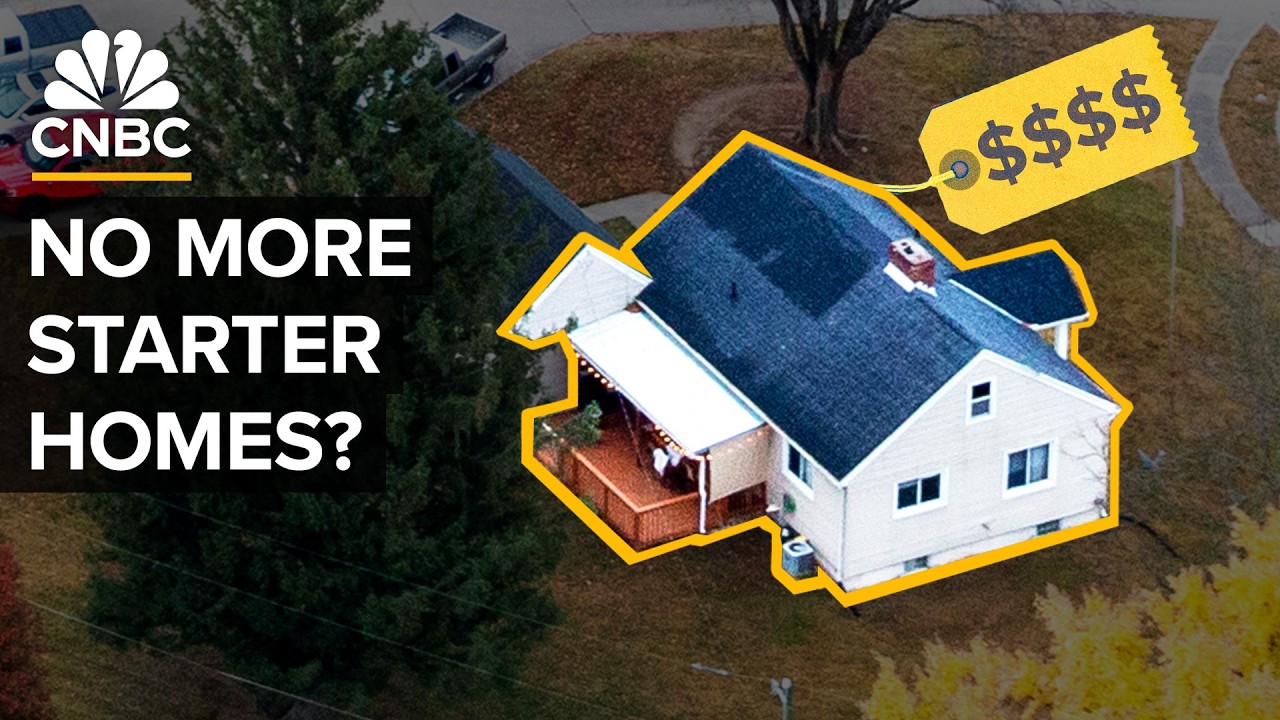
Let's just break down the cost with real numbers for a second. The median home price in the US right now is around $417,000. That's not a luxury home.
That's just middle of the road average. Now, let's say you put 10% down, which is actually more than many first-time home buyers can manage. With a 7% mortgage rate, your monthly payment, including principal, interest, taxes, and insurance, known as PITI, comes out to just under $3,000 per month.
In that $3,000 monthly payment, it only covers the basics. What it doesn't include are all the additional ongoing costs that come with actually living in and maintaining a home. Utilities like internet, water and sewer, electricity, and heating fuel can add several hundred dollars each month depending on the location and the season.
Then there's property maintenance, landscaping, snow removal, gutter cleaning, pest control, all of which either cost money or require your time and labor. These aren't just one-time expenses, they're recurring, and they almost never get cheaper. On top of all that, you have to be prepared for the unexpected.
Appliances break, roofs leak, water heaters fail. If your HVAC system goes out in the middle of summer or winter, you could be looking at a repair or replacement bill anywhere from a few hundred to thousands of dollars. And these things don't wait until you're ready.
They usually happen at the worst possible time. These hidden or overlooked expenses often come as a shock to firsttime home buyers, especially those who have only budgeted for the down payment and monthly mortgage. It's not just about affording the house.
It's about affording everything that comes with it. Now, let's compare that to the median income for an individual, which is about $42,000 per year, or roughly $3,500 a month before taxes. After taxes, you're probably walking away with around $3,000 per month, give or take, depending on where you live and your withholdings.
If you're earning the median income and buying the medianriced home, you'd be completely underwater. Your mortgage would be more than your entire take-home pay. Not just unaffordable, mathematically impossible without help.
Here's where the missing piece to the puzzle fits in. A growing number of young people buying their first home aren't doing it alone. They're getting serious help from their families.
According to a survey by Redfin, about 38% of first-time buyers under the age of 30 are using either a cash gift from family or inherited money to help cover their down payment. That's nearly four out of 10 young buyers getting a financial boost just to get their foot in the door. And this isn't always obvious from the outside.
You might see someone in their 20s or early 30s post a photo of their new home online. And maybe it's a nice bungalow or something surprisingly nice for a starter home. And it's easy to assume they must have worked incredibly hard, saved for years, budgeted everything perfectly, and they make a lot of money.
Sometimes that's true. But a lot of the time the real story is that mom and dad wrote a check, or grandma passed down a little nest egg. Maybe someone in the family even co-signed on the mortgage.
This kind of help isn't rare anymore. It's becoming the norm. And while there's nothing wrong with receiving help, it does change the playing field.
For people without that kind of support, it can feel like they're being left behind, even if they're working just as hard. The housing market has shifted in such a way that generational wealth is becoming a bigger factor in who gets to buy and who has to keep renting. It can be frustrating, even disheartening, when your friends or peers are getting large chunks of cash from their families to help buy their first home.
And it's not just the emotional side of watching others move forward while you're still trying to save. In many cases, these are the same people you're directly competing against when it comes time to place an offer on a house. If they're coming in with a 20% down payment gifted from family, and you're scraping together 5% from your own savings, the seller is more likely to go with their offer, especially in a competitive market.
Bigger down payments usually mean fewer financing hurdles, which makes their offer look safer to sellers. On top of that, some of these buyers can wave contingencies or even offer above asking price because they have the backing of family support. Meanwhile, if you don't have that kind of financial help, it can feel like you're stepping onto the field with half the gear.
Trying to compete in a game that's already stacked against you. You might have a solid job, great credit, and all your finances in order. But in the world of home buying, cash talks.
And unfortunately, it often talks louder than responsibility or effort. That's what makes this part of the process so discouraging for a lot of buyers, especially the ones who are doing everything right on their own. If you're not one of the lucky ones getting a big check from your family to buy your first home, don't panic.
You're not out of the game. It just means you have to get a little more strategic and maybe take a different path. And that's okay.
One option that's gained popularity but still flies under the radar is house hacking. That means buying a property, maybe a duplex, triplex, or even a single family home with a basement unit or even just an extra bedroom and renting out part of it to offset your mortgage. Live in one space, rent out the other.
It's a smart way to start building equity and generate income at the same time. It's obviously not as desirable in terms of living arrangements, but the financial benefit will set you far ahead of the others picking the recently remodeled property and being responsible for the entire mortgage. It's logical when you really think about it.
Having an entire building for just one person doesn't make the most sense. Another option is to buy a property with a friend or family member, maybe an aunt, cousin, sibling, or close friend. By splitting the ownership down the middle, both parties can share the financial responsibility.
This makes a lot of sense, especially if neither person can afford to buy a place on their own. Pooling resources allows both people to invest in a property they might never have been able to afford on their own. There's also nothing wrong with staying at home longer if you're contributing, and it gives you the chance to save aggressively, knock out debt, or grow your income.
It might not feel exciting right now, but that extra time can set you up for opportunities most people don't get. A few smart moves today can pay off exponentially and reward you for the rest of your life. You can also build wealth in other ways first, then circle back to home ownership when you're in a stronger position.
That might mean investing in the stock market, focusing on growing career-wise, or launching a side hustle that turns into something bigger. Some people recommend staying out of the housing market until you can afford to pay cash or put something crazy like 30% or 40% down on a 15-year mortgage. On the surface, it sounds like a smart, conservative strategy.
But the real problem shows up if prices continue to rise while you're waiting. If that $400,000 house is appreciating at just 5% per year, that's an extra $20,000 added to the price annually. That means you're not just saving for your original goal.
You now have to save at least $20,000 more each year just to keep pace with the market. And if your savings aren't growing at the same rate, the gap between what you have and what you need keeps getting bigger. Over time, you could find yourself in a frustrating situation where homes become less and less affordable, even though you're doing everything right by saving diligently.
Some people feel behind when they haven't bought a home yet, or if their home isn't as expensive as their peers, especially when you see your friends posting about new houses and moving days. But if you're staying debtree, stacking cash, and investing consistently, you could very well be building a much stronger and more stable financial foundation. What you don't always see is that a lot of those who look like they're ahead might have had a little extra help.
whether it was a gift from family or a co-signer. On the other hand, maybe they only put a tiny down payment that equates to a sky-high mortgage payment. Some might be sitting on piles of student loans, car loans, or highinterest credit card debt in addition to that new mortgage.
Just because someone owns a nice house doesn't automatically mean they're financially secure. In fact, many stretch themselves so thin that one unexpected expense could throw their whole situation into chaos. Staying patient, keeping your debts low, and continuing to invest gives you the power to step into home ownership when you're truly ready, not just when you feel pressured to keep up.
With even a basic home sometimes costing $4,000 or more per month, it's completely normal to wonder how people are actually pulling it off. On the surface, it can look like everyone has it all figured out. The nice house, the new car, and the seemingly perfect life.
But the reality is often very different from what you see. Studies show that around four in 10 buyers are getting help from outside sources, whether that's family assistance, gifts, or other financial boosts. In other words, a lot of people look like they're doing it entirely on their own.
So, don't worry if you're out there grinding, saving, working hard towards your goals without a safety net and don't seem quite as far along as them. Stay patient, stay focused, and remember that building a solid foundation is far more important than rushing to keep up appearances.