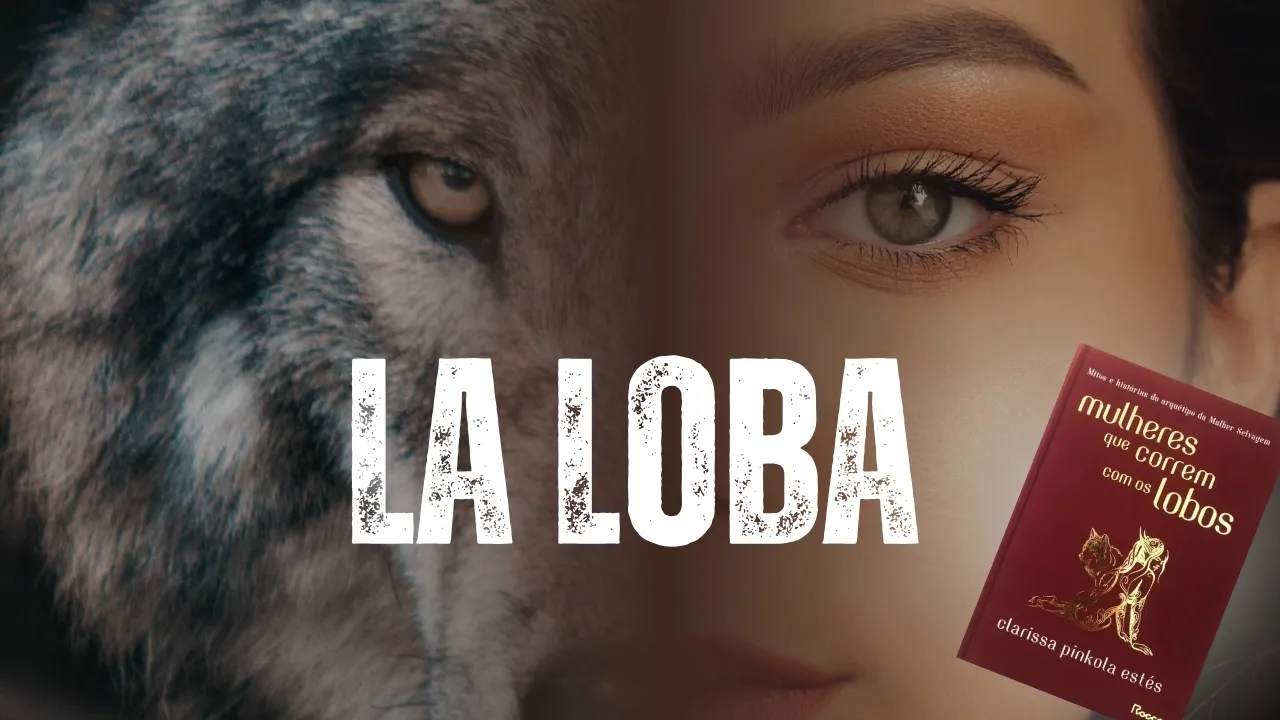
La Loba Today officially begins our series of videos about the book Women Who Run with the Wolves" by Clarissa Pinkola Estés. But before we start, I have a proposal to make to you. Throughout all the stories we will see Here, there will certainly be one or two that you will really identify with and maybe be deeply moved by.
When that happens, I would love to read your comment. You can just say “this is my story” or share more. if you feel comfortable.
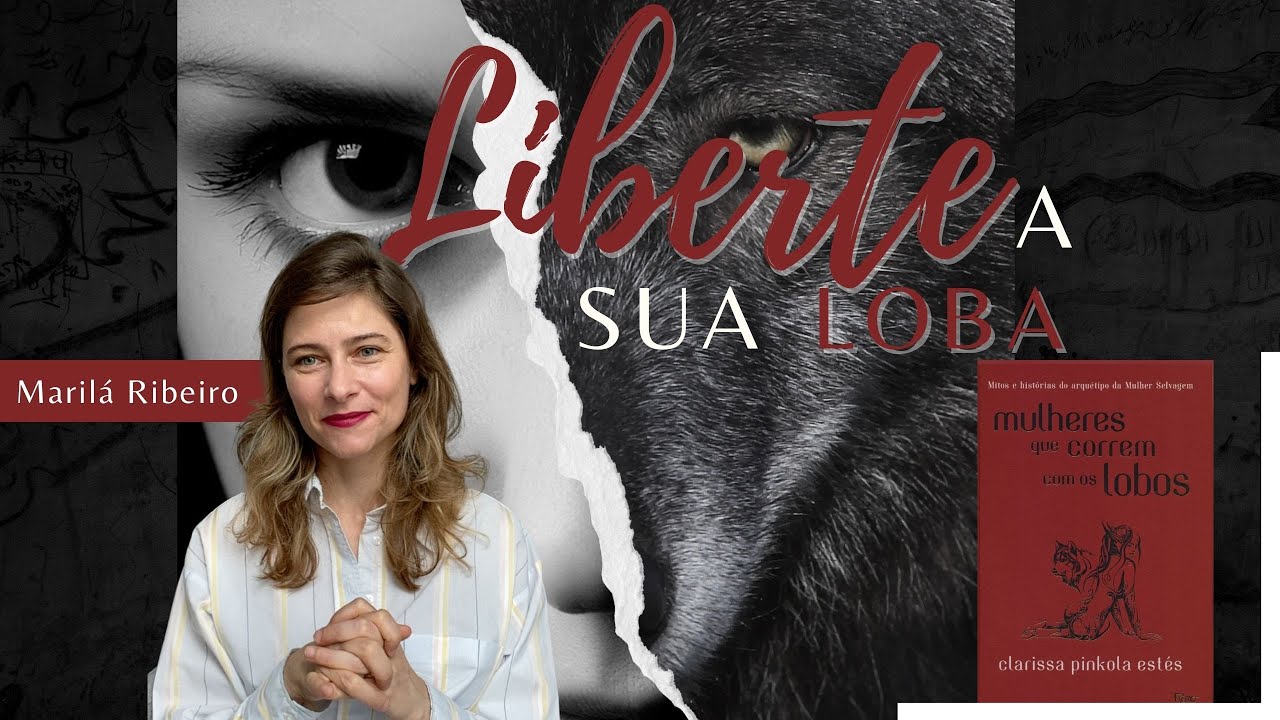
Even though we are separated by a screen, what we are doing here is forming our own pack. And having you here makes me sure that you are part of it. A little note before I start, I'm using as a reference the special hardcover edition of the book produced by publisher Rocco and translated by Waldea Barcellos Although the first edition was released in 1992, I'm using the 2018 version in this series.
And I bought the book myself, as you may have seen in the introductory video I published. It's not public. It's sharing and pack.
And now we can begin. . .
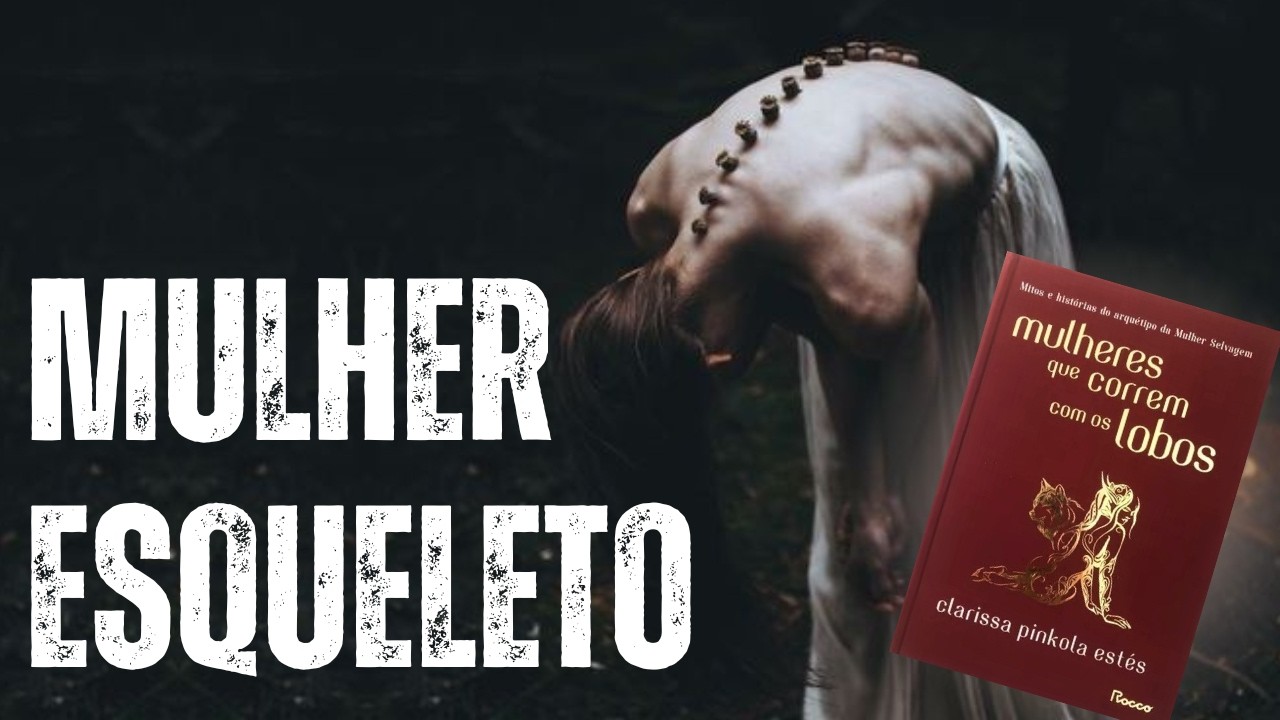
The first chapter of the book is titled "the howl: the resurrection of the wild woman" and it begins with the story LA LOBA, THE WOLF WOMAN. In this story, the author introduces us to the central figure of her work, "La Loba", which in Spanish means "The She-Wolf”. But she also has other names and can be known as La Huesera, the woman of bones, la trapera, La que Sabe La Loba is a mythological figure who plays the role of a bone collector.
She travels through deserts and arid lands, looking for the bones of wolves, which symbolize the wild and instinctive essence. time, brings them together to create the complete skeleton of a wolf. After gathering the bones, she sings over them, bringing life and vitality back.
Singing means using the voice of the soul, breathing soul into what is sick or sick. in need of restoration. >>> She stands up and approaches the creature, raises her arms over the skeleton and begins to sing.
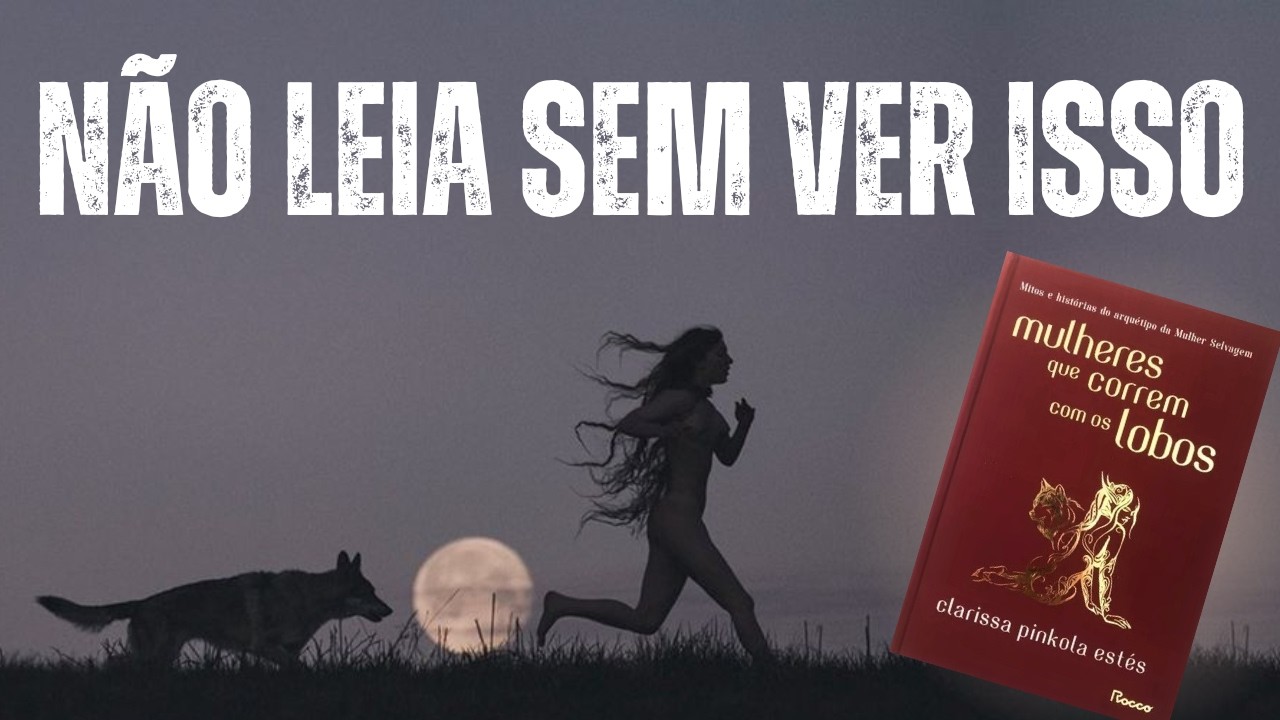
begins to cover itself with fur, La Loba sings a little more and a greater proportion of the creature comes to life. La loba sings more and the wolf creature begins to breathe. The wolf opens its eyes, jumps up and runs down the gorge.
At some point in the race, the wolf is suddenly transformed into a laughing woman and runs free toward the horizon. The story of La Loba is a powerful metaphor for a woman's journey in search of her own wild, instinctual nature. Just as La Loba collects bones to restore her integrity, women often need to recover parts of themselves that they have allowed to be repressed, domesticated, or forgotten throughout their lives.
La Loba makes a parallel with universal myths where the dead are resurrected. In Egyptian mythology, Isis works day and night to restore the body of her brother Osiris who was dismembered by her other brother Set. In Greek mythology, Demeter rescues her daughter Persephone from the Land of the Dead once a year.
In the Tarot, La Loba makes reference to card number 13, Death, which talks precisely about the transformations we need to go through throughout life, showing that from time to time we need to analyze what should live and what should die. In Astrology, La Loba is represented by the energy of the 8th house, one of the houses most full of themes, such as life-death-life, transformation, forgiveness, family secrets and everything that we are not able to see. The story of La Loba reminds us of the importance of reconnecting with our own "wild woman", the part of us that is instinctive, creative, intuitive and powerful, which is represented here by bones.
She encourages us to look within and rescue the parts of our psyche that have been relegated to oblivion, often influenced by traumas we have experienced, social norms we have tried to fit into, or cultural pressures we have given in to. She asks us: What happened to the voice of my soul that stopped singing? What are the buried bones in my life?
In what condition is my relationship with the instinctual self? When was the last time I ran freely? How can I make life come back to life?
Where did the Loba that existed inside me go? By connecting La Loba's story with women's experiences, Estés encourages us to embrace our own journey of self-discovery and empowerment. She invites us to join our bones and sing about them, that is, to recover our inner power, to trust our intuition and to honor our natural instincts.
The story of La Loba is a reminder that all women have within them the ability to restore their integrity and vitality, just as La loba restores the wolf from the bones. If you liked this content, like, comment, share so that I can continue my mission of sharing the keys to knowledge with you. If this is your first contact with me, in the description of this video you can find out more about me and my work with astrology and tarot, how my consultations take place and online courses with open registration.
And so, we will continue together in this quest to transform lead into gold.