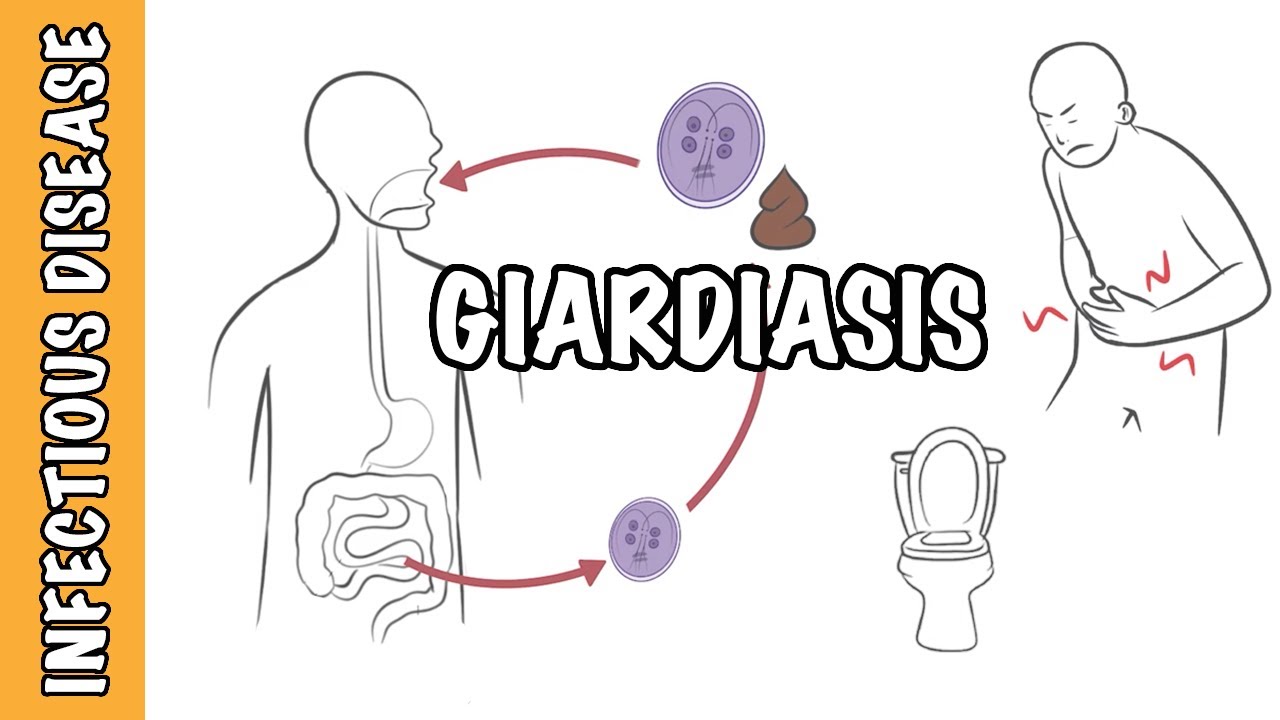
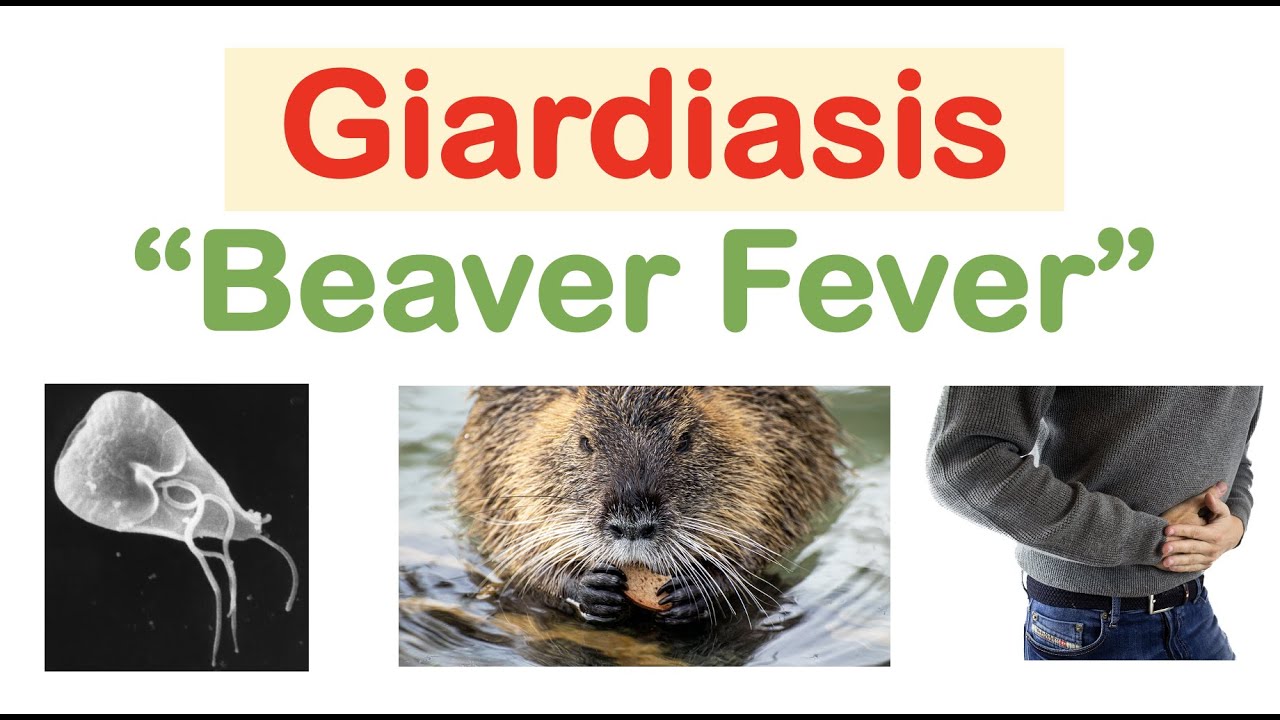
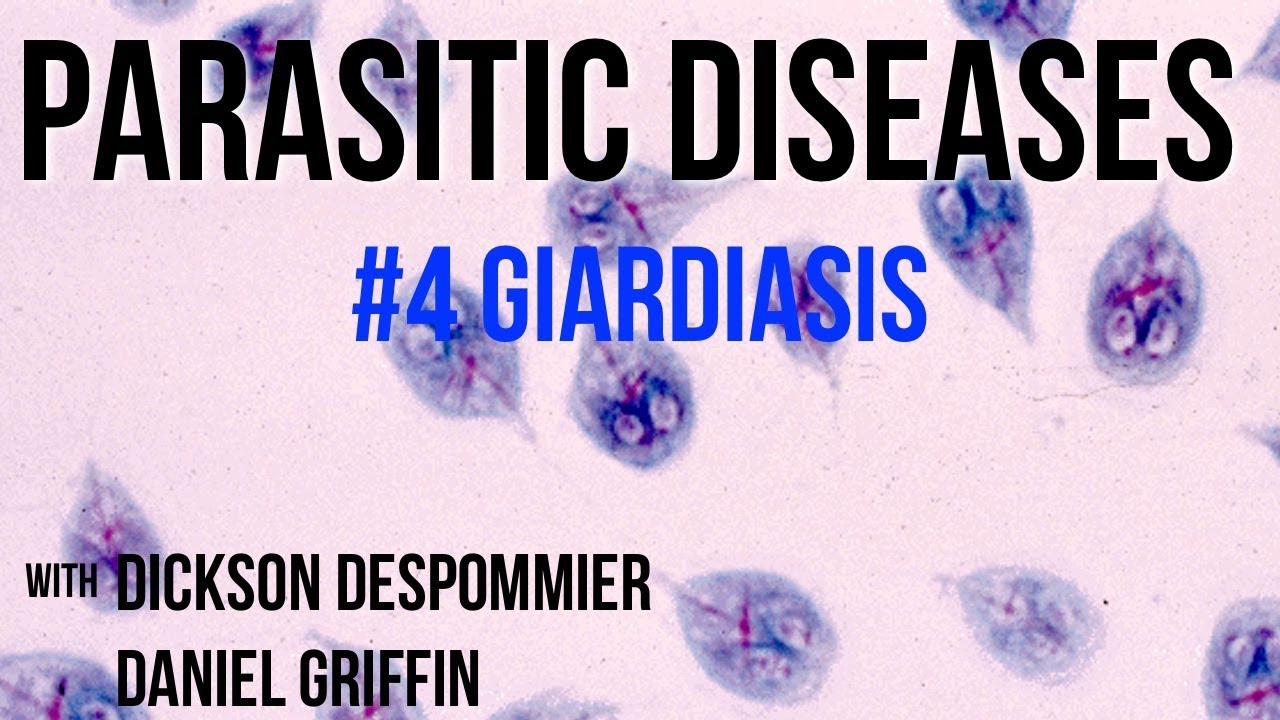
armanda hugan biology and Medicine videos please make sure to subscribe join the Forman group for the latest videos please visit Facebook amandan please like and here you can also ask questions answer questions and post some interesting things including your artworks and you can also change the quality settings to the highest One graphics in this video we're going to talk about giardiasis which is an infection caused by the protozoan flatulate Gardia intestinalis also known as Gardia lamblia giardiasis is a particular issue in developing countries and is the main cause of diarrhea like symptoms and abdominal pain
it is the it is a major it is a major issue in developing countries because of overcrowding the unhygienic environment and poor water water quality control in these areas in developing countries the prevalence is highest in children so you can imagine how it is a major issue gasis is caused by the protozoan flatulate as mentioned Gardia intestinalis or lambla there are two forms there are the Gardia cyst which is the infective form which is about 10 micrometers in diameter and is ovoid cell shape it contains four nuclei in the cytoplasm the Gardia cyst can become
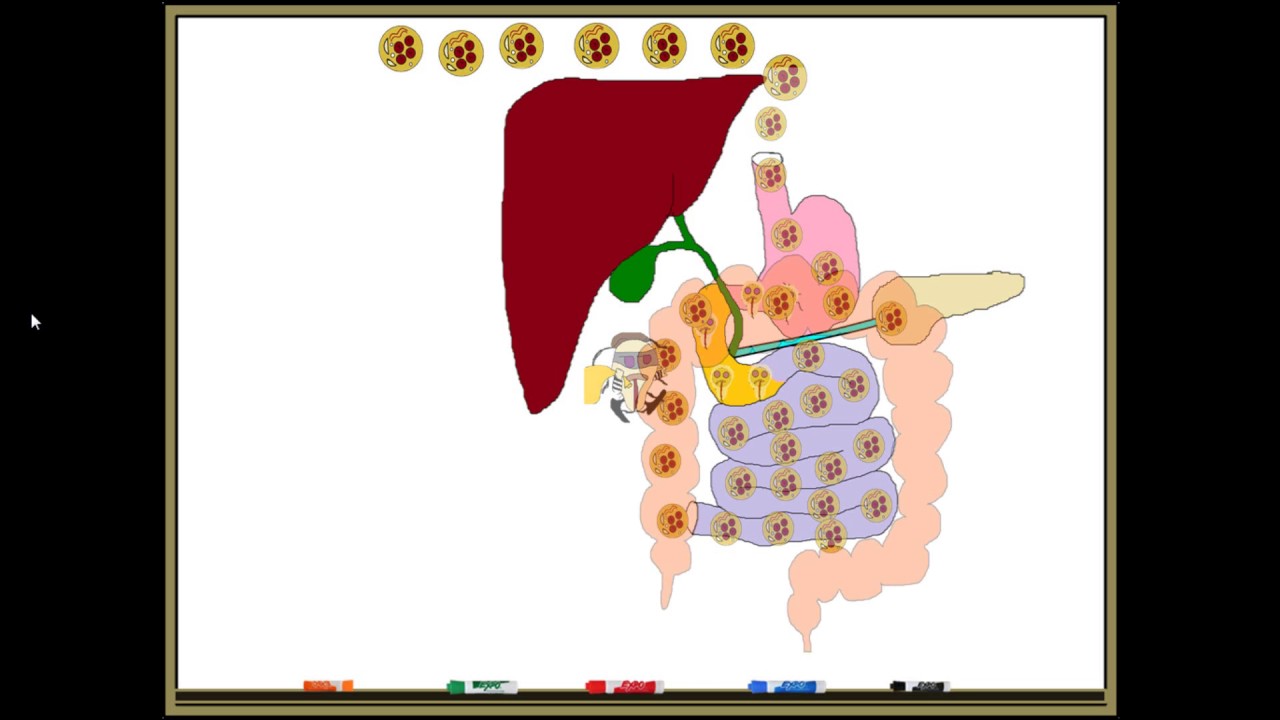
the guat troso which is the mobile form the one that moves around it is peir shaped in sh it is pair shaped with eight flatulate and thus it is known as a protoo and flate because it has eight flula it contains two anterior suction discs which allows it to attach to the mucosal surface of the intestines and it contains two nuclei in the cytoplasm now let's see how this protoo and flatulate causes an infection in the human body here I'm drawing a human with the gastrointestinal tract the mouth esophagus stomach small intestine and the large
intestines I'm drawing the gastrointestinal tract because this is how the protoo and flagellate causes an infection in humans now the infection can begin when a human ingest ingests Gardia lamblia cysts through contaminated fluid or water so here we have a water with being contaminated with Gardia cysts the cyst will travel down to the esophagus through the stomach and essentially B uh uh bind to the mucous layer of the small intestine the duodenum here in the small intestine one cyst will become two troides will release two tropo a process known as exist the tropolite not cyst
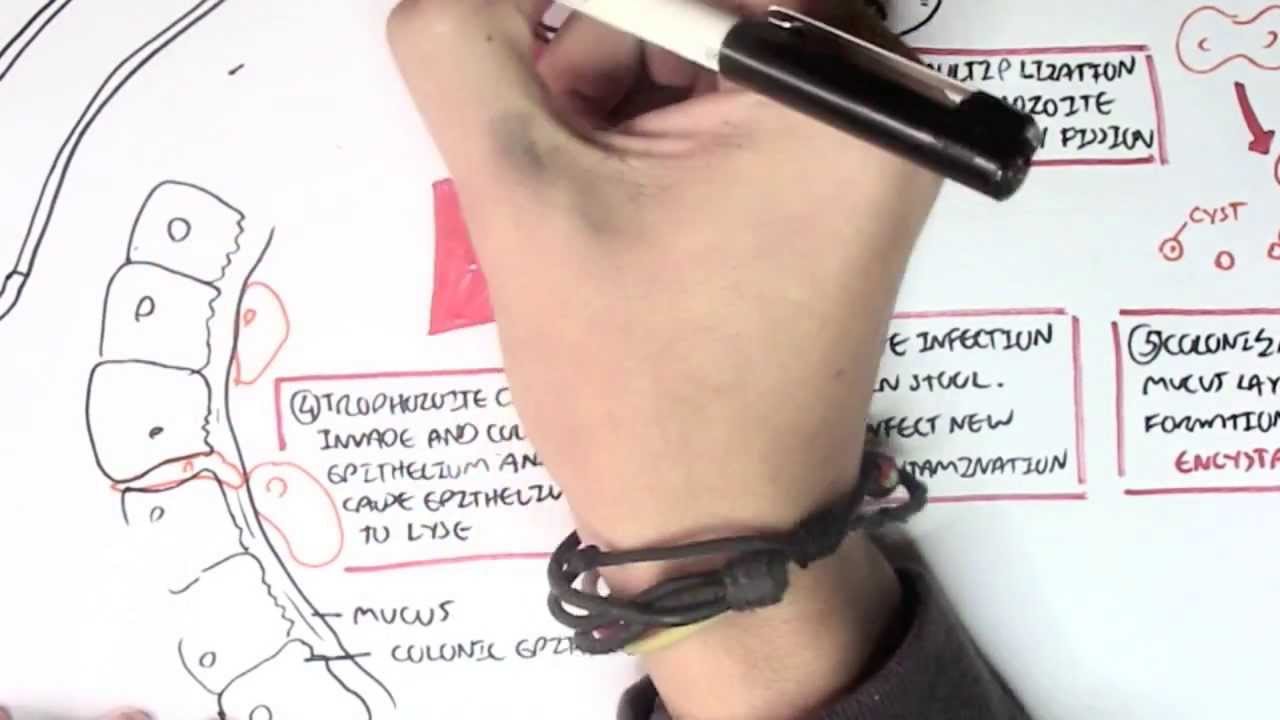
will multiply through longitudinal bind binary fision in the small intestine so here the tropaz zoi will multiply through binary fision longitudinal binary fision and then the troid can then produce cysts which again which we'll talk about soon the trophozoite will attach to the Vila surface of the small intestine using its suction discs causing abdominal pain cramps and dentry the TR zoite the gardio trazo can actually move to the colon um and bind onto this uh mucosal surface there and produce cysts a process known as encystation and these cysts can then be pass in feces so
the tropaz zoids can move into the colon from the small intestine and then produce cysts here now the cyst can be passed in feces and the tropo can be passed in pieces as well like so now these cysts are very resistant and are the infective form remember and can survive for many months in warm climates and this is why these are an issue in developing countries because most developing countries have a particularly warm climate symptoms of giardiasis include abdominal pain nausea and particularly diarrhea there is rarely blood and mucus in stool in the feces chronic
infections can be associated with uh vitamin B12 malabsorption and lactose intolerance which can be an issue to diagnose gasis we can use a microscopic examination of cysts in the stool in the feces but if this is negative and we still suspect the person is suffering from gasis we can use a string test and then microscopy string test is essentially when we put a string inside this human that we suspect is suffering from giardiasis the string will travel down through the gastrointestinal tract and essentially we will take a sample from the mucus layer of the small
intestines here and then from this uh specimen collection we can uh we can use microscopy to identify if there is a tropo or a cyst here to treat gasis we use um just Metro metronidazol which is also used in many other protone infections I hope you enjoyed this video in gasis it was very basic and uh I hope you enjoyed it thank you